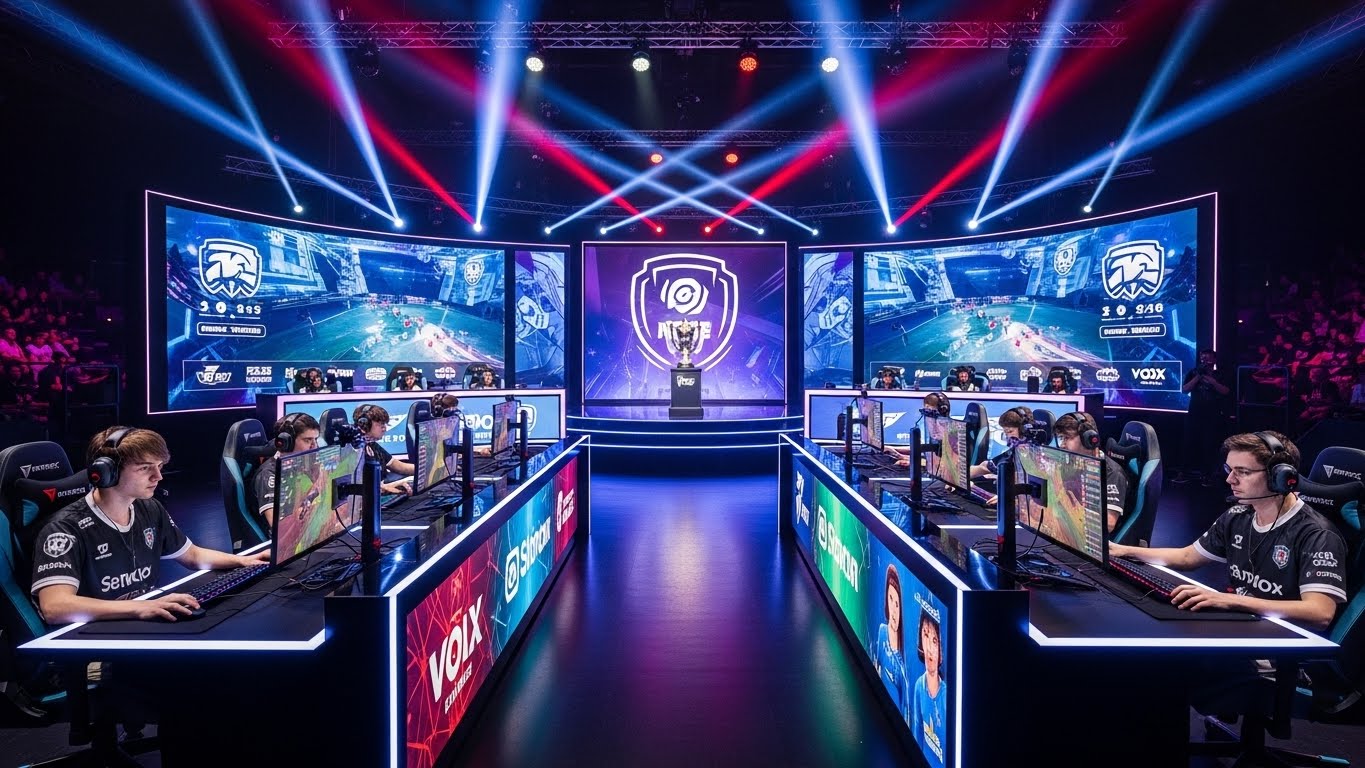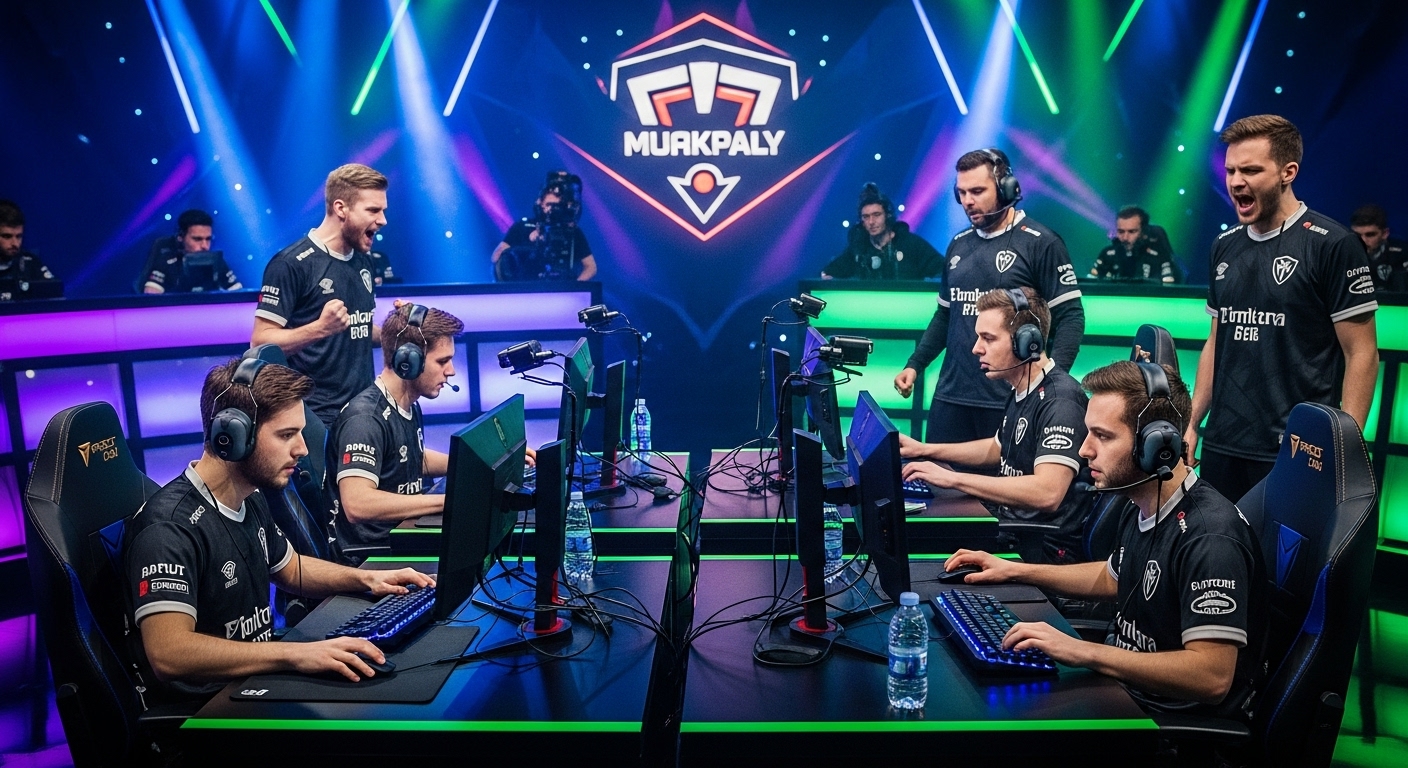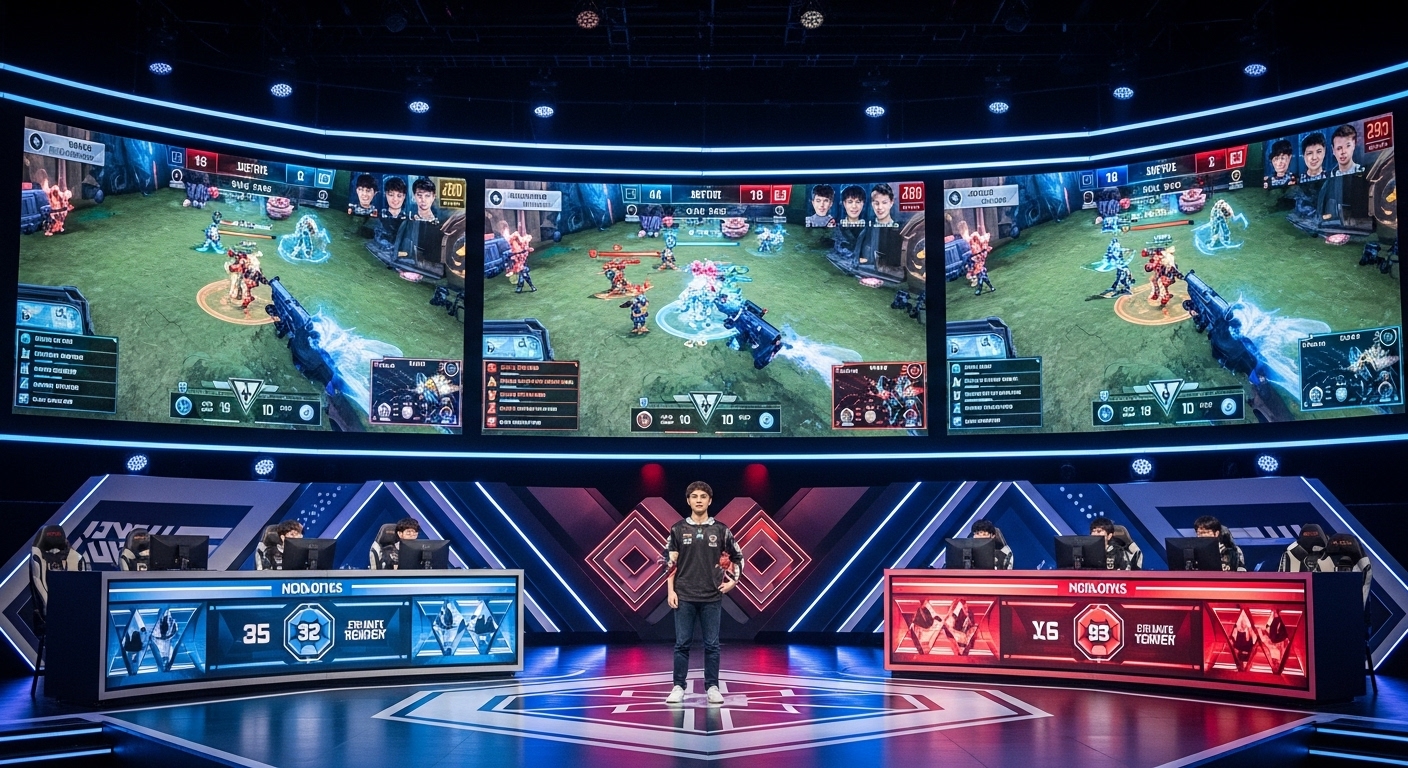

Esports, once a niche hobby for hardcore gamers, has blossomed into one of the largest and fastest-growing entertainment industries in the world. The evolution of competitive gaming from casual LAN parties to multi-million-dollar tournaments has captivated millions globally. With massive sponsorships, celebrity players, and a dedicated fan base, esports has successfully integrated itself into the mainstream entertainment ecosystem. What started as a hobby has now become a global phenomenon, reshaping the way people view both gaming and traditional sports. In this blog post, we’ll explore the rise of esports, the factors driving its success, its cultural impact, and what the future holds for competitive gaming.
The Humble Beginnings of Esports
The roots of esports can be traced back to the early days of video games. Competitive gaming started in the 1970s, but it wasn’t until the 1990s that the seeds of modern esports were planted. During this period, video games were rapidly evolving, and a few early pioneers started to form the framework for competitive gaming.
The Birth of Competitive Gaming
In the early 90s, gaming was primarily a solitary or casual activity. However, the development of multiplayer games and local area network (LAN) capabilities laid the groundwork for competitive play. The first significant esports event took place in 1997 with the Red Annihilation tournament for Quake. This event was significant not only because it featured high-level competitive play, but also because it offered a Ferrari as the grand prize for the winner—an unprecedented reward at the time.
This tournament helped to show that gaming could be more than just a pastime; it could be a sport. The winner, Dennis “Thresh” Fong, became a legend in the gaming world and helped to inspire future players to pursue professional gaming.
The Early 2000s: The Rise of Online Gaming
In the early 2000s, online gaming began to explode in popularity with games like StarCraft, Warcraft III, and Counter-Strike. These games had large online communities, and competitive tournaments began to take shape. South Korea, in particular, became a hotbed for competitive gaming during this period.
With the country’s excellent internet infrastructure and the rise of games like StarCraft, esports quickly found a loyal following. South Korea’s government even supported esports through the establishment of gaming leagues and television broadcasts, turning professional gaming into a mainstream form of entertainment. StarCraft players became celebrities, and esports was formally recognized as a legitimate competitive activity.
The Global Expansion of Esports
While South Korea was the epicenter of esports in the early days, it didn’t take long for competitive gaming to spread across the globe. The rise of broadband internet, streaming platforms, and the continued success of games like League of Legends and Dota 2 helped fuel this expansion.
The Rise of Streaming Platforms
The launch of Twitch in 2011 marked a significant turning point for esports. Twitch revolutionized the way fans interacted with esports by offering a platform for live streaming gaming content. Players and teams could now broadcast their gameplay to a global audience, and fans could interact in real-time through live chats. This created a sense of community and direct engagement between gamers and their fans.
Twitch played a pivotal role in shaping the modern esports landscape. Not only did it allow for the live streaming of major esports tournaments, but it also provided a platform for gamers to showcase their individual skills. Players could build personal brands and gain sponsorship deals, transforming gaming into a legitimate career option.
Major Tournaments and Global Viewership
Esports tournaments have grown in size, scale, and viewership. The International for Dota 2, first held in 2011, is one of the largest and most prestigious esports tournaments in the world, with its prize pool regularly exceeding $30 million. These massive prize pools have attracted the best players from around the world, raising the profile of competitive gaming.
Other tournaments, such as the League of Legends World Championship, Counter-Strike: Global Offensive Major Championships, and Overwatch League, have followed suit, offering large cash prizes and drawing millions of viewers both online and in person. Esports is no longer just a subculture—it’s a global industry with millions of viewers worldwide.
The Business of Esports: A Multi-Billion Dollar Industry
Esports is no longer just a fun hobby for gamers—it’s a serious business. The economic impact of esports is profound, with billions of dollars being generated annually through sponsorships, broadcasting rights, media deals, and merchandise sales.
Sponsorships and Partnerships
One of the key drivers of esports’ financial success has been its ability to attract corporate sponsorships. Major global brands, such as Intel, Coca-Cola, Red Bull, and BMW, have invested heavily in esports. These brands have recognized the massive potential of esports to engage with younger, tech-savvy audiences.
Sponsorships not only provide teams and tournaments with financial backing but also contribute to the continued growth of the industry. Companies like NVIDIA, Logitech, and Alienware have provided gaming hardware to top-tier players and tournament organizers, further cementing the relationship between esports and the technology sector.
In addition, esports teams have become highly marketable, and many have secured their own sponsorship deals. These sponsorships range from gaming gear to lifestyle brands, making esports teams a profitable business model in their own right.
Media Rights and Broadcasting Deals
As esports continues to grow in popularity, so does the demand for broadcasting rights. Just like traditional sports leagues, esports tournaments have signed major media deals to broadcast their events to a wider audience. Twitch, YouTube, and Facebook are now primary platforms for streaming major events, and companies are paying top dollar for exclusive broadcasting rights.
In 2018, Overwatch League signed a $90 million deal with Twitch to broadcast their matches. This deal helped to solidify Overwatch League as a major esports league and showed that esports had truly become a mainstream form of entertainment.
Television networks have also gotten involved. ESPN and TBS have aired major esports events, introducing competitive gaming to traditional sports audiences. This shift signifies the mainstream acceptance of esports as a legitimate form of competition and entertainment.
Merchandising and Fan Engagement
Another significant source of revenue for the esports industry is merchandise. Fans of esports teams and players are highly dedicated, and many are eager to show their support by purchasing jerseys, hats, and other branded items. This trend mirrors the way fans of traditional sports rally behind their favorite teams.
In addition to physical merchandise, in-game skins and items have become another major revenue stream for esports organizations and game developers. Games like League of Legends and Fortnite have created virtual economies, where players can purchase exclusive skins, emotes, and other digital goods to personalize their experience.
Player Salaries and Prize Money
As esports becomes more professionalized, players have been able to earn substantial salaries. Top-tier esports players can earn millions of dollars per year through tournament winnings, sponsorships, and streaming revenue. Prize pools for tournaments like The International (Dota 2) and the League of Legends World Championship can reach astronomical amounts, with the winning team often receiving several million dollars.
Esports organizations also offer salaries and benefits to players, similar to traditional sports teams. Many esports players are full-time professionals who train rigorously and participate in online and offline competitions, much like athletes in other sports.
The Cultural Impact of Esports
Beyond the business side, esports has had a profound impact on popular culture. It has influenced how people interact with video games, how they consume entertainment, and even how they perceive the concept of “sports.”
Esports as a Social Experience
Esports has become a social experience for millions of fans around the world. With streaming platforms like Twitch and YouTube Gaming, fans can watch their favorite players, interact in real-time, and even compete in games themselves. These platforms have fostered the creation of global communities where people can bond over shared interests and experiences.
In addition, esports tournaments have become major social events. Watching a League of Legends World Championship or Dota 2’s International with friends has become a tradition for many fans, just like watching the Super Bowl or the FIFA World Cup. The excitement of these events transcends geographical boundaries and unites fans in a way few other forms of entertainment can.
Celebrity Status of Esports Players
Many professional esports players have achieved celebrity status, not just within the gaming community, but in mainstream culture as well. Players like Faker (Lee Sang-hyeok), Ninja (Tyler Blevins), and shroud (Michael Grzesiek) have millions of followers on social media, lucrative sponsorship deals, and massive streaming audiences. These players are now household names, and their influence extends far beyond the gaming world.
Esports players have become influencers, endorsing products, collaborating with brands, and even appearing in commercials. Their celebrity status is a testament to how far esports has come, and it’s likely that we’ll see even more esports players break into mainstream media in the years to come.
Esports and Traditional Sports
Esports has also influenced traditional sports. Many professional sports teams and organizations are investing in esports, either by creating their own teams or by sponsoring existing ones. European football clubs such as Paris Saint-Germain, Manchester City, and FC Barcelona have launched their own esports divisions, competing in games like FIFA, League of Legends, and Rocket League. This convergence of esports and traditional sports highlights the growing recognition of gaming as a legitimate sport in its own right.
The Future of Esports: A Glimpse into Tomorrow
Looking ahead, the future of esports seems boundless. The continued growth of the industry, along with technological advancements, will likely propel esports to new heights.
The Role of Technology in Esports
Technological innovations, particularly in virtual reality (VR) and augmented reality (AR), have the potential to revolutionize esports. Imagine competing in a League of Legends match while wearing a VR headset, completely immersed in the game world. VR could offer a new level of interaction and immersion for both players and viewers, changing the way esports are played and consumed.
The future of esports will also likely see further advancements in game development, particularly in the areas of AI and cloud gaming. These technologies will not only improve the quality of games but also make esports more accessible to a broader audience.
The Growth of Mobile Esports
Mobile gaming is another area poised for explosive growth. With the increasing popularity of smartphones and mobile apps, games like PUBG Mobile, Clash Royale, and Mobile Legends are bringing competitive gaming to new audiences. The convenience of mobile gaming allows people to play anywhere, anytime, and the growing popularity of mobile esports is expected to continue for years to come.
Esports in the Olympics?
While it’s still a topic of debate, there have been discussions about including esports in the Olympic Games. As traditional sports organizations increasingly recognize the legitimacy of competitive gaming, it’s not entirely out of the question that esports could make its Olympic debut in the near future. If this happens, it would mark a significant milestone in the recognition of esports as a mainstream sport.
Conclusion
Esports has come a long way from its humble beginnings in the 1990s. It has transformed from a niche activity into a global entertainment powerhouse, captivating millions of fans and generating billions of dollars in revenue. With its dedicated fan base, massive sponsorships, celebrity players, and cultural influence, esports is poised to continue its incredible growth trajectory.
As technology advances and esports continues to evolve, there’s no telling just how far the industry can go. Whether it’s through the inclusion of esports in the Olympics, further advancements in virtual reality, or the rise of mobile esports, the future of competitive gaming looks brighter than ever. One thing is certain: esports is here to stay, and its impact on entertainment and culture will only continue to grow.