
Introduction
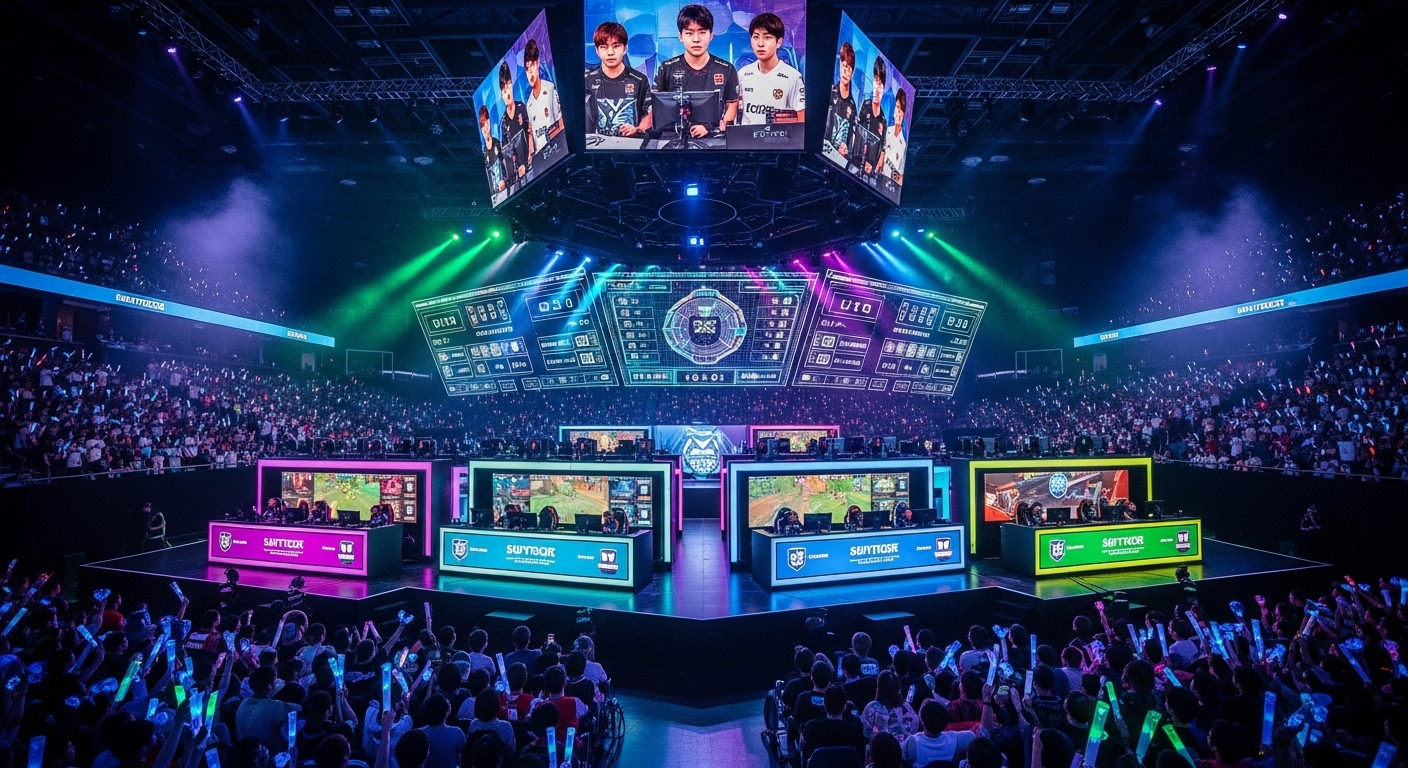
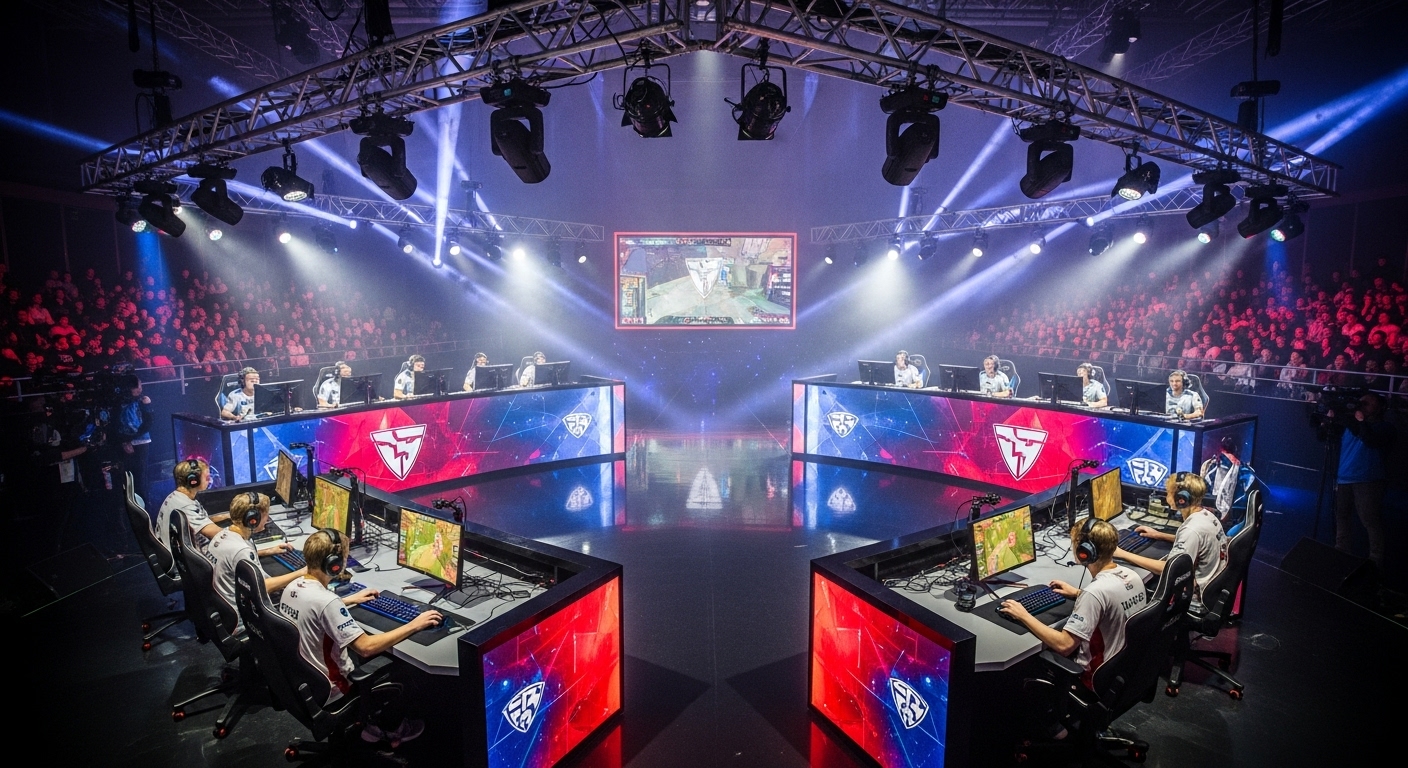
In recent years, one of the most significant shifts in the world of entertainment has been the rapid growth of eSports. What was once considered a niche hobby for gamers has exploded into a global phenomenon, attracting millions of fans, lucrative sponsorship deals, and mainstream recognition. eSports, or electronic sports, refers to organized, multiplayer video game competitions, particularly between professional players, individually or as teams. With major tournaments, massive online streaming platforms, and a dedicated fan base, eSports has transformed from a fringe activity into a multi-billion-dollar industry. In this blog post, we’ll explore the origins of eSports, its current impact, and what the future holds for this exciting and rapidly growing sector of entertainment.
The Origins of eSports: From Arcades to Online Platforms
The history of eSports can be traced back to the early days of video gaming. In the 1970s and 1980s, arcade games like Pong and Space Invaders offered the first competitive gaming experiences, where players could compete for the highest score. These early forms of competition were often informal, with players vying for bragging rights and local recognition rather than formalized tournaments or professional leagues.
The true foundation of eSports began in the 1990s, when competitive gaming started to take shape. The advent of personal computers and the internet made it possible for gamers to play against one another remotely, opening the door to online competitions. In 1997, the first major eSports event, the Red Annihilation tournament for Quake, attracted hundreds of participants and was broadcasted online. The event not only marked a turning point in competitive gaming but also demonstrated the potential of the internet to connect gamers from across the world.
As the internet became more accessible and broadband connections improved, online multiplayer games like Warcraft, Starcraft, and Counter-Strike further popularized competitive gaming. Tournaments began to emerge, and gaming communities around these titles began to grow. The early 2000s saw the rise of professional leagues, with organizations like the Cyberathlete Professional League (CPL) and Major League Gaming (MLG) organizing tournaments and drawing attention from sponsors.
The evolution of eSports was also influenced by the rise of streaming platforms such as Twitch. Launched in 2011, Twitch provided gamers with a platform to stream their gameplay live to an audience of viewers. This changed the dynamics of eSports by allowing professional players and teams to build a following and connect directly with fans. It also paved the way for eSports to become a spectator sport, attracting millions of viewers to watch live matches and tournaments.
The Growth of eSports: A Multi-Billion Dollar Industry
Today, eSports is a global powerhouse. The industry is expected to generate billions in revenue annually, with major players such as Riot Games (creator of League of Legends), Valve (creator of Dota 2 and Counter-Strike: Global Offensive), and Blizzard Entertainment (creator of Overwatch and Hearthstone) leading the charge. These companies have invested heavily in the development of competitive gaming ecosystems, building professional leagues, hosting massive tournaments, and fostering communities of players and fans.
The increasing popularity of games like League of Legends, Dota 2, Fortnite, Overwatch, and Call of Duty has contributed to the rise of eSports as a legitimate form of entertainment. Professional eSports leagues now operate with the same level of organization and infrastructure as traditional sports leagues like the NFL or NBA. Teams are often sponsored by major brands, and players can earn salaries, bonuses, and sponsorship deals worth millions of dollars.
Tournaments are a major source of revenue for eSports organizations. High-profile events like The International (the championship for Dota 2) and the League of Legends World Championship draw huge audiences both online and in person. These tournaments feature multimillion-dollar prize pools, with top players competing for glory and financial rewards. The eSports industry also benefits from sponsorships, advertising, merchandise sales, and media rights, with major brands such as Coca-Cola, Intel, and Mercedes-Benz investing in partnerships with teams and events.
Streaming platforms have become an integral part of the eSports ecosystem. Twitch, YouTube Gaming, and Facebook Gaming are the primary platforms where fans can watch eSports tournaments, interact with players, and engage with their favorite teams. These platforms have made it possible for anyone, anywhere, to be a part of the eSports experience, whether as a player, a fan, or a content creator.
The rise of eSports has also been marked by its growing recognition as a legitimate career path. Professional gamers, coaches, analysts, broadcasters, and event organizers now have the opportunity to work full-time in the industry. With eSports scholarships available for aspiring players, universities offering eSports programs, and a professional ecosystem in place, eSports has become a viable career option for talented gamers around the world.
The Appeal of eSports: Why It’s Captivating a Global Audience
So, what is it that makes eSports so appealing to millions of fans across the globe? There are several factors that contribute to the growing popularity of competitive gaming.
One of the primary draws of eSports is its accessibility. Unlike traditional sports, which often require expensive equipment, physical prowess, or access to facilities, eSports can be played by anyone with a computer or gaming console and an internet connection. This low barrier to entry makes it easy for people to get involved, whether by playing games casually, watching tournaments, or becoming competitive players themselves.
Another key factor in the success of eSports is the engagement of fans. Much like traditional sports, eSports has developed a passionate fan base that is deeply invested in their favorite games, players, and teams. Fans not only watch live tournaments but also engage with players and teams on social media, participate in fan forums, and create fan-driven content such as memes, videos, and articles. This sense of community has helped foster a vibrant culture around eSports, one that encourages fans to feel like they are part of something larger than just a game.
eSports also taps into the thrill of competition. Competitive gaming involves strategy, skill, and teamwork, with players battling not only against their opponents but also against the game’s mechanics. This creates a dynamic, high-stakes environment that keeps viewers on the edge of their seats. The excitement of watching skilled players execute complex strategies and pull off dramatic comebacks is a major part of what makes eSports so captivating.
The rise of live-streaming platforms has further amplified the appeal of eSports by allowing fans to watch matches in real-time. Unlike traditional sports broadcasts, eSports events often include interactive elements, such as live chats, polls, and fan votes, which enhance the viewer experience. This interactivity creates a more personalized and immersive experience for fans, helping to build a sense of connection between the players, the teams, and the audience.
The Future of eSports: Trends to Watch
As eSports continues to evolve, there are several trends and developments that are shaping the future of the industry.
One of the most significant trends is the increasing mainstream acceptance of eSports. What was once seen as a niche activity for “gamers” is now being recognized as a legitimate form of entertainment. Major media outlets are covering eSports events, and networks like ESPN have even begun broadcasting eSports tournaments. This growing acceptance has led to increased investment from traditional sports organizations, with entities like the NBA and NFL exploring partnerships and sponsorships in the eSports space.
In addition, the global nature of eSports presents significant growth opportunities. While eSports is already popular in regions such as North America, Europe, and Asia, emerging markets in Latin America, the Middle East, and Africa are becoming increasingly important for the industry. With mobile gaming on the rise and the increasing availability of affordable smartphones, eSports is poised to expand into new territories and attract a more diverse audience.
Another exciting development is the increasing integration of virtual and augmented reality (VR/AR) into the eSports experience. VR technology has the potential to create fully immersive gaming environments, allowing players to step into a virtual world and interact with their surroundings in ways that traditional gaming consoles cannot. While VR is still in its early stages, its integration into eSports could provide an entirely new level of engagement for both players and viewers.
Additionally, eSports betting and fantasy leagues are becoming increasingly popular, adding another layer of excitement and engagement for fans. As eSports continues to gain legitimacy, gambling platforms and sponsors are looking to capitalize on the growing interest in competitive gaming.
Conclusion: The Enduring Legacy of eSports
eSports has come a long way from its humble beginnings in arcades and dorm rooms. Today, it stands as a global cultural phenomenon, attracting millions of players, fans, and viewers around the world. With its massive growth in popularity, substantial economic impact, and increasing acceptance as a legitimate form of entertainment, eSports is here to stay.
The future of eSports looks incredibly bright, with new technologies, markets, and opportunities continuing to shape the industry. As competitive gaming continues to evolve, it will undoubtedly remain a significant force in the world of entertainment, offering fans and players alike a new way to connect, compete, and enjoy the thrill of digital sports.
As eSports grows, so too will its influence on the broader entertainment landscape. What was once considered a niche pastime has become a mainstream entertainment industry, and the possibilities for the future are endless. Whether you’re a player, a fan, or just someone curious about this new wave of competition, eSports offers something exciting for everyone.