Introduction: Esports as the New Frontier of Competitive Entertainment
In the last decade, esports has transformed from a niche hobby into a billion-dollar global industry. What was once confined to local gaming tournaments and online forums has become a fully-fledged professional sport, complete with international competitions, dedicated teams, sponsorships, and massive audiences. Esports is no longer just about playing games for fun; it is a serious career path, a cultural phenomenon, and a driving force in technological and entertainment innovation.
The rapid rise of esports is fueled by the growth of digital platforms, high-speed internet, and the increasing popularity of competitive gaming. Players, fans, and organizations now operate in a global ecosystem where skill, strategy, and entertainment converge. Esports also highlights the evolving perception of video games, demonstrating that gaming can be both a form of recreation and a legitimate professional pursuit. This blog explores the history, impact, challenges, and future of esports as it cements its position in the global entertainment landscape.
The Origins of Competitive Gaming
Competitive gaming has roots that extend back decades, long before esports became mainstream. Early competitions in the 1970s and 1980s revolved around arcade games such as Space Invaders and Pac-Man, where players competed for high scores. Tournaments and leaderboards were the earliest signs that gaming could evolve into a competitive pursuit.
The 1990s marked a significant shift with the advent of multiplayer PC games and early console competitions. Games like StarCraft, Counter-Strike, and Quake introduced online multiplayer experiences, allowing players to challenge opponents from around the world. These games required skill, strategy, and teamwork, laying the foundation for professional esports leagues.
By the early 2000s, esports began to take shape as an organized activity. LAN tournaments, gaming conventions, and online platforms allowed communities to grow, connect, and compete. While still niche at the time, these events set the stage for the massive industry we see today.
The Explosion of Esports in the 2010s
The 2010s marked a turning point for esports, driven by technological advances, streaming platforms, and widespread adoption of online gaming. High-speed internet and global connectivity enabled real-time multiplayer competitions, while platforms like Twitch and YouTube allowed fans to watch professional matches live.
Games such as League of Legends, Dota 2, and Counter-Strike: Global Offensive became global sensations, with tournaments offering prize pools in the millions. The rise of franchised leagues, such as the Overwatch League and Call of Duty League, brought structure and stability to esports organizations, resembling traditional sports leagues with city-based teams and official schedules.
The 2010s also saw a surge in sponsorships and media rights deals. Brands recognized the potential of esports to reach a young, digitally native audience, leading to collaborations with gaming companies and professional teams. This commercial investment fueled growth, allowing esports to compete on the same stage as traditional sports in terms of visibility, revenue, and influence.
The Role of Streaming and Online Platforms
Streaming platforms have been instrumental in the growth of esports. Services like Twitch and YouTube Gaming provide real-time access to tournaments, player streams, and commentary, allowing fans to engage with esports content from anywhere in the world. Streaming has also democratized esports, enabling amateur players to gain recognition and professional opportunities.
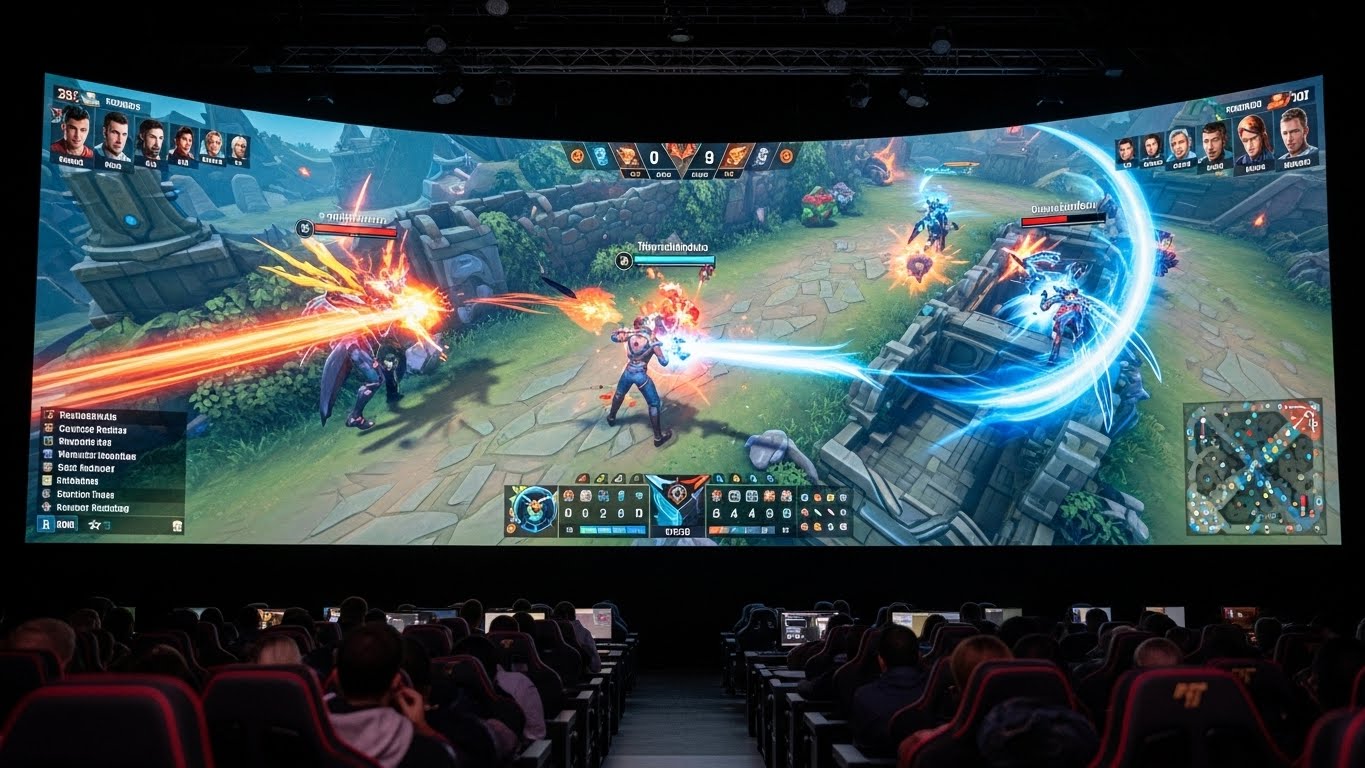
Live commentary and interactive features enhance the viewing experience, turning esports into a spectator sport. Audiences can learn strategies, follow their favorite players, and participate in online communities, creating a vibrant ecosystem around competitive gaming. Streaming platforms also provide revenue opportunities through subscriptions, donations, and advertisements, making esports a sustainable career for players and content creators alike.
Professional Players and Teams
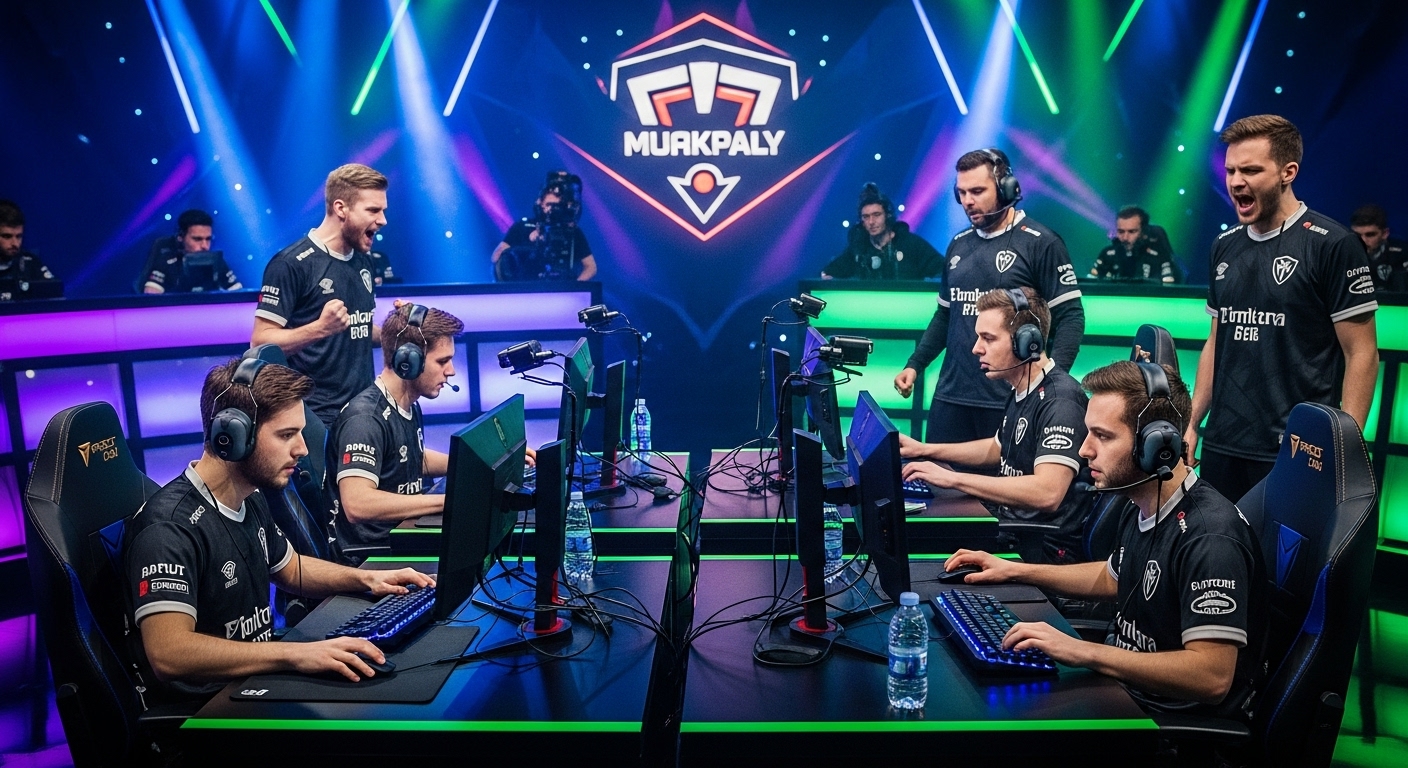
Professional esports players are the backbone of the industry. These athletes dedicate hours to practice, strategy development, and teamwork, honing skills that rival the training regimens of traditional sports. The mental and physical demands of professional gaming are often underestimated; reaction time, decision-making, and communication are critical factors in competitive success.
Esports teams operate similarly to professional sports franchises. They have coaches, analysts, marketing teams, and support staff, all working to ensure peak performance. Players can specialize in roles, develop synergy with teammates, and compete in multiple tournaments annually. The competitive ecosystem encourages talent development, creating a pipeline from amateur play to professional careers.
The Global Reach of Esports
Esports is a truly global phenomenon. Countries across Asia, Europe, North America, and Latin America have embraced competitive gaming, with international tournaments drawing massive viewership. South Korea, in particular, is often regarded as the birthplace of modern esports, with professional players achieving celebrity status and government support for esports programs.
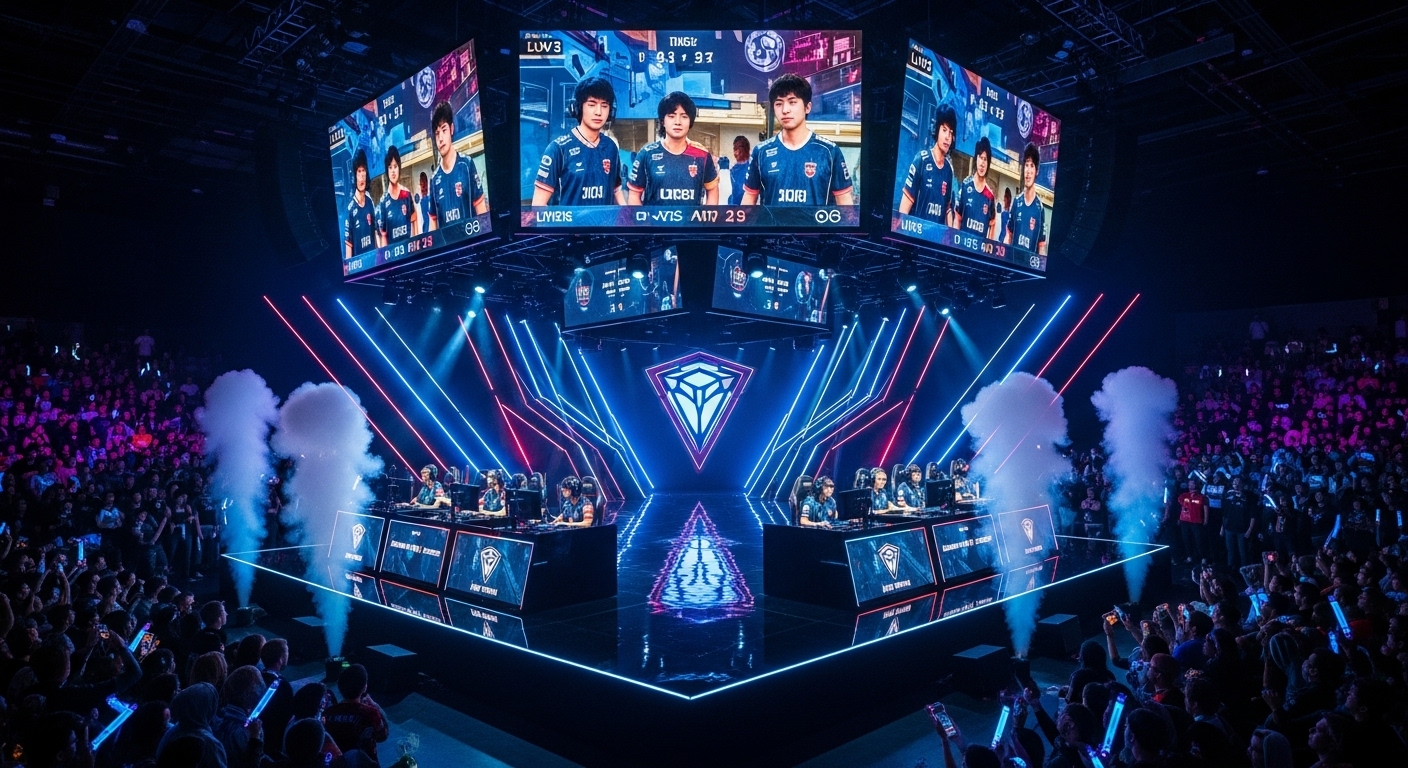
International competitions, such as The International for Dota 2 and the League of Legends World Championship, attract millions of viewers and generate significant economic impact. These events not only showcase high-level gameplay but also foster cultural exchange and community engagement. Fans from different countries share experiences, celebrate victories, and participate in a global esports culture.
Esports as a Career Path
Esports offers diverse career opportunities beyond playing professionally. Analysts, coaches, tournament organizers, content creators, shoutcasters, and marketing professionals all contribute to the ecosystem. Sponsorship and brand partnerships provide additional revenue streams, while streaming and content creation allow players to engage with audiences independently.
Colleges and universities have also started recognizing esports as a legitimate career pathway, offering scholarships, specialized programs, and esports teams. This formalization of esports education provides structured training, skill development, and academic recognition for aspiring professionals. As the industry grows, opportunities for career advancement and long-term stability continue to expand.
Challenges in the Esports Industry
Despite its rapid growth, esports faces significant challenges. Player burnout and mental health concerns are common due to intense training schedules, high-pressure competitions, and online scrutiny. Organizations must prioritize wellness, support systems, and sustainable practices to ensure player longevity.
Another challenge is the lack of standardized regulation. Unlike traditional sports, esports does not have a universal governing body, leading to inconsistencies in tournament rules, contracts, and player rights. Establishing clear standards will be essential as the industry matures.
Additionally, the perception of esports as a “real sport” is still debated. While public recognition continues to grow, some skeptics question its legitimacy compared to physical sports. Overcoming this perception requires continued advocacy, mainstream media coverage, and the demonstration of skill, strategy, and discipline inherent in competitive gaming.
The Future of Esports
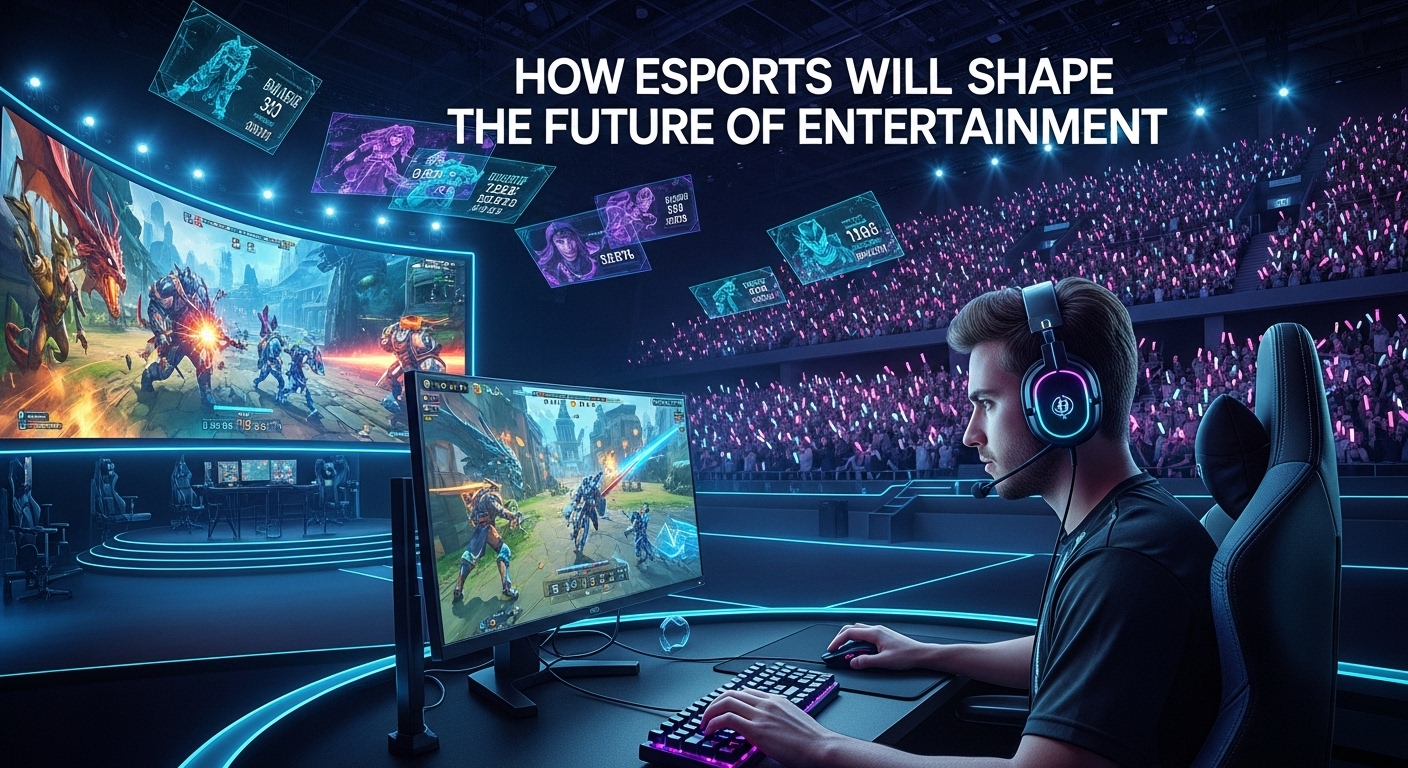
The future of esports is promising, with technological advancements, increased investment, and expanding audiences driving growth. Virtual reality and augmented reality may redefine gameplay and spectator experiences, creating more immersive and interactive tournaments. AI and analytics will enhance player performance, team strategy, and fan engagement, making competitions more dynamic and engaging.
Esports will also continue to integrate with mainstream entertainment, with collaborations between gaming, music, and film industries creating unique crossover experiences. The expansion of mobile esports will make competitive gaming more accessible, particularly in regions where console or PC infrastructure is limited.
Sustainability and inclusivity will be key priorities for the future. Initiatives promoting diversity, fair play, and mental health support will ensure that esports remains a responsible and equitable industry. As the ecosystem matures, esports will solidify its place as both a competitive sport and a cultural phenomenon.
Conclusion: Esports as a Cultural and Technological Force
Esports has evolved from small-scale competitions into a global entertainment powerhouse. It combines skill, strategy, technology, and storytelling to create experiences that captivate millions. Beyond the games themselves, esports fosters community, innovation, and career opportunities, influencing culture and redefining what it means to compete professionally.
The rise of esports demonstrates the transformative power of gaming, showing that digital experiences can be as engaging, demanding, and inspiring as traditional sports. As technology advances and the industry continues to grow, esports will remain at the forefront of entertainment, bridging cultural divides, driving innovation, and inspiring a new generation of players, creators, and fans.
Esports is more than a pastime; it is a global movement, a professional arena, and a cultural phenomenon that continues to shape the future of competitive entertainment.