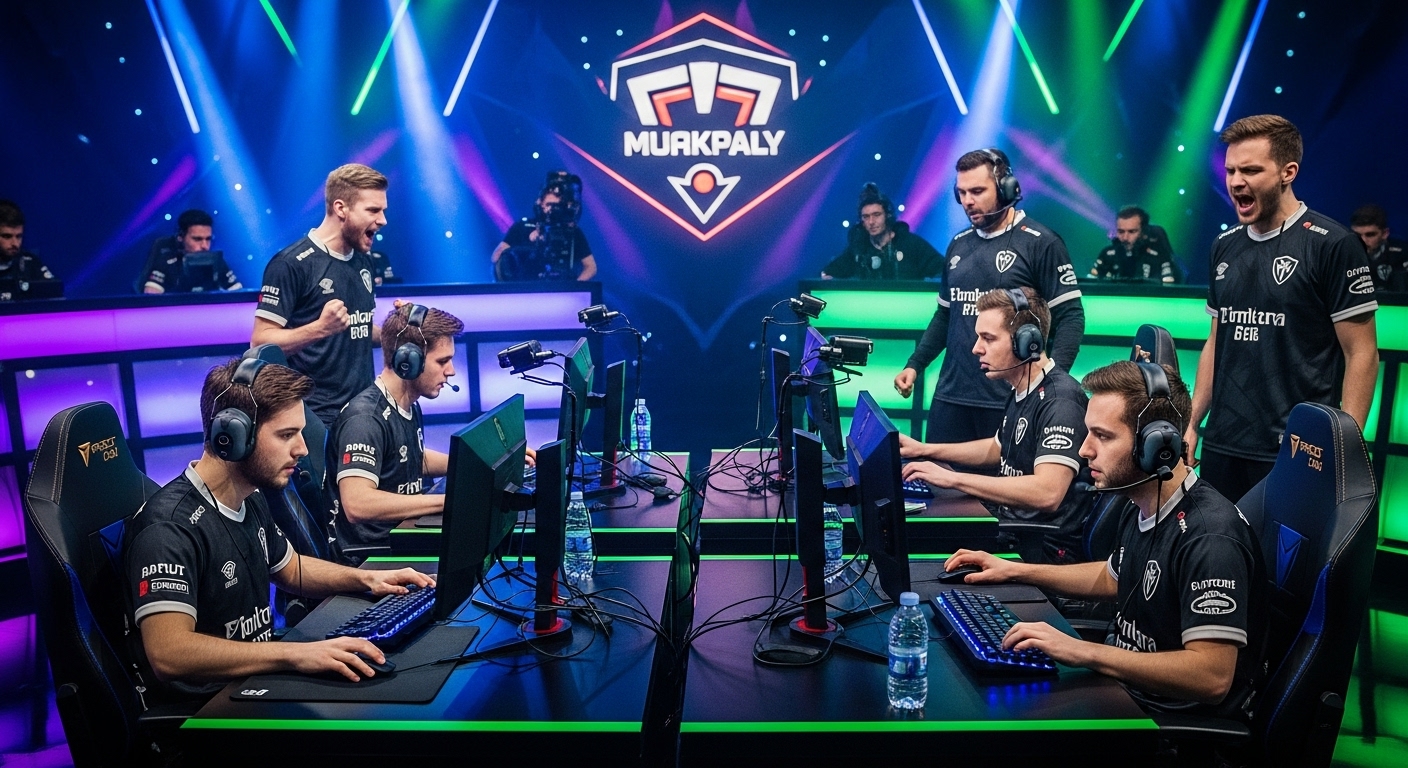
Introduction: A New Era of Competition
Once upon a time, competition was defined by physical prowess — athletes battling on fields, courts, and tracks for glory. But in the 21st century, a new kind of battlefield emerged, one built not of grass or turf but of pixels and data streams. Esports, or electronic sports, transformed video gaming from a casual pastime into a professional, global phenomenon that rivals — and sometimes surpasses — traditional sports in popularity, revenue, and audience engagement.
Today, millions tune in to watch gamers compete in high-stakes tournaments, teams are sponsored by major corporations, and players train with the same discipline as Olympic athletes. The rise of Esports is not merely a story about games; it’s about technology, culture, and a new understanding of what competition means in a digital world.
The Origins of Esports: From Arcade Machines to Global Arenas
The seeds of Esports were planted long before high-speed internet and streaming platforms existed. The earliest form of competitive gaming can be traced back to the late 1970s and early 1980s, when arcade cabinets and home consoles introduced gaming competitions to the public. One of the first notable events was the Space Invaders Championship in 1980, organized by Atari. Over ten thousand players participated, marking the first large-scale gaming tournament in history.
In the following decade, competitive gaming slowly evolved alongside technological progress. The 1990s brought local area network (LAN) parties, where players connected their computers to battle in multiplayer games like Quake, Counter-Strike, and StarCraft. These LAN tournaments fostered tight-knit communities and laid the foundation for organized Esports leagues.
However, Esports did not truly take off until the 2000s, when broadband internet allowed gamers from across the globe to compete in real time. South Korea, in particular, became a hub for professional gaming, with televised matches, gaming celebrities, and a passionate fanbase. The StarCraft scene in South Korea demonstrated how Esports could evolve into a cultural phenomenon, and other nations soon followed.
The Explosion of Esports in the 2010s
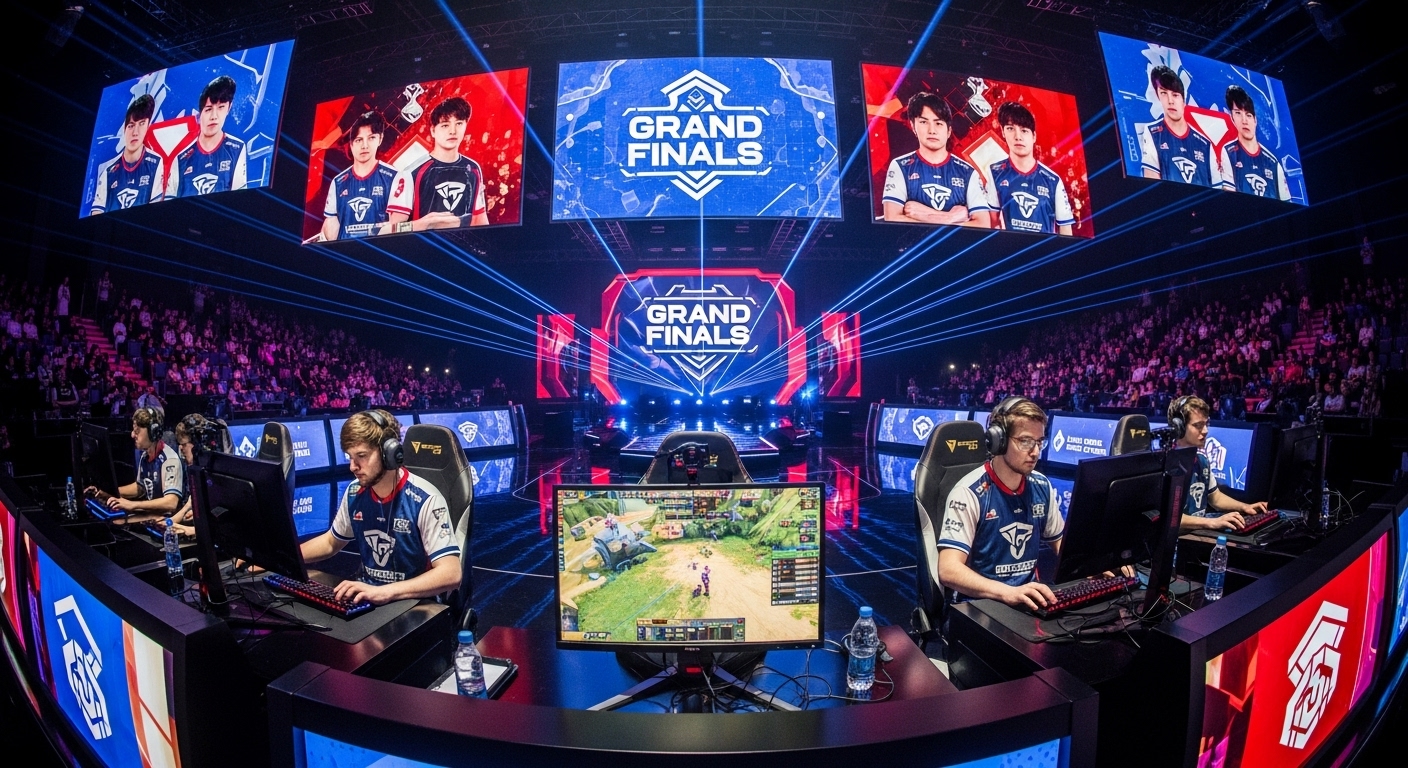
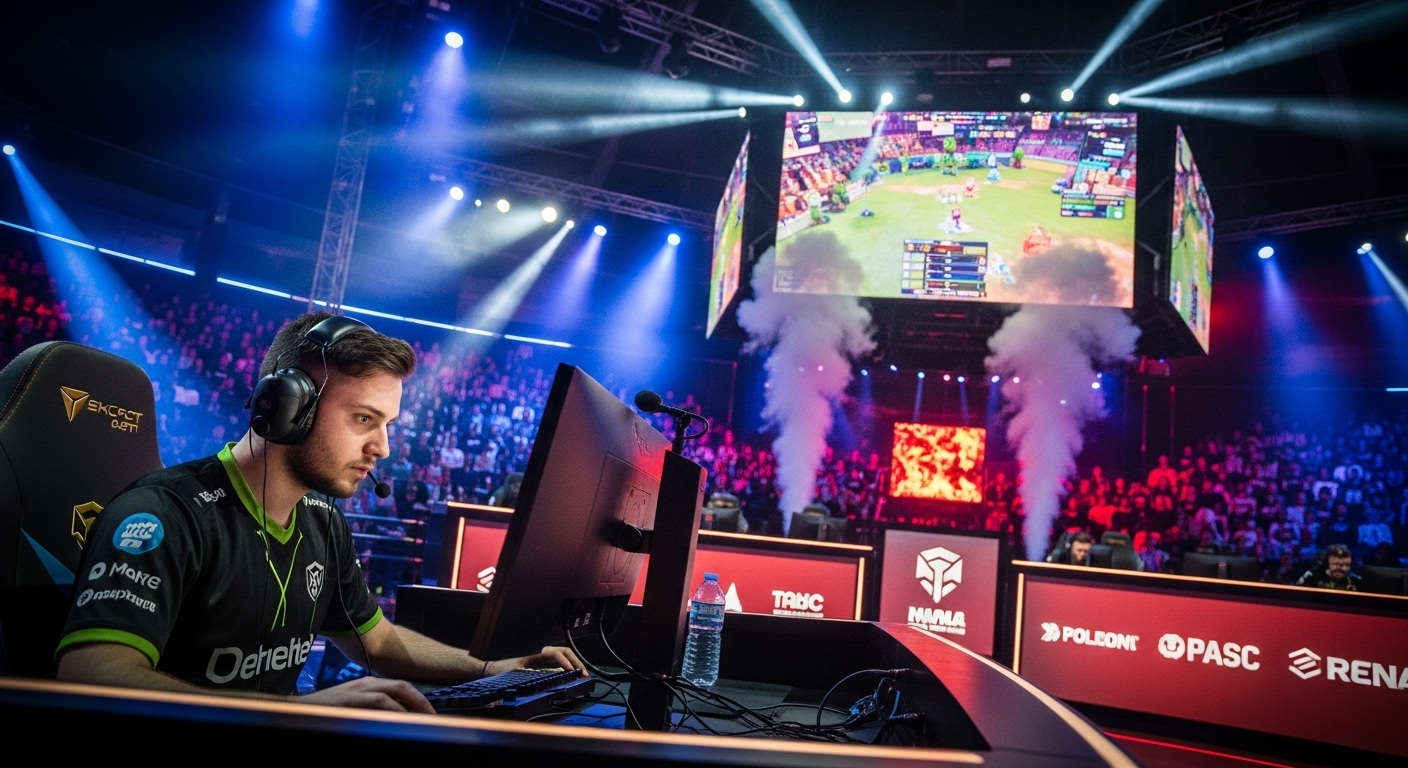
The 2010s marked the true revolution of Esports. As live streaming became accessible through platforms like Twitch and YouTube, professional gaming moved from small niche communities to mainstream entertainment. Esports events began to fill massive stadiums, attracting audiences comparable to those of traditional sports.
Games like League of Legends, Dota 2, and Counter-Strike: Global Offensive became the backbone of modern Esports. Developers began investing heavily in official tournaments, structured leagues, and prize pools that reached into the millions. The Dota 2 International, for instance, became famous for its record-breaking prize funds crowdfunded by the community. This era proved that Esports was not just entertainment — it was an industry.
Streaming also democratized access to gaming content. Fans could now watch their favorite players practice, strategize, and compete live, creating an intimate connection between the audience and the athletes. This accessibility helped Esports flourish across continents, appealing to both casual fans and hardcore enthusiasts alike.
Understanding the Esports Ecosystem
Esports is not a single game or event but a vast ecosystem of genres, players, organizers, and sponsors. To understand its complexity, one must look at the various components that make it function.
At the heart of Esports are the games themselves — competitive titles designed or adapted for professional play. Each game represents a unique style of competition, from first-person shooters like Valorant to strategy games like StarCraft II and battle royales like Fortnite. Developers play a crucial role in maintaining balance, hosting tournaments, and ensuring that the competitive scene remains fair and exciting.
Professional teams form the backbone of the Esports structure. These organizations recruit skilled players, provide them with coaching, and offer facilities similar to sports academies. Some of the most recognizable Esports organizations, such as Team Liquid, Cloud9, and Fnatic, have become global brands. Players, in turn, undergo rigorous training schedules, often practicing for up to ten hours a day to master mechanics, communication, and mental resilience.
Beyond players and teams, there are tournament organizers, sponsors, analysts, commentators, and content creators who make the ecosystem vibrant. Major Esports events resemble sporting spectacles, complete with commentators known as “casters,” live audiences, and professional production values. Esports has created thousands of jobs in event management, broadcasting, marketing, and technology.
The Psychology and Skill of Esports Athletes
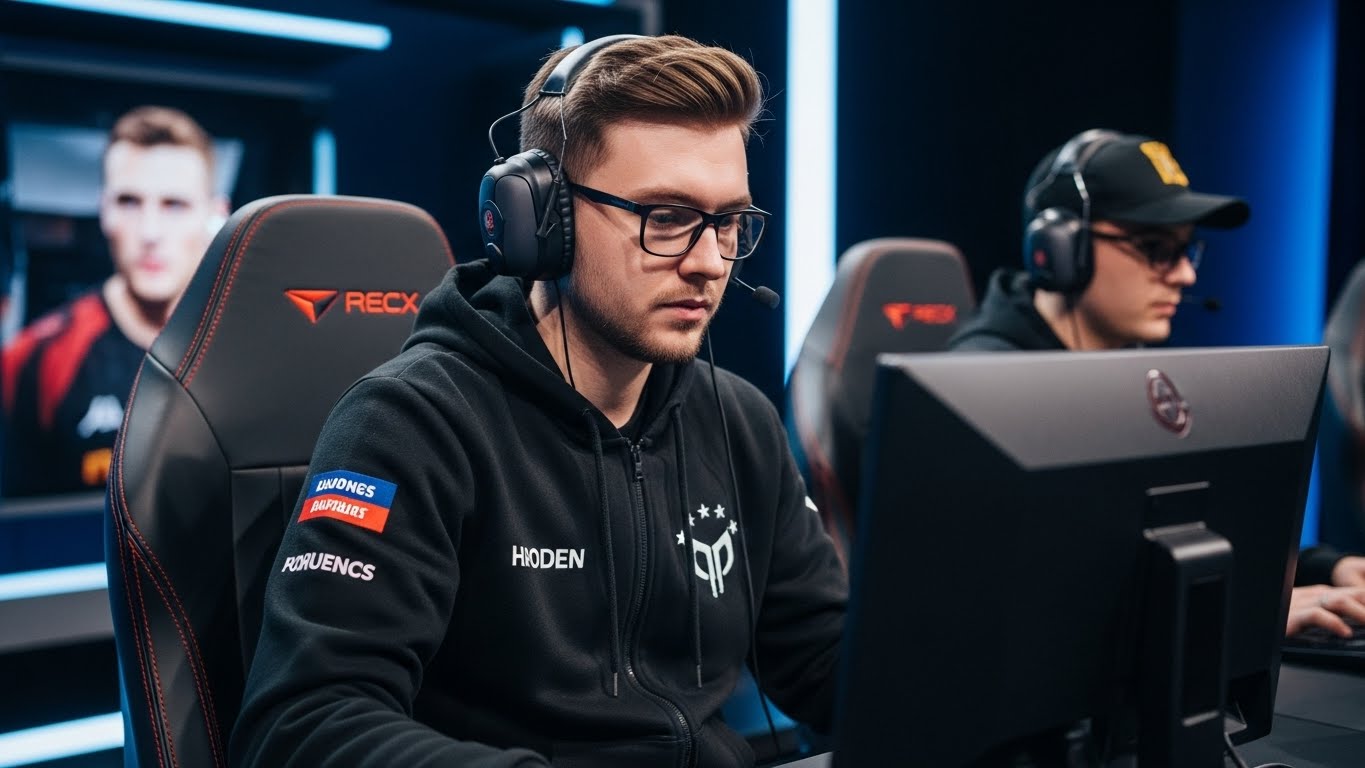
The misconception that gaming requires little effort or skill has long been debunked. Professional Esports players are athletes in their own right — not in the traditional physical sense, but in terms of discipline, strategy, and performance under pressure.
Reflexes and precision play a vital role, with players often reacting within milliseconds. Strategic depth is equally important. Games like League of Legends demand teamwork, quick decision-making, and long-term planning. In fact, the mental strain of high-level Esports has been compared to that of chess, combined with the rapid reflexes required in traditional sports.
To maintain their performance, many professional gamers follow strict routines. Teams employ psychologists, fitness trainers, and nutritionists to ensure mental clarity and physical endurance. Burnout is a common issue in the industry due to the intense competition and training schedules. As Esports continues to mature, the well-being of players has become a central topic of discussion.
The Economic Impact of Esports
What began as small-scale competitions now represents a billion-dollar global industry. Esports generates revenue through sponsorships, media rights, advertising, merchandise, and ticket sales. Corporations ranging from technology companies to automobile brands have invested in Esports to reach younger audiences. Major broadcasters have begun airing tournaments, blurring the lines between digital and traditional entertainment.
Prize pools have grown exponentially, sometimes surpassing the earnings of professional athletes in other sports. The Dota 2 International 2021 boasted a prize pool exceeding forty million dollars, an amount unmatched by most conventional sporting tournaments. Such numbers highlight the financial potential of Esports, but they also underline the growing demand for structure, regulation, and sustainability in the industry.
Esports has also fueled the growth of related industries — gaming hardware, streaming technology, and content creation. Peripheral brands like Logitech, Razer, and HyperX have become household names, as their products cater to both professionals and aspiring gamers. The economic ripple effect of Esports is visible in education, with universities offering scholarships and degree programs focused on game design, marketing, and Esports management.
Esports and Technology: The Driving Force Behind the Revolution
Technology lies at the core of Esports’ success. Without advancements in computing power, networking, and streaming, the industry could not have achieved its current scale. The evolution of gaming hardware, from high-refresh-rate monitors to precision controllers, has enhanced performance and fairness in competitive play.
Moreover, streaming platforms have transformed how audiences engage with Esports. Real-time interaction through chats and social media has turned viewership into a participatory experience. Fans no longer just watch; they engage, discuss, and even influence the culture surrounding games.
Artificial intelligence and data analytics have also entered the Esports scene. Coaches now analyze gameplay footage and statistics to identify weaknesses and optimize strategies. Some developers use AI tools to balance their games, ensuring that competition remains dynamic and fair. Virtual reality and augmented reality are on the horizon, promising to push Esports into new immersive dimensions.
The Cultural Influence of Esports
Esports is not just about competition; it’s a cultural movement that reflects the values and lifestyle of the digital generation. The influence of gaming has permeated music, fashion, and social media. Many musicians and artists collaborate with game developers to create in-game concerts or themed events, blurring the line between entertainment genres.
Gaming influencers have become modern celebrities. Streamers with millions of followers wield immense cultural power, shaping trends and language. Esports events attract not only gamers but also fans who appreciate the spectacle, community, and shared excitement of the digital arena.
The sense of belonging within gaming communities is one of Esports’ greatest strengths. Fans around the world unite under team banners, cheer for favorite players, and participate in discussions across platforms. This community-driven nature sets Esports apart from traditional sports, where audience interaction is often limited to passive viewership.
Education and Esports: A New Academic Frontier
The rise of Esports has extended beyond entertainment into education. Universities and high schools around the world are recognizing Esports as a legitimate field of study and competition. Scholarships for talented players are becoming more common, and academic programs in Esports management, marketing, and production are emerging.
This educational shift demonstrates how Esports has matured into a structured career path. Students can now pursue roles in event organization, broadcasting, content creation, and game design. These programs also teach teamwork, leadership, and critical thinking — skills applicable far beyond gaming itself.
In addition, Esports promotes digital literacy and inclusivity. It offers opportunities for individuals who may not excel in traditional sports to shine in a competitive environment that values intellect, reflexes, and creativity.
Challenges Facing the Esports Industry
Despite its rapid growth, Esports faces a series of challenges that could shape its future. One of the primary concerns is regulation. Because Esports spans multiple countries, there is no universal governing body to oversee player rights, contracts, or fair play. Issues such as match-fixing, doping, and exploitation occasionally surface, prompting calls for standardized rules and ethical guidelines.
Player burnout is another major problem. The pressure to perform at a high level, combined with long practice hours, can lead to mental health struggles and short career spans. Unlike traditional athletes who may play for decades, many professional gamers retire in their early twenties due to fatigue or declining reflexes.
Toxicity and online harassment are cultural challenges that Esports continues to combat. Developers and communities are implementing stricter moderation systems and educational initiatives to foster respect and inclusivity.
Finally, maintaining diversity and representation within Esports remains an ongoing effort. While the industry is open to all, barriers such as gender bias and accessibility still limit participation. Encouraging diversity not only strengthens the community but also ensures the sustainability of Esports as a truly global phenomenon.
The Future of Esports: What Lies Ahead
The future of Esports looks brighter than ever. As technology continues to evolve, so will the possibilities for competition and entertainment. Cloud gaming and faster internet infrastructure promise to make Esports accessible to even more players worldwide. Virtual reality tournaments and augmented reality integration could transform how fans experience matches, turning them into fully interactive events.
Moreover, the line between Esports and traditional sports is gradually disappearing. Major sports organizations, such as football and basketball clubs, are investing in their own Esports teams. This crossover not only brings credibility to Esports but also bridges generations, connecting younger audiences with older sports traditions.
In the long term, Esports may even become part of global multi-sport events. Discussions about including Esports in the Olympic Games have already begun. Such recognition would mark a defining moment, affirming that digital athletes are every bit as skilled, dedicated, and passionate as their physical counterparts.
The Human Element: Why Esports Matters
Beyond numbers, technology, and spectacle, Esports represents something profoundly human — the desire to connect, compete, and create. It brings together people from different cultures and backgrounds under a shared passion. Whether one is a professional player, a casual viewer, or a developer, Esports provides a sense of identity and community in an increasingly digital world.
At its core, Esports embodies the spirit of modern innovation. It merges creativity with competition, technology with teamwork, and individual skill with collective effort. It challenges traditional notions of what it means to be an athlete or a fan, proving that human excellence can take many forms — even through a keyboard and mouse.
Conclusion: The Digital Legacy of Esports
Esports is no longer a subculture; it is a cornerstone of global entertainment. What began as small arcade competitions has evolved into a dynamic, billion-dollar industry that captures the imagination of millions. Its impact stretches far beyond gaming — shaping education, culture, technology, and the very definition of sport.
The journey of Esports reflects the evolution of our digital age. It stands as a testament to how human creativity and competition adapt to new mediums. As we look toward the future, Esports will continue to inspire new generations to dream, to play, and to redefine what’s possible in the arena of digital competition.
In every match played and every victory celebrated, Esports reminds us that passion knows no boundaries — not of language, geography, or even reality itself. The world may have changed its playing field, but the spirit of the game remains eternal.