
Introduction
Esports, or competitive video gaming, has transformed from a niche hobby into a global phenomenon. What started as small gatherings of players competing in arcades and local tournaments has evolved into a billion-dollar industry that rivals traditional sports in popularity, revenue, and cultural influence. With professional leagues, global tournaments, and devoted fanbases, esports has become a central part of modern entertainment and sports culture.
The growth of esports reflects more than just the popularity of gaming. It highlights the digital age’s power to connect communities, foster competition, and redefine entertainment. In this blog, we will explore the history, growth, cultural impact, and future of esports, showing why it is more than just a pastime—it is a movement shaping the world of entertainment, technology, and sports.
The Origins of Competitive Gaming
Esports has humble beginnings. In the late 1970s and early 1980s, video games like Space Invaders and Pac-Man sparked friendly competitions among players. Early tournaments were often informal, held in arcades, computer labs, and school clubs. One of the first organized events was the Space Invaders Championship in 1980, which attracted thousands of participants across the United States.
The 1990s saw a significant shift with the rise of personal computers and the internet. Games like Doom, StarCraft, and Quake allowed players to compete online, laying the foundation for modern esports. South Korea, in particular, became a hotspot for competitive gaming, with StarCraft leagues becoming national phenomena. The professionalization of gaming began here, as players could earn sponsorships and recognition, transforming competitive gaming from a hobby into a potential career.
The Evolution of Esports Tournaments
As esports grew, tournaments became increasingly professional and global. Events such as the World Cyber Games, Electronic Sports World Cup, and Major League Gaming tournaments helped formalize competitive structures. By the 2010s, esports had exploded internationally, with major titles like League of Legends, Dota 2, and Counter-Strike dominating the competitive scene.
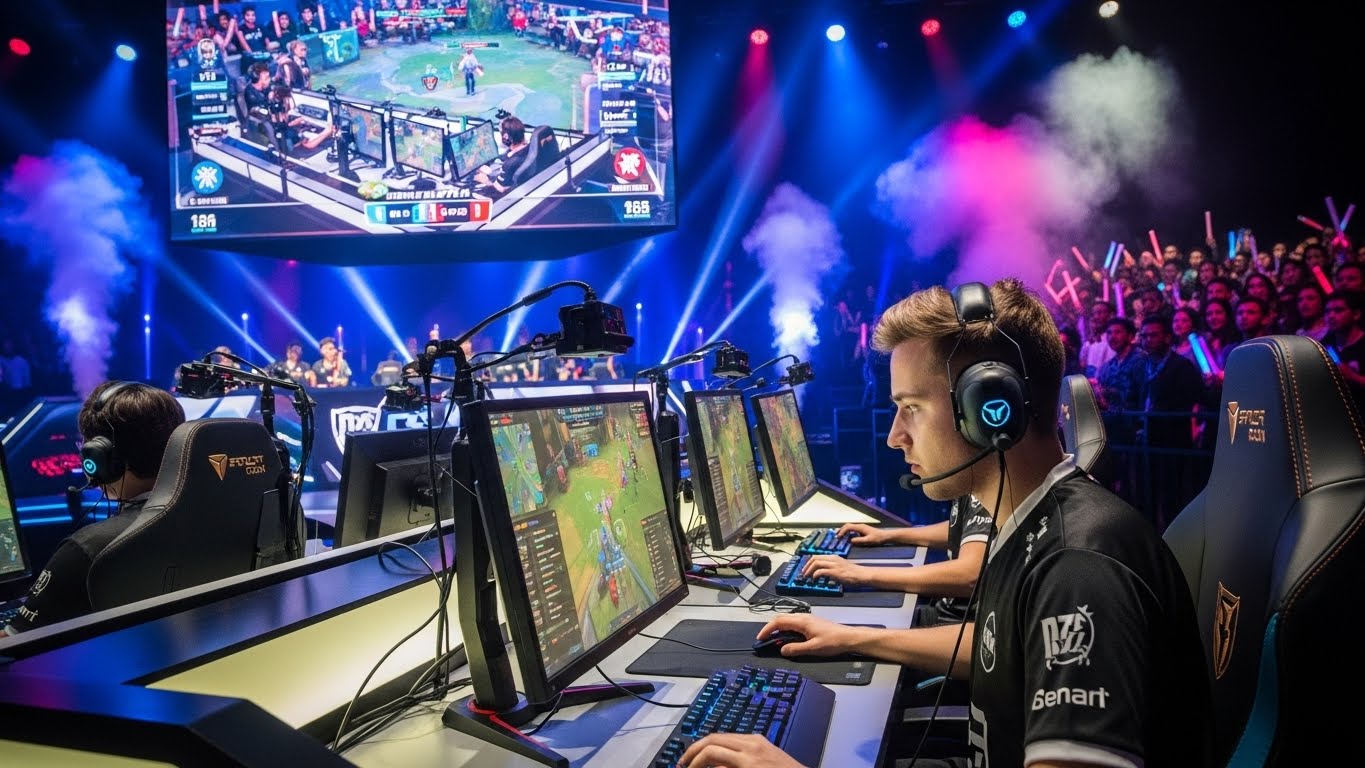
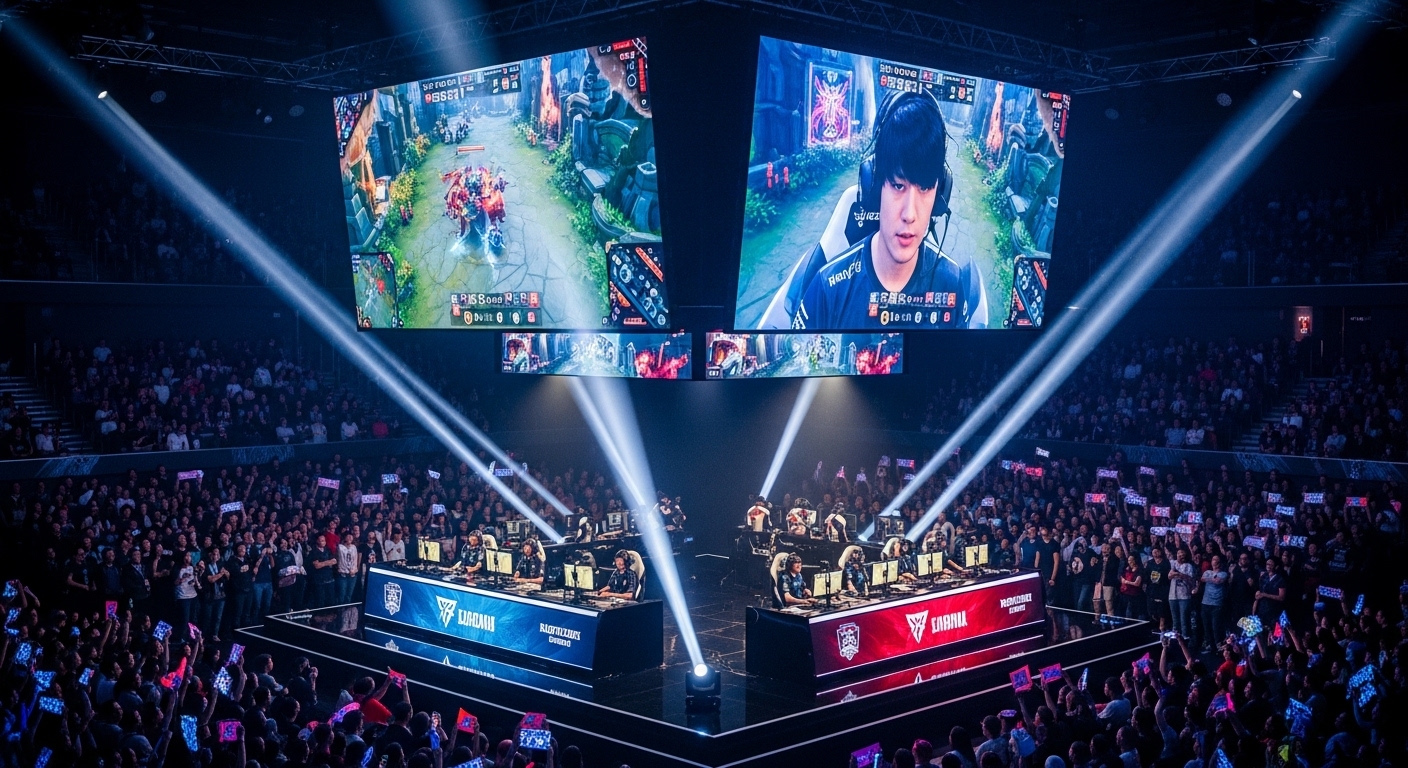
The scale of modern esports tournaments is staggering. The League of Legends World Championship draws millions of online viewers, while the Dota 2 International tournament has prize pools exceeding thirty million dollars. These events are not just competitions—they are spectacles, combining live performances, digital production, and fan interaction. Stadiums and arenas are often filled with thousands of fans cheering for their favorite teams, rivaling traditional sports events in both atmosphere and excitement.
The Professionalization of Esports
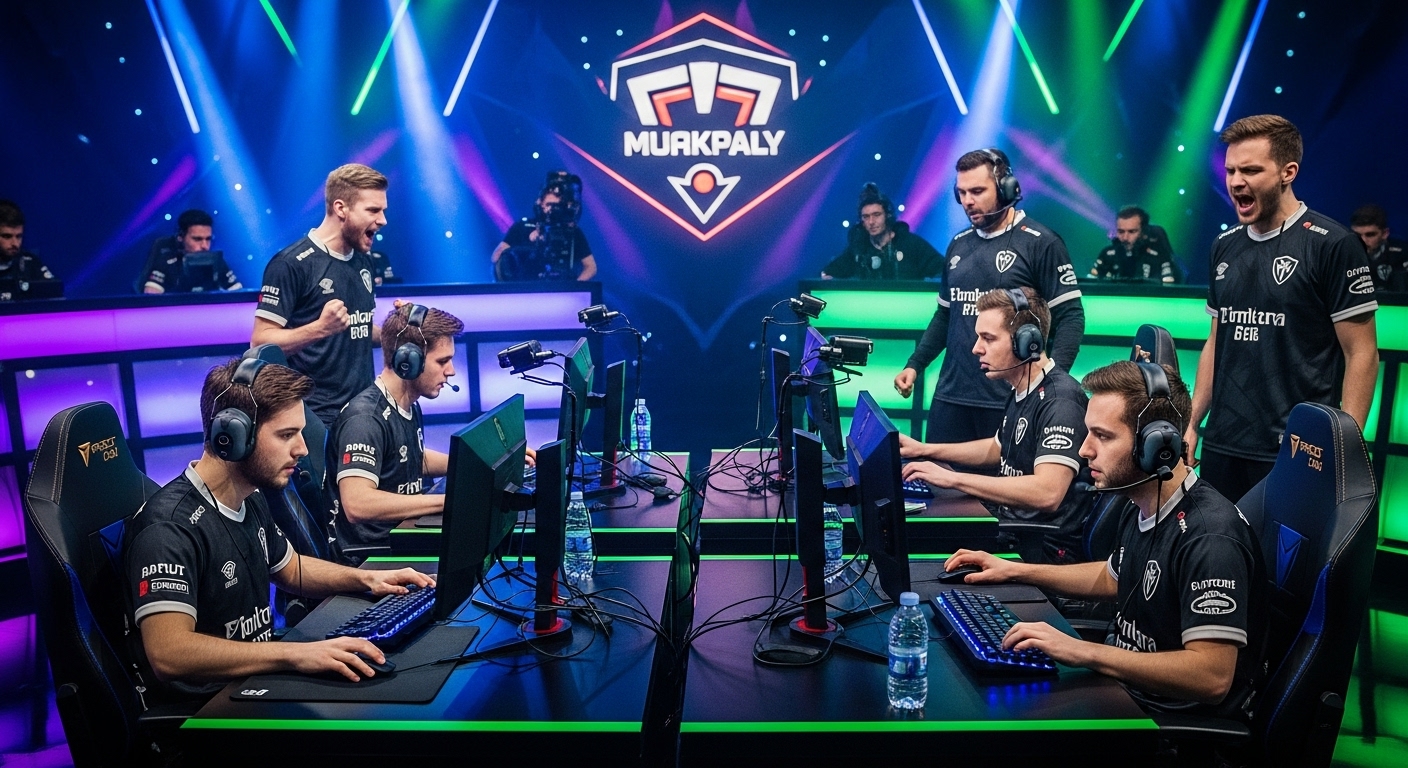
One of the key factors behind esports’ rise is the professionalization of players, teams, and leagues. Esports athletes train rigorously, often dedicating eight to twelve hours a day to practice. They follow strict schedules that include strategy sessions, reflex training, physical fitness, and mental conditioning.
Teams are structured similarly to traditional sports franchises, with managers, coaches, analysts, and marketing staff. Sponsorships from major brands, including technology companies, beverage companies, and apparel brands, provide financial support and visibility. This professional ecosystem ensures that players can dedicate themselves fully to competition, raising the level of play and increasing the legitimacy of esports as a career.
Esports Genres and Popular Titles
Esports encompasses a wide variety of genres, each with unique gameplay, strategies, and fanbases. Multiplayer online battle arena (MOBA) games like League of Legends and Dota 2 focus on team coordination, strategy, and real-time decision-making. First-person shooters (FPS) such as Counter-Strike: Global Offensive and Call of Duty emphasize precision, reflexes, and tactical awareness.
Other popular esports genres include fighting games like Street Fighter and Super Smash Bros., real-time strategy games, and sports simulations such as FIFA and NBA 2K. Each genre appeals to different audiences and requires different skill sets, creating a diverse ecosystem that supports a wide range of players and fans.
The Role of Streaming and Online Platforms
Streaming platforms have been critical to esports’ growth. Services like Twitch, YouTube Gaming, and other digital platforms allow millions of fans to watch live matches, follow their favorite players, and engage with the community in real time. The interactivity of these platforms sets esports apart from traditional sports, as viewers can chat, vote, and participate while matches unfold.
Online streaming has also democratized access to esports. Fans no longer need to attend live events to experience high-level gameplay. Amateur players can broadcast their own games, share strategies, and gain recognition, creating new pathways for talent discovery. Streaming has transformed esports into a truly global community, connecting players and fans across continents.
Esports and Youth Culture
Esports has become particularly popular among younger generations, often surpassing traditional sports in engagement among youth. The appeal lies not only in gameplay but also in the culture surrounding esports. Memes, fan art, cosplay, and online communities create a rich ecosystem that extends beyond competition.
Gaming conventions, fan festivals, and live tournaments provide social experiences for young enthusiasts, allowing them to meet like-minded individuals and form friendships. Esports also encourages creativity and teamwork, as players must communicate, strategize, and adapt to rapidly changing scenarios. For many, participation in esports is a formative experience that shapes problem-solving, leadership, and collaboration skills.
Economic Impact of Esports
The economic footprint of esports is substantial and growing. Global revenue from esports, including sponsorships, advertising, ticket sales, and media rights, reaches billions of dollars annually. Cities hosting esports tournaments benefit from tourism, hospitality, and local business growth.
Merchandising has also become a significant source of revenue. Fans purchase jerseys, branded peripherals, and collectibles to show support for their favorite teams and players. The rise of esports betting and fantasy leagues has further expanded the industry’s economic influence.
Esports and Traditional Sports: A Comparison
Esports shares many similarities with traditional sports. Both require skill, teamwork, strategy, and dedication. Both can inspire passion, loyalty, and entertainment for millions of fans. However, esports also has unique advantages. Digital platforms allow for instant global accessibility, and the barrier to entry is lower, as physical abilities are not limiting factors.
Despite differences, the lines between esports and traditional sports are increasingly blurred. Professional sports organizations are investing in esports teams, while esports tournaments are held in iconic stadiums previously reserved for conventional sports. Collaborations between the two industries signify recognition of esports’ legitimacy and potential.
The Role of Sponsorships and Media
Sponsorships and media play a crucial role in sustaining esports. Brands seek exposure to highly engaged audiences, and esports provides access to a demographic that is often difficult to reach through traditional advertising. Major corporations sponsor teams, leagues, and tournaments, contributing to prize pools and operational costs.
Media coverage has expanded beyond online platforms. Television networks now broadcast esports tournaments, further legitimizing the industry. Documentaries and feature articles showcase players’ stories, emphasizing their dedication, struggles, and achievements. This visibility not only attracts fans but also encourages new talent to pursue careers in esports.
Esports and Diversity
Esports has the potential to be one of the most inclusive forms of competition. Unlike traditional sports, where physical attributes can limit participation, esports emphasizes skill, strategy, and mental acuity. Players of different genders, abilities, and backgrounds can compete at the highest levels.
However, challenges remain. Issues such as gender inequality, harassment, and lack of representation need to be addressed to ensure that esports remains a welcoming space. Organizations and communities are increasingly advocating for inclusivity, creating initiatives that promote equal opportunities and safe environments for all players.
Mental and Physical Health in Esports
While esports is primarily digital, the demands on professional players are intense. Long hours of practice, high-pressure competitions, and constant travel can affect both mental and physical health. To address these challenges, many teams employ fitness trainers, nutritionists, and mental health professionals.
Physical conditioning is increasingly recognized as critical, as stamina and reflexes are impacted by fitness. Mental resilience, focus, and stress management are equally essential, as split-second decisions can determine the outcome of a match. Professional esports athletes must balance rigorous practice with rest, healthy habits, and psychological well-being to perform at peak levels.
Esports as a Global Phenomenon
Esports is now a worldwide industry, with thriving communities in North America, Europe, Asia, South America, and increasingly in Africa and the Middle East. South Korea and China remain major hubs, known for their structured leagues, large audiences, and government support. North America and Europe have strong professional circuits, with iconic tournaments and fan festivals.
The international nature of esports is one of its defining features. Players from different continents compete seamlessly online, fostering cross-cultural interaction. Fans from different countries can follow the same events simultaneously, creating a sense of global community and shared passion.
The Future of Esports
The future of esports is both promising and transformative. Emerging technologies, including virtual reality and augmented reality, will redefine gameplay and spectator experiences. Artificial intelligence may create new training methods, analytics, and adaptive game design.
Esports is also likely to integrate further with mainstream entertainment. Collaborations with films, music, and traditional sports will create hybrid experiences, reaching new audiences. Education and career pathways are emerging, with universities offering esports scholarships, professional coaching programs, and management degrees.
The industry is poised for continued growth, driven by innovation, cultural relevance, and global connectivity. Esports is no longer a niche hobby—it is a legitimate, evolving, and influential part of modern society.
Conclusion
Esports has come a long way from humble arcade competitions to a global, billion-dollar phenomenon. It represents the convergence of technology, entertainment, and sports culture. With professional leagues, massive tournaments, and passionate fan communities, esports has established itself as a legitimate and impactful industry.
Beyond the games themselves, esports fosters creativity, teamwork, and cultural exchange. It provides opportunities for individuals to pursue careers, inspires millions of fans, and demonstrates the potential of digital entertainment in the modern age. As technology continues to evolve, esports will remain at the forefront of innovation, shaping the future of competition, entertainment, and global community.
The story of esports is the story of human ingenuity, passion, and connection. It proves that even in a digital age, competition, skill, and shared experiences can unite people, inspire dreams, and redefine what it means to be an athlete.