Introduction: The Rise of Esports
In the past two decades, esports has evolved from a niche hobby into a global phenomenon, transforming into an entertainment industry that rivals traditional sports in both popularity and financial investment. Once dominated by a small community of gamers, esports has now grown into a massive, multi-billion-dollar industry with millions of players, fans, and a thriving competitive scene. Whether you’re a casual gamer or an avid esports enthusiast, it’s impossible to ignore the rapid rise and continuous growth of this exciting sector.
Esports, short for electronic sports, refers to competitive video gaming, typically organized into tournaments and leagues. These events feature top players and teams from around the world, battling it out for cash prizes, sponsorships, and the glory of victory. From local LAN (Local Area Network) parties to international events streamed to millions of viewers, esports now enjoys widespread attention across multiple platforms, including Twitch, YouTube, and traditional TV networks.
The Birth and Growth of Competitive Gaming
The history of esports can be traced back to the early days of video games, with some of the first competitive events taking place in the late 1990s. In the United States, the 1997 Red Annihilation tournament for the game “Quake” is often cited as one of the earliest examples of a large-scale gaming competition. The winner of that tournament, Dennis “Thresh” Fong, became one of the first professional esports players, earning both fame and sponsorship deals.
The true growth of esports began in the early 2000s, largely fueled by the rise of broadband internet and the growth of online gaming platforms. Games like “StarCraft,” “Warcraft III,” and “Counter-Strike” helped popularize competitive gaming, creating global communities of players who competed online and attended local LAN tournaments. By 2003, the Cyberathlete Professional League (CPL) became one of the first professional esports leagues, paving the way for the formal organization of tournaments.
However, it wasn’t until the late 2000s and early 2010s that esports truly exploded into mainstream culture. Games such as “League of Legends,” “Dota 2,” and “Counter-Strike: Global Offensive” gained massive followings, while professional esports organizations and players began to attract sponsorships and media attention. At the same time, the rise of streaming platforms like Twitch made it easier for fans to watch live tournaments and follow their favorite teams and players.
Esports Today: A Billion-Dollar Industry
Today, esports is no longer just a hobby; it’s a global industry with a projected value exceeding $1 billion in 2025. This rapid growth is a testament to the incredible popularity of competitive gaming, with millions of fans tuning in to watch tournaments across a variety of games, including MOBAs (Multiplayer Online Battle Arenas), FPS (First-Person Shooters), and RTS (Real-Time Strategy) games.
The most significant contributing factor to the growth of esports is the increasing investment from sponsors and brands. Major corporations, such as Coca-Cola, Intel, and Nike, have recognized the value of aligning with esports, knowing that gaming communities represent a massive audience, particularly among younger generations. Sponsorship deals, advertising revenue, and the sale of digital goods and tickets have fueled the financial success of esports, and this trend is expected to continue.
Esports organizations have also capitalized on this growth by signing high-profile players, expanding their operations, and participating in major leagues and tournaments. For example, teams like Cloud9, Team Liquid, and T1 have become household names in the esports world, with players earning six-figure salaries and landing endorsement deals. Many of these organizations also field teams across multiple games, increasing their visibility and influence in the gaming community.
Esports Tournaments: The Heart of Competitive Gaming
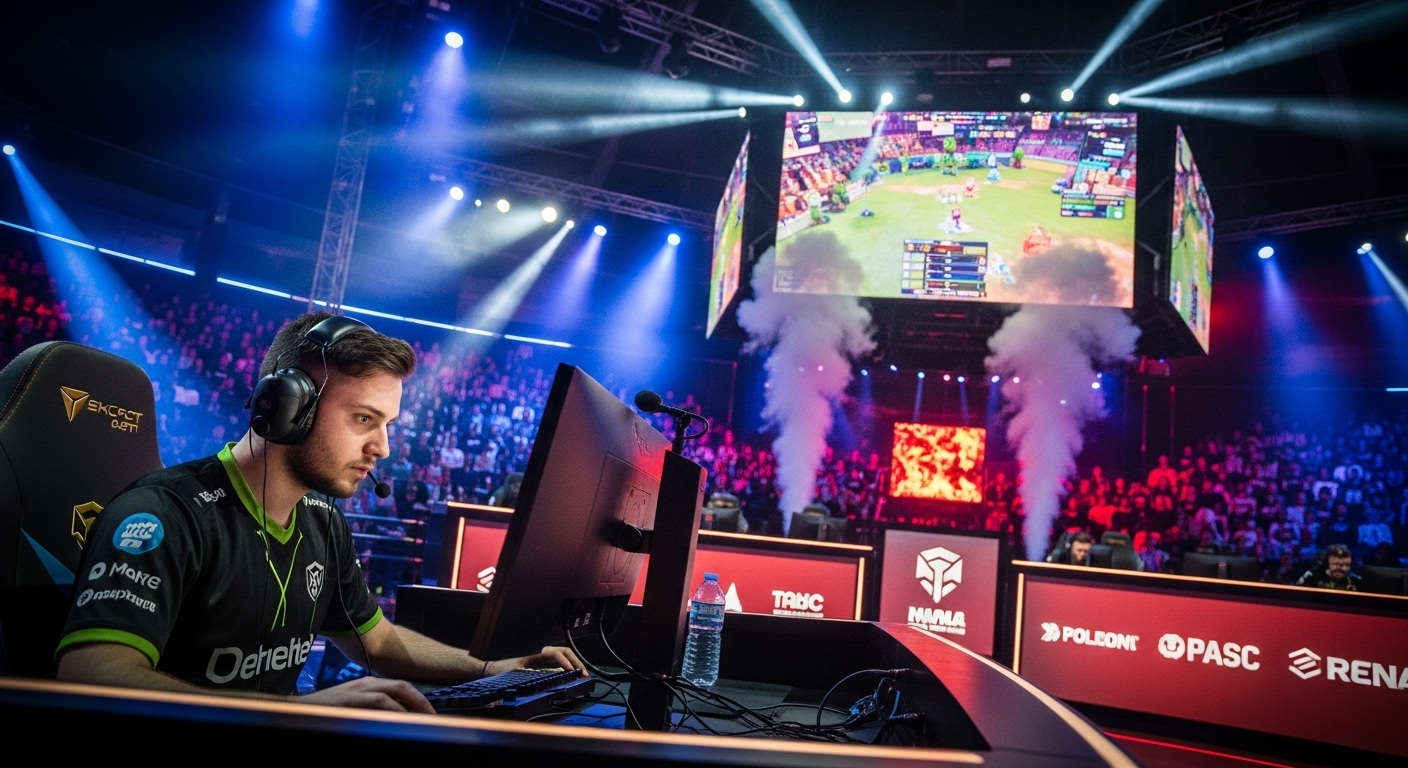
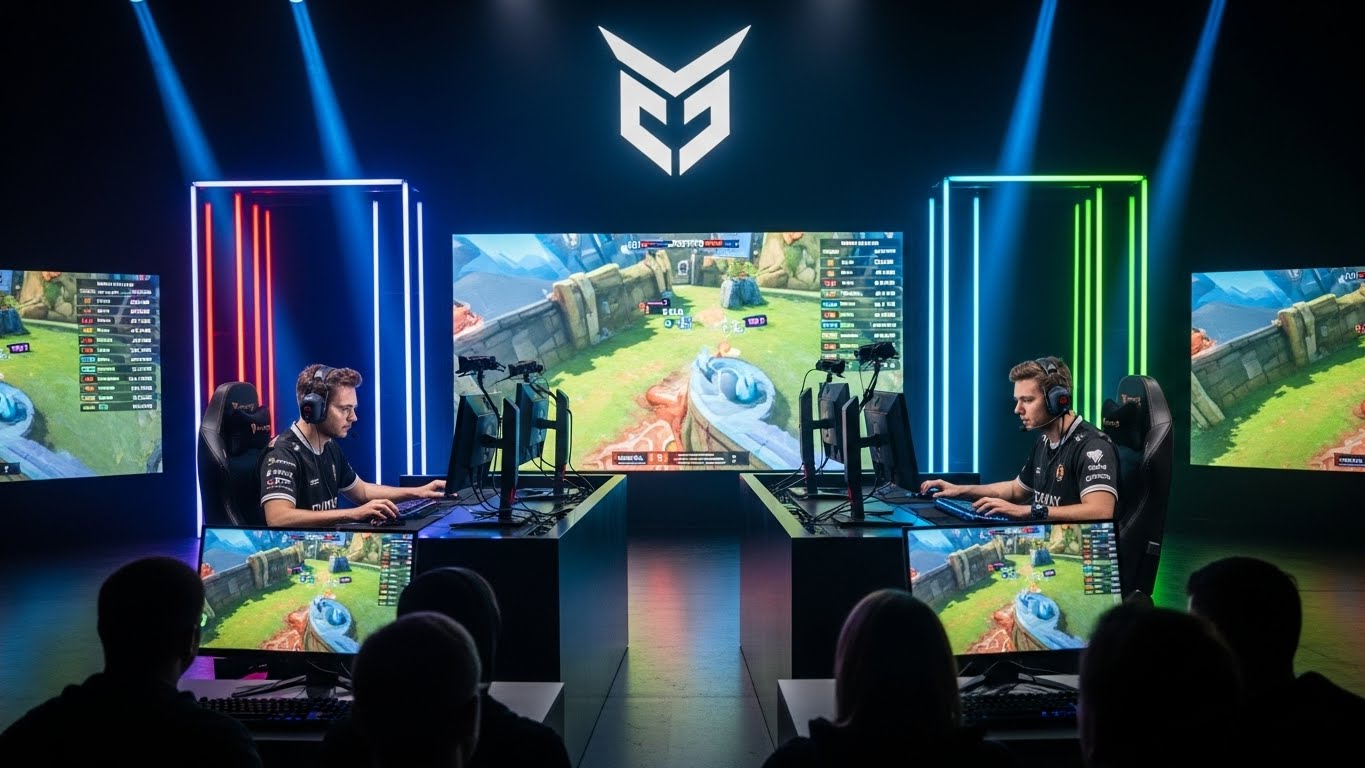
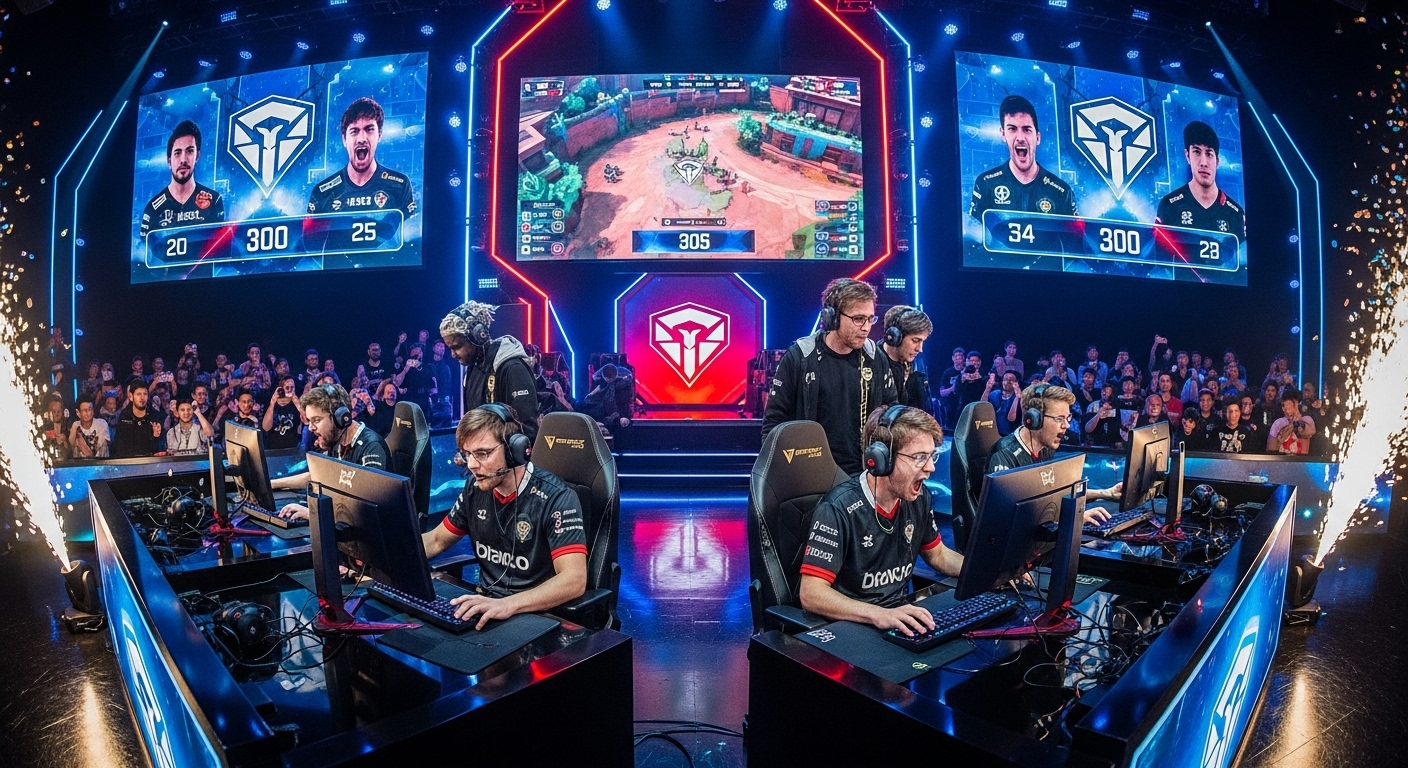
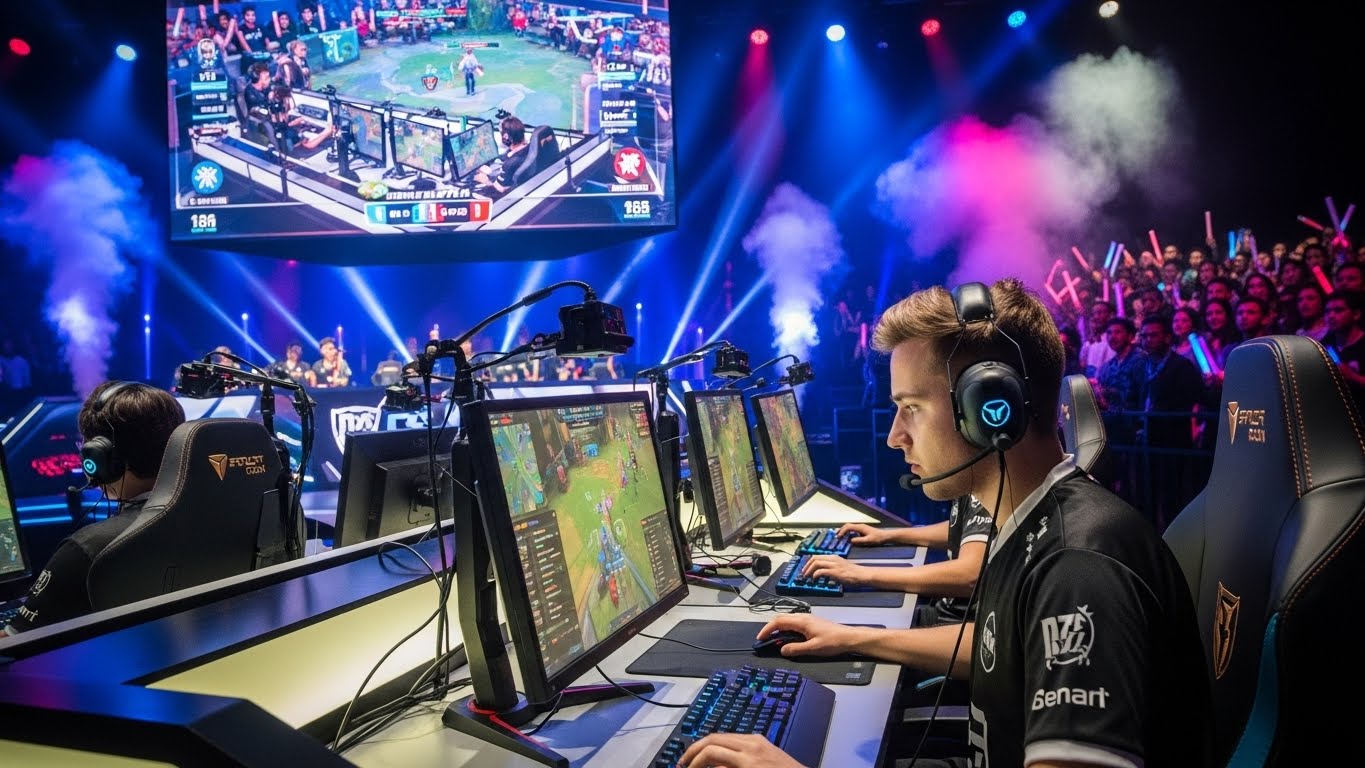
One of the defining features of esports is its tournaments, which can attract thousands of live spectators and millions of online viewers. These events are often held in massive arenas and feature high-stakes competition, with players competing for substantial cash prizes and sponsorships. Some of the biggest esports tournaments include The International (Dota 2), the League of Legends World Championship, and the Fortnite World Cup.
The sheer scale and production value of these events are remarkable. For instance, The International, held annually by Valve Corporation, boasts prize pools that exceed $40 million, with the winner receiving a significant portion of that sum. The League of Legends World Championship, meanwhile, is known for its elaborate opening ceremonies and fanfare, drawing in millions of viewers from around the world.
Esports tournaments are typically broadcast live, with dedicated commentators, analysts, and production teams providing commentary and analysis for the audience. This professional-level production adds to the excitement of the competition and helps make esports more accessible to a wider audience, even those who may not be familiar with the games being played.
In addition to the traditional esports tournaments, new formats are emerging, such as esports leagues modeled after traditional sports leagues like the NBA and NFL. The Overwatch League, for example, is a city-based league that features teams from all over the world, similar to how major sports leagues operate. These leagues offer more structure and regularity, which helps to build rivalries and fan loyalty, similar to how people follow football or basketball teams.
The Esports Ecosystem: Players, Coaches, and Analysts
At the heart of any successful esports organization is its players. These individuals dedicate countless hours to training, practicing, and refining their skills to compete at the highest levels. While many players come from humble beginnings, the financial rewards of professional gaming can be substantial. Top players often earn significant salaries from their team contracts, sponsorships, and streaming revenue. In addition to traditional playing roles, esports organizations are increasingly hiring coaches, analysts, and psychologists to help optimize player performance and ensure long-term success.
Coaching is an essential component of modern esports, as teams look to gain a strategic edge over their opponents. Coaches are responsible for developing team strategies, analyzing opponents’ gameplay, and managing team dynamics. In many ways, coaching in esports is similar to coaching in traditional sports, where tactics, preparation, and mental resilience are key to winning championships.
Esports analysts and casters also play a crucial role in the ecosystem. These individuals provide in-depth analysis and commentary during live broadcasts, helping fans understand the strategies behind the gameplay and making the experience more engaging. Some analysts even become well-known personalities in their own right, with dedicated followings that extend beyond the games they commentate on.
The Global Appeal of Esports
One of the reasons for esports’ explosive growth is its global appeal. Unlike traditional sports, which may be confined to a particular region or country, esports transcends geographic boundaries. Players and fans can participate in esports tournaments from anywhere in the world, and the online nature of competitive gaming means that competitions can be organized across multiple continents. Games like “League of Legends” and “Dota 2” feature teams from North America, Europe, South Korea, China, and beyond, making esports truly international in scope.
The global fanbase is another key driver of esports’ success. Tournaments and streams are watched by millions of fans worldwide, with esports communities developing in countries that may not have a strong tradition of competitive gaming. For example, while South Korea has long been regarded as a hub for esports, countries like Brazil, Turkey, and Russia have seen significant growth in their esports scenes in recent years. This widespread engagement has created a sense of unity and camaraderie among fans, who can interact with each other on social media platforms, in game chats, or through fan events.
Esports has also found a place in traditional media, with networks like ESPN and TBS broadcasting major esports events. Additionally, the rise of streaming platforms like Twitch has created a new form of fan engagement, where viewers can interact directly with their favorite players and content creators, creating a more intimate and dynamic fan experience.
The Future of Esports: What Lies Ahead?
The future of esports is incredibly promising, with new technologies, expanded media coverage, and increased investments continuing to drive growth. Virtual reality (VR) and augmented reality (AR) are expected to play a larger role in the future of esports, providing more immersive gaming experiences. Additionally, mobile esports, particularly in regions like Southeast Asia and India, are rapidly gaining in popularity, with mobile gaming tournaments becoming a staple in the global esports ecosystem.
Esports is also likely to continue its integration with traditional sports. As more professional leagues and tournaments emerge, the distinction between traditional and esports may begin to blur. The potential for collaboration, such as partnerships with major sports organizations, could help further cement esports as a mainstream entertainment medium.
As the industry grows, however, challenges will also emerge. Issues like player burnout, the mental health of players, and the potential for cheating and match-fixing are concerns that will need to be addressed as esports continues to mature. Nevertheless, with its innovative spirit and ever-expanding global presence, esports is set to remain one of the most exciting and rapidly evolving sectors in entertainment.
Conclusion: Esports as a Mainstream Force
Esports is no longer just a passing trend; it has evolved into a global cultural phenomenon with a multi-billion-dollar industry. From its humble beginnings in the late 90s to its current status as a mainstream force, esports has proven that competitive gaming has a place in the global entertainment landscape. With exciting tournaments, dedicated players, passionate fans, and a rapidly expanding ecosystem, the future of esports looks incredibly bright. Whether you’re a fan, a player, or a sponsor, there has never been a better time to get involved in the world of esports.