Introduction to Esports
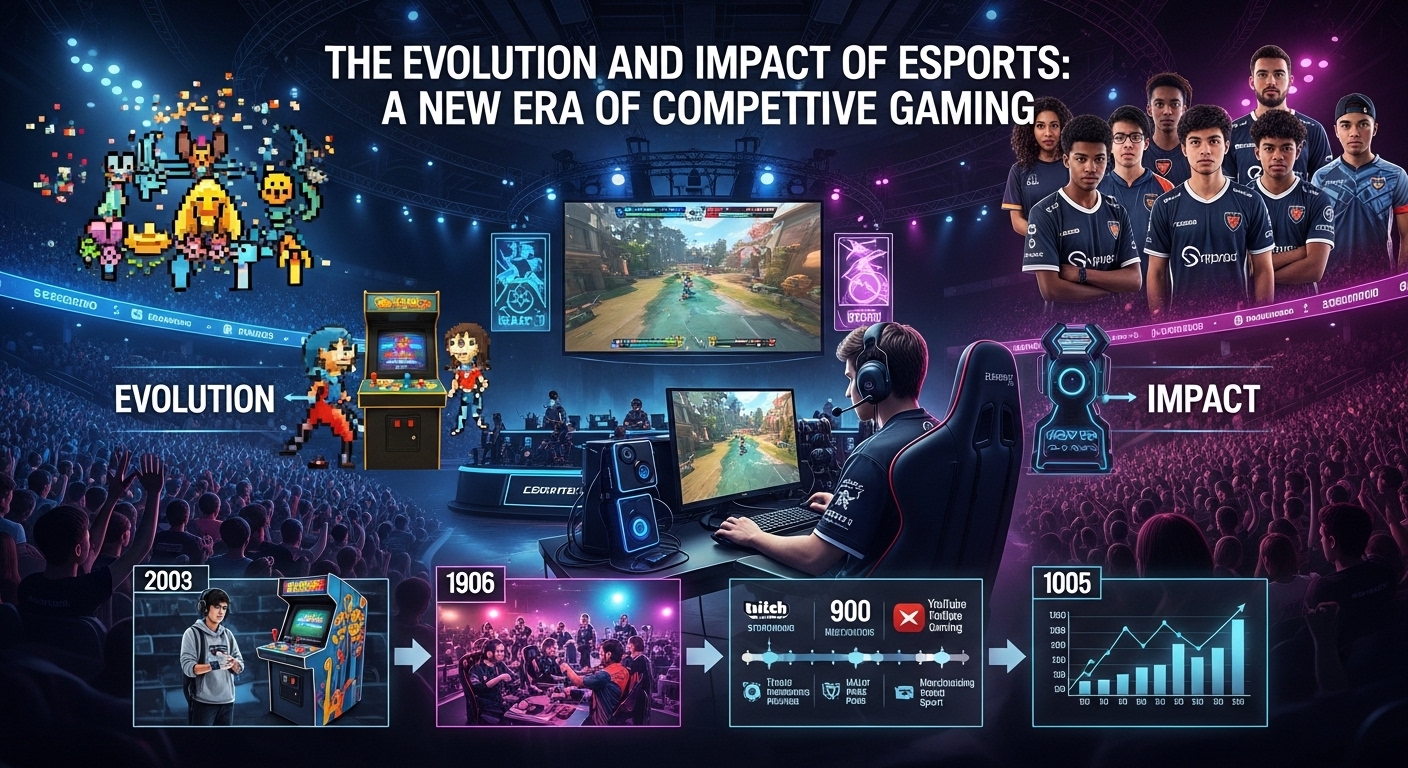
Esports, short for electronic sports, has grown from a small community of video game enthusiasts into a global phenomenon. What was once considered a casual pastime is now recognized as a legitimate competitive and professional field, with millions of players, fans, and investors involved. Esports represents the digital transformation of traditional competition, where skill, strategy, teamwork, and dedication are just as essential as they are in physical sports. From local arcade tournaments in the 1980s to international championships filling stadiums today, the journey of Esports is one of rapid evolution and cultural significance.
The concept of Esports revolves around organized competitive gaming, where players or teams compete in specific video games across various genres. These competitions are streamed to massive audiences worldwide, attracting viewership comparable to that of traditional sports events. The increasing accessibility of the internet, advancements in gaming technology, and the rise of live-streaming platforms have all contributed to Esports’ meteoric rise.
The Early Days of Competitive Gaming
The origins of Esports can be traced back to the early days of video gaming in the 1970s and 1980s. The first recorded video game competition took place in 1972 at Stanford University, where students competed in the game Spacewar. Though modest, this event laid the groundwork for what would eventually become a billion-dollar industry.
In the 1980s, gaming competitions gained momentum with arcade titles like Pac-Man and Donkey Kong. Magazines such as Twin Galaxies and events like the Nintendo World Championships helped establish gaming as a competitive pursuit. However, these early tournaments were mostly regional, with limited technology and reach. The lack of connectivity prevented players from competing globally, but the seeds of competitive gaming had already been planted.
The Rise of Online Gaming and Esports Infrastructure
The 1990s marked a turning point in the history of Esports. With the advent of personal computers and the internet, multiplayer gaming became more accessible. Titles such as Quake, StarCraft, and Counter-Strike introduced online competition, enabling players to test their skills against opponents worldwide.
South Korea played a pivotal role during this era. The country’s government heavily invested in internet infrastructure, which led to the rise of professional gaming leagues and dedicated television channels for Esports. Games like StarCraft became national sensations, with professional players gaining celebrity status. The South Korean model of organized tournaments, sponsorships, and player salaries set the stage for the global Esports ecosystem we see today.
Popular Esports Titles That Shaped the Industry
Over time, several games have defined the Esports scene and attracted massive fan followings. Each game introduced unique elements of competition and community.
- League of Legends (LoL): Developed by Riot Games, LoL is one of the most popular Esports titles in the world. Its global tournaments, such as the World Championship, attract millions of viewers. The game’s strategic depth, team-based mechanics, and constant updates have made it a staple of competitive gaming.
- Dota 2: Known for its complexity and immense prize pools, Dota 2 has become synonymous with high-stakes competition. The International, Dota 2’s annual championship, offers multi-million-dollar rewards crowdfunded by the gaming community, making it one of the most prestigious tournaments in Esports.
- Counter-Strike: Global Offensive (CS:GO): As a tactical first-person shooter, CS:GO has been a cornerstone of Esports for decades. Its focus on strategy, reflexes, and teamwork has made it a favorite among both players and spectators.
- Fortnite: This battle royale game redefined Esports by combining entertainment, creativity, and accessibility. Fortnite’s world cup tournaments have brought young players into the spotlight, highlighting the diversity of talent in Esports.
- Overwatch, Valorant, and Call of Duty: These team-based shooters have also built strong competitive scenes with international leagues, sponsored teams, and dedicated fanbases.
Each of these games represents a distinct subculture within Esports, but all share common traits of skill mastery, community engagement, and continuous evolution.
The Growth of Esports as a Professional Career
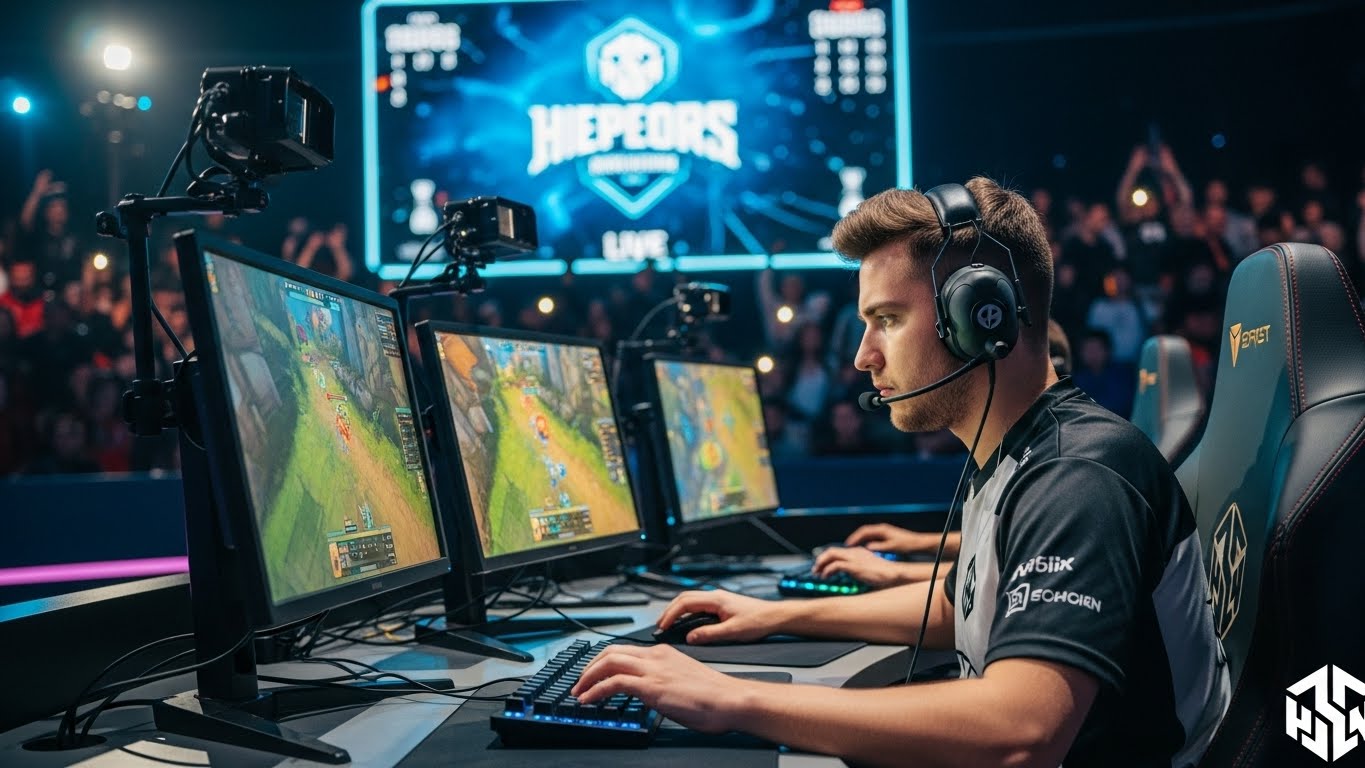
One of the most remarkable aspects of Esports is how it has transformed gaming from a hobby into a viable career path. Professional players today train rigorously, often following structured routines similar to athletes in traditional sports. Many Esports organizations provide coaching, fitness programs, nutrition plans, and mental health support to enhance performance.
Players can earn income through tournament winnings, streaming, sponsorships, and brand endorsements. Top-tier competitors often make six- or seven-figure salaries, while popular streamers gain additional revenue from online viewership. Beyond players, Esports has opened opportunities for coaches, analysts, commentators, event managers, and game developers.
Universities have even begun offering scholarships and degrees in Esports management and game design, recognizing the industry’s growing legitimacy. This formalization underscores how Esports has matured into a multifaceted profession, blending entertainment, technology, and business.
Esports as a Global Cultural Movement
Esports transcends geographical boundaries, language barriers, and cultural differences. It has unified millions of people under the shared love of gaming. International tournaments often feature teams from multiple continents, creating a sense of global camaraderie and competition.
Live events such as the League of Legends World Championship, The International, and Fortnite World Cup attract audiences that rival the viewership of major traditional sports events. These spectacles are not just competitions; they are celebrations of creativity, skill, and passion.
The cultural impact of Esports extends beyond gaming. It has influenced fashion, music, and even mainstream entertainment. Musicians perform at Esports events, fashion brands collaborate with gaming teams, and celebrities invest in Esports organizations. This cross-industry synergy has further cemented Esports’ place in modern pop culture.
The Role of Streaming and Digital Platforms
The rise of streaming platforms has been instrumental in propelling Esports into the mainstream. Platforms like Twitch, YouTube Gaming, and Facebook Gaming allow fans to watch tournaments live, follow their favorite players, and interact with the gaming community in real time.
Unlike traditional sports broadcasting, streaming is interactive and personal. Viewers can engage with players, participate in live chats, and even influence game-related decisions. This level of engagement creates a deeper connection between fans and players, fostering a sense of belonging within the community.
Moreover, streaming has democratized Esports. Anyone with talent and dedication can build a following and compete at higher levels. It has blurred the line between professional athletes and content creators, leading to a dynamic and inclusive ecosystem.
Esports Economics and Industry Growth
The Esports industry has grown into a multi-billion-dollar global market. Revenues come from various sources, including sponsorships, advertising, ticket sales, merchandising, and media rights. Major corporations and brands see Esports as a powerful marketing platform for reaching younger, tech-savvy audiences.
Franchised leagues, similar to those in traditional sports, have emerged. Examples include the Overwatch League and League of Legends Championship Series, where teams are owned by major investors, including sports franchises and celebrities. The presence of these entities has added financial stability and professionalism to the Esports structure.
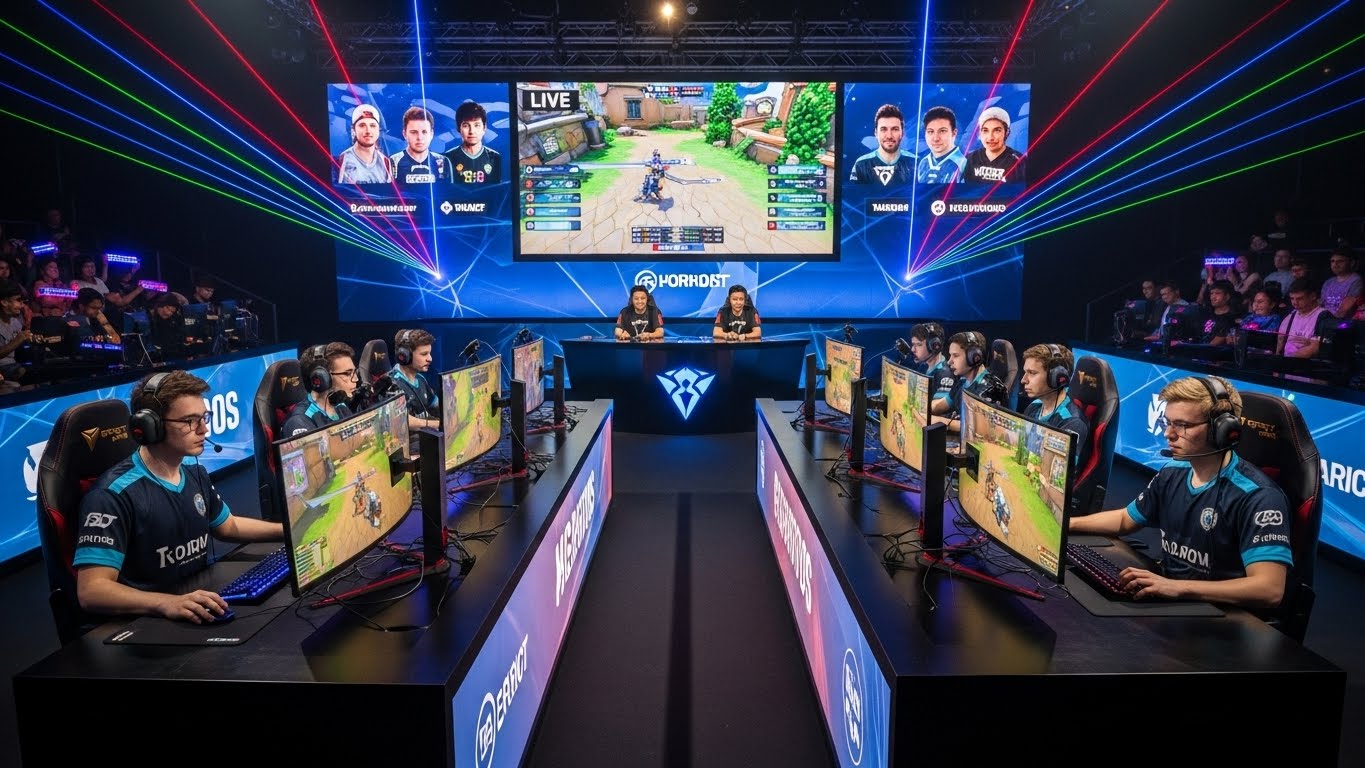
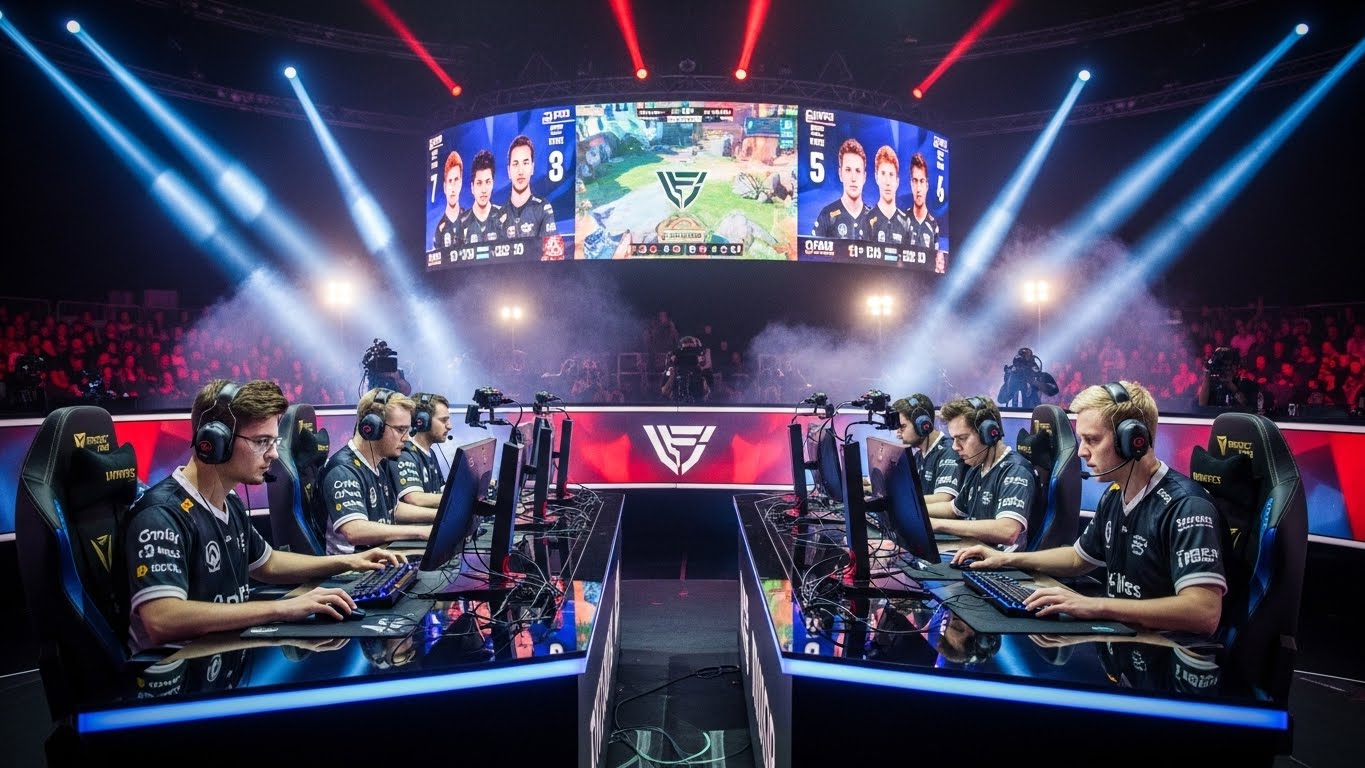
Furthermore, Esports venues and arenas have been built specifically for gaming events. These high-tech facilities provide immersive experiences for both players and spectators, blending digital and physical entertainment in unique ways.
The Psychological and Social Aspects of Esports
While Esports is a competitive industry, it also carries significant psychological and social elements. For many players, gaming is not just about competition but also about self-expression, creativity, and connection. Online communities allow individuals from diverse backgrounds to collaborate, form friendships, and find belonging.
However, the demanding nature of professional gaming can lead to stress, burnout, and performance anxiety. Long training hours and constant public scrutiny can affect players’ mental health. Recognizing this, organizations have begun prioritizing psychological support and work-life balance for players.
Esports has also helped break stereotypes about gaming being an isolating activity. In reality, teamwork, communication, and leadership are essential in competitive gaming. Players develop critical thinking, problem-solving, and decision-making skills—attributes valued in various professional fields.
Esports and Education
The integration of Esports into educational institutions has been one of the most exciting developments in recent years. Schools and universities worldwide are creating Esports programs that focus on both competition and academic development.
These programs teach students about marketing, event management, digital media, and technology, in addition to gaming skills. By combining education and entertainment, Esports provides students with new opportunities to pursue their passions while building valuable career skills.
Some schools even use gaming to promote teamwork and cognitive development among students. Esports clubs foster community engagement and inspire confidence, encouraging students to think critically and work collaboratively.
Esports and Traditional Sports: A Comparative View
The relationship between Esports and traditional sports is evolving rapidly. While they differ in physical intensity, both share the same core principles of discipline, strategy, and competition. Traditional sports organizations have begun embracing Esports by forming their own teams, sponsoring tournaments, and hosting hybrid events.
For instance, football clubs and basketball franchises have invested in Esports teams, recognizing the potential to engage with younger audiences. This crossover highlights the mutual respect between digital and physical sports and signals a future where the two industries will coexist and collaborate.
Challenges and Criticisms Facing Esports
Despite its success, Esports faces several challenges. The industry’s rapid growth has brought issues related to player welfare, integrity, and regulation. Match-fixing, cheating, and lack of standardized rules have occasionally tarnished the reputation of certain tournaments.
Another challenge lies in sustainability. The short career span of professional gamers and the pressure to constantly perform can lead to early retirement and burnout. There is also an ongoing debate about the role of violence in certain Esports titles and its influence on younger audiences.
Addressing these concerns requires collaboration among developers, teams, regulators, and educational institutions. The focus should remain on creating a balanced ecosystem that supports both professional competition and community well-being.
The Future of Esports
The future of Esports looks promising, with continued innovation on the horizon. Advancements in virtual reality, artificial intelligence, and augmented reality could redefine how games are played and experienced. The integration of blockchain and digital ownership may revolutionize in-game economies and fan engagement.
Mobile Esports is another growing trend, especially in regions like Asia, Africa, and South America, where smartphones are more accessible than gaming PCs. Games like PUBG Mobile and Mobile Legends are expanding the reach of competitive gaming to millions of new players.
Esports will also continue to blend with entertainment and media, offering interactive experiences that go beyond traditional viewing. Fans may soon participate directly in tournaments through immersive technologies, blurring the line between spectatorship and participation.
Conclusion
Esports has evolved from a niche pastime into a global powerhouse that unites technology, creativity, and human skill. It has changed how we perceive gaming, competition, and entertainment, redefining what it means to be an athlete in the digital age.
From humble beginnings to sold-out arenas, Esports stands as a testament to human innovation and the universal desire to compete, connect, and achieve greatness. Its influence will only continue to grow, shaping future generations of gamers, professionals, and dreamers who see no boundary between the digital and real worlds.
Esports is not just the future of gaming—it is the future of global culture itself.