Sports have always held a central place in human life. Beyond physical activity, they represent culture, competition, and community. From ancient civilizations to modern professional leagues, sports have evolved into a global phenomenon, influencing social structures, entertainment, and personal development. They are more than games; they are a reflection of human ambition, resilience, and collaboration.
This blog explores the history of sports, their cultural and social impact, the role of technology, economic significance, and how sports continue to inspire individuals and communities worldwide.
The Historical Roots of Sports
Sports have existed since the earliest days of human civilization. Archaeological evidence shows that ancient societies engaged in physical competitions, including running, wrestling, archery, and ball games. These early activities served multiple purposes: entertainment, physical training, and preparation for hunting or warfare.
The Ancient Greeks formalized athletics through events like the Olympic Games, which combined competition, ritual, and celebration. Similarly, ancient China, Egypt, and the Americas developed their own competitive activities, from martial arts and archery contests to ball games with cultural and religious significance. These early forms of sports laid the foundation for structured competition, teamwork, and fair play that persists today.
Evolution of Modern Sports
Modern sports began to take shape during the 19th and early 20th centuries. Standardized rules, organized clubs, and leagues emerged, transforming informal games into structured competitions. Football, cricket, rugby, and tennis became widely recognized with official governing bodies and international tournaments.
The industrial revolution and urbanization allowed people more leisure time, increasing public interest in athletic events. Schools and universities introduced sports programs to promote discipline, teamwork, and physical fitness. Over time, international competitions like the Olympics and World Cup provided a platform for nations to showcase talent, fostering unity and global camaraderie.
Sports as a Cultural Force
Sports extend beyond physical activity—they are a vital cultural phenomenon. Major events like the Super Bowl, FIFA World Cup, and the Olympics become global celebrations, capturing attention across nations. Sports influence music, fashion, and media, creating shared experiences that unite fans regardless of geography.
Athletes often become cultural icons, symbolizing national pride, perseverance, and achievement. Their victories and stories inspire communities and motivate individuals to pursue personal excellence. The narratives of triumph, struggle, and resilience in sports often mirror broader societal values, making sports an integral part of cultural identity.
Social Benefits of Sports
Participation in sports brings numerous social benefits, promoting personal growth and community engagement.
Youth Development
For children and adolescents, sports teach essential life skills. Team sports encourage communication, leadership, discipline, and resilience. They provide opportunities to navigate success and failure, build self-confidence, and develop problem-solving abilities. Sports also instill healthy habits that promote long-term physical and mental well-being.
Community Building
Sports serve as a unifying force within communities. Local leagues, school teams, and recreational activities create social bonds, foster inclusion, and encourage collaboration. Spectator sports also provide shared experiences that bring people together, strengthening communal ties and promoting cultural exchange.
Promoting Equality and Inclusivity
Adaptive sports programs and inclusive leagues ensure participation for individuals with disabilities, promoting empowerment and challenging societal barriers. Events like the Paralympics and Special Olympics celebrate skill, determination, and achievement, demonstrating that sports can transcend physical limitations.
The Economic Impact of Sports
The sports industry is a significant contributor to the global economy. Professional leagues, tournaments, sponsorships, broadcasting rights, and merchandising generate billions in revenue annually. Major sporting events stimulate local economies through tourism, hospitality, and infrastructure development.
Athletes themselves are major economic drivers. Endorsements, merchandise, and personal branding contribute to the broader financial ecosystem of sports. Sports-related industries, such as sports medicine, coaching, marketing, and technology, also provide employment opportunities and drive innovation.
The Role of Technology in Sports
Technology has revolutionized how sports are played, analyzed, and consumed.
Performance Enhancement
Advanced tracking tools, wearables, and data analytics help athletes optimize training, monitor health, and prevent injuries. Metrics such as heart rate, speed, endurance, and recovery times allow for personalized training regimens, ensuring peak performance and longevity in athletic careers.
Fairness and Accuracy
Instant replay systems, goal-line technology, and video assistant referees enhance fairness and reduce human error. These innovations increase trust in competition and ensure that results are determined by skill rather than controversy.
Fan Engagement
Digital platforms allow fans to follow live events, interact with athletes, and access behind-the-scenes content. Social media, apps, and streaming services have transformed the spectator experience, making sports more interactive and accessible than ever.
Psychological Benefits of Sports
Sports offer profound psychological benefits. Regular participation reduces stress, improves mood, and enhances mental focus. Physical activity stimulates the release of endorphins, contributing to emotional well-being.
Team environments provide social support, camaraderie, and a sense of belonging. Competing in sports also develops mental toughness, teaching athletes to cope with pressure, setbacks, and adversity while fostering patience, resilience, and confidence.
Major Global Sports
Sports vary widely across regions, but certain disciplines have achieved global popularity.
Football
Football, or soccer, is the world’s most popular sport, played and followed by millions on every continent. Its simplicity and accessibility make it a global phenomenon, and events like the FIFA World Cup unite fans from diverse cultures.
Basketball
Basketball enjoys international appeal, particularly in North America, Asia, and Europe. Professional leagues like the NBA showcase elite athletic talent and attract fans worldwide.
Cricket
Cricket holds cultural significance in South Asia, Australia, and the Caribbean. Tournaments such as the ICC Cricket World Cup are celebrated events, blending athleticism with national pride.
Athletics and Combat Sports
Track and field, boxing, martial arts, and other combat sports highlight endurance, speed, and skill. These sports are staples of major competitions, including the Olympic Games, and showcase the full range of human physical potential.
Challenges in Sports
Despite the many benefits, the world of sports faces challenges that require attention.
Athlete Burnout
The pressure to perform can lead to physical and mental exhaustion. Balanced training schedules, mental health support, and recovery programs are essential for sustaining long-term performance.
Fair Play and Ethics
Doping, match-fixing, and financial inequalities threaten the integrity of sports. Governing bodies continually implement regulations and monitoring systems to promote fairness and transparency.
Accessibility
Economic and social barriers can limit access to sports. Ensuring that communities have access to facilities, coaching, and programs is crucial for developing talent and fostering widespread participation.
The Future of Sports
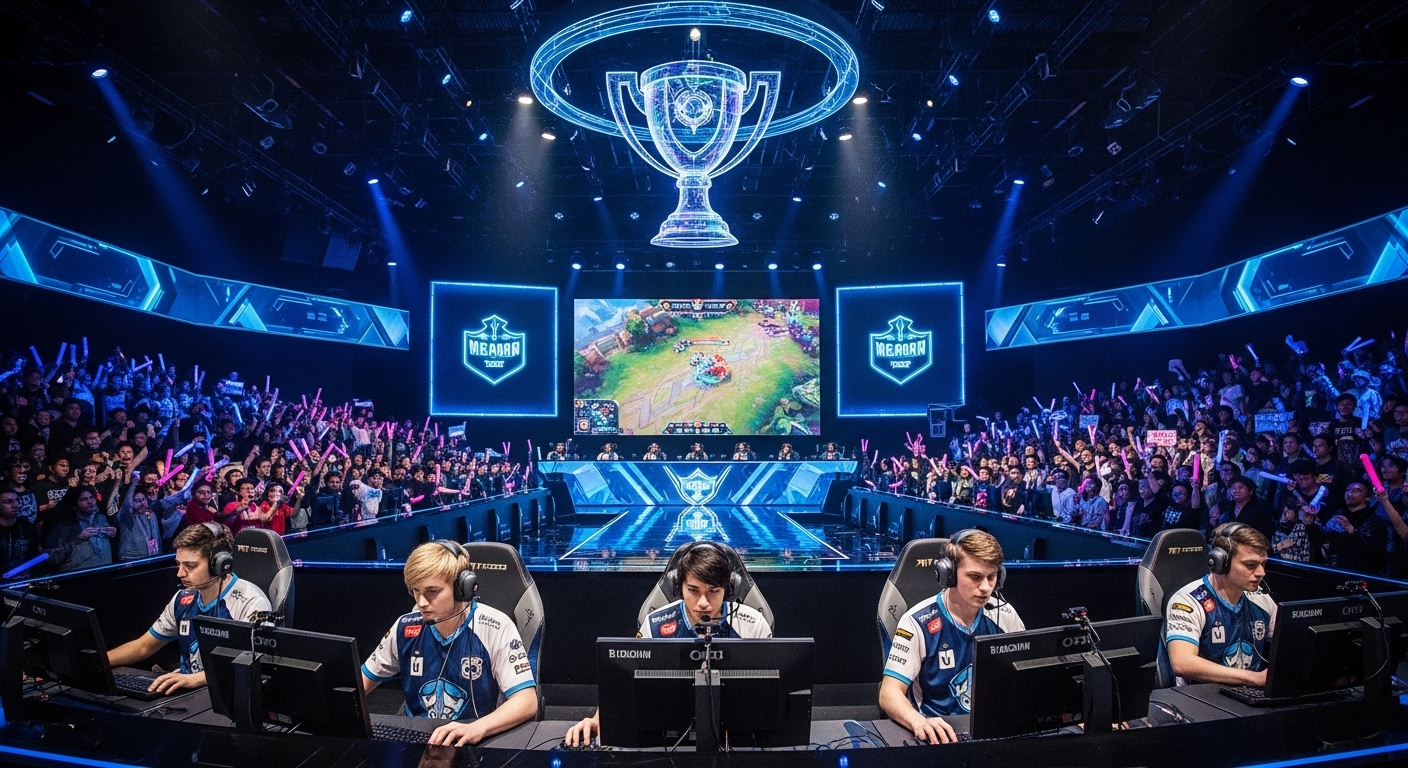
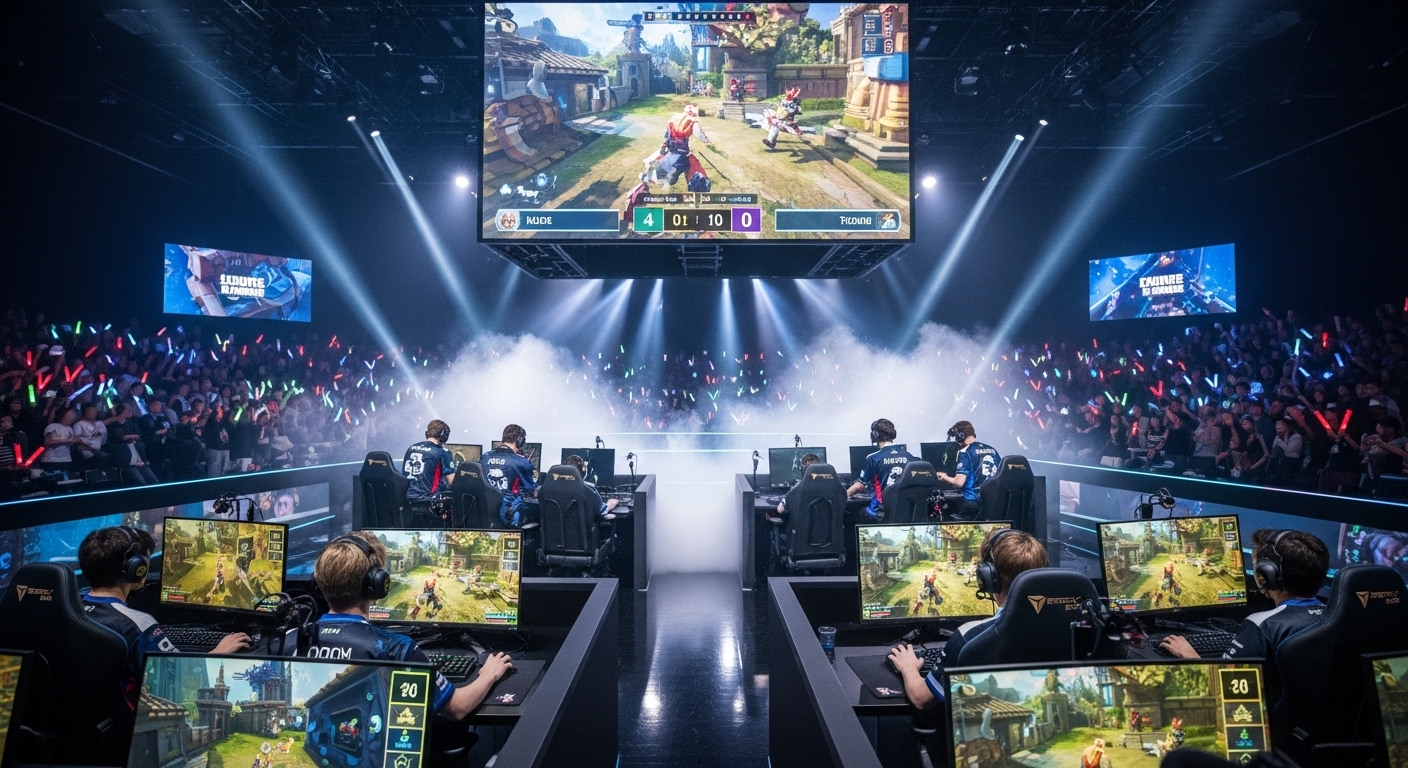
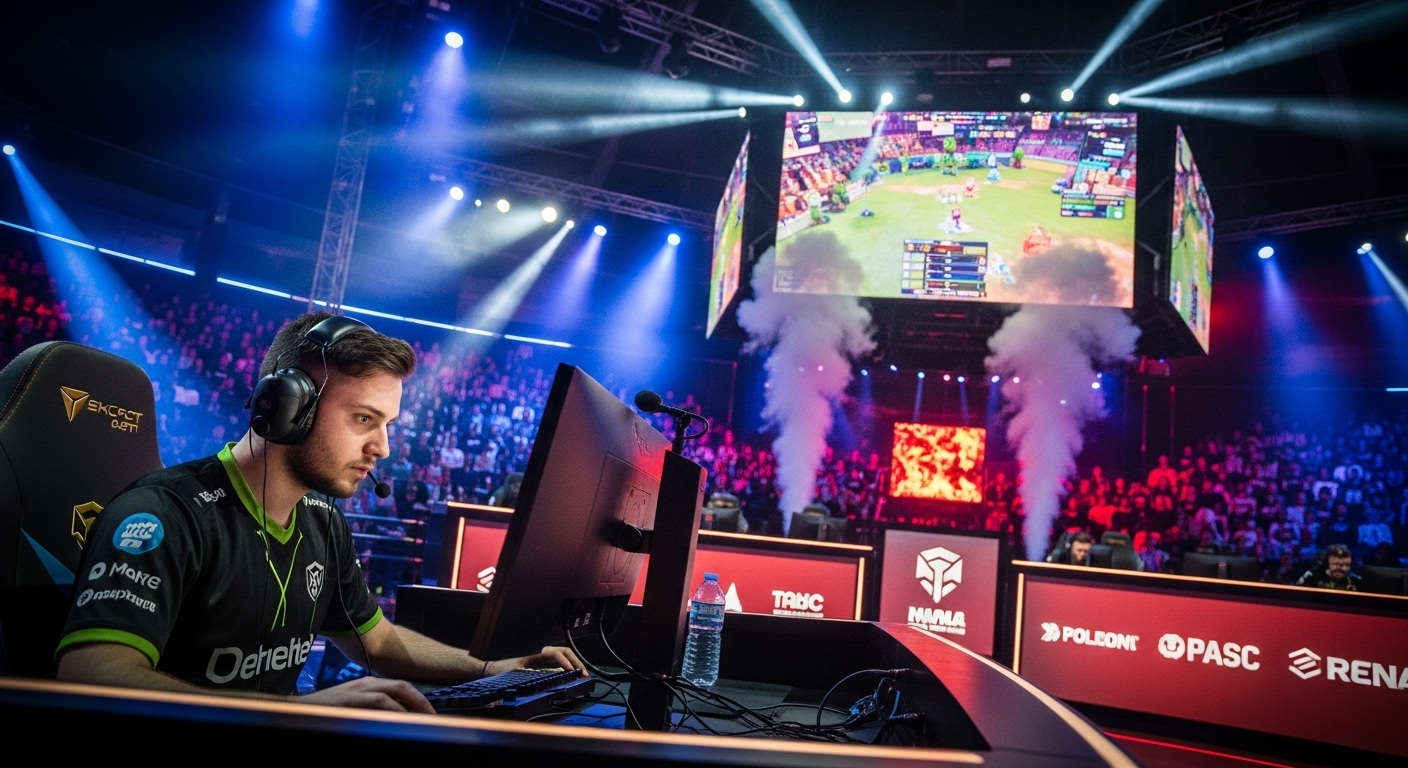
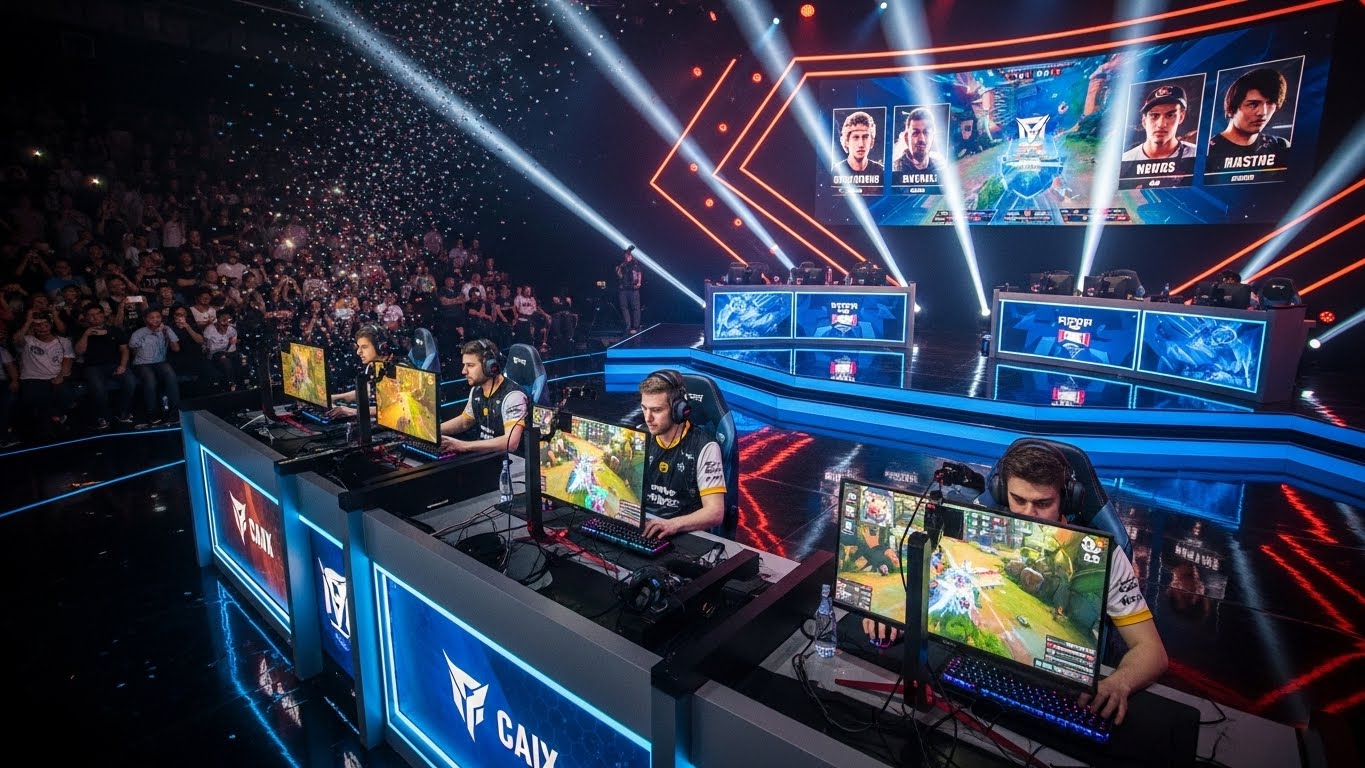
The future of sports is shaped by technology, globalization, and changing societal values. Virtual and augmented reality may enhance fan engagement, creating immersive experiences that complement live events. Esports and interactive competitions will increasingly intersect with traditional sports, expanding the definition of athletic competition.
Sustainability will become central to the organization of events, from eco-friendly stadiums to responsible tourism practices. Sports will continue to inspire youth, unite communities, and drive innovation, ensuring its role as a vital component of human culture.
Conclusion
Sports are far more than games—they are a reflection of human potential, cultural identity, and community spirit. From ancient traditions to modern professional leagues, they inspire excellence, build character, and foster connections across societies.
As technology advances and global communities continue to evolve, sports will remain a dynamic force in our lives, shaping culture, promoting well-being, and uniting people around the shared love of play, competition, and achievement.