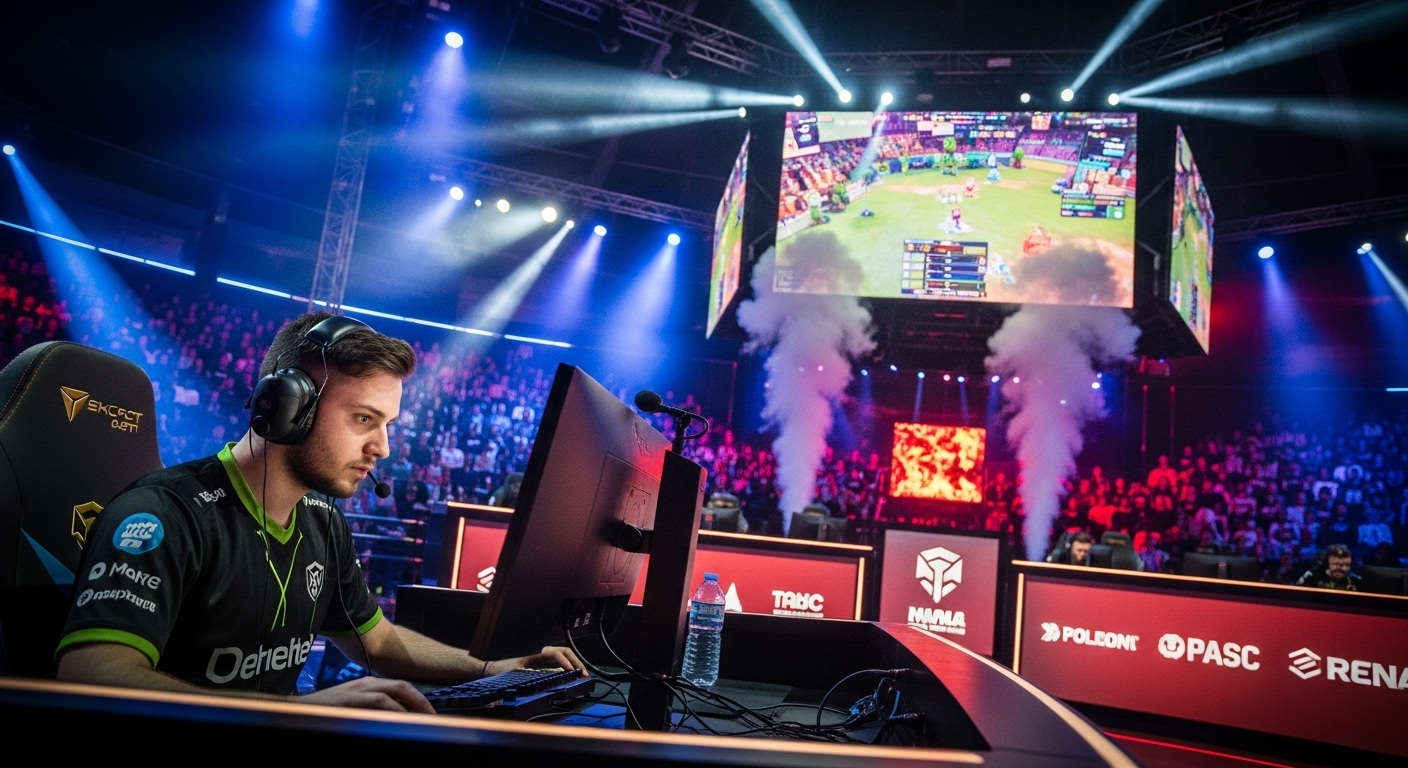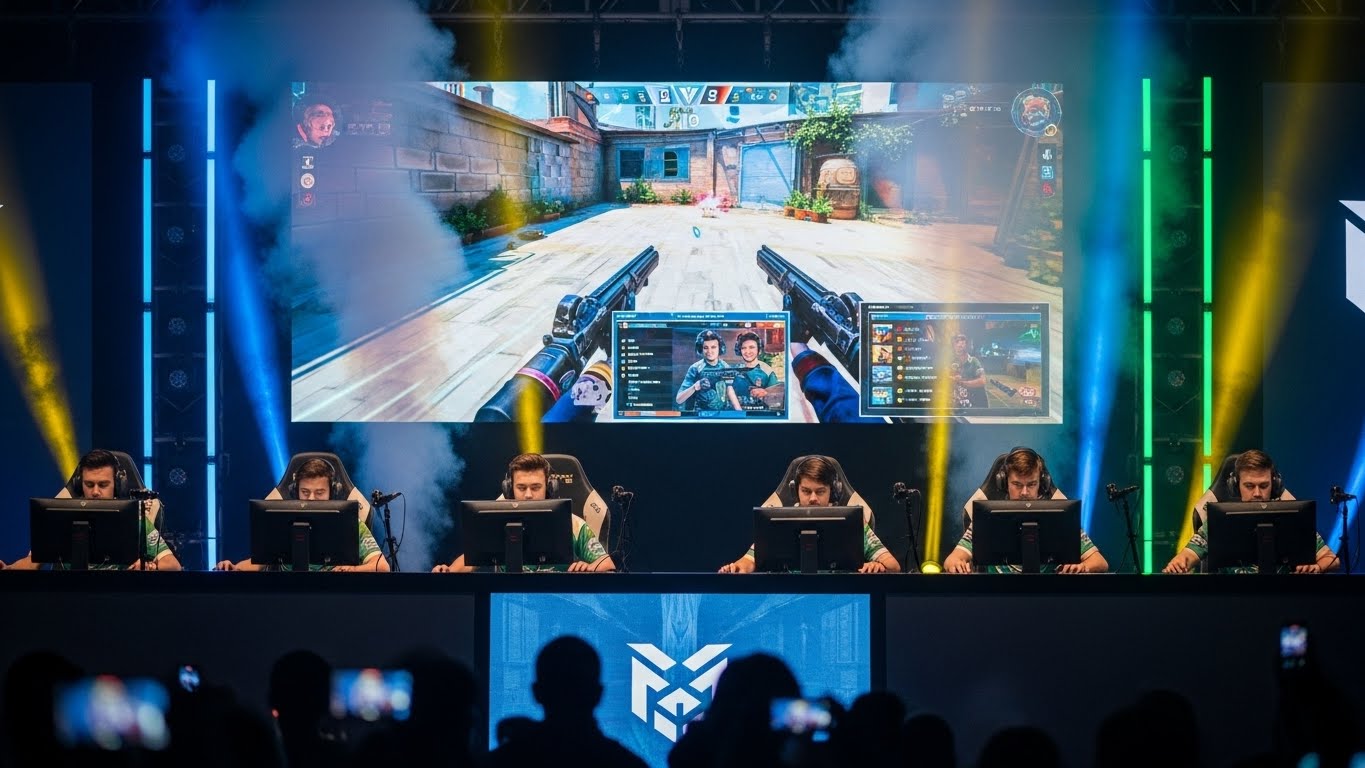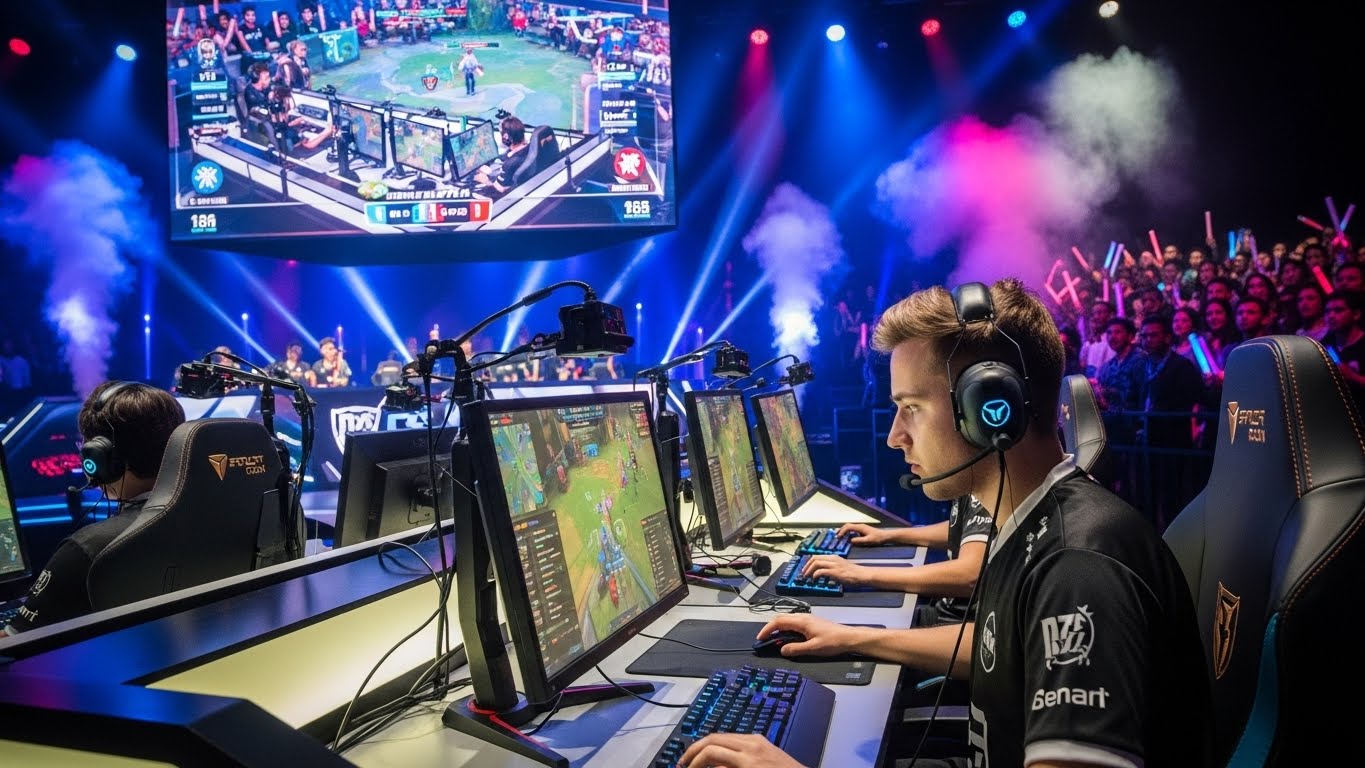
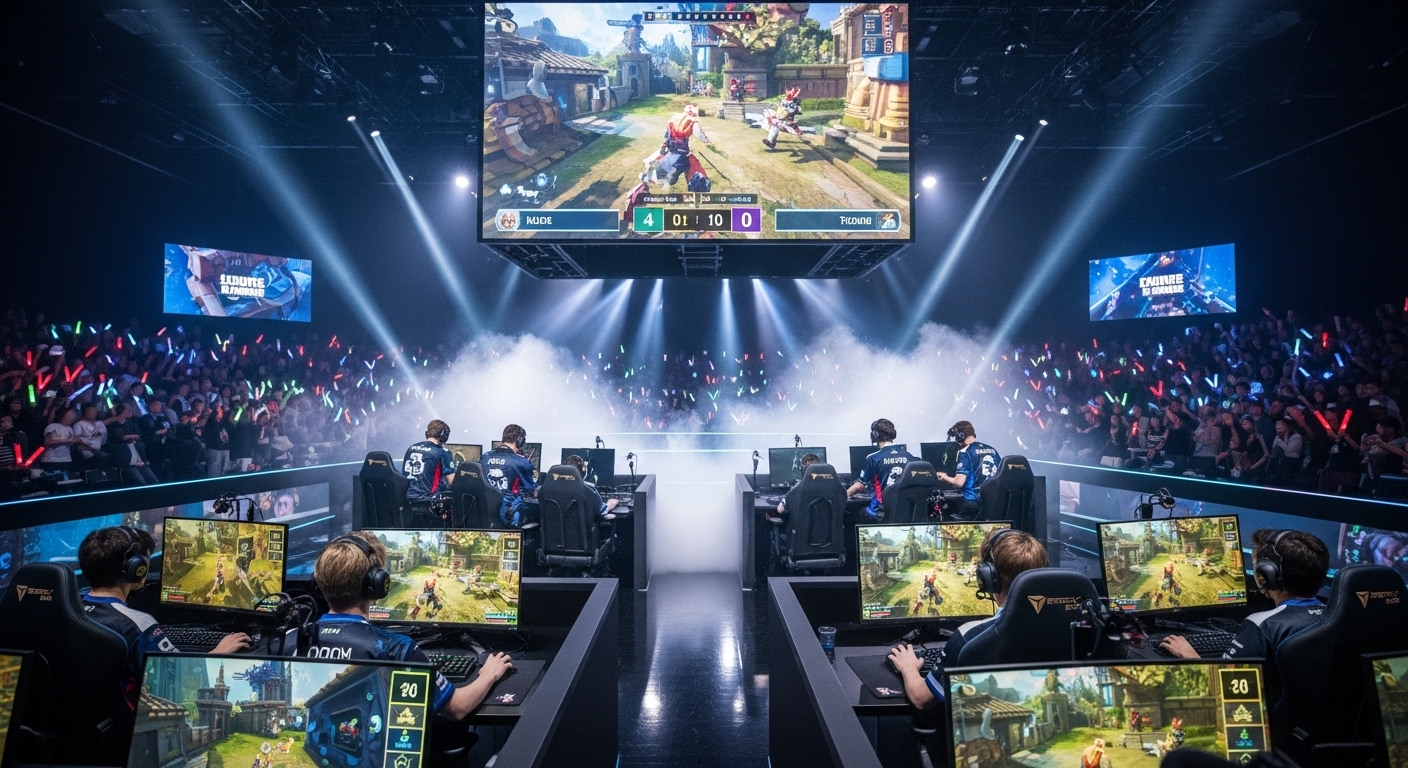
Esports have grown from a niche hobby to a global phenomenon, with millions of fans, professional players, and teams competing at the highest levels. Among the games that have propelled this revolution, Blizzard’s Overwatch stands out as one of the most successful and influential titles. With the release of Overwatch 2, Blizzard is not just building on its predecessor but redefining how competitive gaming is experienced by players, teams, and fans alike.
In this blog post, we’ll dive deep into Overwatch 2 and explore how Blizzard is pushing the boundaries of esports, from its innovative gameplay changes to its robust infrastructure designed for both competitors and viewers.
1. The Evolution of Overwatch to Overwatch 2
When Blizzard first released Overwatch in 2016, it was met with critical acclaim for its fresh approach to first-person shooters. The game’s team-based format, diverse cast of characters, and emphasis on strategy over raw aiming skills set it apart from other shooters. Overwatch became an instant hit, both as a casual game and as an esport.
However, as the competitive gaming landscape evolved, Blizzard realized that the Overwatch esports ecosystem needed to evolve as well. Overwatch 2 is the next step in that evolution, not only in terms of gameplay but also in the structure of the game itself. The move from 6v6 to 5v5 gameplay in Overwatch 2 is one of the most significant changes, aiming to streamline gameplay and make matches more dynamic and fast-paced.
Changing the Core of the Game
The most noticeable change in Overwatch 2 is the shift from a 6v6 to a 5v5 format. This decision was driven by the desire to make each match more focused, allowing individual players to have a larger impact on the outcome. With one less player on each team, the roles of tanks, healers, and DPS (damage per second) players become more crucial. The reduced number of players also means less clutter on the screen, making it easier for players and viewers to follow the action.
For competitive players, this change demands new strategies, positioning, and team coordination. It’s not just about the number of kills a player gets; it’s about the timing of abilities, the positioning of support players, and the synergy between the remaining two tanks (as the tank role was also reduced from two to one per team). For fans watching at home, the change makes matches easier to understand, which is a key factor in broadening the esports audience.
2. Revamped Competitive System: Building a Stronger Ecosystem
Blizzard’s commitment to esports isn’t just about making the game fun for players—it’s also about creating a solid, sustainable competitive ecosystem. With Overwatch 2, Blizzard has taken steps to enhance the competitive system to make it more engaging for both professional players and casual fans.
Introduction of Ranked 2.0
In Overwatch 2, the ranked system has received a major overhaul. The introduction of the “Ranked 2.0” system aims to create a more refined and fair competitive experience. Gone are the days of frustrating matchmaking and unpredictable skill rankings. Now, the system offers players more transparency and consistency in how their progress is tracked.
Ranked 2.0 introduces a new ranking structure based on competitive divisions, and each division has clearer boundaries and rewards for progression. Players can now track their skill rating (SR) more effectively, and the competitive ladder is more reflective of their true skill level.
The new system also integrates regular “seasons,” which offer players specific goals, rewards, and challenges, keeping the competitive scene fresh and engaging. This change is not only for casual players but also sets the tone for professional players aiming to compete in the Overwatch League (OWL), Blizzard’s premier esports competition.
Overwatch League and the Future of Esports
The Overwatch League (OWL) has been the cornerstone of Blizzard’s competitive esports scene since its inception. With the release of Overwatch 2, Blizzard has continued to evolve the OWL by incorporating the game’s new mechanics and balancing changes. The OWL now features more streamlined schedules, better production quality, and a global approach that brings together teams from around the world.
By adopting a more traditional sports league model with city-based teams and franchises, the OWL has set a new standard for esports leagues. Cities like Paris, London, and Seoul now have their own teams, creating a sense of pride and community around the sport. Overwatch 2 promises to expand this model by incorporating better audience interaction, larger live event formats, and enhanced viewer experiences through the integration of augmented reality and immersive broadcasts.
3. Spectator Experience: Making Esports More Accessible
One of Blizzard’s main objectives with Overwatch 2 is to make esports more accessible to a global audience. By refining both the competitive gameplay and the spectator experience, Blizzard has elevated the level of entertainment for fans watching from home or in the stands.
Broadcast Innovation: Engaging the Audience
The integration of Overwatch 2’s new features into live broadcasts is designed to make watching matches more engaging. Blizzard is heavily investing in broadcast technology, using augmented reality (AR) and improved game analysis tools to make matches more dynamic and interactive for viewers. By providing real-time analytics, heatmaps, and interactive commentary, Blizzard is giving fans a deeper understanding of what’s happening on-screen. These enhancements allow spectators to follow the action more easily, especially in a game that can sometimes be chaotic with so many abilities and characters in play.
Blizzard is also working on improving the user interface for live broadcasts. The spectator tools allow for instant replays, multi-camera views, and in-depth tactical breakdowns of plays, making it easier for fans to track strategies and pivotal moments during a match.
Building a Stronger Fanbase: Inclusive and Engaging Events
Esports is not just about the players; it’s about the community. Overwatch 2 has been designed with fan engagement at its core, with more opportunities for interaction during live events, tournaments, and matches. By creating fan-centered experiences, Blizzard is fostering a sense of inclusion and excitement that traditional sports often struggle to achieve.
Blizzard is enhancing its digital platforms to allow fans to interact with players in real-time, ask questions during broadcasts, and participate in community events. The use of social media, live-streaming platforms, and fan-driven events has built a strong, loyal Overwatch community that engages deeply with the game.
4. Game Balance: Continuous Improvement for Competitive Integrity
One of the most challenging aspects of maintaining a successful esports ecosystem is keeping the game balanced. Blizzard understands that player feedback is crucial in fine-tuning Overwatch 2 to ensure that the competitive integrity of the game remains intact.
Regular Patches and Balancing
To maintain fairness and excitement, Overwatch 2 features regular balance updates that address character abilities, weapon mechanics, and map design. These updates are released based on data gathered from both the competitive community and the Overwatch League itself. By constantly evolving the game, Blizzard ensures that no one character or strategy becomes overpowered, keeping matches fresh and competitive.
The addition of new heroes and maps in Overwatch 2 also plays a key role in maintaining game balance. By introducing diverse playstyles and new strategies, Blizzard ensures that the game never grows stale or predictable. The introduction of more frequent updates ensures that players and teams can never be too comfortable with old strategies.
5. The Future of Overwatch 2 and Esports
As Overwatch 2 continues to evolve, Blizzard is setting the stage for an even brighter future for esports. The game’s emphasis on competitive integrity, fan engagement, and broadcast innovation is just the beginning. As technology continues to advance, we can expect even more immersive experiences for fans, from virtual reality broadcasts to interactive spectator tools. Additionally, Overwatch 2’s ongoing focus on expanding its esports infrastructure means that the Overwatch League will continue to grow and provide opportunities for players around the world.
Blizzard’s continued commitment to improving the game and its esports ecosystem is evident. The company’s work on enhancing both the player experience and the fan experience shows that it is not simply satisfied with the current state of esports but aims to lead the charge in innovation.
Conclusion: A New Era for Esports
With the launch of Overwatch 2, Blizzard has proven its commitment to shaping the future of competitive gaming. By embracing technological innovation, improving gameplay balance, and building a robust esports infrastructure, Overwatch 2 is redefining what it means to be an esports title in the 21st century.
Whether you’re a professional player, a casual fan, or a competitor in the making, the changes in Overwatch 2 offer something for everyone. The game’s innovative approach to both the gameplay and esports ecosystem promises to keep it at the forefront of the esports industry for years to come. With its dynamic gameplay, engaging fan experiences, and global reach, Overwatch 2 is leading the charge in the ongoing evolution of esports.