Introduction: A New Era of Digital Sports
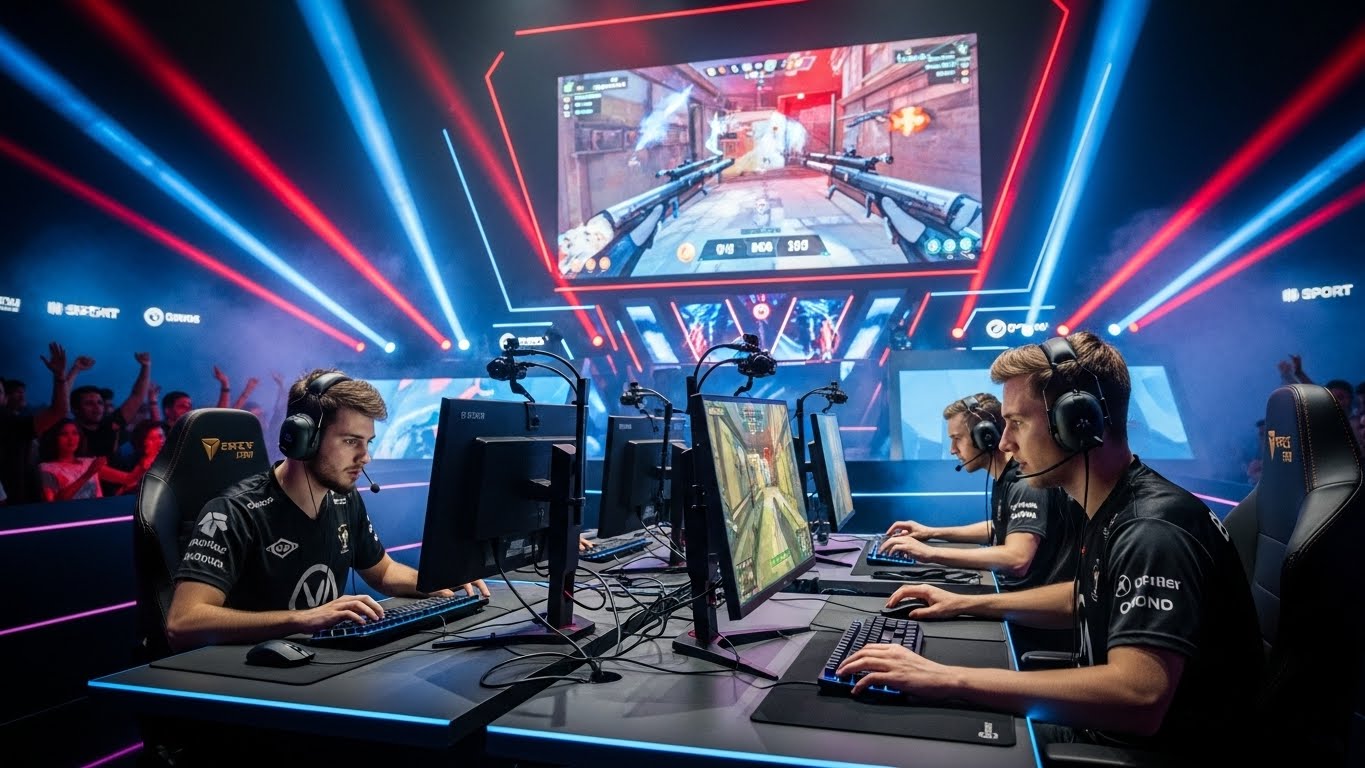
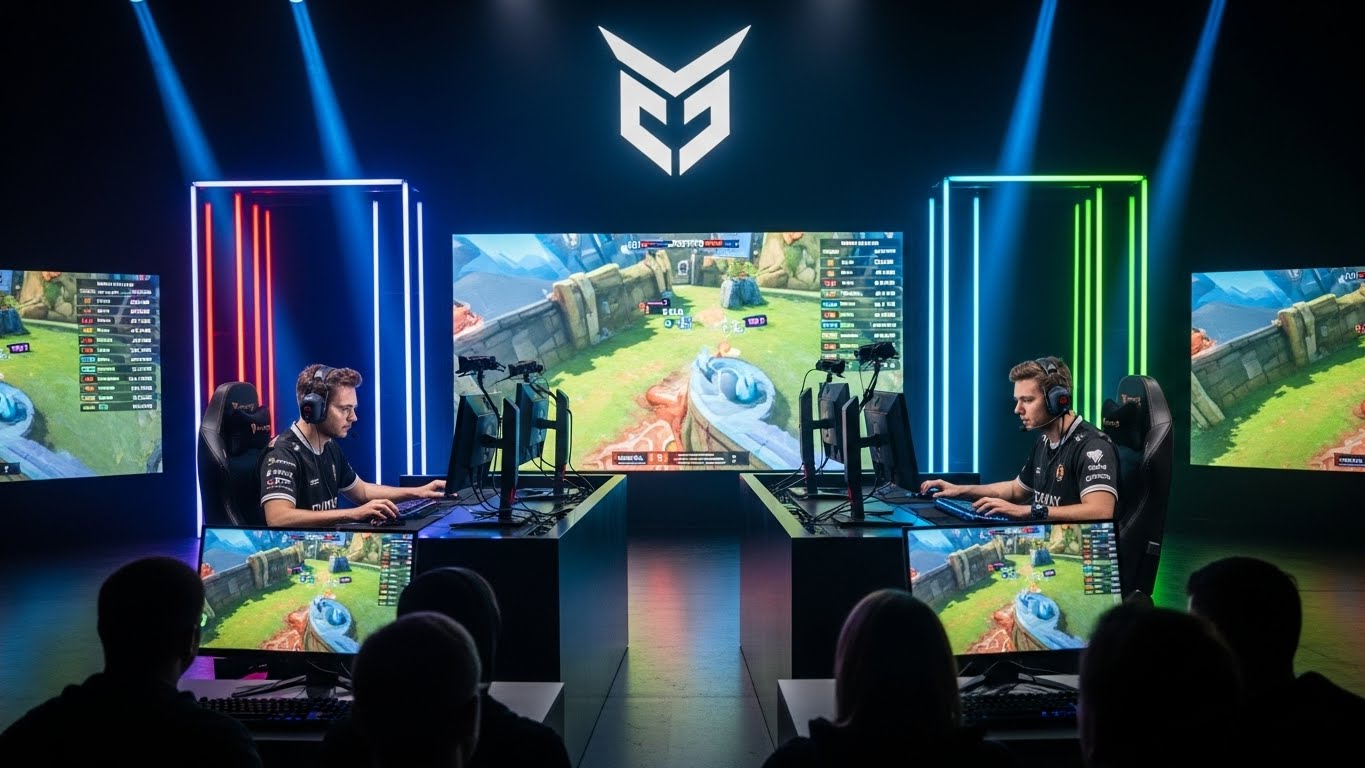
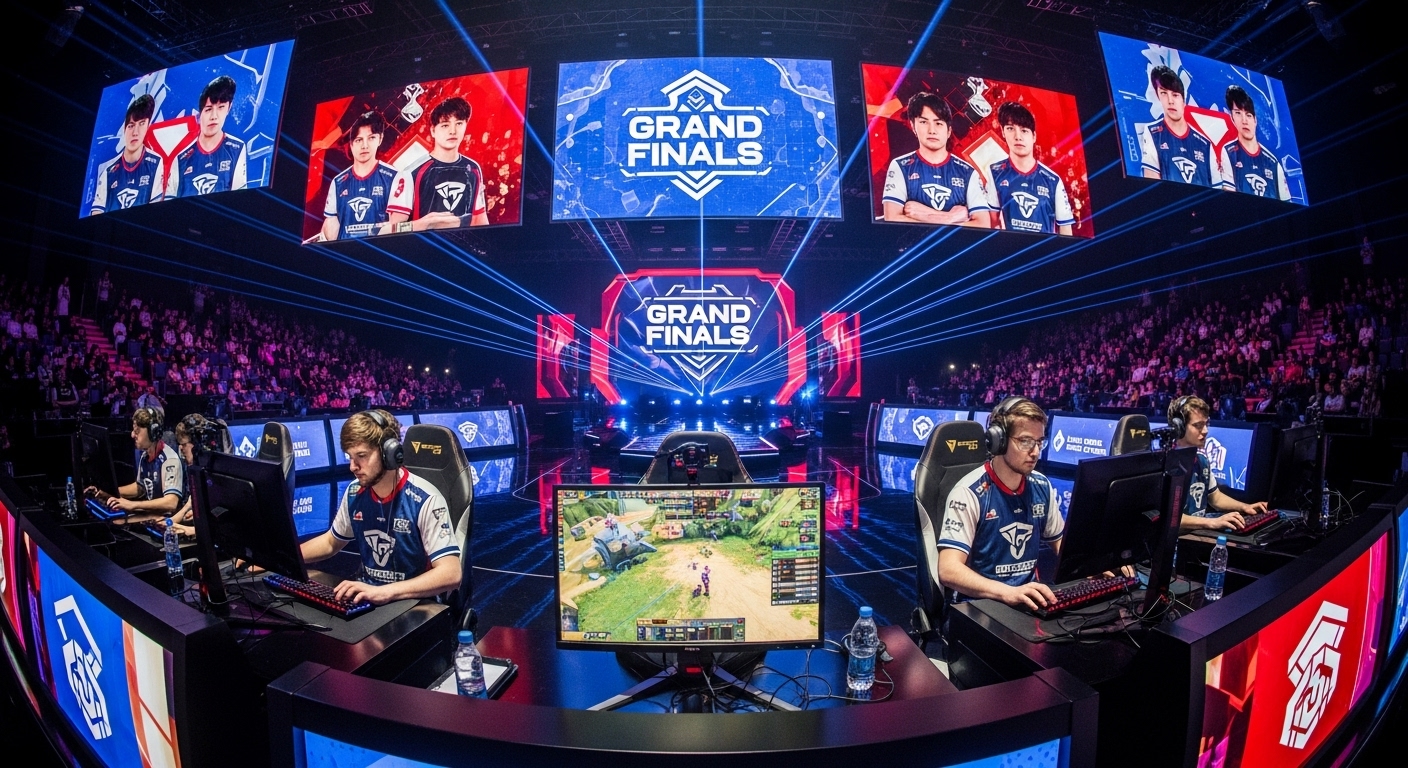
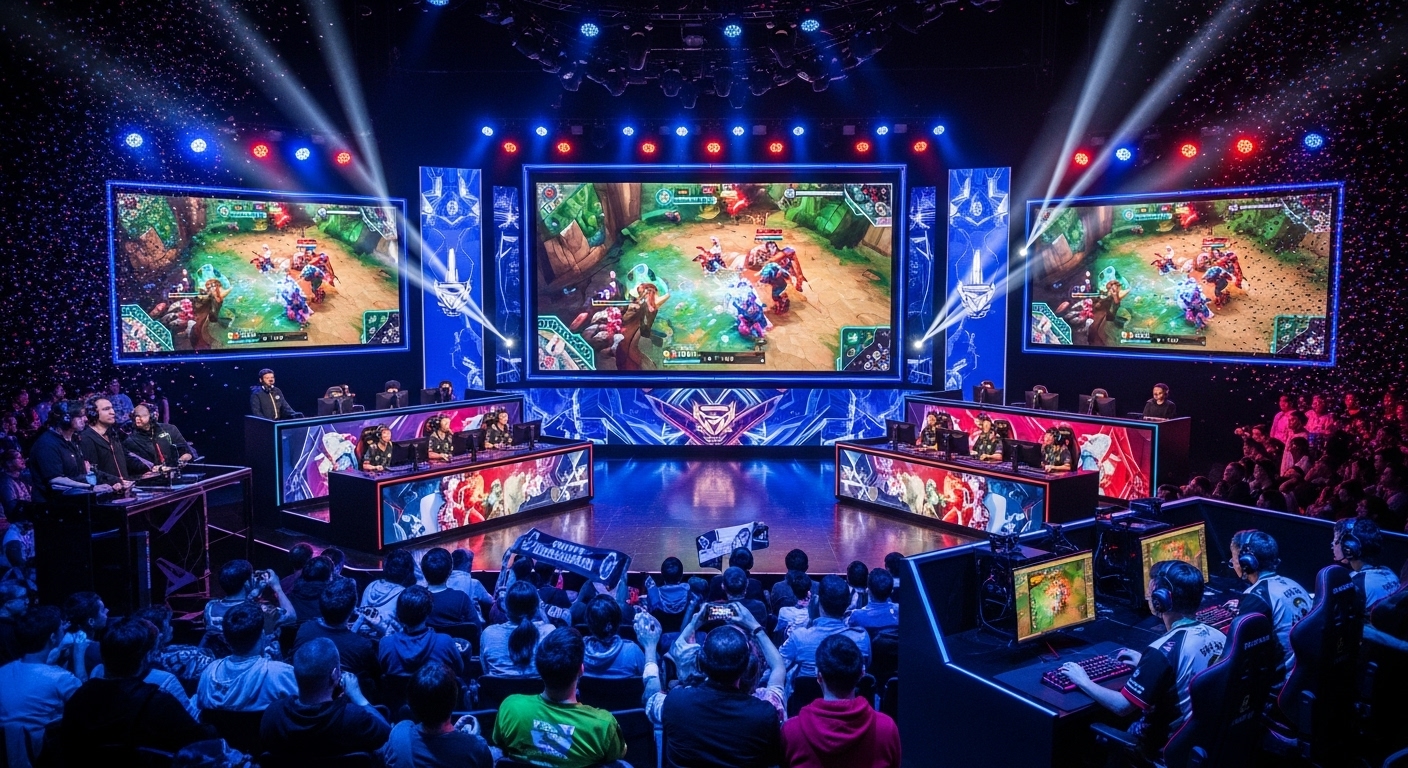
Esports, or competitive video gaming, has skyrocketed in popularity over the past decade. Once seen as a pastime for tech enthusiasts, gaming has evolved into a massive global industry with professional leagues, millions of dedicated fans, and career opportunities for players, coaches, analysts, and broadcasters. What started as casual competitions in arcades has now become a legitimate form of sports entertainment with worldwide appeal. Esports tournaments, offering multi-million-dollar prize pools, are now held in packed stadiums and broadcast to millions of viewers. In this post, we will explore how esports grew into a billion-dollar industry, its impact on society, and why it is reshaping the future of sports.
The Roots of Esports: From Local Competitions to Global Tournaments
The origins of esports can be traced back to the 1970s and early 1980s, when video games began to rise in popularity. The first competitive gaming event took place at Stanford University in 1972, where players competed in a game called Spacewar. The prize for winning the competition? A year’s subscription to Rolling Stone magazine, which highlights how much more modest the early days of esports were compared to the grand tournaments of today.
The real catalyst for the growth of esports came in the 1990s, with the arrival of online multiplayer games. Doom, Warcraft, and Quake were some of the first games that allowed players to connect over local area networks (LANs) and battle each other remotely. However, the true boom for competitive gaming came from South Korea, where the government’s investment in broadband infrastructure helped cultivate a dedicated esports culture. By the early 2000s, esports in South Korea had become a national obsession, with televised tournaments attracting huge audiences. This laid the foundation for the global expansion of esports.
The 2000s also saw the rise of online streaming platforms, most notably Twitch, which allowed fans to watch their favorite players and teams in real time. Streaming opened the door for a new generation of esports influencers—gamers who could reach a global audience through live broadcasts of their gameplay.
The Professionalization of Esports
As the popularity of esports grew, so did its professionalization. No longer just a hobby, esports became a career for many players. Organizations began forming competitive teams, much like traditional sports leagues, and soon, these teams were competing for significant prize pools. Major tournaments like The International (Dota 2), the League of Legends World Championship, and Counter-Strike: Global Offensive Majors became high-stakes events, drawing in millions of viewers from all over the world.
Esports players became celebrities in their own right. Professional gamers such as Faker, Ninja, and s1mple gained international fame, not only for their skill but for their personalities and their ability to connect with fans. With professional gaming came sponsorship deals, which further legitimized esports as a career. Brands such as Intel, Coca-Cola, Red Bull, and Nike now sponsor esports teams and events, recognizing the enormous potential of reaching a highly engaged, young, and tech-savvy audience.
The rise of esports as a legitimate profession also saw the establishment of full-time coaching staff, analysts, and managers. These professionals help players improve their game, develop strategies, and maintain peak mental and physical health, much like traditional sports teams do. This growing ecosystem has provided employment opportunities beyond players, creating a whole industry built around esports.
Esports as a Global Phenomenon
One of the most significant aspects of esports is its global reach. Unlike traditional sports, which are often limited to specific countries or regions, esports transcends national borders. Anyone with a computer or mobile device and an internet connection can participate in or watch an esports event. Esports has cultivated an international community of fans, with huge followings in regions like North America, Europe, Southeast Asia, and Latin America.
The digital nature of esports means that fans can watch their favorite teams and players regardless of where they are in the world. Streaming platforms such as Twitch, YouTube Gaming, and Facebook Gaming have enabled fans to watch live streams of games, follow tournaments, and even interact with players. These platforms have also allowed fans to support their favorite players and teams through subscriptions, donations, and merchandise purchases, creating an engaged and financially supported fan base.
The international scope of esports is further evident in global tournaments. Major competitions like The International attract players and teams from around the world, fostering a truly international rivalry. These events bring together players from different cultures, who share a common passion for gaming and competition. The ability to watch a team from Europe face off against one from South Korea or North America has added an exciting global dimension to esports that traditional sports can’t always replicate.
The Rise of Mobile Esports
While traditional esports have focused primarily on games played on personal computers or gaming consoles, mobile esports is one of the fastest-growing segments of the industry. With the increasing power of smartphones and the rise of mobile games like PUBG Mobile, Free Fire, and Mobile Legends, esports is now accessible to a whole new audience.
Mobile esports has allowed players from emerging markets to compete at a high level, particularly in regions like Southeast Asia, where mobile devices are more common than gaming PCs. Countries like India, Indonesia, and Brazil have seen an explosion in mobile gaming and mobile esports tournaments. This growth in mobile gaming also contributes to esports’ rise as a truly global sport, bridging the gap between regions with different levels of access to technology.
The mobile gaming revolution has led to major tournaments, such as the PUBG Mobile Global Championship, which attracts millions of viewers. It also created a new wave of sponsorship opportunities, as brands look to tap into the massive mobile gaming audience. The popularity of mobile esports only shows signs of growing, as smartphones become even more powerful and capable of running increasingly complex games.
The Impact of Esports on Traditional Sports
Esports’ growth is not just about entertainment—it has also had a significant impact on traditional sports. The structure and organization of professional esports leagues mirror traditional sports leagues. In fact, some esports organizations are now partnering with traditional sports teams and leagues. For example, esports teams have been formed by football clubs such as FC Barcelona, Manchester City, and Paris Saint-Germain, who see the potential for esports to engage younger fans in new ways.
This collaboration between traditional sports and esports is not only changing the way teams and leagues approach fan engagement but also highlighting the increasing overlap between these two forms of entertainment. Esports is even gaining recognition as a legitimate sport. The International Olympic Committee (IOC) has expressed interest in incorporating esports into the Olympic Games, signaling that esports is becoming an accepted part of the global sporting landscape.
Additionally, esports shares several similarities with traditional sports in terms of skill, strategy, and teamwork. Professional esports players must hone their reflexes, coordination, and decision-making, much like athletes in any other sport. In this way, esports has proven that it can stand alongside traditional sports, offering a new form of competition that is equally demanding, strategic, and thrilling to watch.
The Business of Esports: Revenue and Sponsorship
Esports has become a multi-billion-dollar industry, with revenue streams from sponsorships, media rights, advertising, ticket sales, and merchandise. As the audience for esports has grown, so too has its financial impact. Major brands are now investing heavily in esports to reach a younger, tech-savvy demographic. Sponsorship deals between companies like Intel, Adidas, and esports teams or tournaments can be worth millions of dollars.
Esports is also benefiting from the rise of digital content platforms. Streaming services like Twitch and YouTube Gaming have played a key role in growing the audience for esports events, enabling fans to watch tournaments live and interact with players. These platforms have also become a major source of revenue for streamers, with income generated from ads, subscriptions, and donations. In this sense, esports has established a sustainable business model, combining live events, streaming, and sponsorships to generate significant revenue.
The increasing commercial success of esports has also led to the rise of esports media. Dedicated websites, news outlets, and social media channels now cover the world of esports, providing analysis, interviews, and updates for a growing audience. This media coverage further enhances the appeal of esports, bringing it to the attention of even more viewers and advertisers.
Challenges in Esports: Burnout, Toxicity, and Sustainability
Despite its rapid growth, esports faces several challenges that need to be addressed in order to ensure long-term sustainability. One of the biggest concerns is player burnout. Professional esports players train for long hours, often at the expense of their mental and physical health. Many players retire early due to the intense pressure and strain, leading to concerns about the sustainability of a career in esports.
Another challenge facing esports is the issue of toxicity. The anonymity of online gaming can lead to negative behaviors such as trolling, harassment, and bullying. This toxic environment can turn away new players and negatively affect the esports community as a whole. To combat this, many organizations are implementing codes of conduct and introducing initiatives to foster inclusivity and respect among players and fans.
Esports also faces the challenge of regulation. Unlike traditional sports, which have governing bodies that set rules and standards, esports is still in the process of developing unified global standards. This lack of regulation can create inconsistencies in tournaments, player contracts, and tournament rules, which complicates the esports ecosystem.
Conclusion: The Bright Future of Esports
Esports is no longer just a hobby for gamers—it is a legitimate industry, a global sport, and a form of entertainment that resonates with millions. From grassroots tournaments to multi-million-dollar global competitions, esports has proven that it can be just as exciting, strategic, and competitive as any traditional sport. With its growing audience, expanding revenue streams, and increasing mainstream recognition, the future of esports looks incredibly bright