Introduction: The New Face of Sports
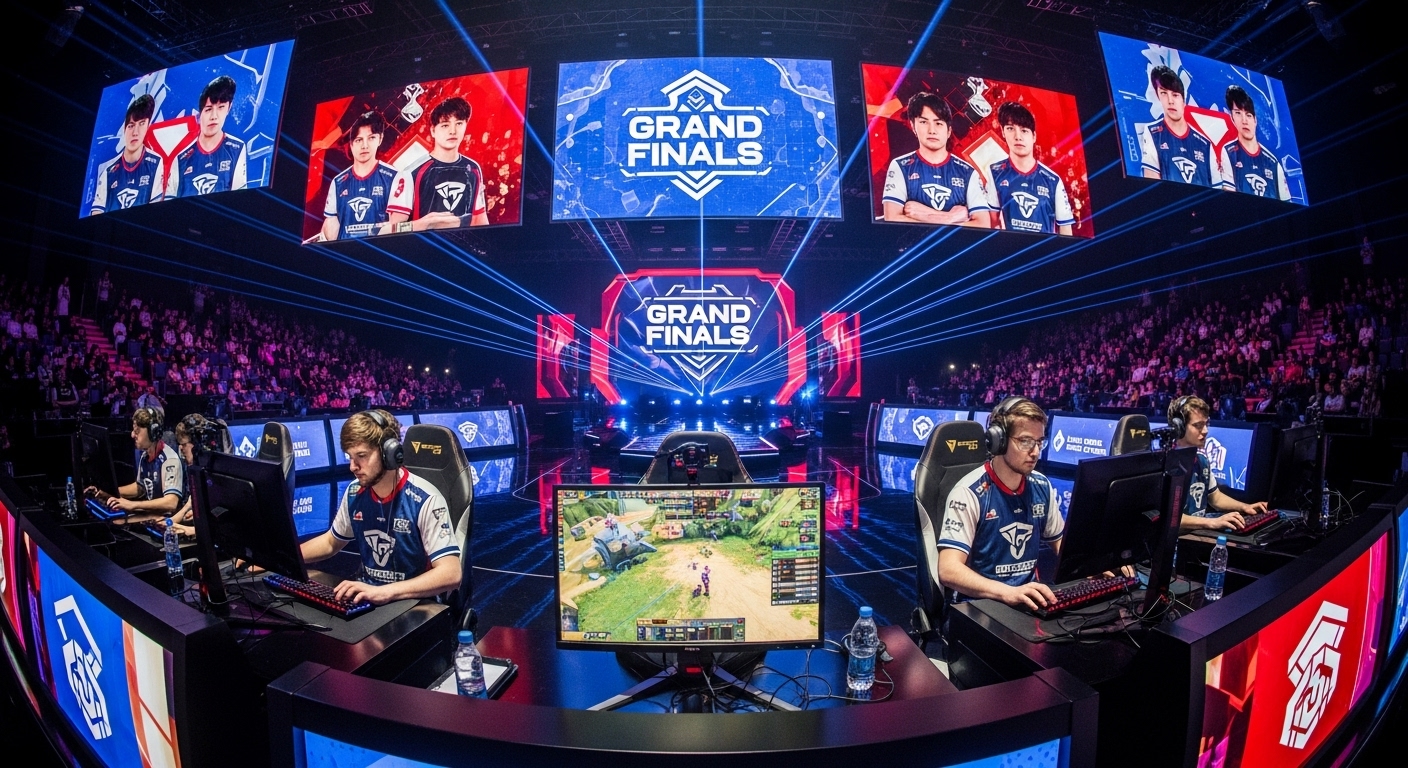
Esports has emerged as one of the most powerful forces in modern entertainment and competition. What once began as casual gaming between friends has transformed into a professional global industry with dedicated athletes, massive audiences, and international tournaments. Esports is no longer just about playing games; it represents discipline, strategy, teamwork, and innovation. As digital technology becomes deeply embedded in everyday life, esports stands at the intersection of sports, technology, and culture, reshaping how competition is defined in the twenty-first century.
The Origins of Esports
The foundation of esports was laid decades ago with early video game competitions held in arcades and universities. These events were small, informal, and driven purely by passion. As gaming technology improved and multiplayer options expanded, competitive gaming grew rapidly. The arrival of online gaming allowed players from different regions to compete, forming the early esports communities. Over time, structured tournaments, professional teams, and organized leagues emerged, turning esports into a legitimate competitive platform rather than a casual pastime.
What Makes Esports a Sport
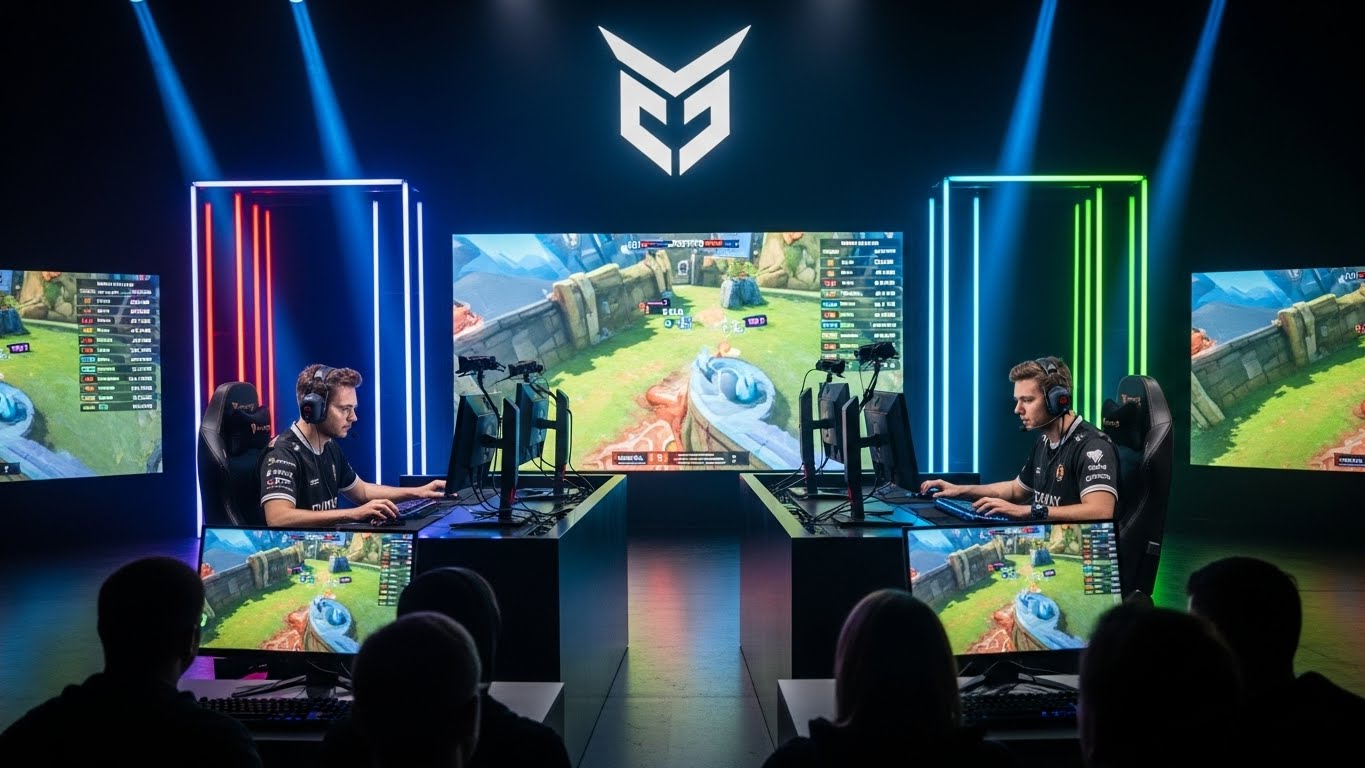
Esports shares many characteristics with traditional sports. It requires skill, training, discipline, and competition under established rules. Professional esports players practice for long hours, study strategies, and analyze opponents just like athletes in physical sports. Matches are officiated, tournaments are regulated, and performance consistency is critical. While esports does not involve physical contact, it demands exceptional mental focus, reaction speed, coordination, and endurance, which qualifies it as a sport in its own digital arena.
The Skills Behind Competitive Gaming
Success in esports depends on a wide range of skills. Fast reflexes, precise hand-eye coordination, and accurate execution are essential. Mental skills such as decision-making, adaptability, and strategic planning play a critical role during high-pressure matches. Players must process information quickly, anticipate opponents’ moves, and respond instantly. Communication is vital in team-based esports, where coordination and timing can determine victory or defeat. These skills highlight the complexity and depth of competitive gaming.
Mental Strength and Psychological Endurance
Esports places immense psychological pressure on players. Matches are often broadcast live to millions of viewers, creating intense performance expectations. Players must manage stress, remain calm during setbacks, and maintain focus for extended periods. Losing streaks, criticism, and constant competition can affect mental health if not handled properly. As a result, many professional esports organizations emphasize mental conditioning, confidence building, and emotional resilience, recognizing that mental strength is as important as technical skill.
Physical Health in Esports
Although esports does not involve running or lifting weights during competition, physical health is still crucial. Long gaming sessions can strain wrists, eyes, neck, and back if proper posture and habits are not maintained. Professional players often follow fitness routines to improve endurance, reaction time, and overall well-being. Stretching, exercise, nutrition, and proper rest contribute to better performance. This growing focus on physical fitness challenges the misconception that esports athletes neglect their health.
Teamwork and Strategy in Esports
Team-based esports rely heavily on coordination and strategy. Players must understand their roles, communicate effectively, and adapt plans in real time. Strategy often involves long-term planning as well as quick adjustments during matches. Trust between teammates is essential, as one mistake can affect the entire team. Leadership also plays a key role, with team captains guiding decisions and maintaining morale. These dynamics mirror traditional team sports and demonstrate how esports develops cooperation and leadership skills.
The Esports Industry and Economic Growth
Esports has grown into a major global industry generating substantial revenue. Income sources include sponsorships, advertising, merchandise, tournament prizes, and media rights. Professional players earn salaries and endorsements, while teams operate as structured organizations. Beyond players, esports creates jobs for coaches, analysts, broadcasters, designers, event organizers, and content creators. This economic ecosystem highlights esports as a sustainable industry rather than a temporary trend.
Esports and Career Opportunities
One of the most exciting aspects of esports is the variety of career paths it offers. Not everyone involved needs to be a professional player. Careers exist in coaching, management, production, marketing, content creation, and game development. Educational institutions now recognize esports-related skills, offering programs that prepare students for roles in the gaming industry. Esports opens doors for individuals passionate about technology, creativity, and competition.
The Global Esports Community
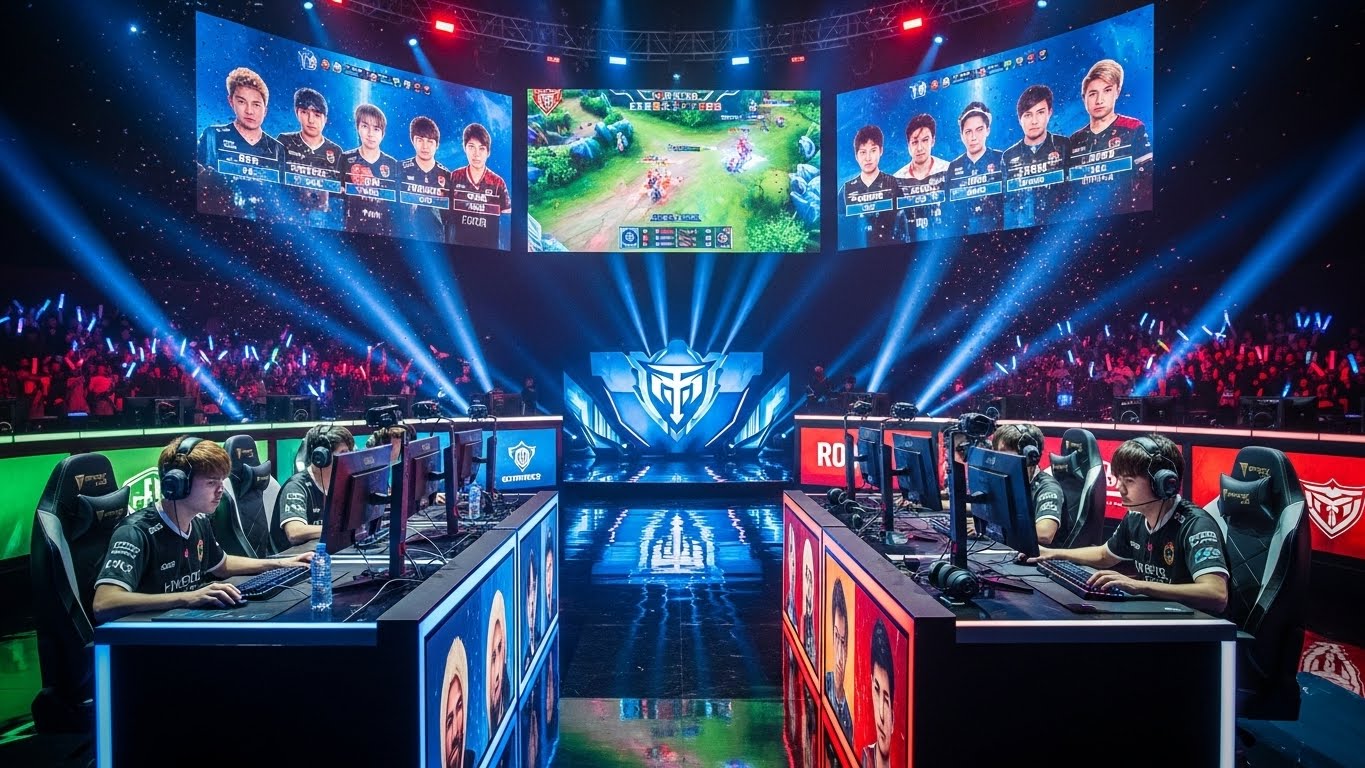
Esports connects people across countries, cultures, and languages. Online platforms allow players and fans to interact, share strategies, and support their favorite teams. International tournaments bring together competitors from around the world, promoting cultural exchange and mutual respect. This global community is one of esports’ greatest strengths, creating a shared digital space where passion for gaming unites diverse individuals.
Women and Inclusion in Esports
The esports industry has traditionally been male-dominated, but inclusion is steadily improving. More women are participating as players, commentators, organizers, and content creators. Efforts to create safer and more inclusive environments are encouraging broader participation. Diversity strengthens esports by introducing new perspectives, talents, and audiences. Promoting inclusion ensures that esports continues to grow as a welcoming and representative global community.
Technology Driving Esports Forward
Technology is the backbone of esports. Advancements in hardware, software, and internet connectivity have enabled high-level competition and global broadcasting. Analytics tools help players refine strategies, while artificial intelligence assists in performance analysis. Virtual environments and immersive technologies are shaping the future of esports viewing and training. As technology evolves, esports will continue to push the boundaries of digital competition.
Challenges Facing the Esports World
Despite its success, esports faces challenges. Player burnout, mental health concerns, cheating, and toxic behavior can threaten the integrity of competition. Financial instability for smaller teams and inconsistent regulations also present difficulties. Addressing these issues requires ethical leadership, strong governance, and community awareness. Ensuring fair play and player well-being is essential for the long-term sustainability of esports.
Esports and Youth Development
Esports plays a growing role in youth development. Competitive gaming teaches discipline, teamwork, problem-solving, and time management. When balanced responsibly, esports can provide young players with confidence, social connection, and goal-oriented thinking. Structured esports programs help guide young gamers toward healthy habits, emphasizing education, wellness, and skill development alongside competition.
The Future of Esports
The future of esports is filled with potential. As technology advances, competition will become more immersive and accessible. Mobile esports and cross-platform play will expand participation, while new game genres will attract broader audiences. Increased recognition from educational and cultural institutions will further legitimize esports. The industry’s ability to adapt and innovate ensures that esports will remain a central part of global entertainment and competition.
Conclusion: A New Era of Competitive Spirit
Esports represents a new chapter in the history of competition. It blends skill, strategy, technology, and global connectivity into a powerful modern sport. Esports challenges traditional ideas of athleticism while showcasing the importance of mental strength, teamwork, and discipline. As it continues to evolve, esports will shape culture, create opportunities, and unite communities worldwide. More than just games, esports is a digital arena where passion, competition, and innovation thrive together.