Introduction: The Emergence of Esports
Esports, or competitive video gaming, has transformed from a niche hobby into a global phenomenon over the past two decades. What was once considered casual entertainment is now recognized as a professional industry, drawing millions of players, fans, and investors worldwide. With professional leagues, international tournaments, and substantial prize pools, esports has redefined how people engage with gaming. Beyond entertainment, esports has become a platform for skill development, social interaction, and even career opportunities. This blog explores the rise of esports, its impact on individuals and communities, its economic significance, and the challenges and opportunities it faces in the modern world.
The Evolution of Esports
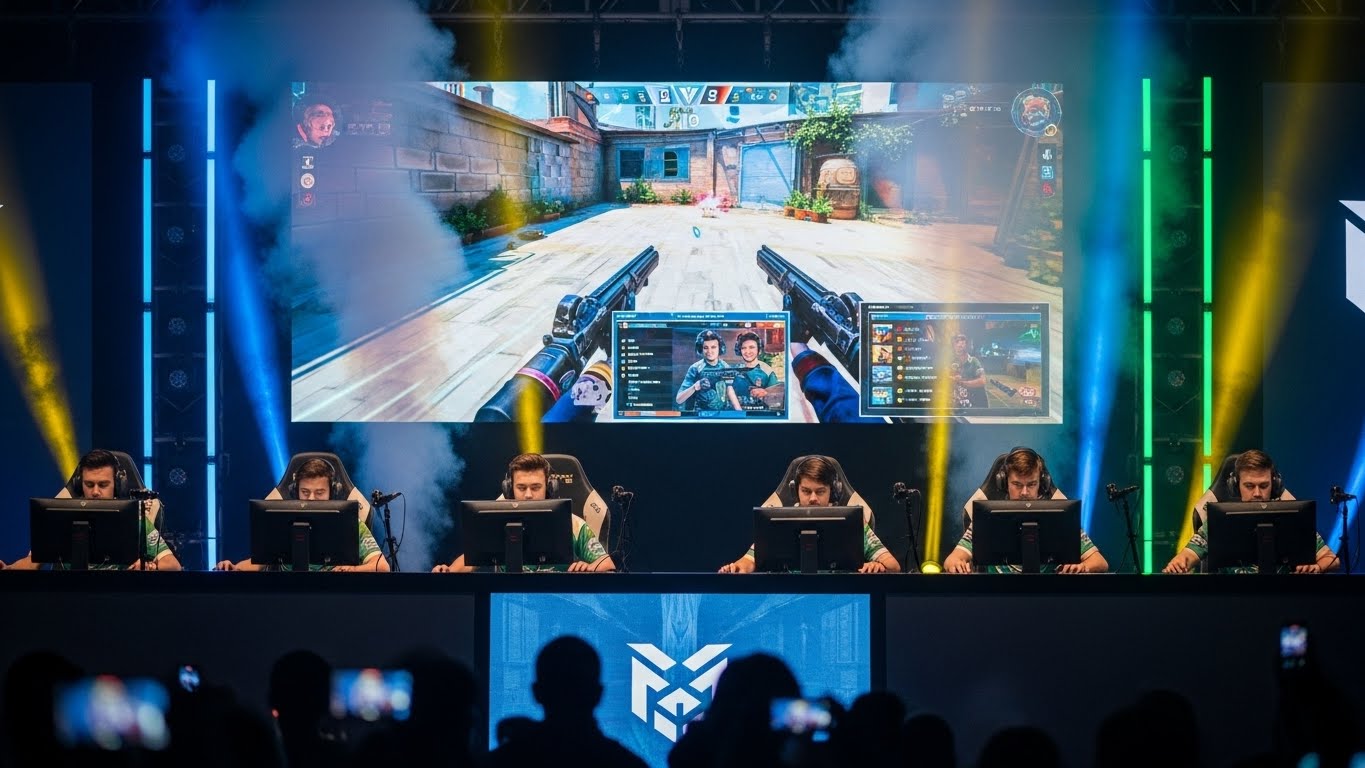
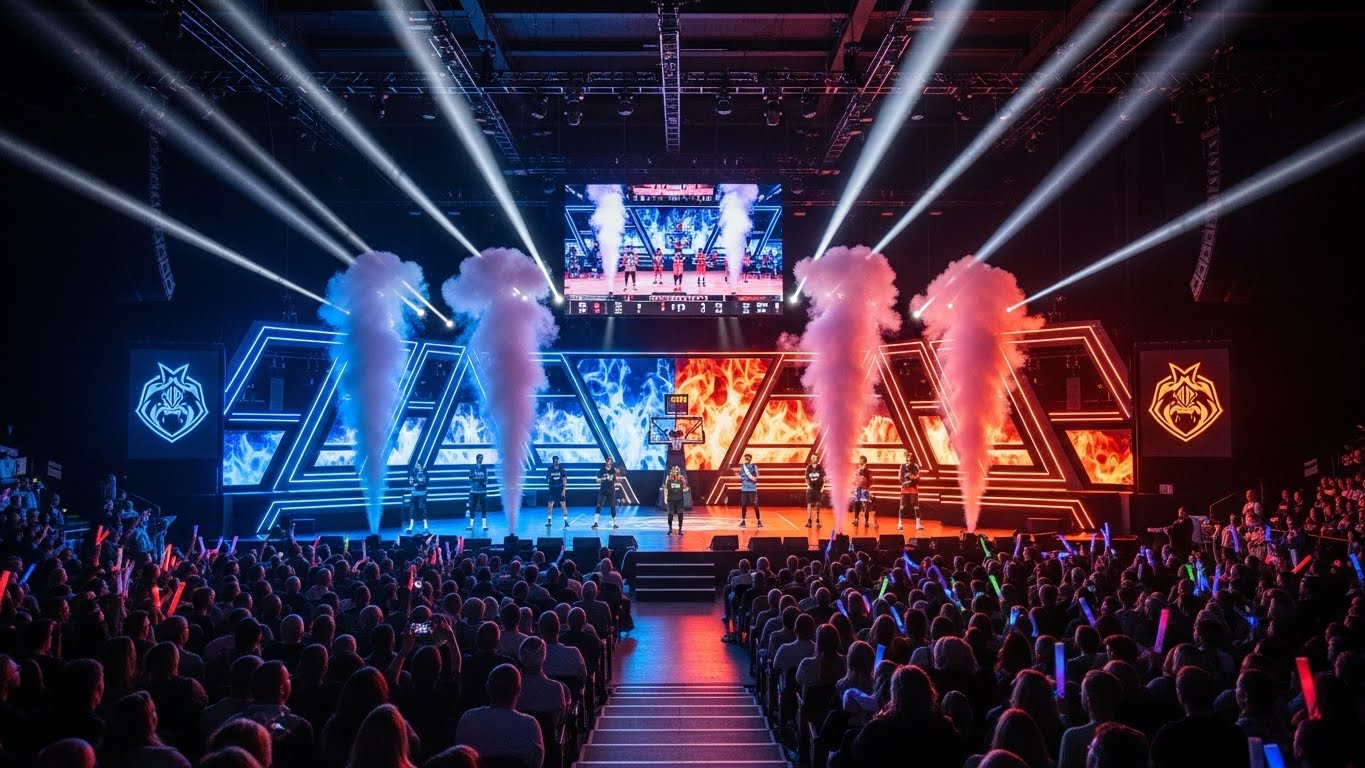
The roots of esports trace back to the early 1970s, with simple arcade competitions and video game contests in university settings. Over the years, technological advancements, internet accessibility, and game innovation have propelled esports into a mainstream cultural phenomenon. Games like StarCraft, Counter-Strike, League of Legends, and Dota 2 laid the foundation for competitive gaming communities. The development of streaming platforms allowed players to broadcast gameplay to global audiences, transforming esports into a spectator sport. Today, esports tournaments are held in large arenas with millions of online viewers, demonstrating that gaming is no longer just a pastime but a serious form of competition.
Physical and Mental Demands of Esports
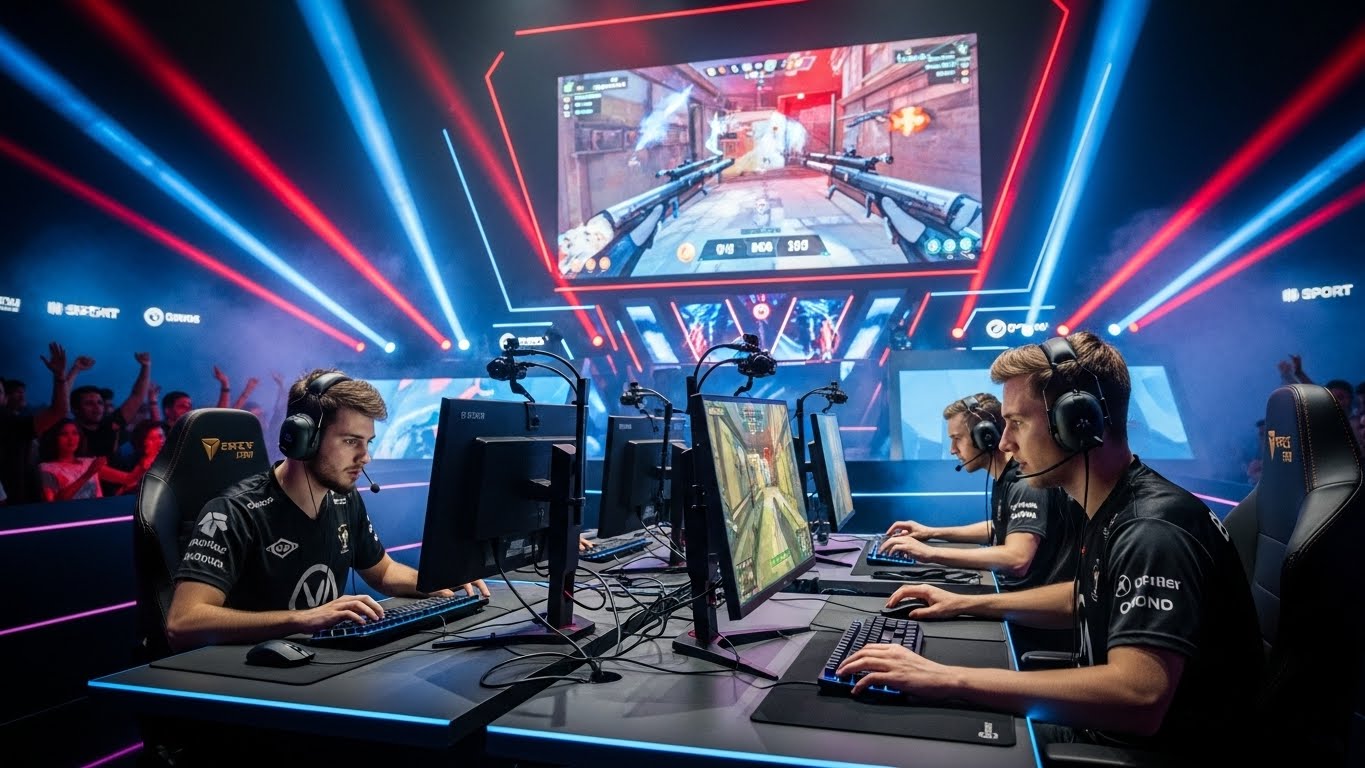
While esports may appear sedentary compared to traditional sports, it requires high levels of physical and mental conditioning. Players must maintain excellent hand-eye coordination, reflexes, and precision. Mental stamina is equally crucial, as competitions often demand long hours of focus, strategic thinking, and quick decision-making under pressure. Professional esports athletes follow rigorous training schedules, combining gameplay practice with physical exercise, nutrition, and psychological coaching to optimize performance. Cognitive skills such as problem-solving, multitasking, and communication are constantly challenged, proving that esports is as mentally demanding as it is competitive.
Teamwork and Strategy in Competitive Gaming
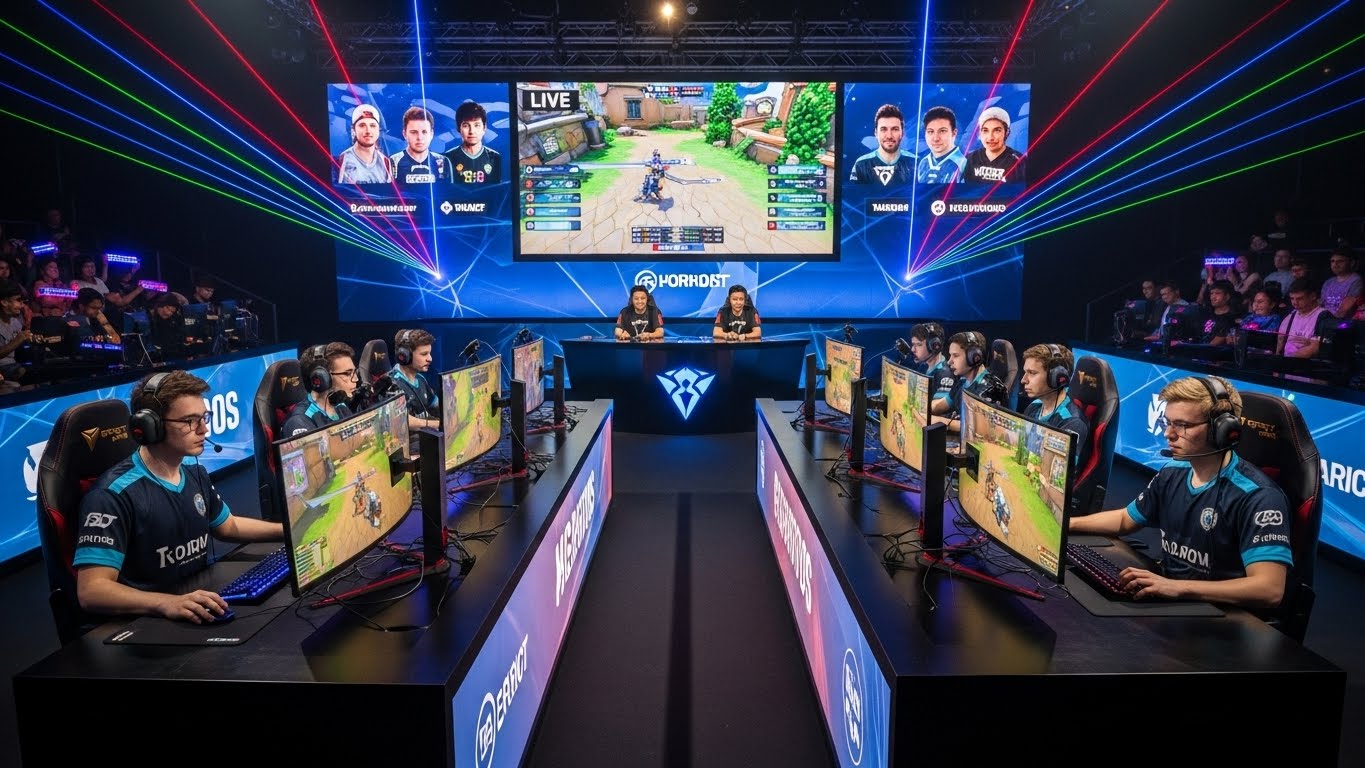
Esports emphasizes collaboration and strategy, particularly in team-based games. Success depends on effective communication, coordination, and understanding of team dynamics. Players must anticipate opponents’ actions, adapt strategies in real-time, and leverage individual strengths for collective success. Team-based esports titles cultivate leadership, resilience, and the ability to perform under high-pressure situations. Even individual-based competitive games require strategic planning, resource management, and mental agility. These elements highlight that esports is not only about skillful gameplay but also about critical thinking, adaptability, and interpersonal dynamics.
The Economic Impact of Esports
Esports has become a billion-dollar industry, generating revenue through sponsorships, advertising, merchandise, ticket sales, and streaming. Major tournaments attract sponsorship deals from global brands, highlighting the commercial potential of competitive gaming. Professional players can earn substantial salaries, tournament winnings, and endorsements, establishing esports as a viable career path. Furthermore, esports stimulates ancillary industries, including game development, broadcasting, event management, and content creation. The economic impact of esports demonstrates that gaming is no longer a solitary hobby but a significant contributor to modern economies.
Esports and Education: Opportunities for Growth
Educational institutions have increasingly recognized the value of esports. Many universities now offer esports scholarships, competitive teams, and academic programs focused on gaming and technology. Participation in esports can develop skills that are transferable to professional careers, including leadership, teamwork, communication, and strategic thinking. Additionally, esports encourages problem-solving and technical proficiency, as players often analyze game mechanics, statistics, and performance metrics. Integrating esports into education provides students with unique opportunities for personal and professional development, bridging the gap between gaming and real-world skills.
The Global Esports Community
One of the most powerful aspects of esports is its ability to create global communities. Players and fans connect across continents through online platforms, social media, and tournaments. Esports fosters inclusivity, bringing together individuals of diverse backgrounds, cultures, and ages who share a common passion for gaming. Online communities encourage collaboration, mentorship, and cultural exchange, breaking down geographical barriers. The rise of esports streaming and content creation has further enhanced fan engagement, allowing enthusiasts to interact with professional players and personalities in real-time. This global connectivity highlights esports’ role in shaping modern digital culture.
Women in Esports: Breaking Barriers
Historically, esports has been male-dominated, but women are increasingly making their mark in competitive gaming. Female players, commentators, and developers are gaining recognition and creating inclusive spaces within the esports ecosystem. Initiatives promoting gender equality in gaming are helping to challenge stereotypes and empower women to pursue careers in esports. Women’s participation in tournaments, content creation, and leadership roles demonstrates that esports is a field where talent and dedication can thrive regardless of gender. This shift contributes to a more diverse, dynamic, and innovative industry.
Health and Wellbeing in Esports
Despite its benefits, esports also presents health challenges. Extended screen time, repetitive movements, and high-stress competition can lead to physical strain, eye fatigue, and mental stress. Professional players must prioritize ergonomics, regular exercise, and mental health support to maintain peak performance. Awareness of these health concerns is growing, with teams and organizations implementing wellness programs, sports psychology, and coaching strategies. Promoting holistic health in esports ensures sustainable careers and sets a standard for future generations of competitive gamers.
The Role of Streaming and Media in Esports
Streaming platforms have been instrumental in esports’ growth, allowing players to broadcast gameplay to millions of viewers worldwide. Content creation, live commentary, and interactive fan engagement have turned esports into a spectator-driven phenomenon. Media coverage enhances visibility, attracts sponsorships, and elevates the status of professional players. Streaming also provides aspiring gamers with a platform to showcase talent, gain recognition, and potentially enter the professional esports scene. The integration of media and esports has transformed competitive gaming into a fully-fledged entertainment industry.
Challenges Facing the Esports Industry
Despite its success, esports faces several challenges. Regulatory concerns, such as fair play, cheating, and match-fixing, require oversight to maintain integrity. The high-pressure environment can lead to burnout and mental health issues among players. Moreover, the industry must navigate issues of inclusivity, accessibility, and representation to ensure that esports remains open and diverse. Economic sustainability is another consideration, as reliance on sponsorships and advertising revenue can create vulnerabilities. Addressing these challenges is crucial for the long-term growth and legitimacy of esports.
The Future of Esports
The future of esports looks promising, with continued growth in participation, viewership, and professional opportunities. Technological advancements such as virtual reality, augmented reality, and artificial intelligence are expected to enhance gameplay, training, and fan experiences. Esports is likely to become more integrated into mainstream entertainment, education, and global culture. The rise of mobile esports, casual gaming, and cross-platform competition will further expand its reach. As the industry matures, esports will continue to redefine the boundaries of competition, entertainment, and digital interaction.
Conclusion: Esports as a Cultural Phenomenon
Esports is no longer merely a pastime; it is a cultural movement that combines competition, technology, and community. It develops critical skills, fosters teamwork, and provides economic opportunities while connecting players and fans worldwide. The rise of esports reflects broader societal trends, including digital connectivity, entertainment evolution, and global collaboration. While challenges exist, the industry’s adaptability, innovation, and inclusivity ensure its continued relevance. Whether as a participant, fan, or industry professional, engaging with esports offers a unique opportunity to be part of a transformative and exciting cultural phenomenon.