
Introduction
Esports, or competitive video gaming, has emerged as one of the most influential entertainment and sports phenomena of the 21st century. What was once considered a niche hobby for gamers has grown into a global industry with millions of players, viewers, and professionals. Esports combines strategy, skill, teamwork, and technology to create an immersive competitive experience that rivals traditional sports. Beyond entertainment, esports impacts culture, education, technology, and the economy. This blog explores the evolution of esports, its significance, benefits, and future, highlighting why competitive gaming has become a global sensation.
The Evolution of Esports
Esports has roots dating back to the 1970s and 1980s when arcade competitions and early computer games began to gain attention. Classic titles like Pong and Space Invaders attracted local tournaments, setting the stage for competitive gaming. The 1990s and early 2000s saw the rise of PC gaming, with games such as StarCraft and Counter-Strike cultivating competitive communities. The widespread availability of high-speed internet enabled online multiplayer gaming, fostering global competitions and fanbases. Today, esports encompasses a wide variety of genres, including first-person shooters, real-time strategy, battle royale, and sports simulation games. The evolution of esports demonstrates the growing intersection of technology, entertainment, and athletic competition.
What Makes Esports Unique
Esports differs from traditional sports in several ways. While physical athleticism plays a major role in traditional sports, esports emphasizes mental acuity, strategy, reaction time, teamwork, and technical skills. Players must master game mechanics, develop strategic thinking, and coordinate with teammates under high-pressure conditions. Esports also leverages technology to create interactive and immersive experiences for both players and spectators. The global accessibility of esports allows anyone with a computer or console and internet connection to compete or spectate, democratizing participation and building international communities.
Esports and Technology
Technology is the backbone of esports. High-performance gaming PCs, consoles, and peripherals provide players with precision, speed, and control. Internet connectivity enables real-time competition across continents. Streaming platforms allow audiences to watch live matches, interact with players, and engage in discussions. Artificial intelligence and analytics are used to enhance gameplay strategies and performance. Virtual and augmented reality technologies are beginning to create new immersive experiences for both players and fans. Technology ensures that esports continues to innovate, providing dynamic entertainment and pushing the boundaries of interactive media.
Competitive Structure and Professionalization
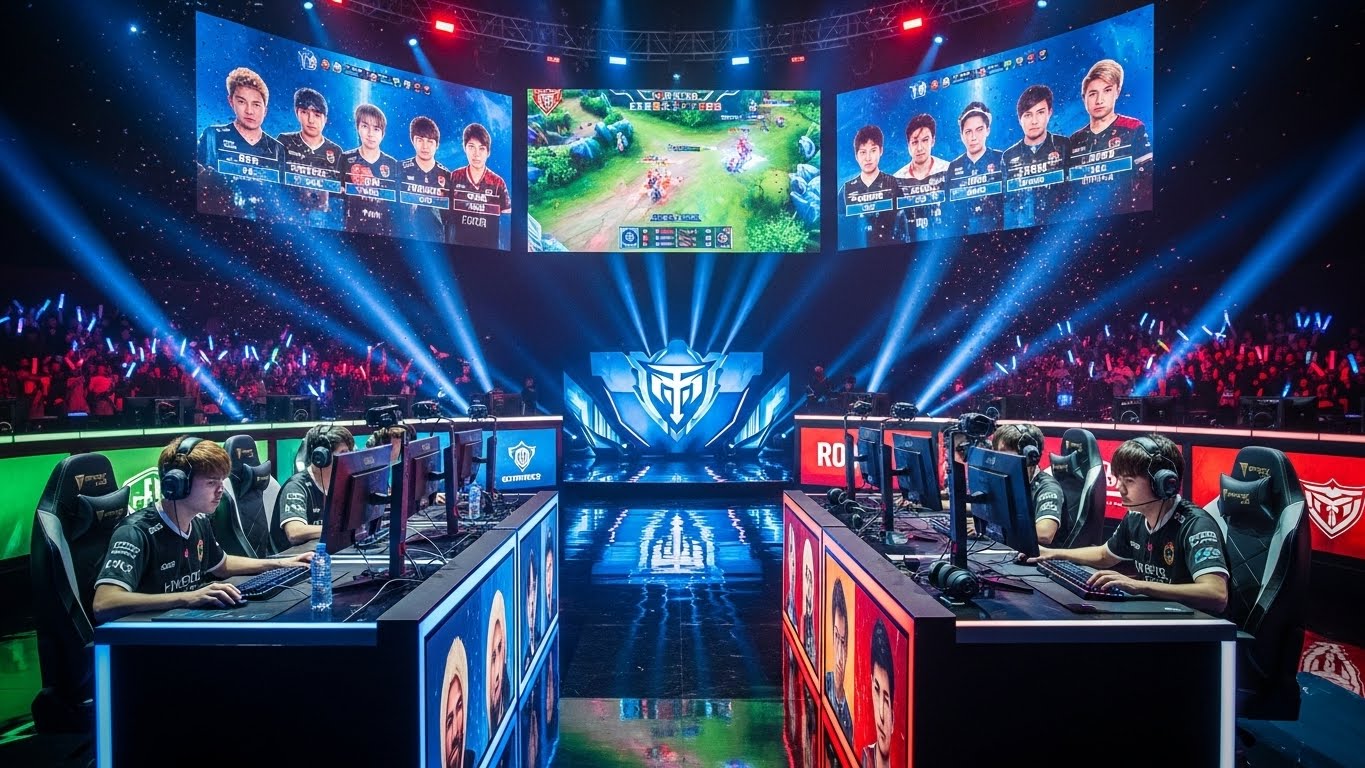
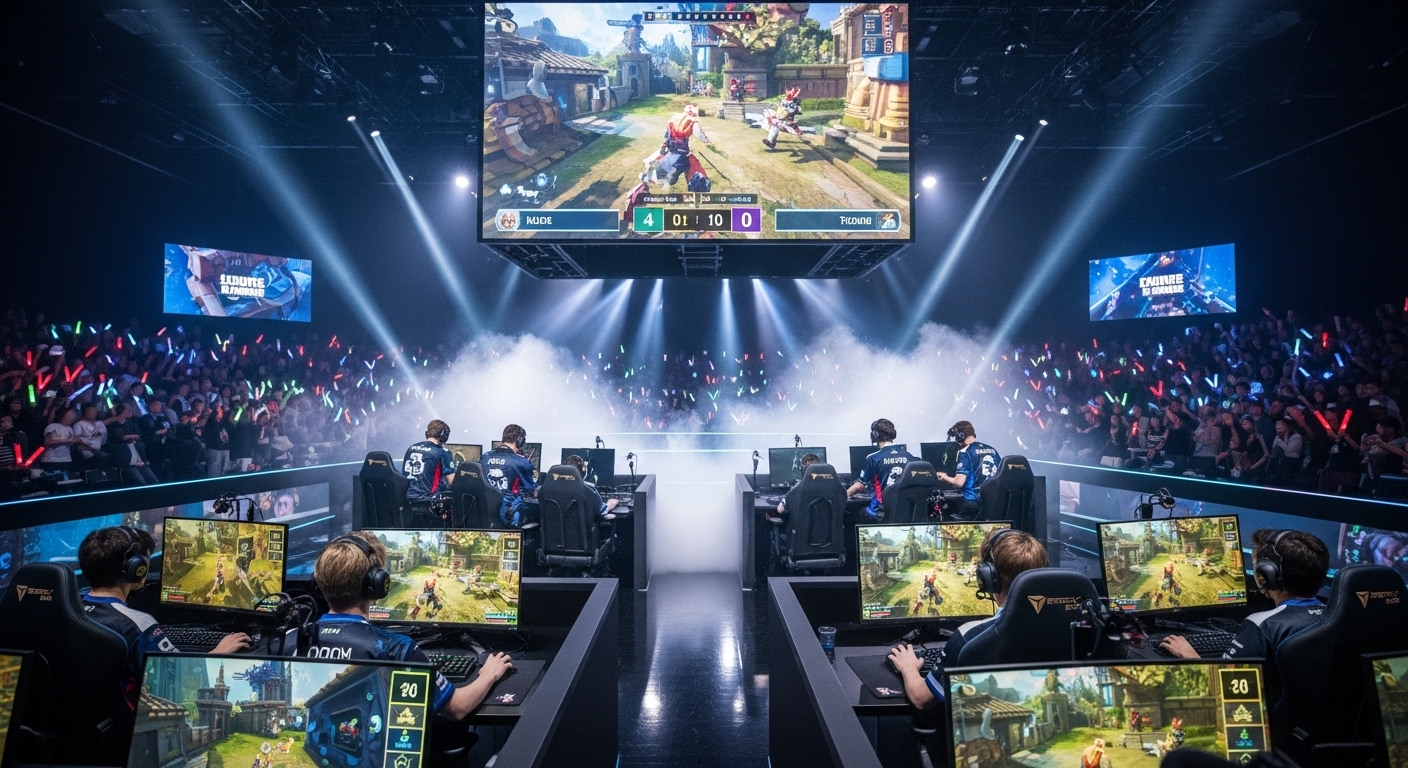
Esports has grown into a professionalized industry with structured leagues, tournaments, and global events. Organizations recruit professional players, provide coaching staff, and support performance through analytics and training programs. High-stakes tournaments offer substantial prize pools, attracting top talent from around the world. Major events, such as The International for Dota 2 or the League of Legends World Championship, draw millions of viewers and significant media coverage. This professionalization mirrors traditional sports, demonstrating that esports requires dedication, discipline, and strategic preparation to succeed.
Mental and Cognitive Benefits of Esports
Engaging in esports offers several mental and cognitive benefits. Players develop problem-solving skills, strategic planning, and quick decision-making under pressure. Esports enhances memory, hand-eye coordination, multitasking, and concentration. Team-based games cultivate communication, leadership, and collaboration. Players often analyze opponents, adapt to new challenges, and learn from past mistakes, building resilience and critical thinking. While esports requires time management and discipline to maintain a healthy balance, it offers mental stimulation comparable to other competitive activities.
Social Connections and Community
Esports fosters vibrant social communities. Online multiplayer games connect players from around the globe, creating opportunities for collaboration, friendship, and mentorship. Fans engage with teams and players through streaming platforms, forums, and social media, forming dedicated communities around shared interests. Esports events encourage networking, fan interaction, and cultural exchange. Unlike traditional sports, esports allows for continuous engagement online, creating virtual spaces where players and audiences connect, collaborate, and celebrate achievements together.
Esports and Education
Esports has increasingly found its way into educational environments. Schools and universities offer esports programs, integrating gaming into curricula that teach strategy, teamwork, communication, and technology skills. Academic scholarships for esports players are available in many institutions, legitimizing competitive gaming as a viable career path. Esports also introduces students to fields such as game design, broadcasting, analytics, and event management. By combining education and gaming, esports programs prepare participants for professional opportunities while fostering discipline, creativity, and strategic thinking.
Economic Impact of Esports
The esports industry has grown into a multibillion-dollar sector, generating revenue through sponsorships, advertising, merchandise, and media rights. Professional teams and organizations create employment opportunities for players, coaches, analysts, event managers, and content creators. Major tournaments attract audiences, boosting related industries such as hospitality, media, and technology. Esports has also fueled the rise of streaming platforms, influencer marketing, and digital content creation. Its economic significance extends beyond gaming, shaping technology, entertainment, and marketing sectors on a global scale.
Esports and Global Culture
Esports has become a cultural phenomenon, influencing entertainment, fashion, and media. Iconic players achieve celebrity status, inspiring fans and creating role models for younger generations. Esports content, including live streams, highlights, and documentaries, entertains millions and builds shared cultural experiences. Competitive gaming transcends language, geography, and social backgrounds, creating a global community united by passion and competition. Esports events celebrate diversity and innovation, demonstrating how gaming has become an influential cultural force worldwide.
Challenges in Esports
Despite its growth, esports faces several challenges. Excessive gaming can lead to physical and mental health issues, including fatigue, stress, and repetitive strain injuries. Maintaining balance between professional gaming, education, and personal life is essential. The industry also contends with regulatory challenges, ensuring fair play, ethical practices, and protection against cheating or exploitation. Sponsorship and monetization models must remain sustainable to support growth. Addressing these challenges is vital to maintaining esports as a healthy, fair, and reputable industry.
The Role of Streaming and Media
Streaming platforms have revolutionized esports by making it accessible to global audiences. Live broadcasts of matches allow fans to watch competitions in real time, interact through chat, and engage with content creators. Influencers and professional players produce commentary, tutorials, and entertainment, expanding the reach of esports beyond traditional gameplay. Media coverage and digital content contribute to the popularity of esports, transforming players into public figures and creating interactive entertainment ecosystems. Streaming has cemented esports as a hybrid of competitive sport and digital media experience.
The Future of Esports
The future of esports is filled with opportunities for growth and innovation. Virtual and augmented reality could redefine immersive gameplay experiences. Artificial intelligence may enhance analytics, coaching, and matchmaking systems. Esports is likely to integrate more deeply with traditional sports, education, and entertainment platforms. Increased recognition of esports as a professional sport, combined with growing global audiences, ensures its place as a key component of the future of digital entertainment. Additionally, technological advancements will continue to make esports more interactive, inclusive, and engaging for players and fans alike.
Conclusion
Esports has transformed competitive gaming from a niche hobby into a global phenomenon. It combines strategy, skill, teamwork, and technology to create immersive experiences that rival traditional sports. Beyond entertainment, esports fosters cognitive development, social connection, education, economic growth, and cultural influence. While challenges remain, the growth of professional leagues, streaming platforms, and educational programs demonstrates the resilience and potential of this industry. Esports is not just a form of play—it is a revolutionary movement that redefines sports, entertainment, and human interaction in the digital age.