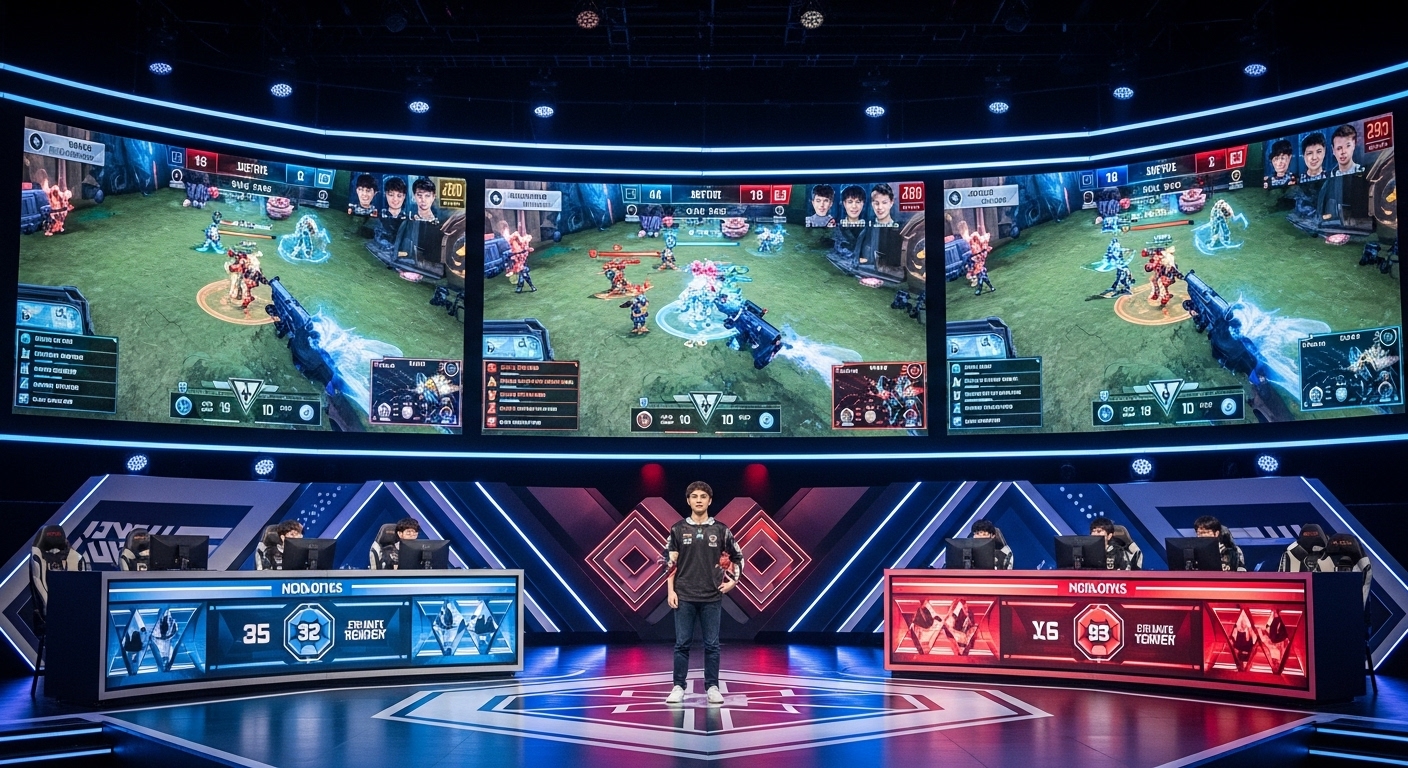
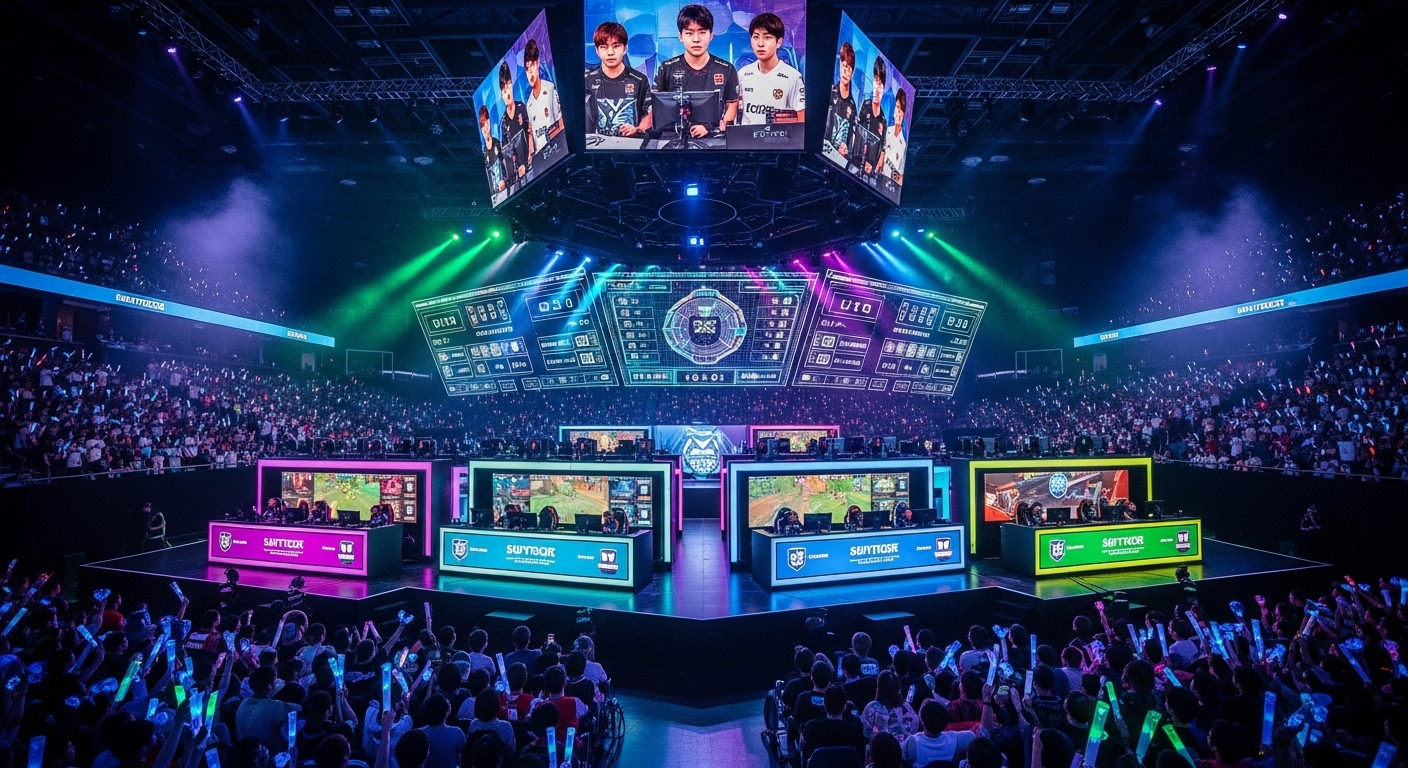
Esports, short for electronic sports, has transformed from a niche hobby into a global phenomenon. What once began as casual gaming competitions among friends has now grown into a professional industry, attracting millions of players, viewers, and sponsors worldwide. Competitive gaming has become more than entertainment—it is a serious career path, a cultural movement, and a technological showcase.
The Birth of Esports
The origins of esports trace back to the 1970s and 1980s, when arcade tournaments and early video games started gaining popularity. Titles like Space Invaders and Pac-Man introduced the idea of competitive gameplay, while the 1990s saw the rise of LAN parties and online multiplayer games. With faster internet and advanced graphics, esports started to evolve into organized competitions, laying the foundation for the modern esports industry.
Popular Esports Genres
Esports spans a variety of genres, each offering unique challenges and experiences. Multiplayer online battle arenas (MOBAs) like League of Legends demand strategic teamwork and quick thinking. First-person shooters (FPS) like Counter-Strike and Call of Duty test precision and reflexes. Fighting games, sports simulations, and battle royale formats also contribute to the diversity of competitive gaming, appealing to players with different skills and preferences.
The Esports Ecosystem
Professional esports is more than just playing games. It involves teams, coaches, analysts, event organizers, and sponsors. Players train rigorously, often dedicating hours to strategy, mechanics, and teamwork. Tournaments are held both online and in massive arenas, attracting thousands of spectators and millions of online viewers. This ecosystem has created career opportunities not only for players but also for content creators, broadcasters, and event managers.
Technology and Innovation
Technology plays a central role in esports. High-performance computers, streaming platforms, and cutting-edge peripherals enhance gameplay and viewing experiences. Live streaming services allow fans from around the world to watch competitions in real-time, while advanced analytics help teams refine strategies and improve performance. The constant evolution of gaming technology fuels the growth and popularity of esports.
The Social Impact of Esports
Esports has a powerful social dimension. It brings together people with shared interests, fostering communities across continents. Fans interact with players through social media, live chats, and fan events. Esports also promotes teamwork, strategic thinking, and problem-solving skills among players, making it more than just a form of entertainment—it is a platform for personal growth and social connection.
The Future of Esports
The future of esports is bright, with continued growth expected in audiences, sponsorships, and technology. Virtual reality and augmented reality may introduce new competitive formats, while artificial intelligence could enhance training and game analysis. As mainstream recognition grows, esports will continue to break barriers, transforming how people view gaming and professional competition.
Conclusion
Esports has redefined what it means to be a competitive athlete in the digital age. It combines skill, strategy, technology, and entertainment to create a global phenomenon that engages millions of players and fans. As esports continues to evolve, it will not only shape the future of gaming but also inspire new generations to pursue their passion for competition and innovation.