Introduction to the Esports Revolution
Esports, once viewed as a niche hobby practiced by dedicated gamers, has grown into one of the most powerful forms of modern entertainment. Today, it stands as a vibrant global industry filled with professional players, massive tournaments, enthusiastic fans, and career opportunities that rival traditional sports. It is not simply gaming; it is a structured, competitive, and strategic world where skill, precision, and teamwork define the outcome.
The rise of esports highlights how digital competition has reshaped entertainment culture, created new global communities, and brought the virtual battlefield to the center stage. This blog explores the journey, impact, culture, and future of esports in a detailed and engaging way.
The Origins of Competitive Gaming
Competitive gaming has existed since the early days of arcade machines, where players would battle to secure the highest score. However, it was not until the introduction of online multiplayer games and local area network events that esports began taking a more organized form.
The late 1990s and early 2000s brought games like StarCraft, Counter-Strike, and early multiplayer battle arenas that fascinated players and attracted competitive teams. As technology improved, so did the sophistication and popularity of competitions. What began as small gatherings of passionate gamers grew into structured tournaments with international participation and professional-level commitment.
How Esports Became a Global Sensation
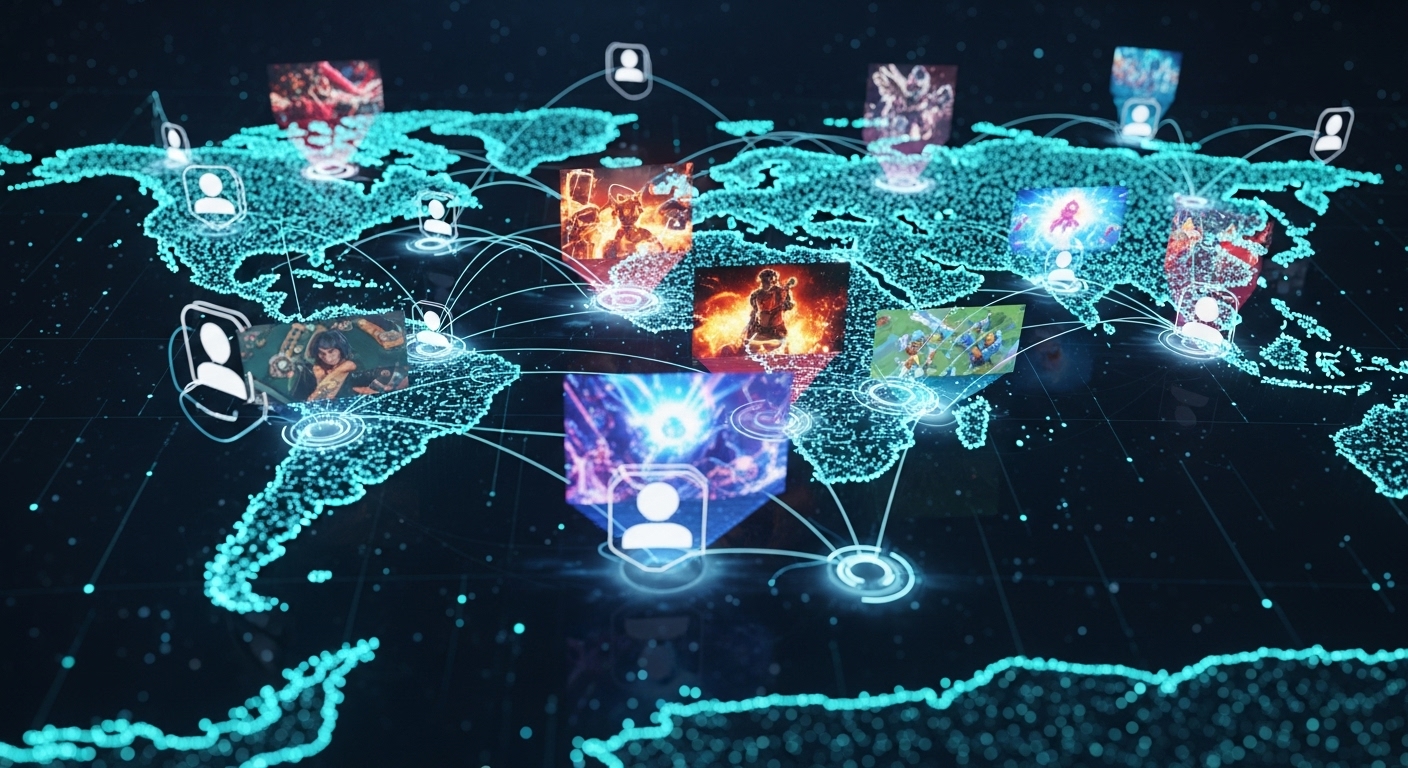
Esports did not become famous overnight. It evolved steadily, supported by improvements in internet speed, gaming hardware, and global connectivity. Online streaming also played a significant role, allowing fans to watch matches in real time from anywhere in the world. This accessibility created loyal fan communities and fueled the competitive spirit among players.
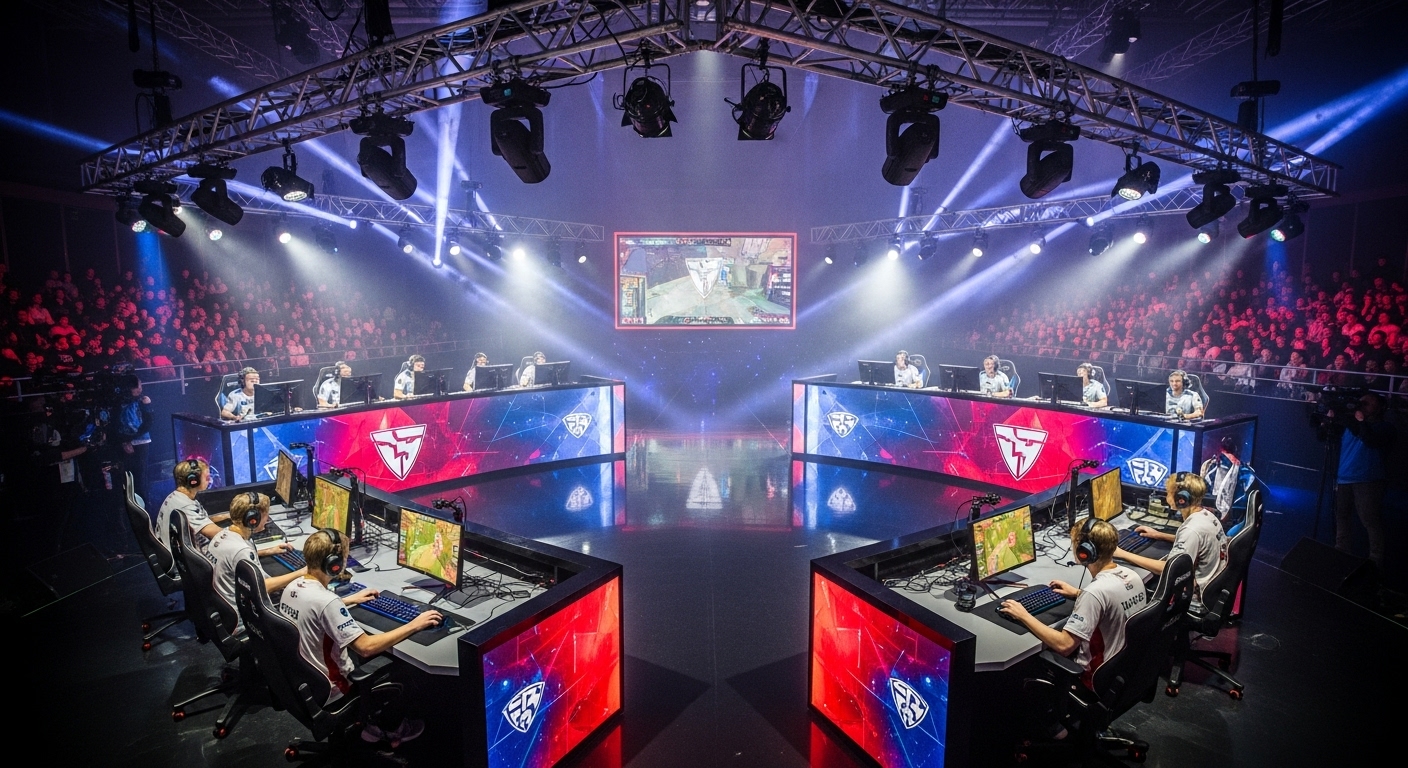
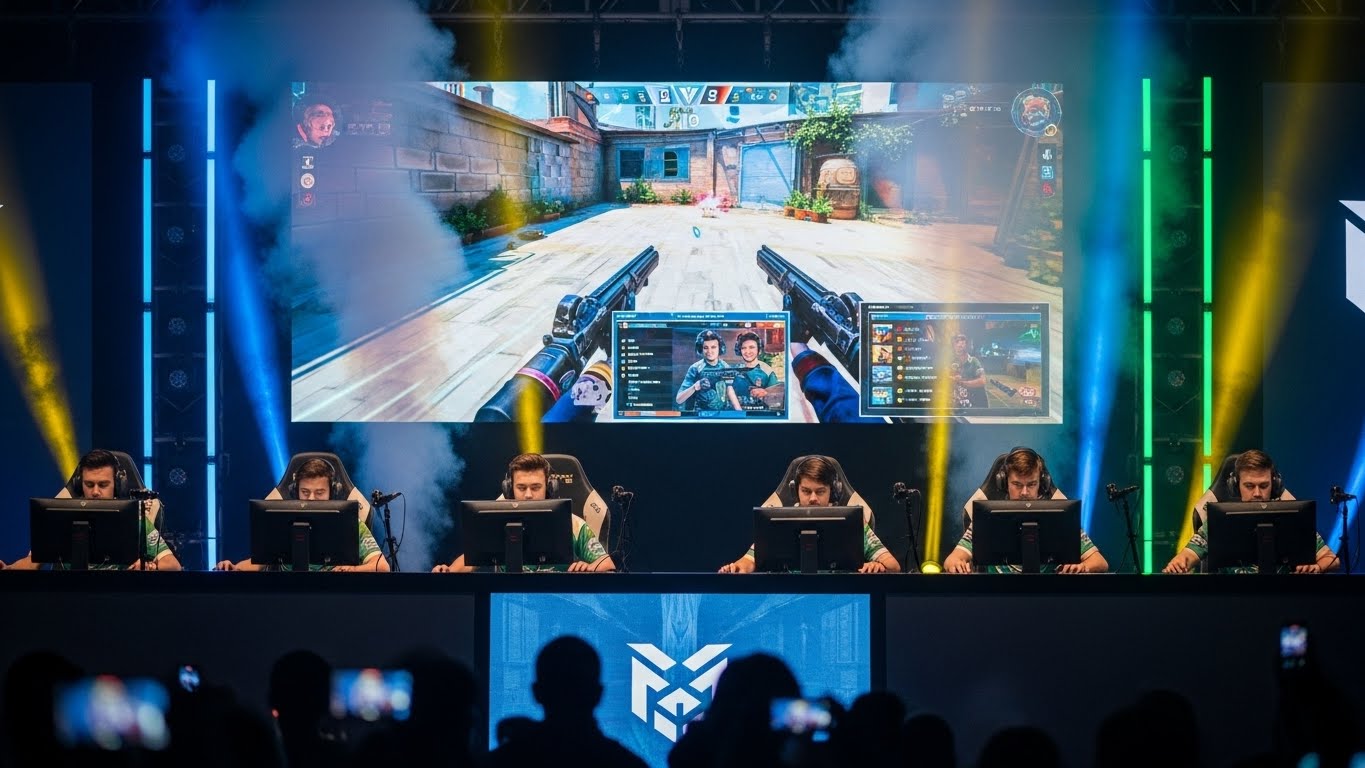
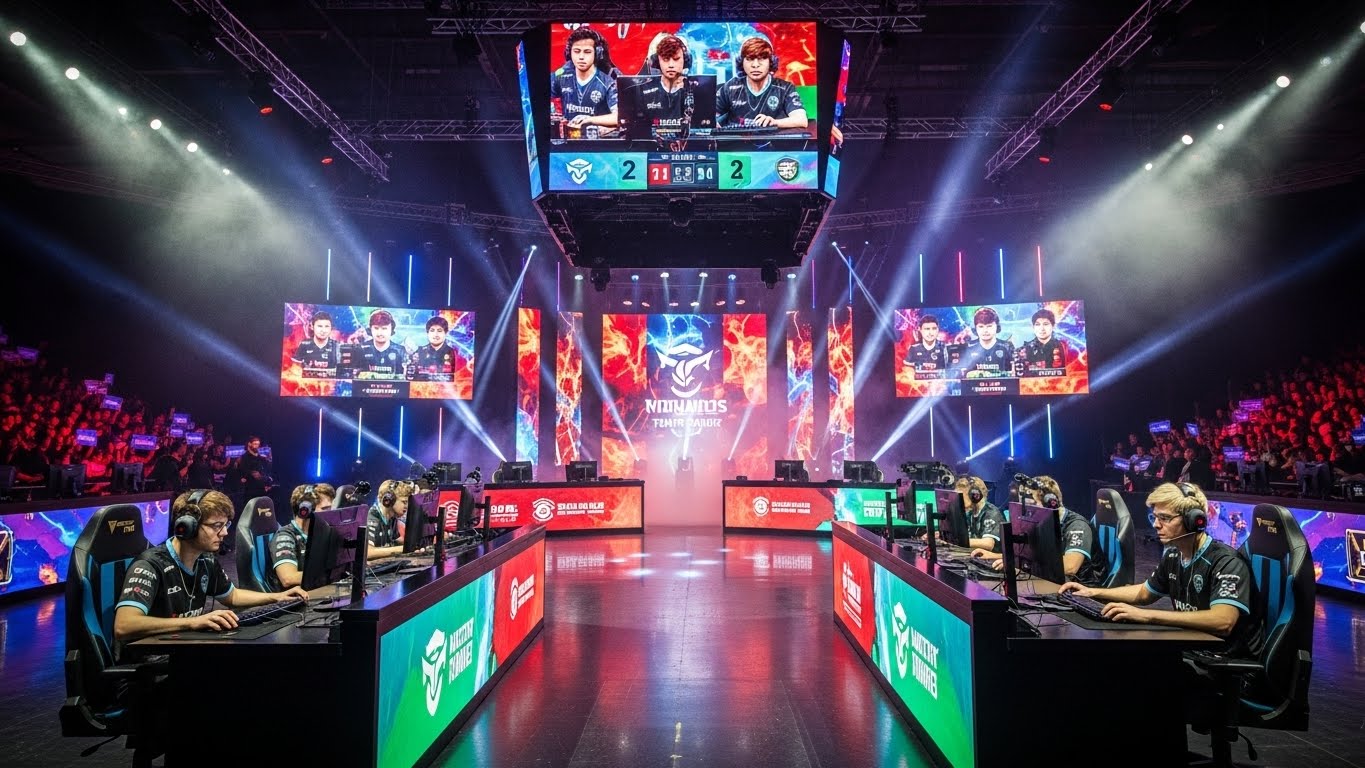
The moment esports entered large arenas with cheering crowds, it marked a shift from being a pastime to becoming a serious competitive spectacle. Professional leagues emerged, teams secured sponsorships, and players began training with the same dedication seen in athletes from traditional sports.
Popular Esports Games and Their Competitive Appeal
Esports thrives across multiple gaming genres, each offering unique challenges and requiring different skill sets.
Multiplayer Online Battle Arenas
Games like League of Legends and Dota 2 dominate this category. They require strategic thinking, rapid decision-making, and flawless teamwork. Matches in these games resemble digital chess battles, where every move can alter the outcome.
First-Person Shooter Games
Counter-Strike and similar titles remain some of the most intense and fast-paced games in esports. Quick reflexes, accurate aim, and team coordination define success in this genre.
Battle Royale Games
With global popularity, battle royale games involve dozens of players fighting for survival. Their unpredictability, dynamic maps, and sudden confrontations create unforgettable moments.
Sports and Racing Games
Titles that replicate traditional sports offer competitive formats that mirror real-world tournaments. These games attract both gaming fans and sports enthusiasts.
The variety of genres ensures that esports remains inclusive, diverse, and endlessly exciting.
The Esports Athlete: Skill, Strategy, and Mental Strength
Contrary to outdated stereotypes, professional esports athletes are highly trained individuals who undergo rigorous practice to compete at the highest level. Their training includes:
Daily practice sessions to refine skills
Strategic study of previous match footage
Team coordination exercises
Mental conditioning to handle pressure
Physical exercise to improve stamina
Esports athletes must remain focused during high-intensity matches that can last for hours. Their ability to think quickly, adapt strategies, and communicate effectively with teammates defines their success.
The Role of Esports Organizations
Esports teams today operate very similarly to traditional sports clubs. They have managers, coaches, analysts, nutritionists, and even designated training centers. Organizations recruit talented players, train them, arrange tournaments, and strategically build their brand.
Some teams specialize in a single game, while others manage rosters across multiple titles. They participate in leagues, sign sponsorship deals, and market merchandise to build their fanbase. This professional structure ensures stability for players and creates longevity within the esports ecosystem.
The Influence of Streaming and Digital Broadcasting
One of the biggest forces behind the growth of esports is live streaming. Fans enjoy watching professional matches, but they also love seeing their favorite players practice and interact with viewers. Streaming bridges the gap between athletes and fans, creating direct engagement that traditional sports cannot always provide.
This digital interaction fosters strong community culture. Fans discuss strategies, celebrate victories, share opinions, and feel personally connected to the players they support. The accessibility of streaming has allowed esports to reach millions without requiring television involvement, giving it the freedom to grow naturally through the internet.
Esports as a Career: Opportunities Beyond Gaming
Esports is not only about players. It has opened doors to numerous career paths, including:
Coaching
Game analysis
Broadcast casting and commentary
Event management
Production and editing
Marketing and branding
Community management
Many young people pursue these careers because esports offers a creative, fast-growing environment full of potential. It blends technology, entertainment, and sports in a way no other industry does.
Education and Esports: A New Academic Frontier
Esports has entered the educational world, with schools offering clubs, scholarships, and even degree programs. Students learn digital communication, teamwork, leadership, and analytical thinking through esports participation.
Academic institutions now recognize that esports promotes essential modern skills such as multitasking, strategic decision-making, and technological literacy. Some universities use esports programs to prepare students for careers in game development, broadcasting, and digital marketing.
The Social Impact of Esports
Esports has made significant social contributions by creating communities that bring people together regardless of geography, language, or background. It has also provided a platform for talent from regions that may not have thriving traditional sports industries.
Additionally, esports fosters inclusivity. While there are still challenges, more initiatives are being created to encourage participation from underrepresented groups, including women and individuals from different cultural and socioeconomic backgrounds.
The Health Challenges and Solutions in Esports
Like any competitive activity, esports presents health challenges. Players may face issues such as poor posture, eye strain, or burnout. However, organizations are embracing healthier routines, including:
Physical training
Mental health support
Scheduled breaks
Nutritional guidance
These measures ensure that esports professionals can compete while maintaining their well-being.
The Economic Power of Esports
The esports industry generates revenue through sponsorships, team merchandise, broadcast rights, tournament prizes, and event ticket sales. Its rapid economic growth continues to attract global brands and investors.
This financial boost has encouraged the development of more tournaments, leagues, gaming arenas, and training facilities, further strengthening the industry’s infrastructure.
The Future of Esports: What Lies Ahead
The future of esports looks incredibly promising. As technology evolves, new gaming experiences such as virtual reality competitions may emerge. More countries are beginning to recognize esports officially and support its development.
Younger generations, raised in a digital environment, are becoming more involved in gaming culture, ensuring continued audience growth. Esports might one day sit beside traditional sports in global events, further validating its significance.
Conclusion
Esports has evolved into a global powerhouse that blends entertainment, technology, and competition in a unique and captivating way. Its growth has created professional opportunities, strengthened communities, and redefined what it means to be an athlete in the digital age.
The rise of esports is not just the story of gaming. It is the story of how human creativity, passion, and innovation have transformed a pastime into an international phenomenon. As esports continues to grow and mature, it will shape the future of entertainment and inspire generations to come.