Introduction: The Rise of Competitive Gaming
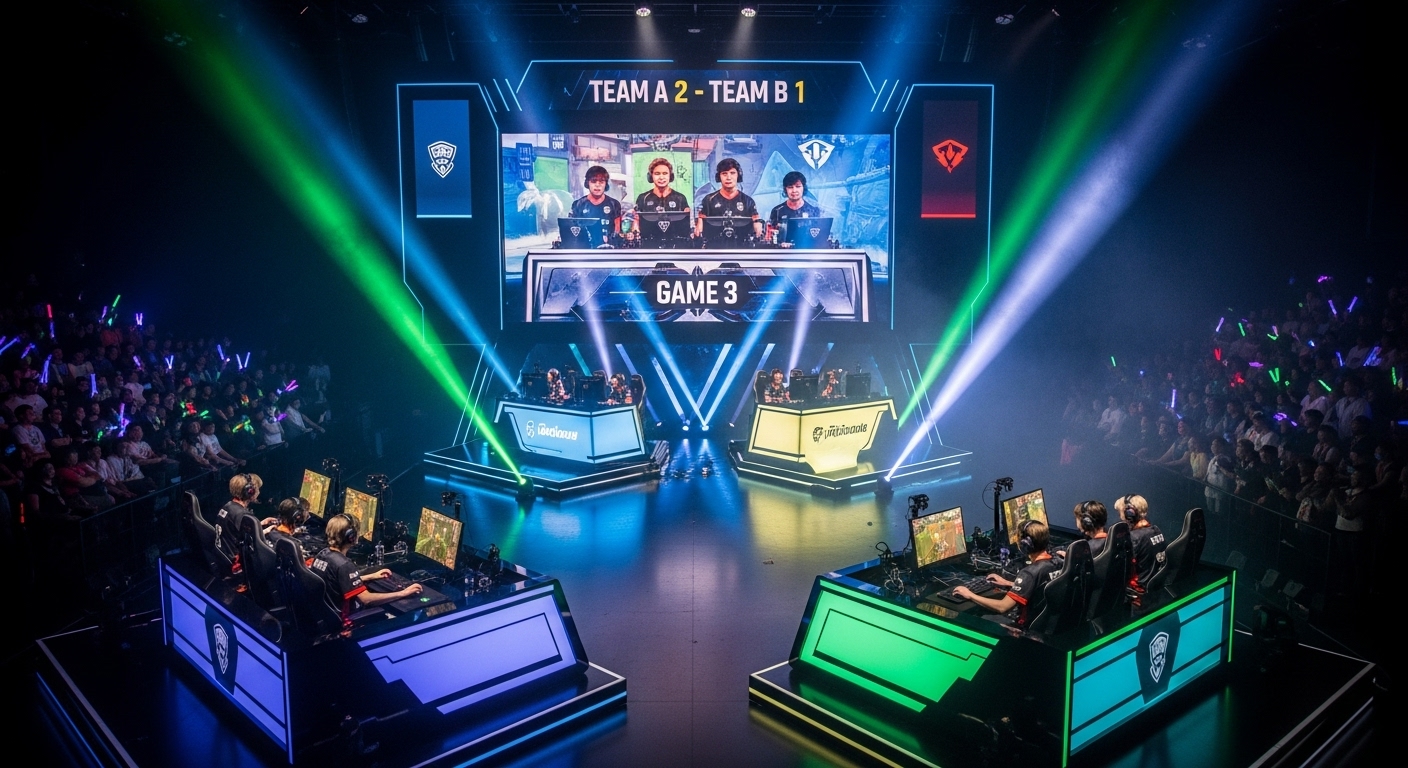
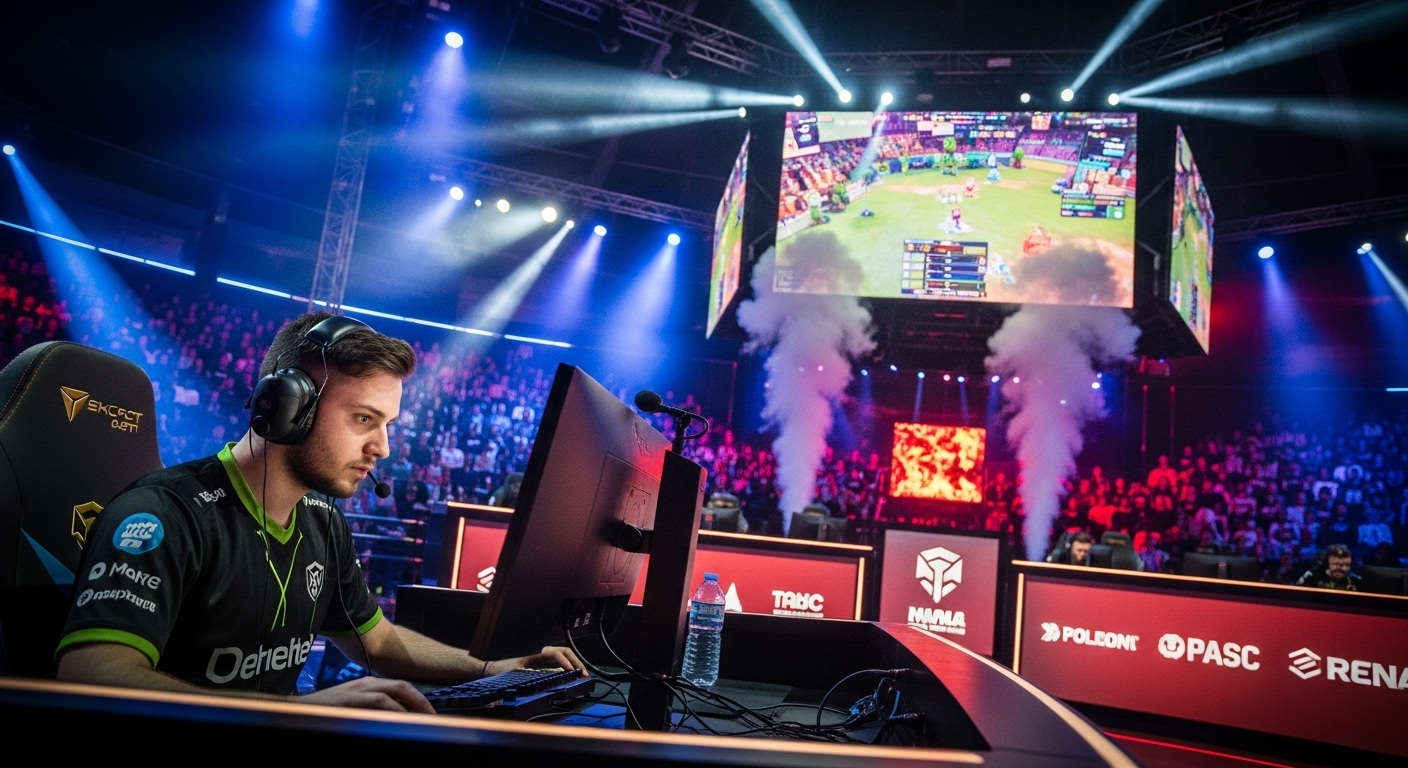
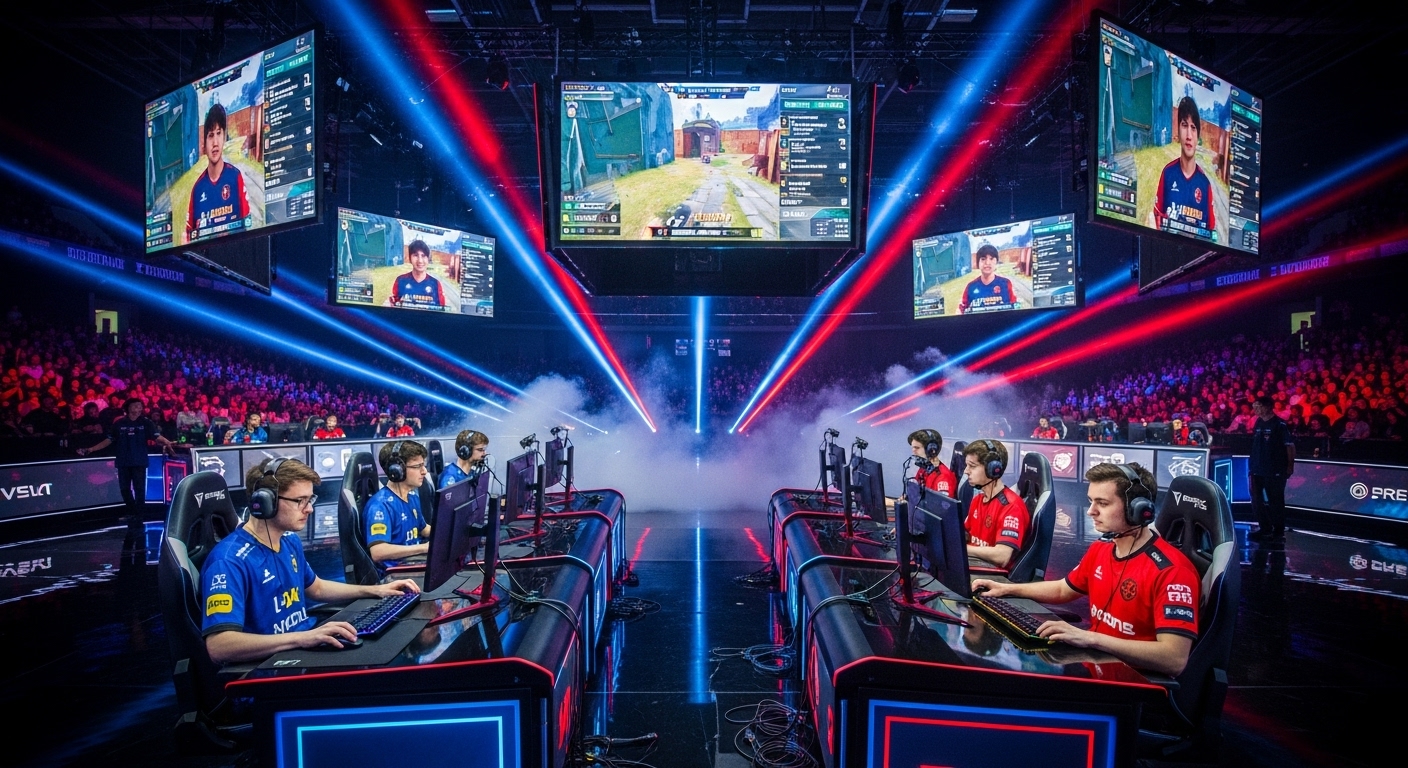
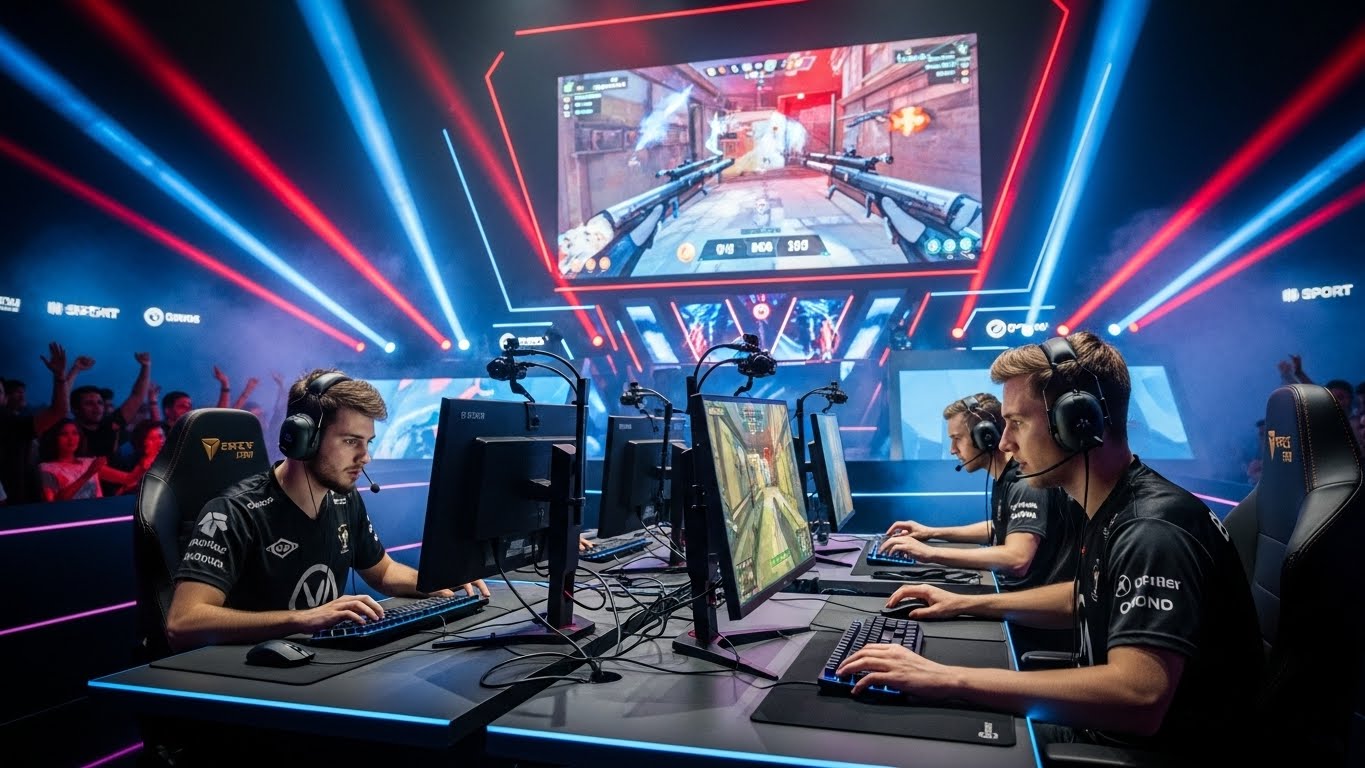
Esports has transformed from a niche hobby into a global entertainment powerhouse. What began decades ago with small LAN parties and local tournaments has evolved into an industry worth billions, drawing millions of viewers from every corner of the world. Today, esports arenas fill with cheering fans, professional teams earn sponsorships from major brands, and players train with discipline comparable to traditional athletes. This blog explores how esports became a cultural phenomenon, what drives its growth, and where the future of competitive gaming is headed.
The Early Foundations of Esports Culture
Before esports was a recognized term, video game competitions existed informally among enthusiasts. Classic arcade titles sparked the first wave of competitive play, where high scores were the ultimate bragging rights. As technology advanced, multiplayer PC games enabled players to connect from home and compete globally. Titles like strategy and shooter games laid the groundwork for what would become organized competitive gaming. This early era cultivated the spirit of challenge, teamwork, and rivalry that still defines esports today.
The Evolution of Professional Competitions
As gaming communities expanded, tournaments began to formalize. Event organizers saw the potential of structured competitions, complete with rules, brackets, and cash prizes. Developers started designing games with competitive balance in mind, giving rise to genres such as multiplayer online battle arenas, tactical first-person shooters, and real-time strategy games that demanded skill, teamwork, and fast decision-making. With the rise of professional leagues, esports athletes found opportunities to join organizations, practice in specialized environments, and represent their teams on the global stage.
Streaming Platforms as the Engine of Esports Growth
One of the biggest accelerators of esports was the arrival of digital streaming platforms. Instead of needing a traditional broadcasting network, esports events reached fans directly through online streams. This shift democratized access, allowing viewers from any country to watch tournaments live. Streamers and professional players built dedicated fan communities by broadcasting their gameplay and interacting with viewers in real time. The rise of online personalities helped fuel the cultural popularity of esports, turning gamers into influencers and entertainers.
The Spectator Experience: Why People Love Watching Esports
To outsiders, the idea of watching others play video games may seem unusual. Yet esports spectatorship has become a global phenomenon for compelling reasons. The games are fast-paced, visually dynamic, and strategically deep, offering endless variety in every match. Fans connect with their favorite teams and players, learning their playstyles, strengths, and signature moves. Commentators add excitement by breaking down strategies and building the intensity of each moment. Just like traditional sports, the emotional highs and lows keep audiences invested. Esports blends the thrill of competition with digital storytelling that resonates with modern viewers.
Esports as a Viable Career Path
What once was considered a hobby has become a legitimate profession. Professional esports players often follow rigorous training schedules, scrimmage with teammates, review gameplay footage, and study opponents. Coaches, analysts, team managers, and physical trainers contribute to the ecosystem supporting elite competitors. Beyond playing professionally, individuals can build careers in broadcasting, event production, content creation, game analysis, and community management. Universities now offer esports scholarships, and academic programs dedicated to gaming and digital media have gained widespread acceptance.
The Role of Technology in Shaping Competitive Play
Esports thrives at the intersection of entertainment and technology. High-performance gaming equipment, such as advanced monitors, responsive keyboards, and optimized graphics cards, enhances the competitive experience. Game developers constantly refine mechanics to ensure fairness and balance, creating environments where skill is the deciding factor. Innovations in virtual reality, artificial intelligence, and cloud computing are already influencing the next wave of competitive gaming. As technology evolves, esports will continue pushing the boundaries of interactive entertainment.
The Global Community and Cultural Impact
Esports is one of the few fields that transcends geographical boundaries. Players from Asia, Europe, North America, and beyond compete at the same high level, representing a truly global talent pool. International tournaments bring together diverse cultures, fostering communication and collaboration among players and fans. Cities around the world invest in esports infrastructure, hosting events that stimulate local economies and attract tourism. Esports has also played a role in reshaping modern youth culture, influencing fashion trends, music collaborations, and social media content.
Challenges Facing the Esports Industry
Despite its rapid rise, esports faces challenges that must be navigated carefully. Player burnout is a growing concern due to intense training schedules and long seasons. Maintaining integrity in competition is crucial, requiring clear rules, fair play standards, and strong anti-cheating measures. As the industry grows, financial stability and sustainable revenue models are essential for teams and organizers. Additionally, ensuring positive online behavior remains an ongoing focus, as preserving healthy communities is vital for long-term success.
The Future of Esports: What Lies Ahead
The trajectory of esports shows no sign of slowing down. With increasing investment, expanding global audiences, and continuous technological innovation, competitive gaming is set to rival traditional sports in influence and viewership. Mobile esports are bringing high-level play to regions where console and PC gaming were once less accessible. Virtual arenas and augmented reality may redefine the viewing experience, creating immersive interactions between fans and players. Meanwhile, game developers will continue releasing titles designed specifically for competitive ecosystems.
Esports and Education: A Growing Connection
Educational institutions are recognizing the social and cognitive benefits of gaming. Esports programs teach teamwork, communication, leadership, and problem-solving—skills that translate beyond the digital world. Schools and universities are forming varsity teams, building dedicated esports facilities, and integrating gaming into academic curricula. This shift challenges outdated stereotypes and positions esports as a positive force for personal development.
Conclusion: A New Era of Competitive Entertainment
Esports stands as one of the most significant digital revolutions of the modern era. It has reshaped how people connect, compete, and entertain themselves. Through passion, innovation, and community, esports has built a vibrant global culture that continues to evolve. Whether someone is a player, a casual viewer, or a dedicated fan, the world of esports offers excitement, inspiration, and endless possibility. As technology advances and the industry matures, the digital battlegrounds will only grow larger, welcoming new generations of competitors and spectators into the arena.