Introduction: The Birth of a Digital Phenomenon
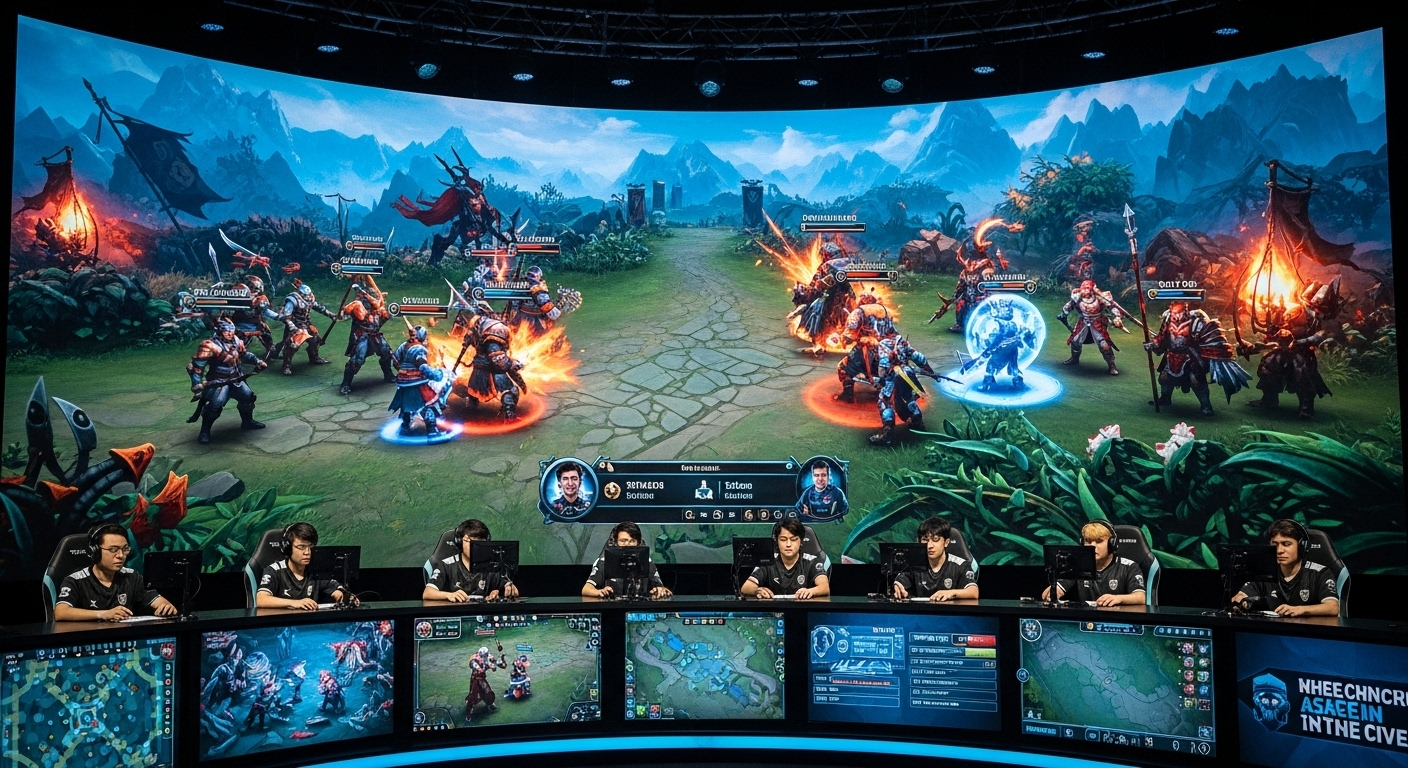
In the past few decades, entertainment has undergone a dramatic transformation. From the dusty playgrounds of traditional sports to the glowing screens of competitive gaming, the rise of esports has redefined what it means to be an athlete. Once dismissed as a casual hobby, video games have evolved into a billion-dollar global industry that draws millions of fans, players, and investors. Esports is not just a fleeting trend—it is a revolution in the way people connect, compete, and celebrate talent across digital boundaries.
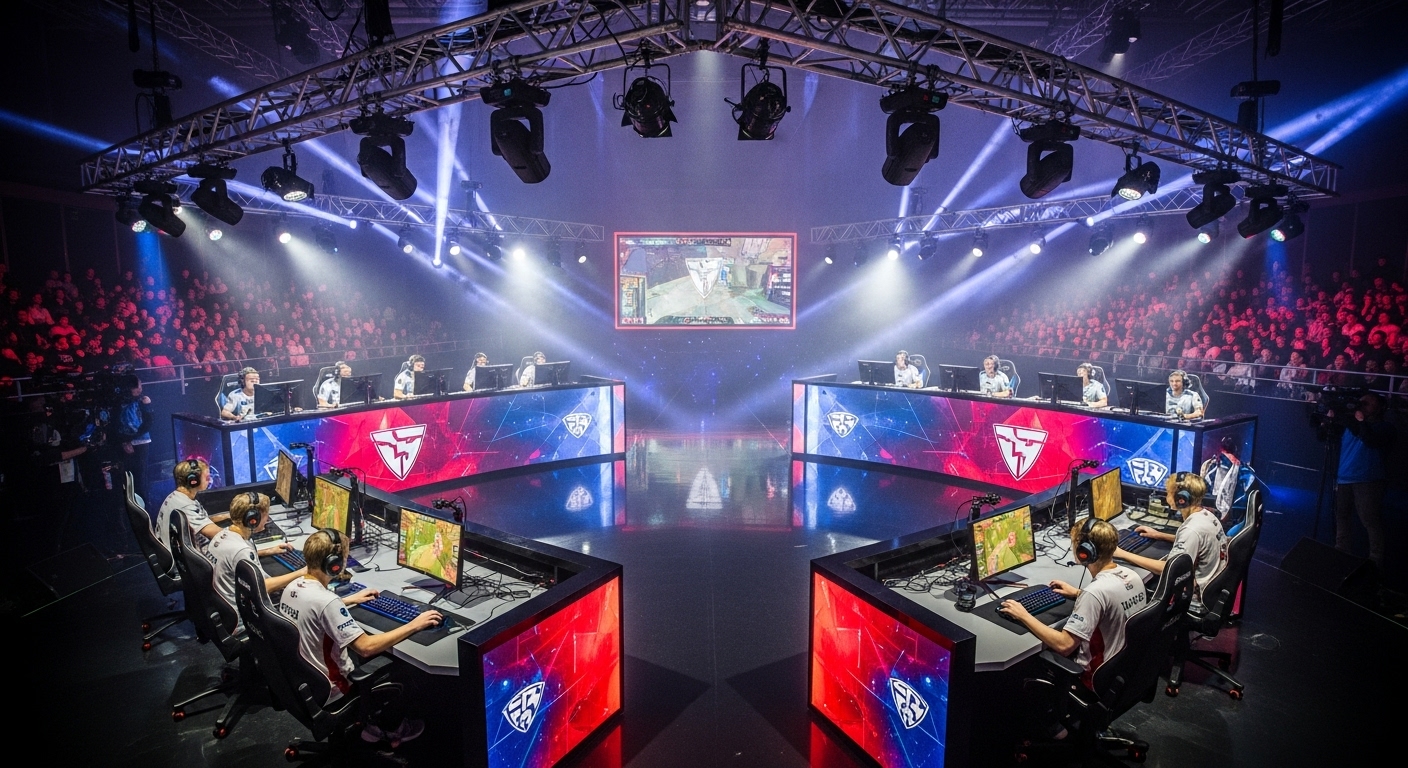
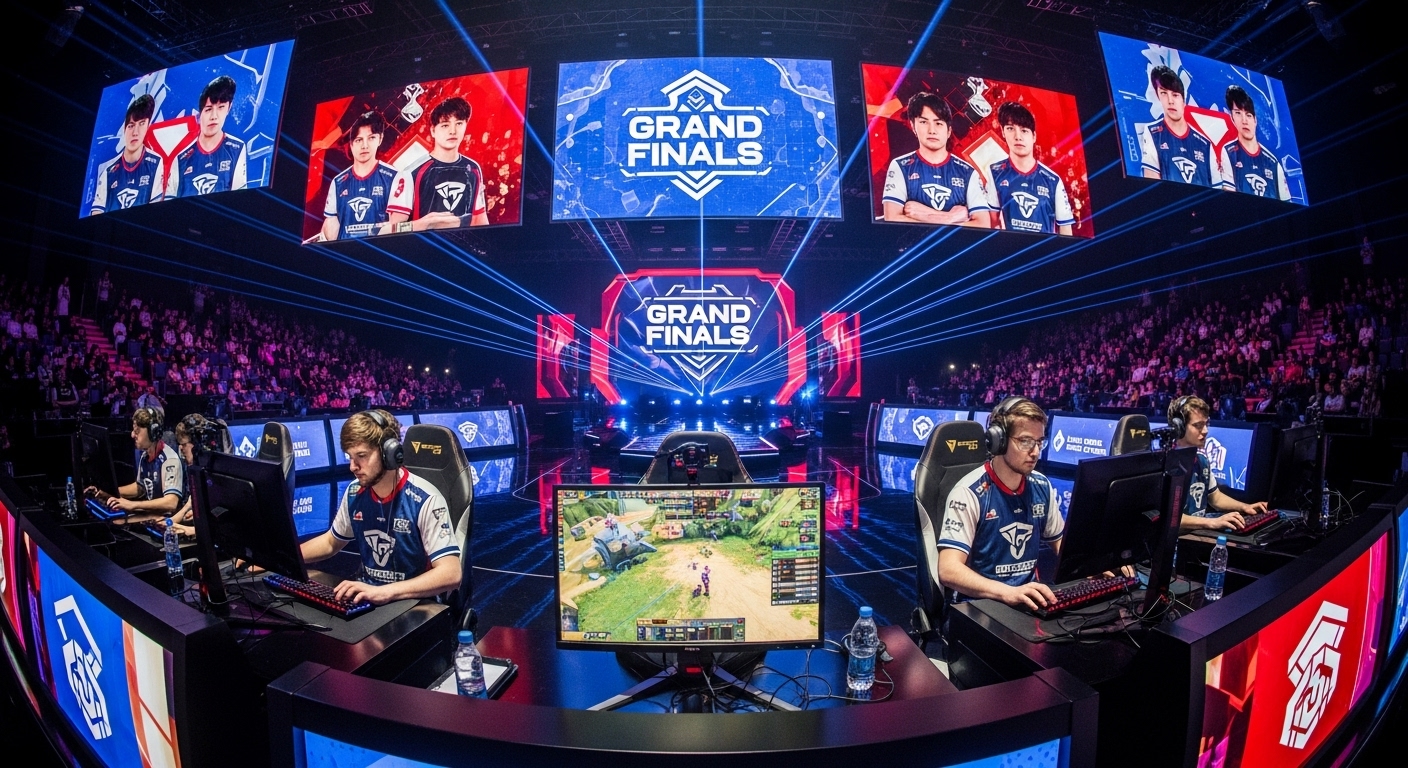
Esports, or electronic sports, refer to organized video game competitions, usually between professional players, either individually or as teams. What began as small gaming gatherings has now turned into packed arenas, roaring crowds, and massive online audiences rivaling those of traditional sports. The journey of esports is a story of passion, innovation, and cultural change that reflects how technology continues to reshape human experience.
The Humble Beginnings of Esports
The history of esports can be traced back to the early 1970s when gaming was still in its infancy. The first known video game competition took place at Stanford University in 1972, where players competed in a game called “Spacewar.” The winner received a magazine subscription, a small but symbolic prize that foreshadowed the spirit of future tournaments.
Through the 1980s and 1990s, arcade machines and consoles brought gaming into homes and public spaces. Titles like “Street Fighter,” “Mortal Kombat,” and “Super Smash Bros.” became cultural icons, and players started organizing local tournaments. The real boom came with the rise of the internet, which allowed gamers from different parts of the world to connect and compete without physical boundaries.
By the early 2000s, online multiplayer games such as “Counter-Strike,” “StarCraft,” and “Warcraft III” created global communities of players. South Korea, in particular, played a crucial role in shaping esports into a mainstream industry. The establishment of professional gaming leagues, dedicated TV channels, and sponsorship deals turned professional gamers into celebrities.
The Global Explosion of Esports
The 2010s marked the golden decade of esports. With platforms like Twitch and YouTube Gaming, fans could watch their favorite players and teams live, interact in real time, and become part of a digital fan community. Esports viewership skyrocketed, attracting audiences comparable to traditional sporting events like the Super Bowl or the World Cup.
Major game titles such as “League of Legends,” “Dota 2,” “Fortnite,” and “Overwatch” became the cornerstones of the esports scene. Each of these games developed its own ecosystem of tournaments, leagues, and star players. Prize pools grew dramatically, with tournaments like “The International” offering millions of dollars in rewards. Sponsors from technology, energy drinks, automotive, and fashion industries began pouring money into esports, seeing its potential to capture the youth market.
Today, esports is a global phenomenon spanning continents. Asia remains a powerhouse, with China, South Korea, and Japan leading in professional infrastructure and audience numbers. North America and Europe have established competitive leagues and training academies, while regions like the Middle East, Africa, and South America are rapidly growing in participation and investment.
The Esports Ecosystem: Players, Teams, and Fans
At the heart of esports lies a dynamic ecosystem that mirrors traditional sports. Professional players train rigorously, spending hours mastering gameplay mechanics, strategies, and teamwork. These players often belong to organized teams, managed by coaches, analysts, and physiotherapists who focus on both mental and physical well-being.
Teams compete in structured leagues or tournaments throughout the year, earning points, sponsorships, and fame. Some of the most recognizable esports organizations, such as FaZe Clan, T1, Cloud9, and G2 Esports, have become household names with millions of followers across social media. These teams not only compete but also create content, sell merchandise, and engage fans through live events and online interactions.
Fans form the emotional backbone of esports. They tune in to live streams, attend conventions, and passionately support their favorite teams. The relationship between fans and players is more personal than in traditional sports because of direct communication through social media and streaming platforms. This interactivity has fostered a strong sense of community, turning esports into a lifestyle rather than just a pastime.
Technology: The Driving Force Behind Esports
Esports owes its existence to technology. High-speed internet, powerful computers, and advanced gaming consoles have made seamless gameplay and global competition possible. Streaming platforms have democratized access to content, allowing anyone with an internet connection to watch and participate.
The integration of virtual reality, artificial intelligence, and 5G connectivity is expected to push esports even further. Virtual arenas may soon host fully immersive tournaments where spectators can feel as if they are sitting beside their favorite players. AI-driven analytics already help teams improve performance by analyzing gameplay data, predicting opponent strategies, and optimizing training routines.
Moreover, game developers continuously innovate to maintain engagement. They release updates, new characters, and features that keep the competition fresh. This adaptability ensures that esports remains exciting, relevant, and future-focused.
Economic Powerhouse: The Business of Esports
Esports has become one of the fastest-growing industries in the world. Revenue streams include sponsorships, media rights, merchandise, ticket sales, and digital content. Brands see esports as a gateway to connect with younger, tech-savvy audiences who spend more time on digital platforms than on traditional media.
Tournaments attract global sponsors, from hardware companies to luxury brands. Cities now bid to host major esports events because they bring tourism and global attention, much like the Olympics. Universities have also recognized the economic potential, offering scholarships and degrees in esports management, game design, and event production.
Additionally, esports has created thousands of jobs across various fields. Commentators, video editors, event organizers, designers, and marketing specialists all contribute to the thriving ecosystem. It is not just about playing games; it is about sustaining an entire industry that combines creativity, business, and technology.
The Cultural Impact of Esports
Esports has transcended the boundaries of gaming to become a cultural movement. It represents the spirit of the digital age—diverse, global, and connected. Gamers from different countries, languages, and backgrounds come together to share their passion. Unlike traditional sports that require physical proximity, esports offers inclusivity by allowing anyone with skill and dedication to compete on the world stage.
Pop culture has embraced esports wholeheartedly. Music artists, film producers, and fashion designers collaborate with gaming companies. Esports athletes appear on magazine covers, feature in advertisements, and are celebrated as influencers. Schools and parents are gradually acknowledging gaming as a legitimate pursuit, recognizing the discipline, teamwork, and cognitive skills it develops.
Esports also promotes social interaction and community building. Online forums, fan art, cosplay, and live conventions have created a vibrant culture that extends beyond the game itself. For many, esports is more than competition—it is a form of self-expression and belonging.
Challenges Facing Esports
Despite its success, esports faces several challenges. The mental and physical strain on professional players is immense. Long hours of practice can lead to burnout, repetitive strain injuries, and mental health issues. The industry is still developing standardized rules regarding player welfare, contracts, and labor rights.
Another challenge is maintaining integrity. Issues like cheating, match-fixing, and toxic behavior online threaten the credibility of esports. Developers and tournament organizers are working to implement stricter regulations and technological safeguards to ensure fair play.
Moreover, as the industry grows, it must address inclusivity and diversity. While esports communities are global, there are still barriers for women and underrepresented groups. Encouraging a safe, welcoming environment is essential for long-term sustainability.
Education and Esports: A New Frontier
Education systems around the world are beginning to integrate esports into their curriculum. Schools and universities recognize that gaming is not just entertainment but also a platform for developing strategic thinking, leadership, and collaboration. Competitive gaming programs teach students about digital media, event management, and marketing.
Several institutions have established esports academies that train aspiring professionals in gameplay, broadcasting, and business management. These initiatives bridge the gap between gaming passion and career opportunities, giving young people a chance to turn their hobby into a profession.
The Future of Esports
The future of esports looks brighter than ever. With continued technological innovation, growing mainstream recognition, and increasing investments, it is poised to become one of the defining entertainment industries of the 21st century. The line between traditional sports and esports is blurring, with major sports franchises investing in gaming teams and broadcasters airing esports tournaments alongside football and basketball.
Virtual and augmented reality will create even more immersive experiences. Blockchain technology and digital collectibles may revolutionize player rewards and fan engagement. As society becomes more digitized, esports will remain at the forefront of global entertainment, education, and innovation.
Conclusion: The Legacy of a Digital Generation
Esports is not merely a trend; it is the evolution of human competition in the digital era. It combines skill, creativity, strategy, and technology in ways that capture the imagination of millions. From humble beginnings to massive global arenas, the journey of esports reflects the power of human innovation and connection.
The rise of esports is a testament to how passion and technology can merge to create something extraordinary. It has transformed gaming from a solitary pastime into a shared cultural experience that celebrates talent, perseverance, and community. As the world continues to evolve, esports will remain a symbol of how digital dreams can become reality—a legacy of a generation that redefined what it means to play, compete, and inspire.