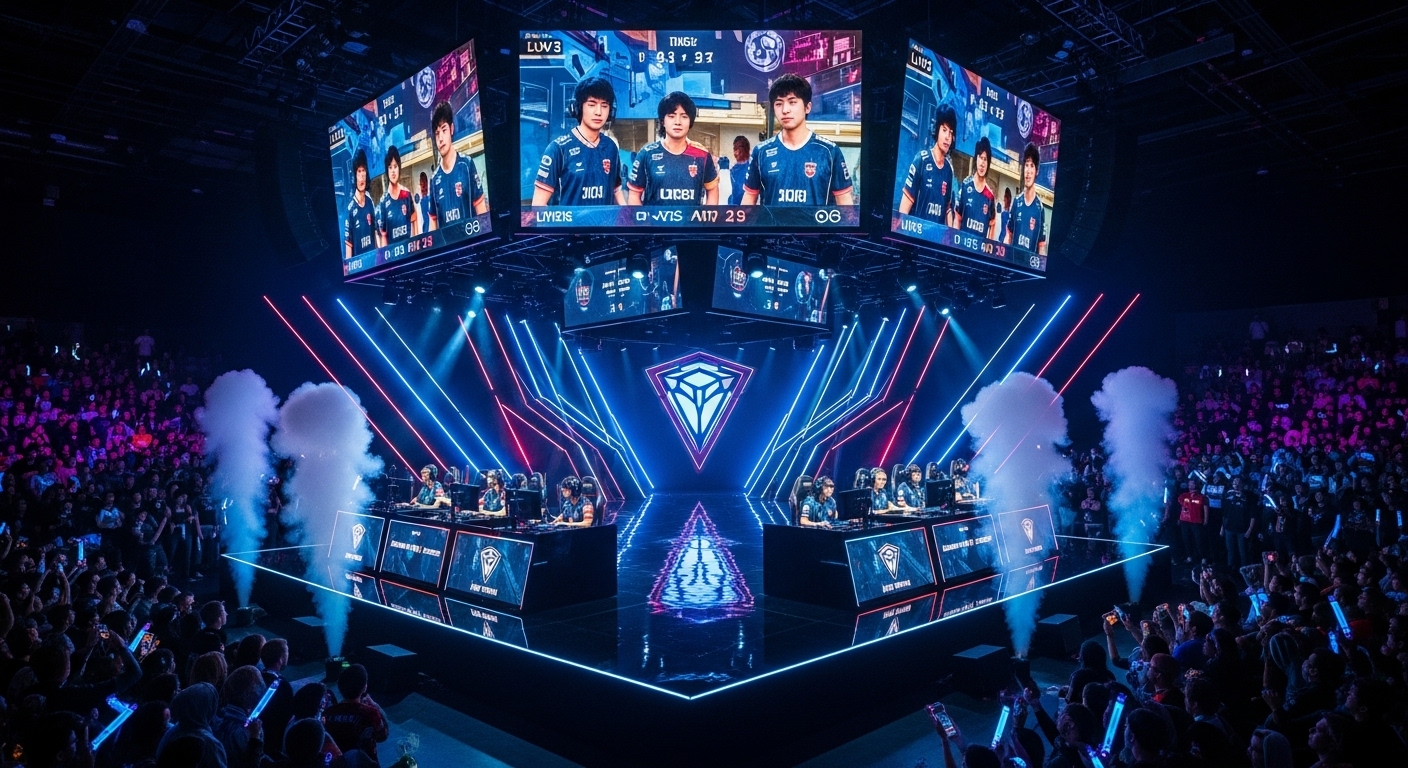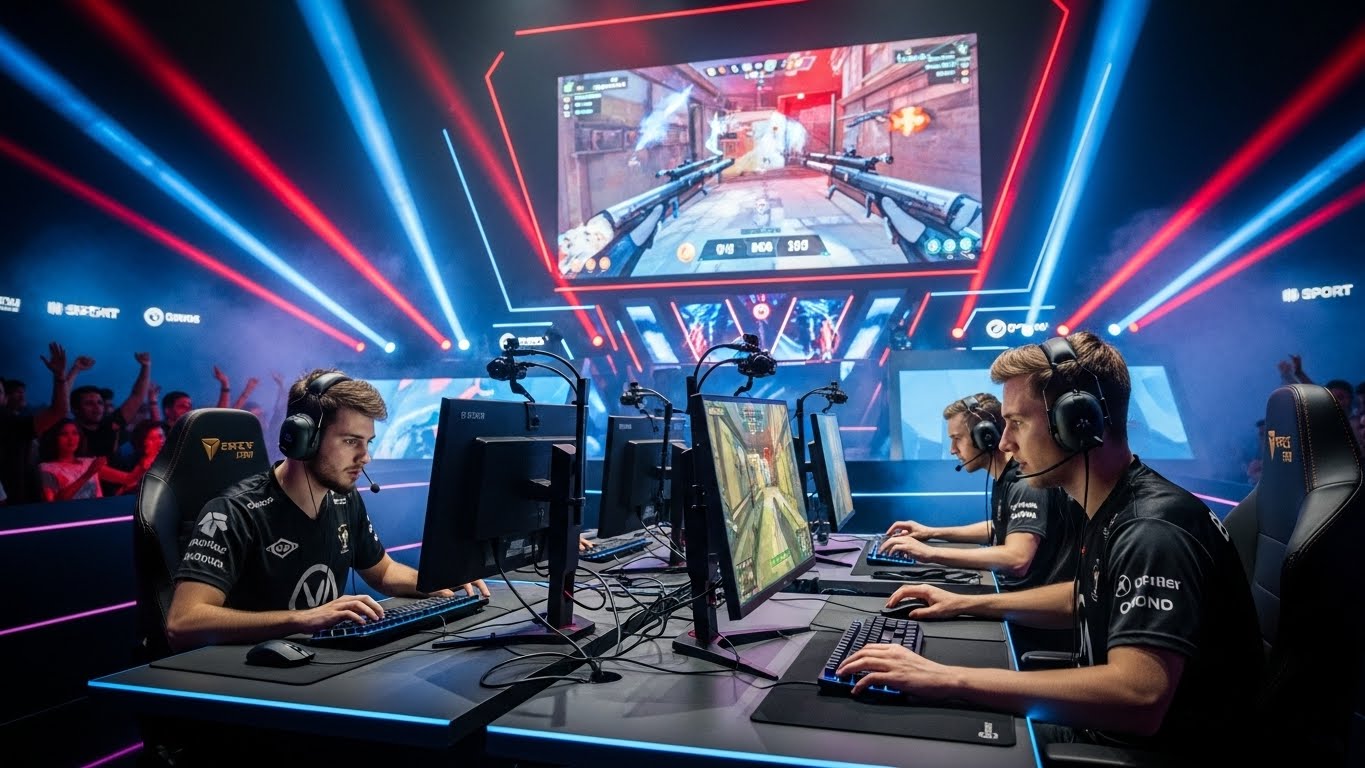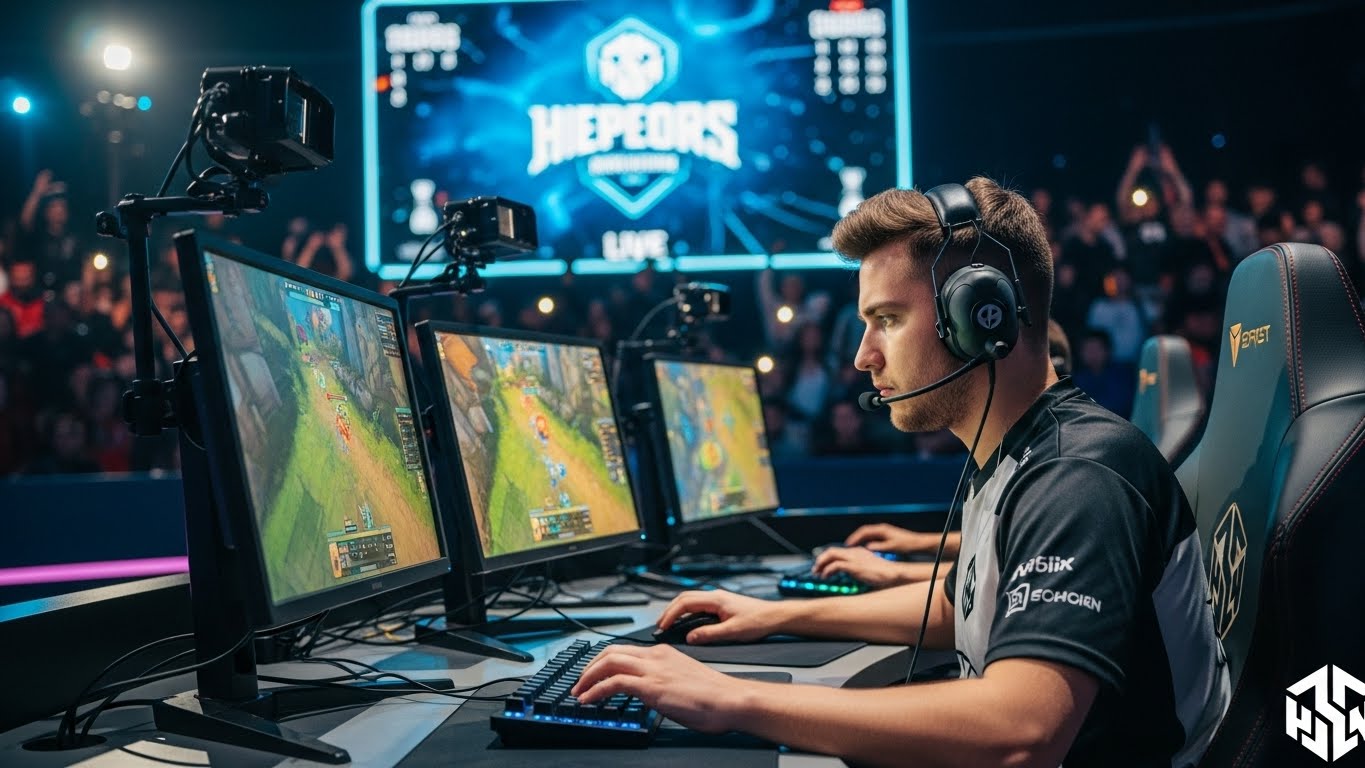
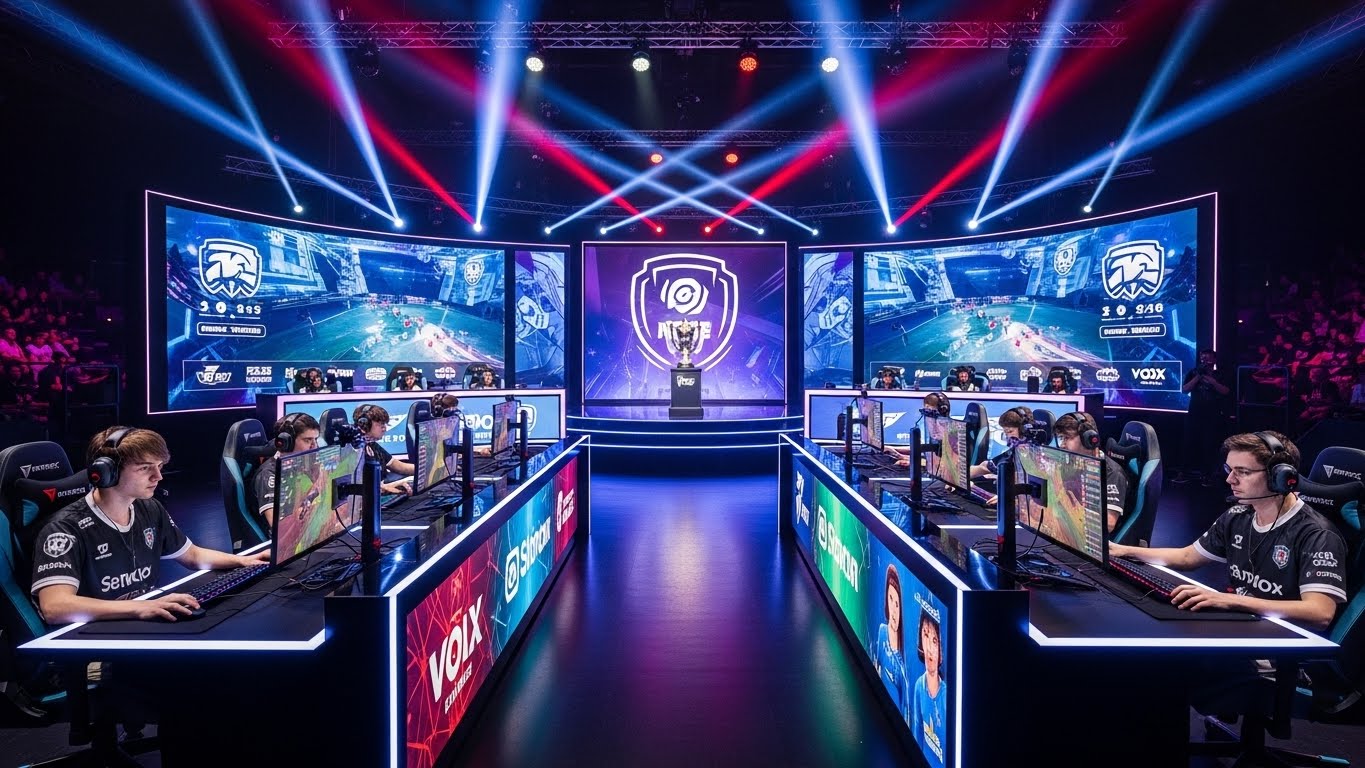
Esports has rapidly evolved from casual competitive gaming into one of the most influential entertainment industries of the modern era. What was once a pastime limited to arcades and home consoles has transformed into a global phenomenon with professional players, massive tournaments, dedicated fan bases, and growing cultural relevance. Esports now stands at the intersection of technology, sports, and digital media, reshaping how competition is perceived and experienced. This blog explores the origins of esports, its structure, cultural significance, challenges, and the future that lies ahead for competitive gaming.
Understanding Esports and Competitive Gaming
Esports, or electronic sports, refers to organized competitive video gaming where players or teams compete against each other under formal rules. Unlike casual gaming, esports requires intense skill, strategic thinking, teamwork, and mental discipline. Matches are often played in front of live audiences and streamed to millions of viewers worldwide.
Professional esports players train rigorously, often following structured schedules similar to traditional athletes. Reaction time, hand-eye coordination, communication, and adaptability are essential skills. Esports competitions span multiple game genres, each with its own competitive ecosystem, rules, and audience.
The Origins and Growth of Esports
The roots of esports can be traced back to the early days of video games, when players competed for high scores in local arcades. Early tournaments were small and informal, but they laid the groundwork for organized competition. As home consoles and personal computers became more accessible, competitive gaming expanded into online multiplayer experiences.
The rise of broadband internet marked a turning point, enabling players from different regions to compete in real time. Certain countries embraced esports early, developing professional leagues and player support systems. Over time, streaming platforms allowed fans to watch matches live, turning esports into a spectator sport and accelerating its global growth.
Major Esports Game Genres
Esports encompasses a wide variety of game genres, each appealing to different types of players and audiences.
First-person shooters focus on precision, speed, and tactical awareness. Players must react quickly while coordinating with teammates to achieve objectives. These games are known for fast-paced action and high-pressure moments.
Multiplayer online battle arena games emphasize teamwork, strategy, and long-term planning. Teams control unique characters with specific roles, requiring coordination and communication to outplay opponents.
Real-time strategy games challenge players to manage resources, build units, and adapt strategies in real time. Success depends on decision-making, multitasking, and predictive thinking.
Fighting games are centered on one-on-one competition, where timing, reflexes, and mastery of mechanics determine the outcome. These games foster strong community engagement and intense rivalries.
Sports simulation games replicate real-world sports, allowing players to compete virtually using realistic rules and mechanics. These games bridge the gap between traditional sports fans and esports audiences.
The Structure of the Esports Industry
The esports ecosystem is supported by multiple interconnected elements that work together to sustain growth and competitiveness.
Professional players form the core of the industry. Many are signed to teams that provide salaries, coaching, housing, and support staff. These teams operate similarly to traditional sports organizations, focusing on performance, branding, and fan engagement.
Tournaments and leagues provide the competitive framework for esports. Events range from local competitions to international championships with significant prize pools. These tournaments attract global audiences and serve as milestones in the esports calendar.
Sponsors and organizations play a crucial role by funding teams, events, and broadcasts. Sponsorships allow esports to remain financially viable while offering brands access to engaged and tech-savvy audiences.
Fans are the lifeblood of esports. Through live attendance, streaming viewership, and online communities, fans drive engagement, shape narratives, and contribute to the culture surrounding competitive gaming.
Cultural and Social Impact of Esports
Esports has had a profound impact on global culture and social interaction. It has redefined what it means to be an athlete, proving that mental agility and digital skill can rival physical prowess. This shift has broadened the definition of competition and opened doors for individuals who may not fit traditional athletic molds.
Esports fosters global connectivity by bringing together players and fans from diverse backgrounds. Language barriers are often overcome through shared passion for games, creating inclusive communities built around mutual respect and competition.
Education has also embraced esports. Many institutions now offer esports programs, scholarships, and career pathways related to gaming, broadcasting, and game design. These initiatives help legitimize esports as a viable professional pursuit.
Career Opportunities in Esports
Beyond professional play, esports offers a wide range of career opportunities. Coaches analyze gameplay and develop strategies to improve team performance. Analysts and commentators provide insights and entertainment during broadcasts. Event organizers manage tournaments, while marketers build brand presence and fan engagement.
Content creators and streamers play a vital role in shaping esports culture. By sharing gameplay, tutorials, and commentary, they help grow audiences and inspire new players. Developers, designers, and engineers contribute by creating and maintaining the games that power the industry.
Esports has become an ecosystem where creative, technical, and strategic talents converge, offering diverse paths for individuals passionate about gaming.
Challenges Facing the Esports Industry
Despite its rapid growth, esports faces several challenges that must be addressed for sustainable development. Player burnout is a significant concern, as long practice hours and constant competition can take a toll on mental and physical health. Teams and organizations are increasingly recognizing the importance of rest, balance, and psychological support.
Another challenge is consistency and regulation. With no single governing body overseeing all esports, rules and standards can vary across games and regions. Establishing fair and transparent systems remains an ongoing effort.
Financial inequality within the industry is also an issue. While top players and teams earn substantial income, many aspiring professionals struggle to secure funding or stable opportunities. Ensuring broader financial sustainability is essential for long-term growth.
Technology and Innovation in Esports
Technology is the foundation of esports, driving both gameplay and spectator experience. Advances in hardware, software, and internet infrastructure have enabled smoother competition and higher-quality broadcasts.
Artificial intelligence and data analytics are increasingly used to analyze performance, develop strategies, and enhance training. Virtual reality and augmented reality hold potential to revolutionize how fans experience esports, offering immersive viewing options and interactive environments.
Broadcasting technology continues to evolve, improving production quality and audience engagement. Enhanced visuals, real-time statistics, and interactive features make esports broadcasts more dynamic and accessible.
The Future of Esports
The future of esports appears promising as technology, culture, and entertainment continue to converge. Esports is likely to gain further recognition as a legitimate competitive discipline, with deeper integration into mainstream media and global events.
Crossovers between traditional sports and esports will continue to grow, creating hybrid experiences that appeal to wider audiences. Grassroots initiatives and youth programs will nurture new talent, ensuring a steady pipeline of skilled players and professionals.
As awareness of mental health, inclusivity, and ethical practices increases, esports organizations will be better equipped to support players and communities. Responsible growth and innovation will shape the next chapter of competitive gaming.
Conclusion
Esports has transformed competitive gaming into a global cultural force, redefining entertainment, competition, and community in the digital age. With its diverse genres, professional structure, and passionate fan base, esports continues to expand its influence across industries and societies.
While challenges remain, the resilience and creativity of the esports ecosystem ensure its continued evolution. Esports is not merely a trend; it is a reflection of how technology and human ambition intersect to create new forms of expression and competition.
As digital arenas continue to grow, esports will remain at the forefront of innovation, inspiring future generations of players, fans, and creators. The story of esports is still being written, and its impact on the modern world is only beginning to unfold.