Introduction: The Rise of Esports
In recent years, esports has emerged as a global phenomenon, transforming the way people play, watch, and interact with games. What was once considered a niche hobby has become a multi-billion-dollar industry, attracting millions of players, fans, and investors worldwide. Esports is more than casual gaming—it is a competitive, organized, and highly strategic arena where individuals and teams showcase skill, strategy, and teamwork.
Unlike traditional sports, esports operates in a digital landscape, blending entertainment, technology, and competition. Players train rigorously, develop advanced strategies, and participate in tournaments with high stakes. Fans watch live streams, cheer for their favorite teams, and engage in communities that span continents. The rise of esports signals a cultural shift, where digital competition commands the same excitement, dedication, and respect as physical sports.
The History and Evolution of Esports
Esports is rooted in the early days of video gaming. In the 1970s and 1980s, arcade games and early console competitions brought players together in local competitions. Titles like Space Invaders and Pac-Man became competitive challenges, albeit on a small scale. The 1990s introduced multiplayer PC games, with titles like StarCraft and Counter-Strike igniting a new era of competitive gaming.
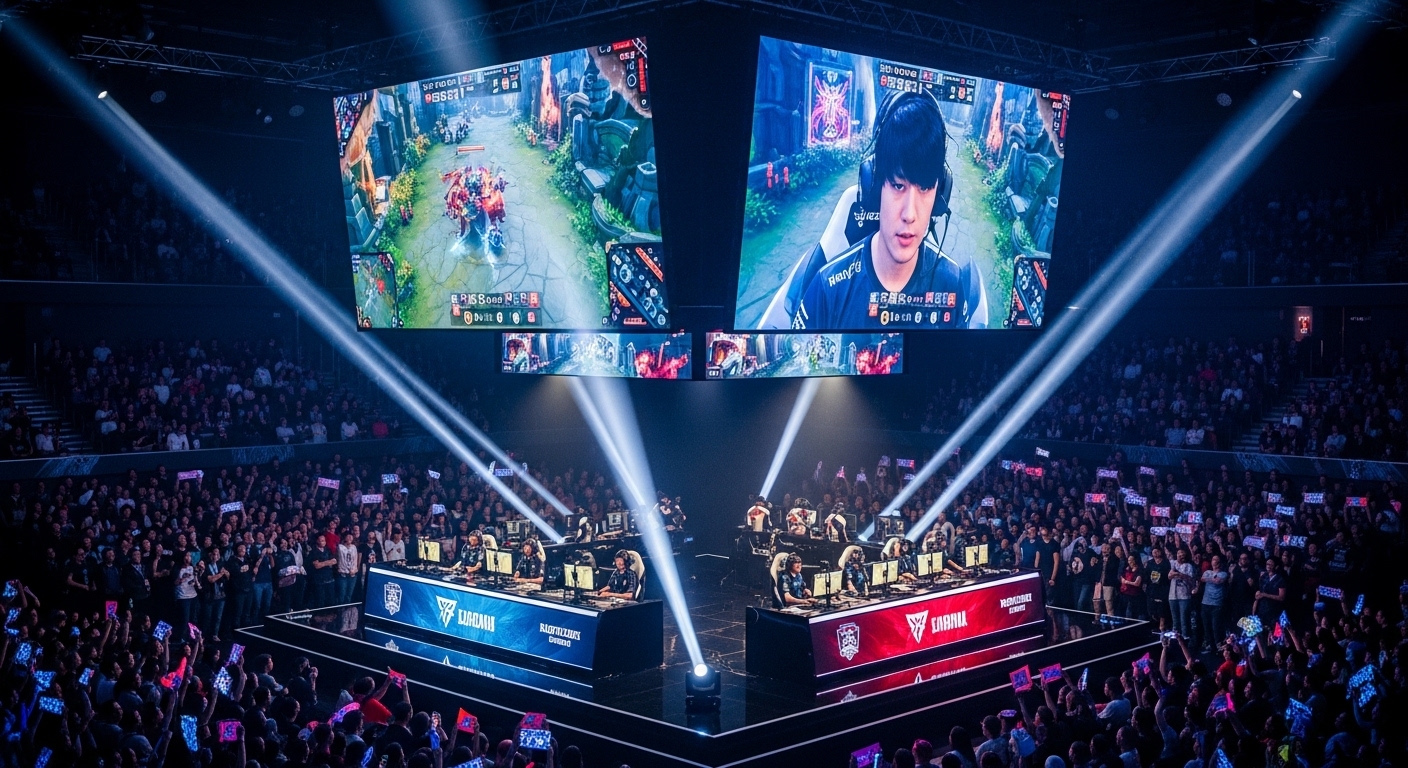
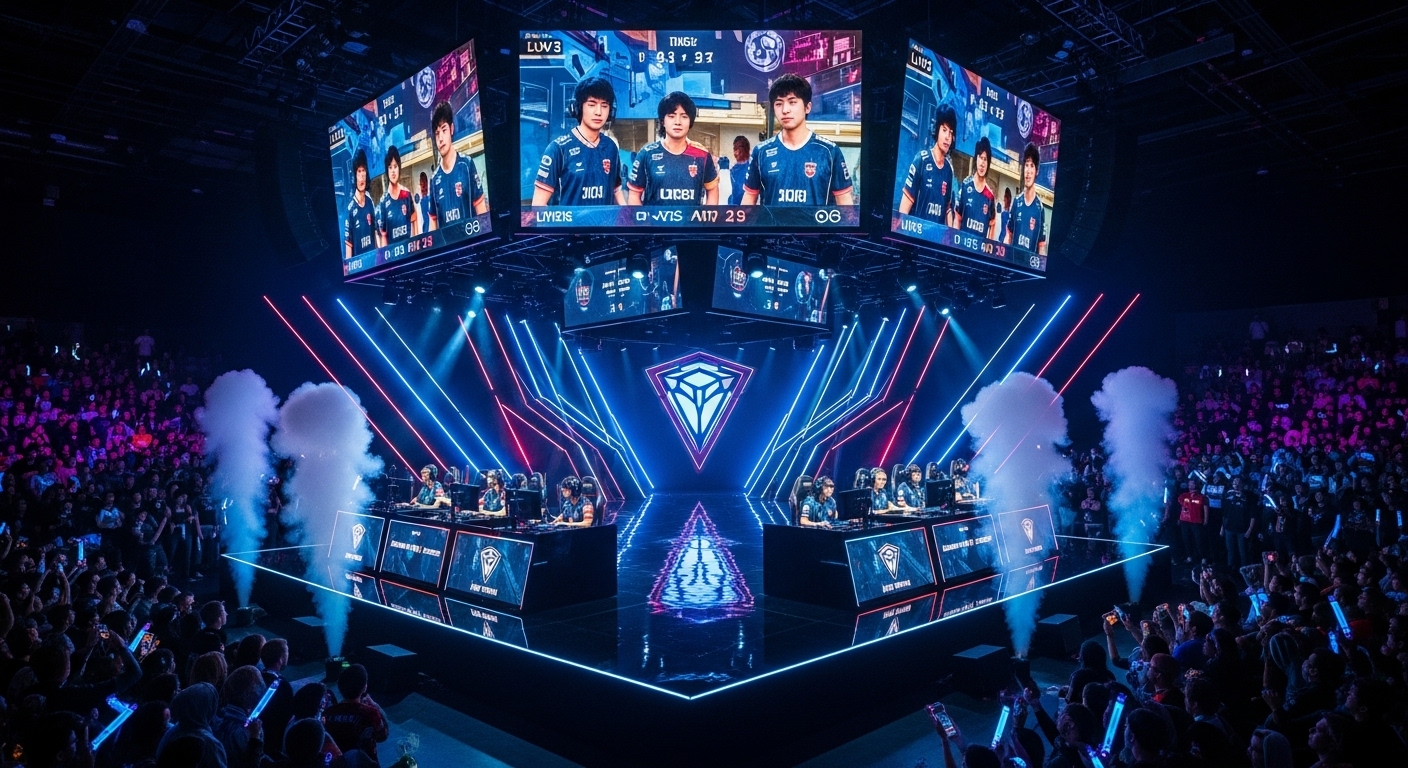
The 2000s marked a significant turning point. Internet connectivity allowed players to compete online, opening opportunities for global tournaments. Games like League of Legends, Dota 2, and Overwatch became staples of competitive play. Today, esports tournaments are hosted in massive arenas, streamed to millions of viewers, and often offer prize pools comparable to traditional sports championships.
Popular Esports Genres
Esports encompasses a wide variety of game genres, each requiring unique skills and strategies. The main categories include:
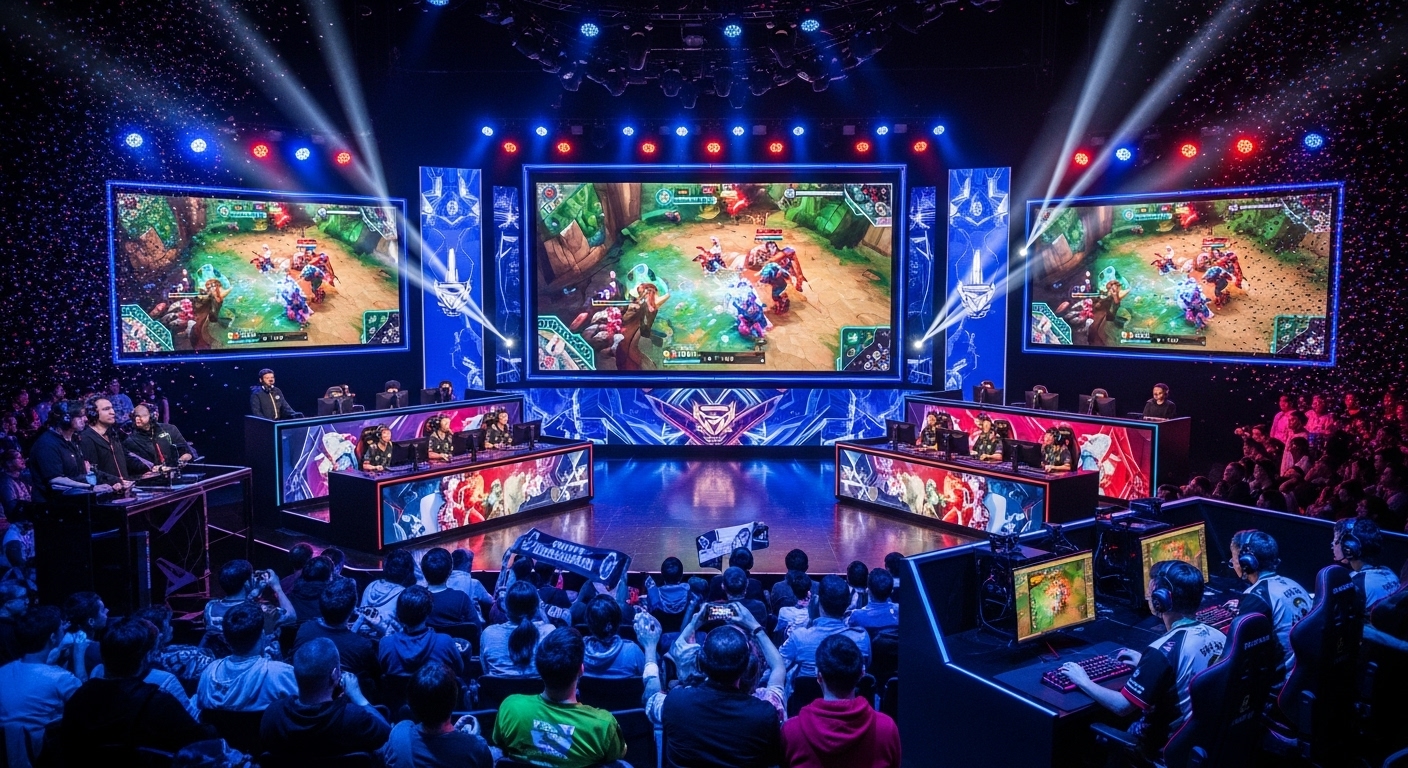
- Multiplayer Online Battle Arenas (MOBA): Games like League of Legends and Dota 2 focus on strategy, teamwork, and resource management. Players control a single character and work together to defeat opposing teams.
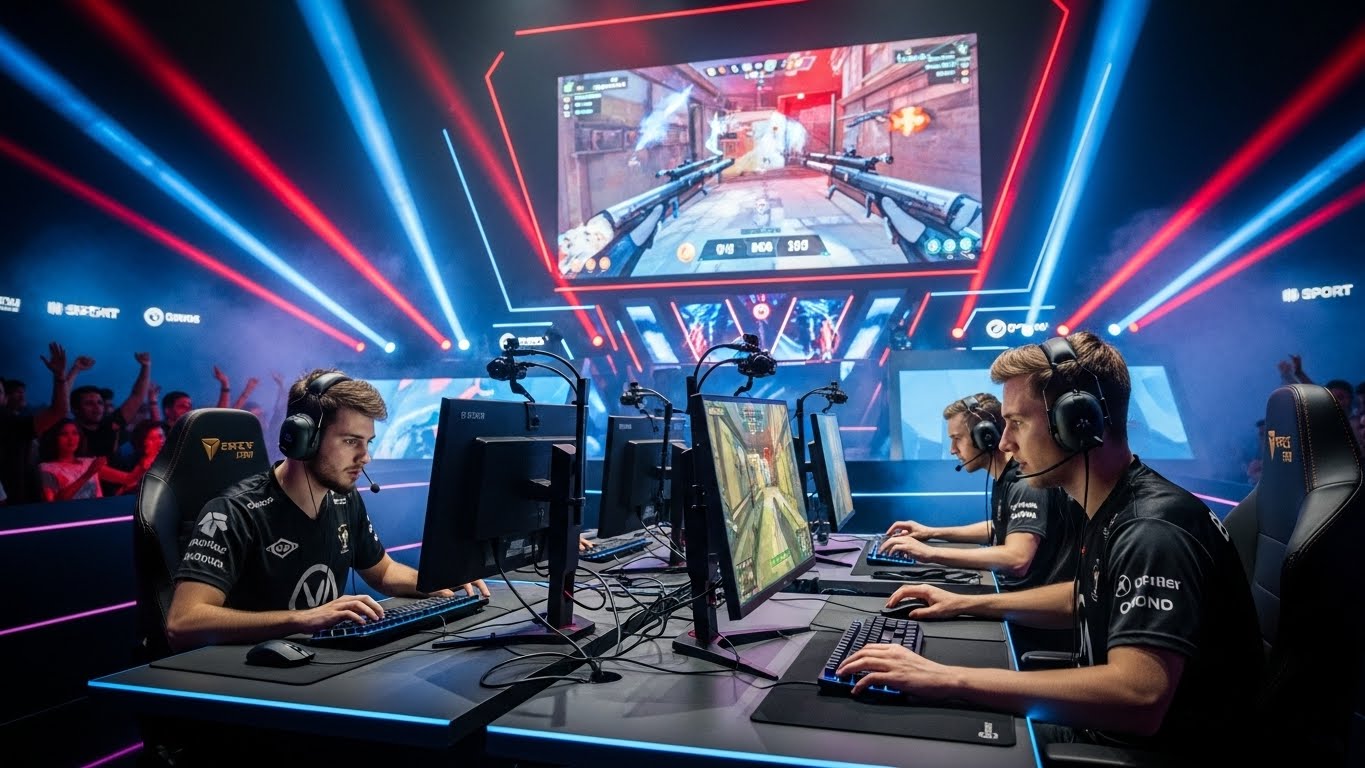
- First-Person Shooters (FPS): Titles such as Counter-Strike: Global Offensive, Call of Duty, and Valorant emphasize reflexes, accuracy, and tactical decision-making.
- Real-Time Strategy (RTS): Games like StarCraft II require strategic planning, multitasking, and quick thinking to control units and resources efficiently.
- Battle Royale: Games such as Fortnite and PUBG combine survival, strategy, and fast-paced action in large-scale competitions.
- Sports Simulations: Digital versions of traditional sports, like FIFA and NBA 2K, allow players to compete in familiar arenas using virtual avatars.
Each genre has its own competitive ecosystem, professional leagues, and fan base, reflecting the diversity and depth of esports.
The Physical and Mental Demands of Esports
Contrary to the misconception that esports is purely sedentary entertainment, professional gaming demands remarkable physical and mental endurance. Players often train for six to twelve hours daily, practicing strategies, refining mechanics, and analyzing opponents. This requires intense focus, hand-eye coordination, and reaction speed.
Mental resilience is equally critical. High-level competitions involve pressure, quick decision-making, and teamwork under stress. Players must manage anxiety, maintain concentration, and stay adaptable. Cognitive skills like pattern recognition, multitasking, and strategic planning are central to success. Esports athletes often follow strict routines, including physical exercise, nutrition, and mental coaching, to optimize performance.
Esports as a Global Industry
Esports has grown into a multi-billion-dollar industry with a professional infrastructure comparable to traditional sports. Revenue streams include tournament prize pools, sponsorships, advertising, merchandise, and streaming platforms. Major tournaments such as The International (Dota 2) and League of Legends World Championship offer prize pools exceeding millions of dollars, highlighting the financial stakes involved.
Streaming platforms like Twitch, YouTube Gaming, and other services have expanded viewership globally. Millions of fans watch live competitions, interact with players, and participate in digital communities. Sponsorships from technology brands, energy drinks, and sports companies have further legitimized esports as a professional and profitable field.
Community and Fan Culture
One of esports’ defining features is its vibrant community. Fans are not just spectators—they are active participants. They engage through live streams, forums, social media, and fan clubs, creating a culture that celebrates both skill and personality. Esports fandom often mirrors traditional sports in passion, loyalty, and rivalry.
Online communities facilitate learning and collaboration. Amateur players can watch professional matches, study strategies, and improve their own skills. Fans create content, analyze gameplay, and even contribute to shaping the esports meta. This interactive culture strengthens the connection between players and audiences, fostering a unique form of engagement.
Youth and Educational Opportunities
Esports has significant appeal among young people. Many schools and universities now offer esports programs, scholarships, and competitive teams. These programs teach discipline, teamwork, strategic thinking, and technical skills. Unlike traditional sports, esports allows students to engage in competitive activities without geographic limitations, fostering inclusivity and accessibility.
Moreover, esports can open career paths beyond playing professionally. Opportunities exist in coaching, event management, broadcasting, game development, marketing, and analytics. For many, esports serves as a bridge between gaming passion and professional development, demonstrating that the digital arena offers legitimate career opportunities.
The Role of Technology in Esports
Technology is central to esports’ growth. High-performance computers, gaming peripherals, and fast internet connectivity are essential for competitive play. Data analytics, artificial intelligence, and software tools help players analyze performance, identify patterns, and improve strategies.
Streaming technology allows tournaments to reach a global audience instantly. Augmented reality, virtual reality, and immersive viewing experiences are also shaping the future of esports entertainment. Technology ensures fairness through monitoring tools and anti-cheat software, maintaining the integrity of competition.
Esports and Mental Health
While esports offers excitement and opportunities, it also presents challenges related to mental health. Extended practice sessions, pressure to perform, and online scrutiny can lead to stress, anxiety, and burnout. Professional organizations are increasingly prioritizing mental well-being, providing counseling, support programs, and structured routines to help players manage the demands of competitive gaming.
Healthy balance, physical exercise, and proper rest are emphasized to sustain long-term performance. Mental health awareness is essential not only for players but also for the community, fostering a culture of respect, empathy, and responsible engagement.
Esports and Social Impact
Esports is more than a digital competition; it has significant social implications. It promotes inclusivity, bridging gaps across gender, age, and physical ability. Adaptive gaming and online accessibility allow players of diverse backgrounds to participate and compete at high levels.
Esports also fosters global connections. Players and fans interact across borders, share strategies, and celebrate achievements collectively. Community events, charity tournaments, and online initiatives demonstrate how esports can have a positive impact beyond entertainment, promoting social engagement and cultural exchange.
The Future of Esports
The future of esports is both promising and dynamic. Emerging technologies, expanding audiences, and professionalization will continue to drive growth. E-sports may increasingly integrate with traditional sports, virtual reality experiences, and global entertainment.
Educational institutions will likely continue developing programs that combine academics, technology, and competitive gaming. The industry may also see further regulation, standardized training, and wellness protocols to protect players and ensure fair competition. Esports has the potential to become a mainstream form of entertainment and a recognized pillar of modern culture.
Conclusion: Redefining Competition in the Digital Age
Esports has redefined the meaning of competition and entertainment. It demonstrates that skill, strategy, and teamwork can thrive in digital arenas just as they do in physical sports. The industry’s growth reflects the convergence of technology, culture, and passion, offering opportunities for players, fans, and businesses alike.
More than a trend, esports represents a cultural shift in how we perceive games, competition, and achievement. It is a space where talent is celebrated, communities thrive, and boundaries are transcended. The digital arena has proven that competition is universal, and its impact will continue shaping entertainment, education, and society for years to come.