
Introduction: A New Era of Competition
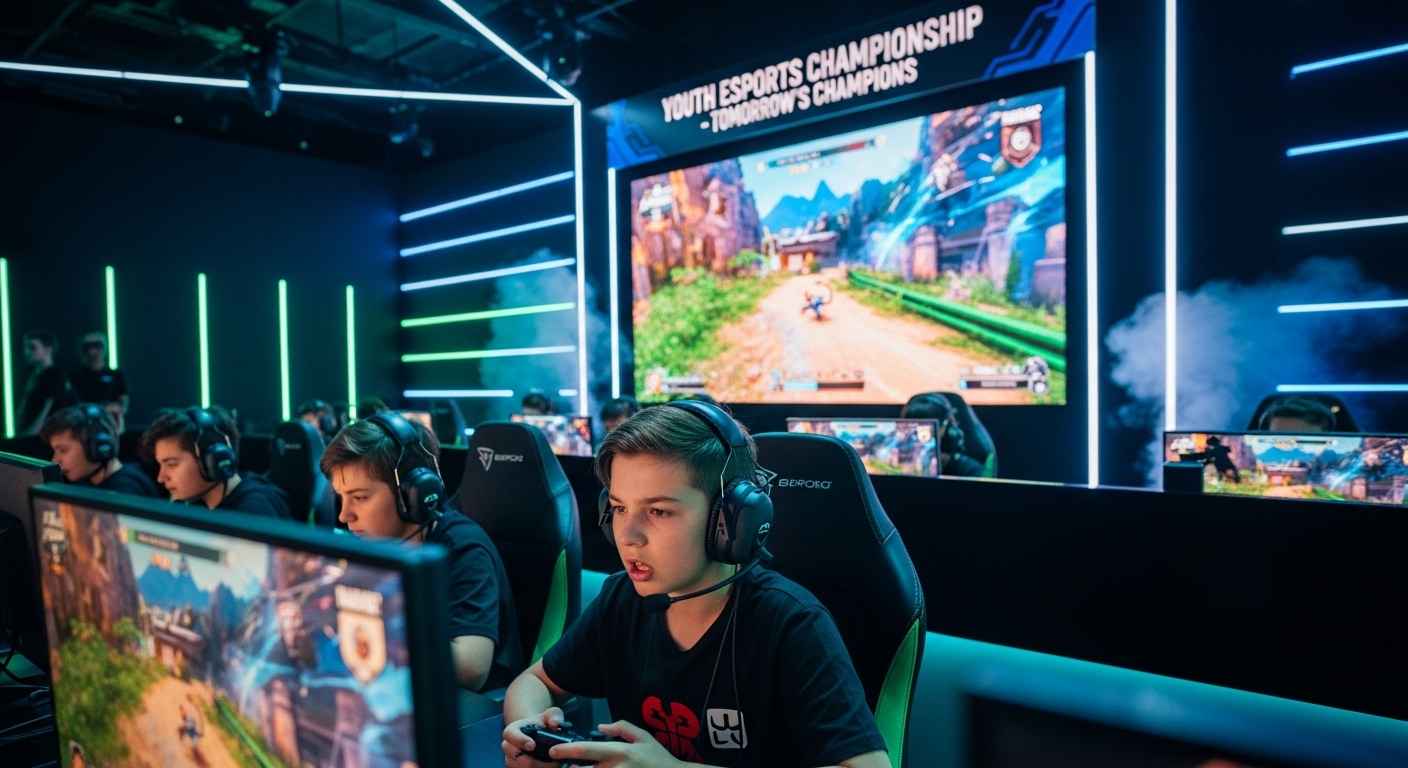
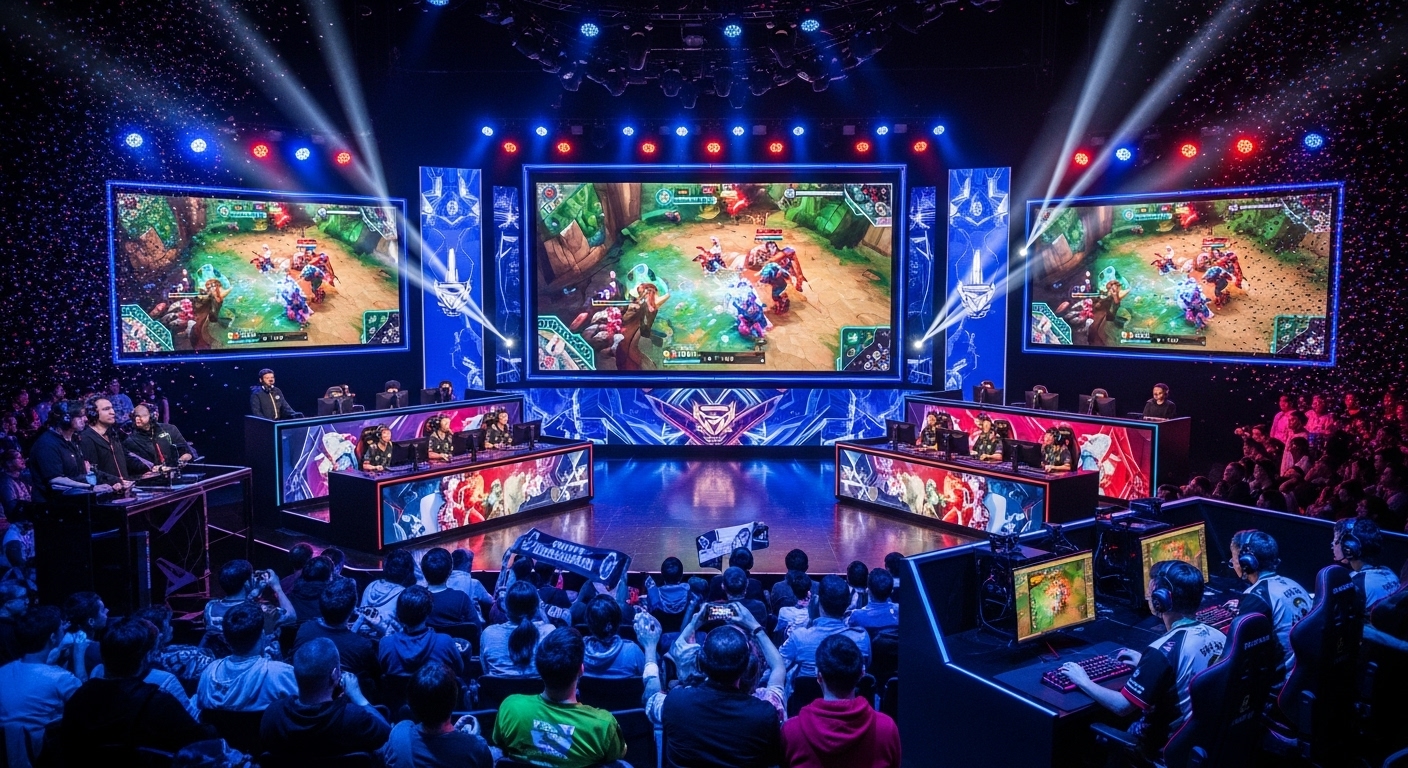
Esports, short for electronic sports, has emerged as one of the most influential forms of modern competition. What once began as casual gaming among friends has evolved into a global industry with professional players, massive audiences, and structured tournaments. Esports is no longer just entertainment; it is a cultural, economic, and social force shaping how people interact with technology and competition. This blog explores the rise of esports, its impact on individuals and society, and why competitive gaming has secured a lasting place in the future of sports and entertainment.
The Origins of Esports
The roots of esports can be traced back to the early days of video gaming when players competed for high scores in arcades and small community events. As technology advanced and home gaming systems became more common, competitive gaming grew steadily. The introduction of online multiplayer gaming marked a turning point, allowing players from different regions to compete in real time. Over time, organized tournaments, dedicated teams, and professional leagues emerged, transforming esports from a hobby into a structured competitive ecosystem.
Understanding What Esports Really Is
Esports refers to organized, competitive video gaming where players or teams compete against one another under official rules. These competitions often involve strategy-based games, action games, and sports simulations. Unlike casual gaming, esports demands discipline, practice, and tactical understanding. Professional esports players train for hours daily, studying gameplay mechanics, improving reaction times, and refining teamwork. Esports combines elements of traditional sports, such as competition and spectatorship, with digital innovation and global connectivity.
The Skills Required to Succeed in Esports
Success in esports requires a wide range of skills beyond simple gameplay. Players must possess exceptional hand-eye coordination, fast reflexes, and precise motor control. Mental skills are equally important, including concentration, adaptability, and decision-making under pressure. Strategic thinking plays a major role, as players must analyze opponents, manage resources, and adjust tactics instantly. Communication skills are essential in team-based esports, where coordination and trust can determine the outcome of a match.
Mental Strength and Psychological Demands
Esports is mentally demanding, often placing players under intense pressure during competitions watched by millions. Players must remain calm, focused, and confident while facing unpredictable situations. Mental resilience is crucial, as losses, mistakes, and public criticism are common. Many professional teams now emphasize mental training, mindfulness, and psychological support to help players manage stress and maintain performance. This focus highlights the seriousness of esports as a competitive discipline.
Physical Health in Competitive Gaming
Although esports does not involve running or physical contact, physical health still plays an important role. Long hours of gameplay can strain the eyes, wrists, and posture if not managed properly. Professional players often follow fitness routines to improve endurance, flexibility, and overall health. Proper nutrition, sleep, and exercise contribute to better focus and reaction time. The growing emphasis on physical well-being shows that esports athletes must care for their bodies just as traditional athletes do.
Teamwork and Leadership in Esports
Team-based esports require exceptional cooperation and leadership. Players must communicate effectively, share information quickly, and trust each other’s decisions. Team leaders or captains often guide strategy, motivate teammates, and maintain morale during challenging moments. These experiences help players develop leadership qualities and interpersonal skills that are valuable beyond gaming. Esports demonstrates how digital competition can build real-world teamwork and collaboration.
The Esports Industry and Its Economic Impact
Esports has grown into a powerful global industry generating significant revenue. Income streams include sponsorships, advertising, merchandise, tournament prizes, and media rights. Professional players earn salaries, prize money, and brand endorsements, making esports a legitimate career option. The industry also creates jobs in coaching, broadcasting, event organization, marketing, and game development. Esports contributes to economic growth while opening new career pathways for young professionals.
Esports and Education
Educational institutions are increasingly embracing esports as a tool for learning and development. Schools and universities now offer esports clubs, competitive teams, and even scholarships. Participation in esports encourages problem-solving, time management, and digital literacy. Academic programs related to esports management, game design, and media production prepare students for careers in the gaming industry. By integrating esports into education, institutions recognize its potential to engage students and develop modern skill sets.
The Global Esports Community
One of the most powerful aspects of esports is its ability to connect people worldwide. Players and fans interact across cultures and time zones through online platforms and live events. This global community promotes inclusivity and shared passion, allowing individuals to bond over common interests regardless of background. Esports has become a digital meeting place where friendships, rivalries, and creative expression flourish.
Women and Diversity in Esports
The esports industry has historically been male-dominated, but diversity is gradually increasing. More women are entering competitive gaming as players, commentators, coaches, and organizers. Efforts to create inclusive environments have helped challenge stereotypes and encourage participation from underrepresented groups. Greater diversity strengthens esports by bringing new perspectives, talents, and ideas. As inclusivity continues to grow, esports moves closer to representing the global audience it serves.
The Role of Media and Streaming
Streaming and digital media have played a major role in esports’ popularity. Live broadcasts allow fans to watch competitions, interact with players, and follow their favorite teams. Commentary and analysis enhance the viewing experience, making esports accessible even to newcomers. Content creation has become a career in itself, with streamers and analysts building large audiences. Media exposure has transformed esports into a spectator sport with worldwide appeal.
Challenges Facing Esports
Despite its success, esports faces several challenges. Player burnout, mental health concerns, and intense competition can affect long-term well-being. Issues such as cheating, unfair play, and online harassment threaten the integrity of the industry. Financial instability for smaller teams and lack of standardized regulations also present obstacles. Addressing these challenges requires responsible leadership, ethical standards, and ongoing support for players and organizations.
Technology and the Future of Esports
Technological innovation continues to shape the future of esports. Advancements in gaming hardware, artificial intelligence, and immersive technologies are enhancing both gameplay and viewer experiences. Mobile gaming is expanding access to esports, allowing more players to participate globally. As technology evolves, esports will continue to adapt, offering new formats, platforms, and opportunities for competition and engagement.
Conclusion: Esports as a Lasting Movement
Esports is more than competitive gaming; it is a cultural movement redefining entertainment, sports, and digital interaction. It challenges traditional ideas of athleticism while highlighting the importance of mental skill, teamwork, and innovation. Esports creates communities, career opportunities, and shared experiences for millions worldwide. As the industry matures, its influence will only continue to grow, proving that competition beyond the screen can have real-world impact. Esports represents the future of competition in a digitally connected world.