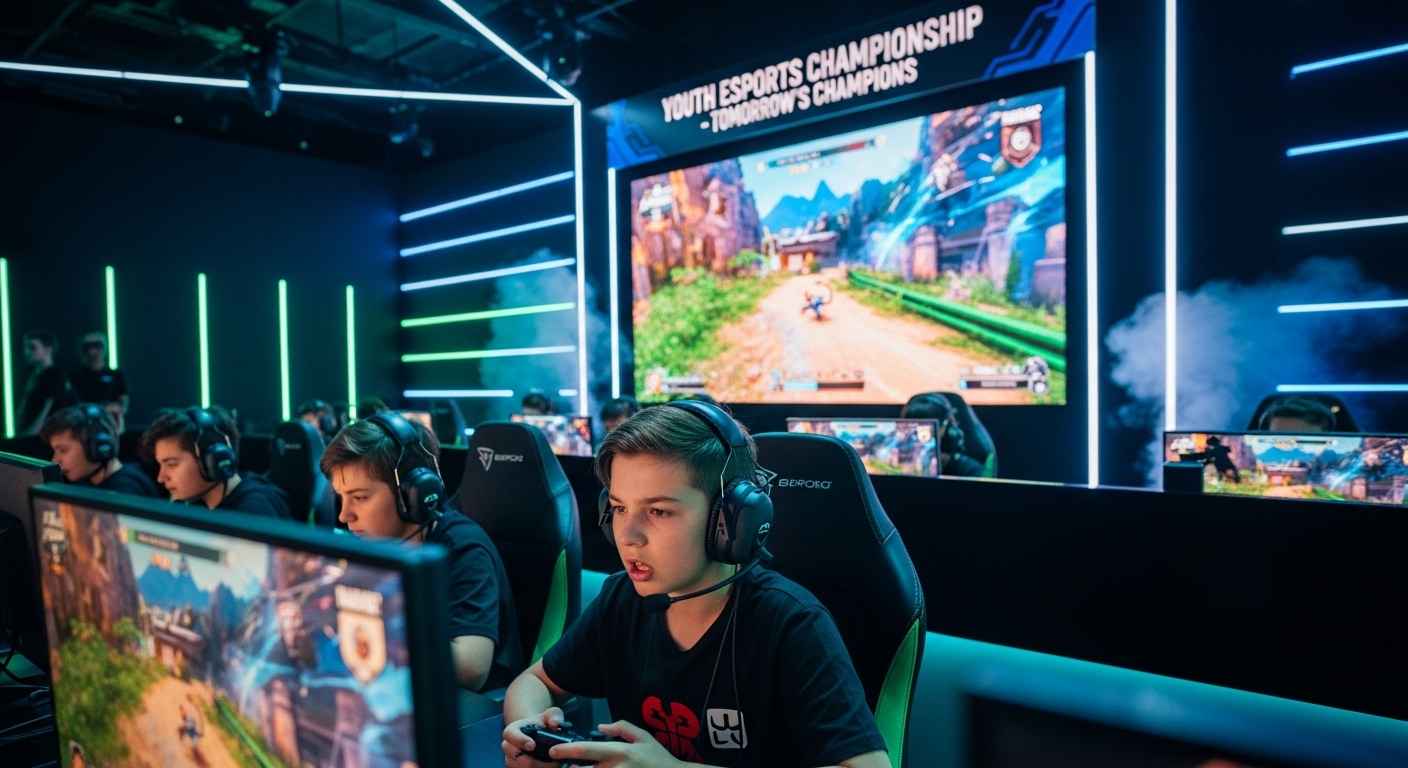
Introduction to the World of Esports
Esports, or electronic sports, has transformed from a niche hobby into a billion-dollar global industry that rivals traditional sports in viewership, sponsorship, and fan engagement. What began as casual gaming competitions in small rooms and computer cafes has evolved into massive tournaments filling stadiums, broadcast to millions of fans worldwide. This digital revolution represents not only a new form of entertainment but also a cultural and technological phenomenon that continues to redefine what competition means in the modern age.
The concept of esports is simple yet profound: players compete in video games at a professional level, showcasing skill, strategy, and teamwork. However, the implications of this are far-reaching, influencing global media, education, business, and even national pride. The rise of esports has proven that virtual competitions can evoke the same passion, loyalty, and excitement as traditional physical sports.
The Early Origins of Esports
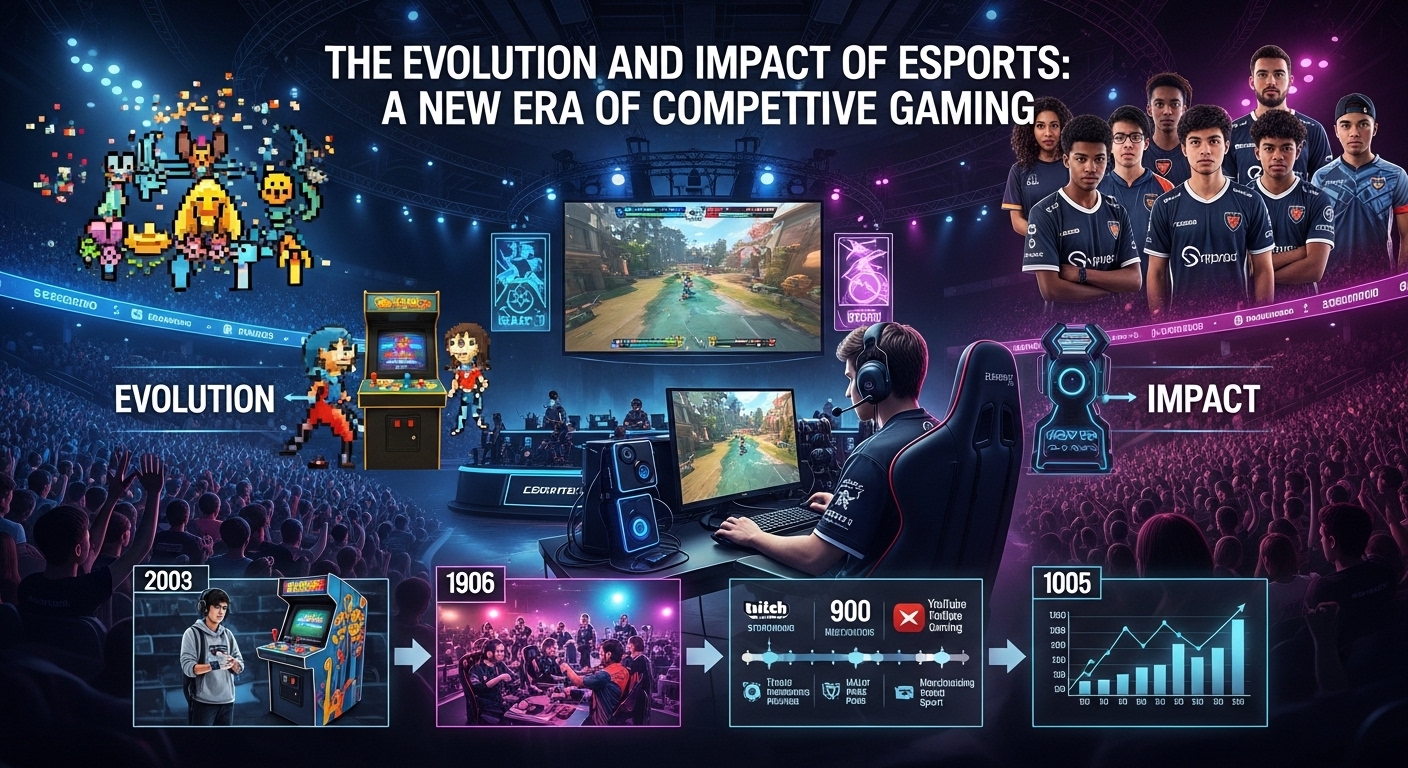
To understand the modern esports scene, one must look back at its humble beginnings. The first known video game competition dates to 1972 at Stanford University, where students competed in a game called Spacewar. The winner received a year’s subscription to a magazine, but it marked the dawn of organized video gaming.
In the 1980s, video game arcades became cultural landmarks where players competed for high scores on games like Pac-Man and Donkey Kong. This era established gaming as a public and social activity. However, it was not until the 1990s, with the rise of home consoles and personal computers, that competitive gaming began to take shape in a more structured form.
Games such as Street Fighter II, StarCraft, and Counter-Strike laid the foundation for modern esports, introducing concepts like multiplayer tournaments and ranking systems. In South Korea, a country known for its technological advancement, StarCraft became a national phenomenon, giving birth to professional gaming teams and televised matches.
The Explosion of Esports in the 21st Century
The 2000s marked the era when esports began its journey into mainstream culture. The proliferation of broadband internet allowed players from around the world to compete online, breaking down geographic barriers and creating a truly global community.
Organizations like Major League Gaming (MLG) in North America and the Electronic Sports World Cup in Europe formalized esports tournaments, bringing professionalism, sponsorships, and broadcasting rights into play. Around the same time, online platforms like YouTube and later Twitch provided a space where players could livestream their gameplay, attracting massive audiences.
Games such as League of Legends, Dota 2, and Counter-Strike: Global Offensive became cornerstones of the esports industry. These games were not only entertaining to play but also highly engaging to watch, with complex strategies, fast-paced action, and diverse characters that captivated global audiences.
The introduction of massive prize pools, often exceeding millions of dollars, further legitimized esports as a career path. The Dota 2 International, for instance, shattered records with its fan-funded prize pools, showcasing the financial and emotional investment of the community.
The Esports Ecosystem
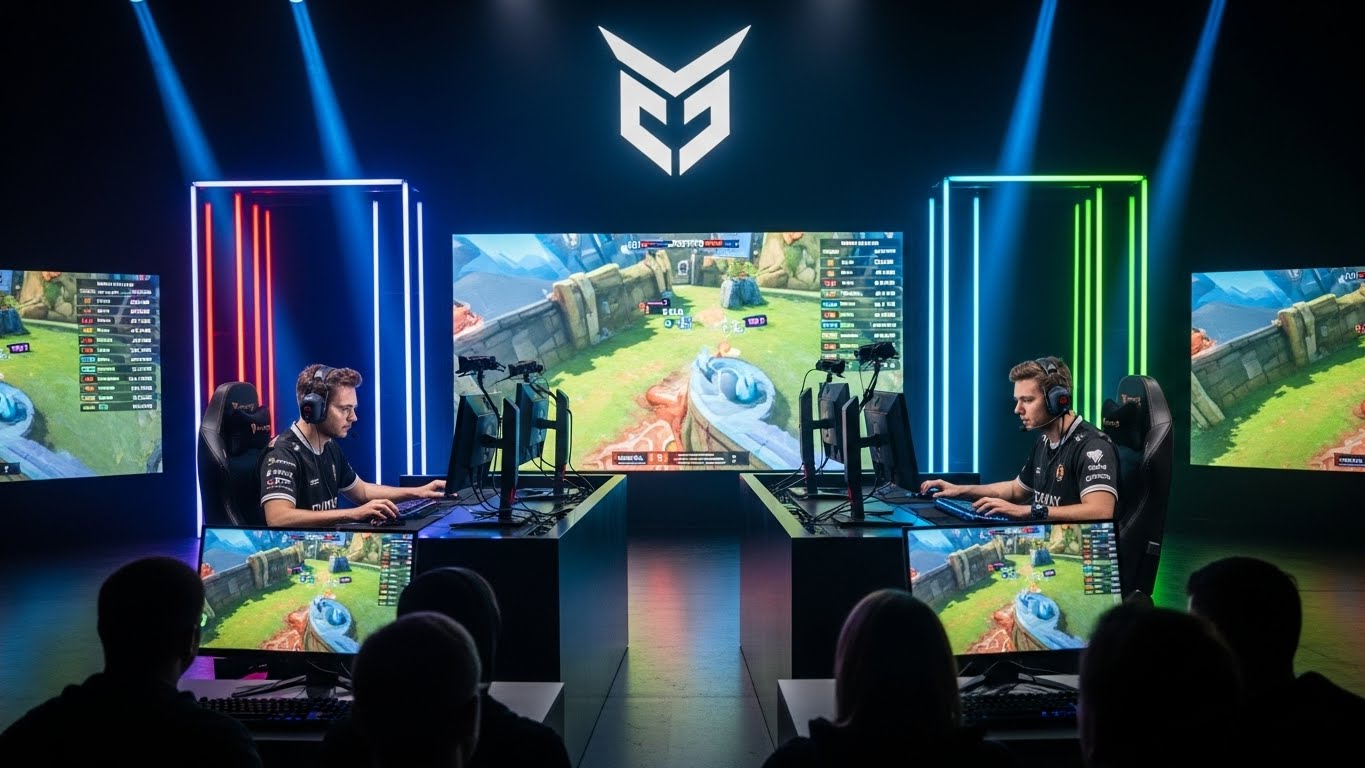
Esports is not merely about players and games; it is a vast ecosystem comprising teams, organizers, sponsors, broadcasters, and fans. At its heart are professional players who dedicate countless hours to training, strategizing, and competing. These players are often part of teams backed by organizations that function much like traditional sports franchises.
Team organizations handle contracts, salaries, sponsorships, and even psychological support for players. In addition, they invest in training facilities, coaches, analysts, and nutritionists to optimize performance. The professionalization of esports teams reflects how far the industry has come from its grassroots origins.
Then there are tournament organizers who create structured competitive events. Some of the most renowned include ESL, DreamHack, and Riot Games’ own leagues. These organizers not only manage competitions but also handle broadcasting, ticket sales, and partnerships.
Sponsorship plays a massive role in the sustainability of esports. Major brands from various industries—ranging from technology to fashion—now invest in esports marketing. Companies such as hardware manufacturers, energy drink brands, and even car manufacturers see esports as an opportunity to connect with younger, digitally native audiences.
Streaming and the Digital Audience
A crucial element that propelled esports into the mainstream is live streaming. Platforms like Twitch, YouTube Gaming, and Facebook Gaming have become virtual arenas where millions of fans gather to watch their favorite players compete. Unlike traditional sports, esports allows for real-time interaction between players and fans, blurring the line between competitor and spectator.
Streaming also gave rise to a new category of celebrities: the gaming influencers. Streamers often have fan bases larger than some Hollywood stars, influencing gaming trends, consumer behavior, and online culture. Their ability to entertain and connect directly with audiences has made them key figures in promoting esports and gaming culture at large.
The accessibility of streaming means that anyone, anywhere, can watch tournaments, learn strategies, and participate in discussions. This democratization of content consumption is one of the unique strengths of esports compared to traditional sports, which often rely on expensive broadcasting rights and regional restrictions.
Esports as a Career
For many young people, esports represents not just entertainment but also opportunity. Professional players can earn impressive salaries through team contracts, tournament winnings, and endorsements. However, the industry extends far beyond the players themselves.
There are career paths in game design, event management, broadcasting, marketing, data analysis, and even psychology—all tied to the esports ecosystem. Universities around the world now offer degrees and scholarships in esports management, reflecting its growing legitimacy.
However, it is not all glamour and success. The competition is fierce, and the pressure on players can be immense. The short career span of professional players, often ending before the age of thirty, highlights the physical and mental challenges of the industry. Maintaining focus, dealing with criticism, and managing fame are all part of the esports journey.
The Global Reach of Esports
One of the defining features of esports is its truly global nature. Unlike traditional sports that may dominate specific regions, esports transcends borders and languages. Countries across Asia, Europe, and North America all have thriving esports communities.
South Korea remains a powerhouse, known for its rigorous training programs and government support. China boasts massive audiences and world-class teams, while Europe and North America continue to contribute some of the most talented players and innovative organizations. Even regions like South America, the Middle East, and Africa are now entering the competitive scene with growing enthusiasm.
Esports has also become a tool for diplomacy and cultural exchange. International tournaments bring together players and fans from diverse backgrounds, fostering a sense of global unity. In a world often divided by borders and politics, esports demonstrates how digital spaces can connect people through shared passion and teamwork.
The Role of Technology in Esports
Technology is the backbone of esports. Advancements in gaming hardware, internet infrastructure, and software development have made modern esports possible. High-refresh-rate monitors, low-latency connections, and powerful gaming PCs ensure fair and smooth competition.
Game developers play a crucial role by creating titles that are balanced, competitive, and engaging for spectators. Many modern games are designed with esports in mind, featuring spectator modes, replay systems, and real-time analytics.
Artificial intelligence and data analytics have also entered the scene, allowing coaches to analyze player performance and develop strategies with scientific precision. Virtual reality and augmented reality may further enhance the future of esports, offering immersive viewing experiences and innovative gameplay styles.
Esports and Traditional Sports: A Comparison
The debate over whether esports should be considered a “real sport” has been ongoing for years. Critics argue that esports lacks the physical exertion of traditional sports, while supporters highlight the mental agility, coordination, and teamwork required to compete at a professional level.
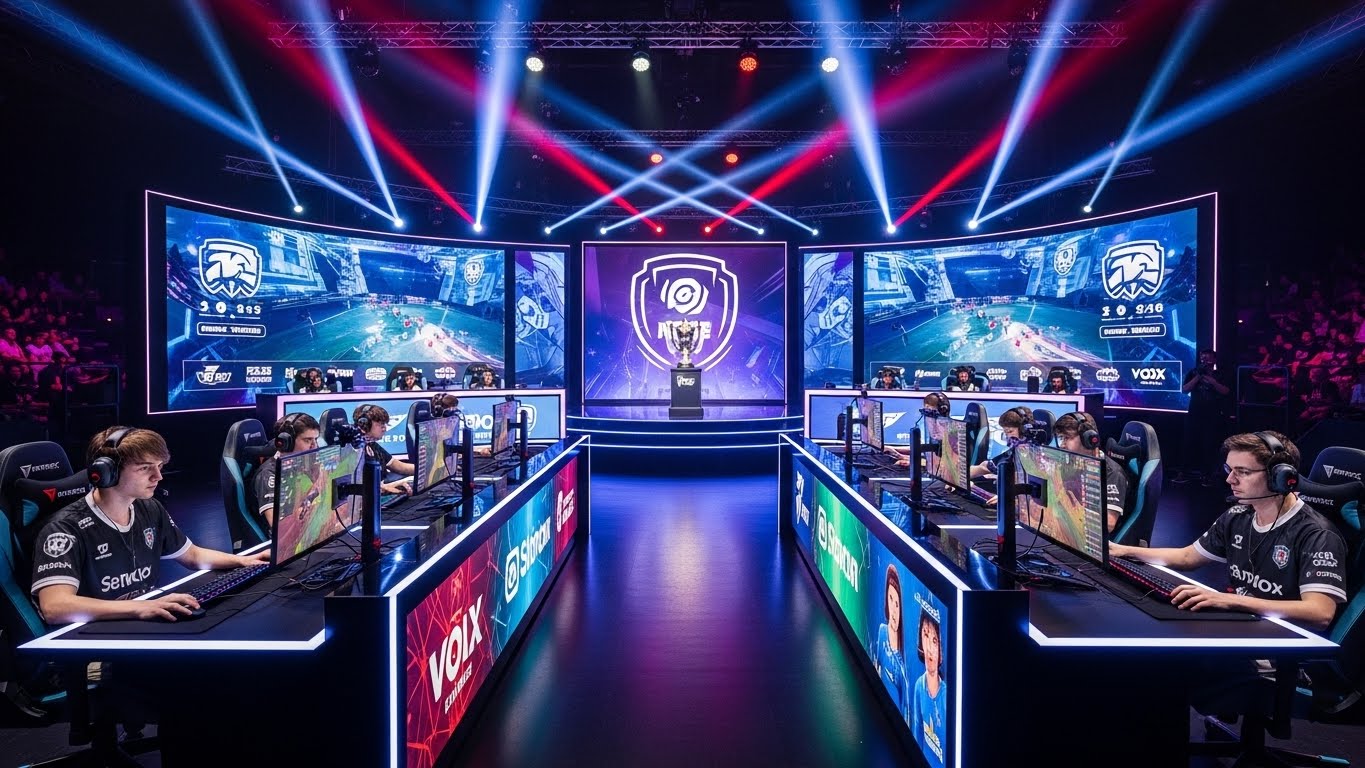
In many ways, esports mirrors traditional sports. Players follow strict training routines, study opponents, and rely on teamwork and strategy. Major tournaments draw massive crowds, and fans wear team jerseys, wave banners, and celebrate victories just like in football or basketball.
Even traditional sports organizations have recognized the potential of esports. Football clubs, basketball teams, and even Formula 1 have established their own esports divisions, bridging the gap between physical and digital competition. This crossover indicates that the lines separating esports and traditional sports are gradually disappearing.
The Cultural Impact of Esports
Esports has had a profound cultural impact. It has influenced music, fashion, and entertainment, creating a unique subculture where creativity and technology intersect. Popular musicians perform at esports events, fashion brands collaborate with gaming teams, and movies and TV shows now feature esports themes.
Moreover, esports has given a voice to youth culture. It represents a digital generation that values connectivity, innovation, and inclusivity. Gaming communities often transcend barriers of age, gender, and nationality, promoting a sense of belonging among fans.
Esports has also contributed to the normalization of gaming as a legitimate form of entertainment. What was once dismissed as a waste of time is now recognized as a platform for creativity, competition, and personal growth.
Challenges Facing the Esports Industry
Despite its success, esports faces significant challenges. Player burnout, lack of regulation, and financial instability are among the pressing issues. Many professional players experience mental and physical strain due to intense training schedules and public scrutiny.
The lack of standardized global regulations can also lead to issues such as contract disputes, cheating, and doping. Some regions have taken steps to establish governing bodies for esports, but consistency remains a challenge.
Another issue is diversity and inclusion. Although the esports community is vast, representation of women and minority groups remains limited. Efforts are being made to create more inclusive environments, but progress is gradual.
Additionally, the reliance on online infrastructure makes esports vulnerable to technical failures, cyberattacks, and server instability. Maintaining integrity and fairness in digital competitions is an ongoing challenge.
The Future of Esports
Looking ahead, the future of esports appears bright and full of potential. With technological innovation continuing at a rapid pace, the industry is set to expand even further. Virtual and augmented reality may redefine how players and spectators experience games, while artificial intelligence could introduce smarter and more adaptive competition systems.
The integration of esports into education is another promising development. Schools and universities now recognize the benefits of esports in developing teamwork, critical thinking, and problem-solving skills. Competitive gaming clubs are being formed at every academic level, nurturing the next generation of digital athletes.
Moreover, the continued growth of mobile esports is revolutionizing accessibility. Games like Mobile Legends and PUBG Mobile have opened the doors for millions of players who may not own high-end gaming equipment. This democratization ensures that esports remains inclusive and globally relevant.
Conclusion
Esports has evolved from a pastime for enthusiasts into a global cultural and economic powerhouse. It embodies the spirit of competition, creativity, and connection that defines the modern digital era. As it continues to grow, esports will not only reshape entertainment but also influence education, business, and even global relations.
The story of esports is a testament to human innovation and adaptability. It shows how passion, technology, and community can come together to create something truly extraordinary. Whether one views it as a sport, an art form, or a digital revolution, one thing is certain: esports is here to stay, and its journey has only just begun.