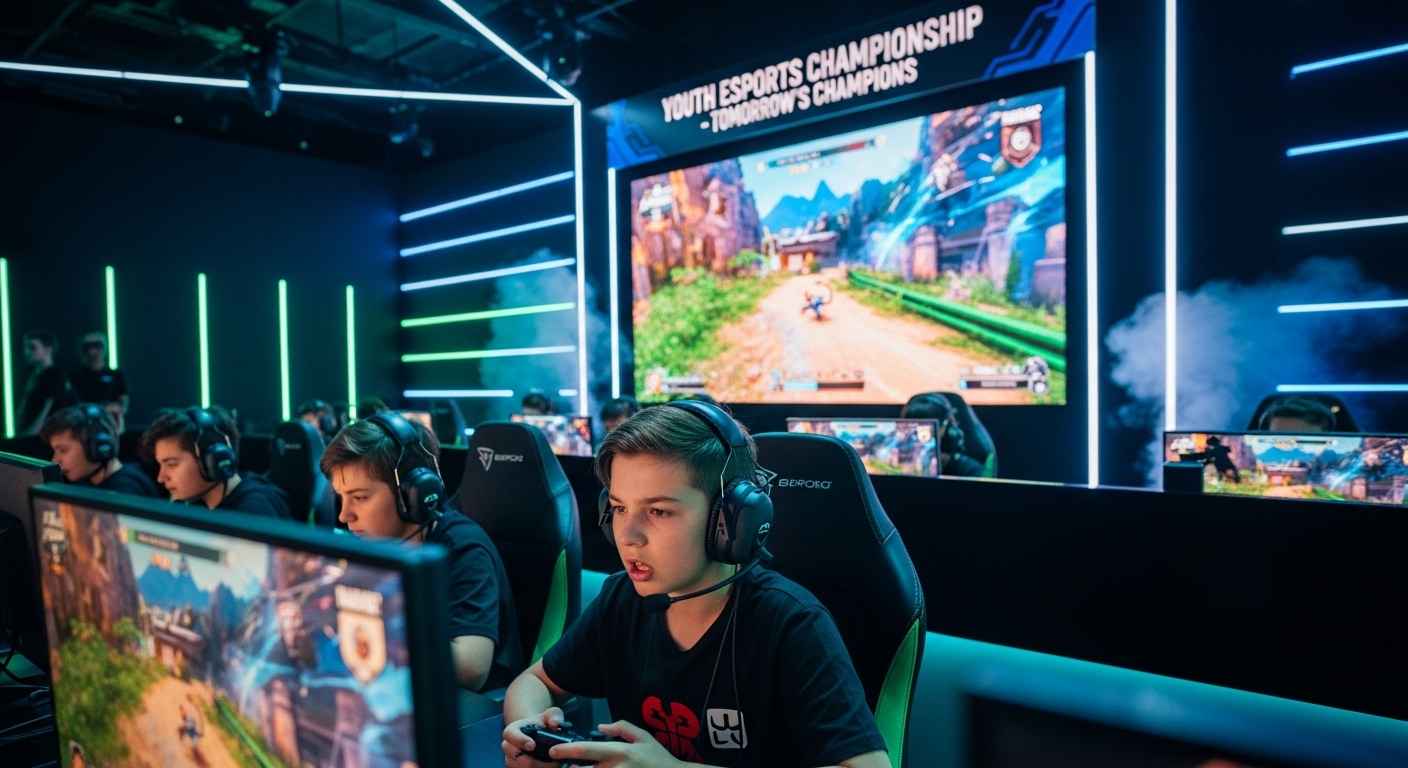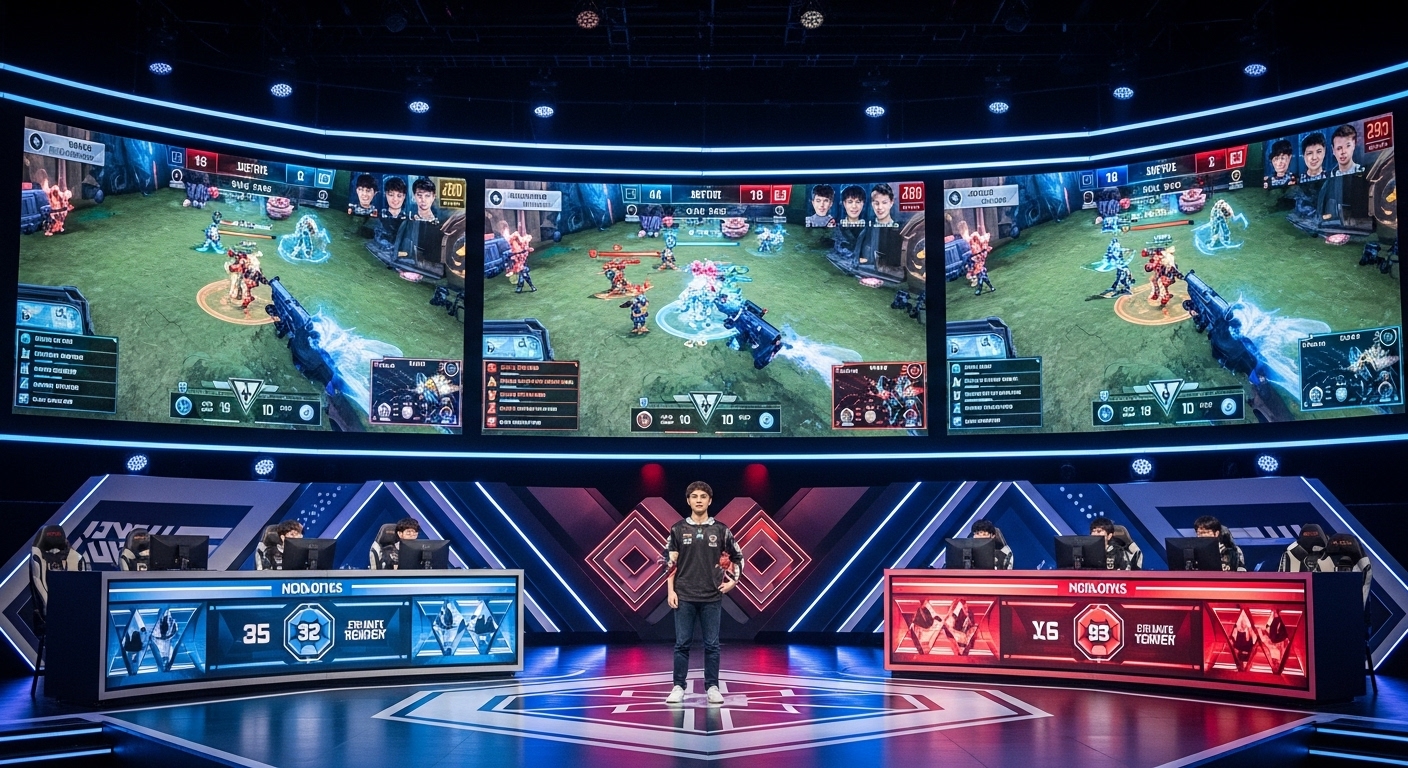

Esports, or electronic sports, has transformed from a niche hobby into a global phenomenon. What was once considered casual gaming has evolved into a highly competitive and lucrative industry, attracting millions of players and spectators worldwide. This blog explores the key aspects of esports, its rapid growth, and the impact it’s making on entertainment and culture.
What Is Esports?
Esports refers to organized competitive video gaming where players or teams compete in popular games such as League of Legends, Dota 2, Fortnite, and Counter-Strike. Unlike casual gaming, esports involves professional players who train rigorously, participate in tournaments, and often earn salaries through sponsorships, winnings, and streaming revenues.
The Explosive Growth of Esports
Over the last decade, esports has seen explosive growth. This is driven by advancements in technology, increasing internet accessibility, and the rise of streaming platforms like Twitch and YouTube Gaming. These platforms allow fans to watch live matches, follow their favorite players, and engage with the community in real-time, contributing to esports’ booming popularity.
The Esports Ecosystem
The esports ecosystem is complex and involves multiple stakeholders. Professional teams compete in leagues and tournaments, which are often backed by sponsors, game developers, and event organizers. Additionally, broadcasters and content creators provide entertainment and commentary, making esports an engaging spectacle for viewers.
The Impact on Youth and Culture
Esports has also influenced youth culture profoundly. It provides a new avenue for social interaction, creativity, and career opportunities beyond traditional sports and academics. For many young people, esports offers a platform to showcase skills, build friendships, and even secure scholarships or professional careers.
Challenges Facing Esports
Despite its success, esports faces challenges. Issues such as player burnout, lack of standardized regulations, and concerns about gaming addiction need to be addressed to ensure sustainable growth. Additionally, the industry must work towards greater inclusivity, providing opportunities for women and underrepresented groups to participate and thrive.
The Future of Esports
Looking ahead, esports is poised to become even more mainstream. Innovations like virtual reality, augmented reality, and improved AI could revolutionize how games are played and watched. Esports might also continue to merge with traditional sports, creating hybrid entertainment experiences that appeal to broader audiences.
Conclusion
Esports is no longer just a pastime—it’s a cultural movement reshaping entertainment, sports, and technology. As it continues to grow, it offers exciting opportunities for players, fans, and businesses alike. Whether you are a casual gamer or a dedicated follower, esports promises to keep evolving and captivating audiences worldwide.