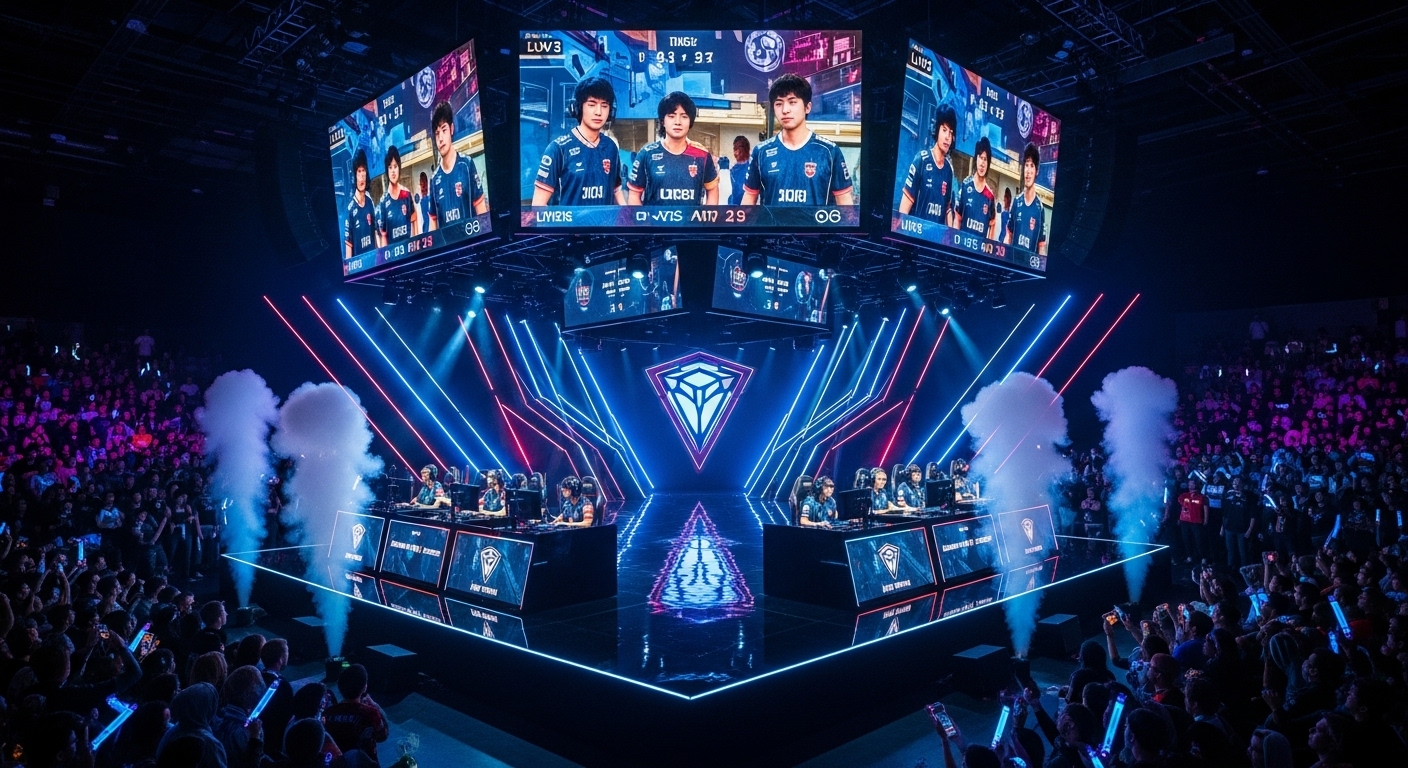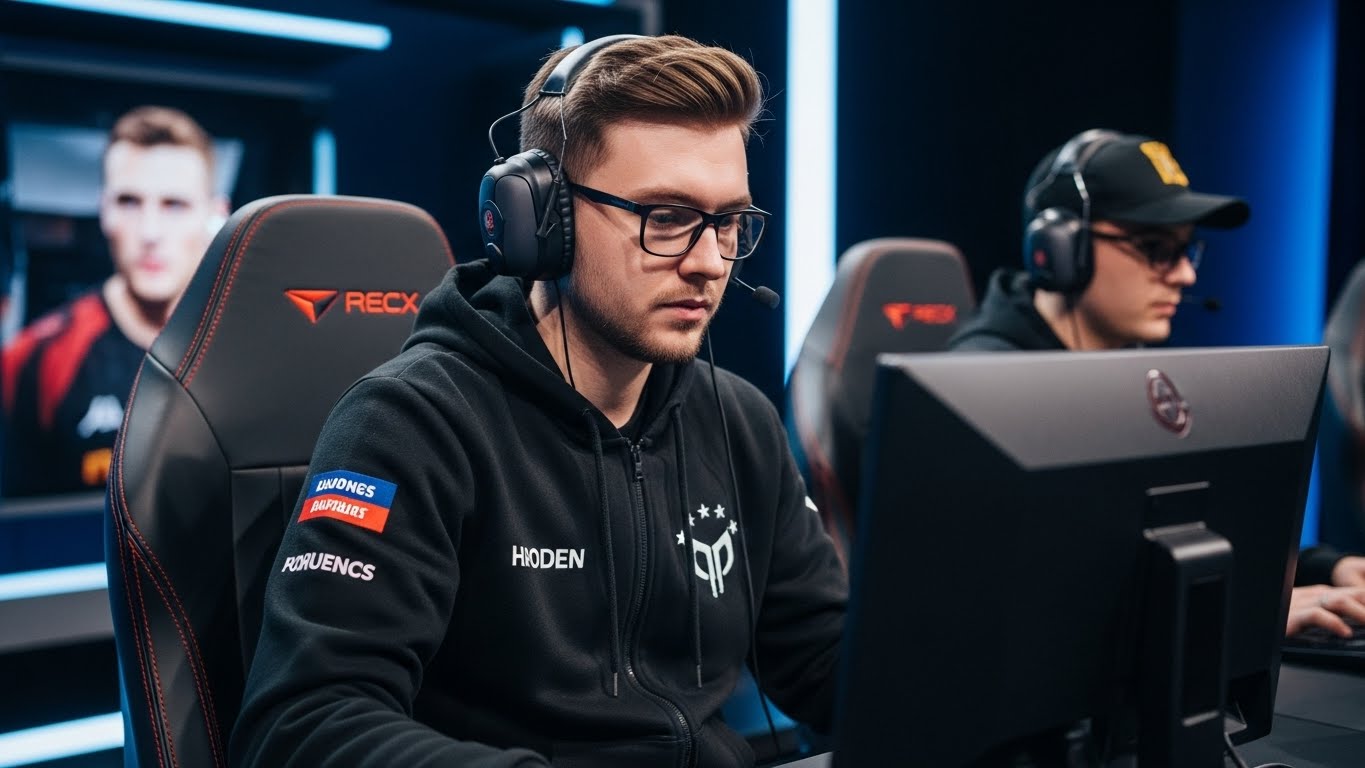
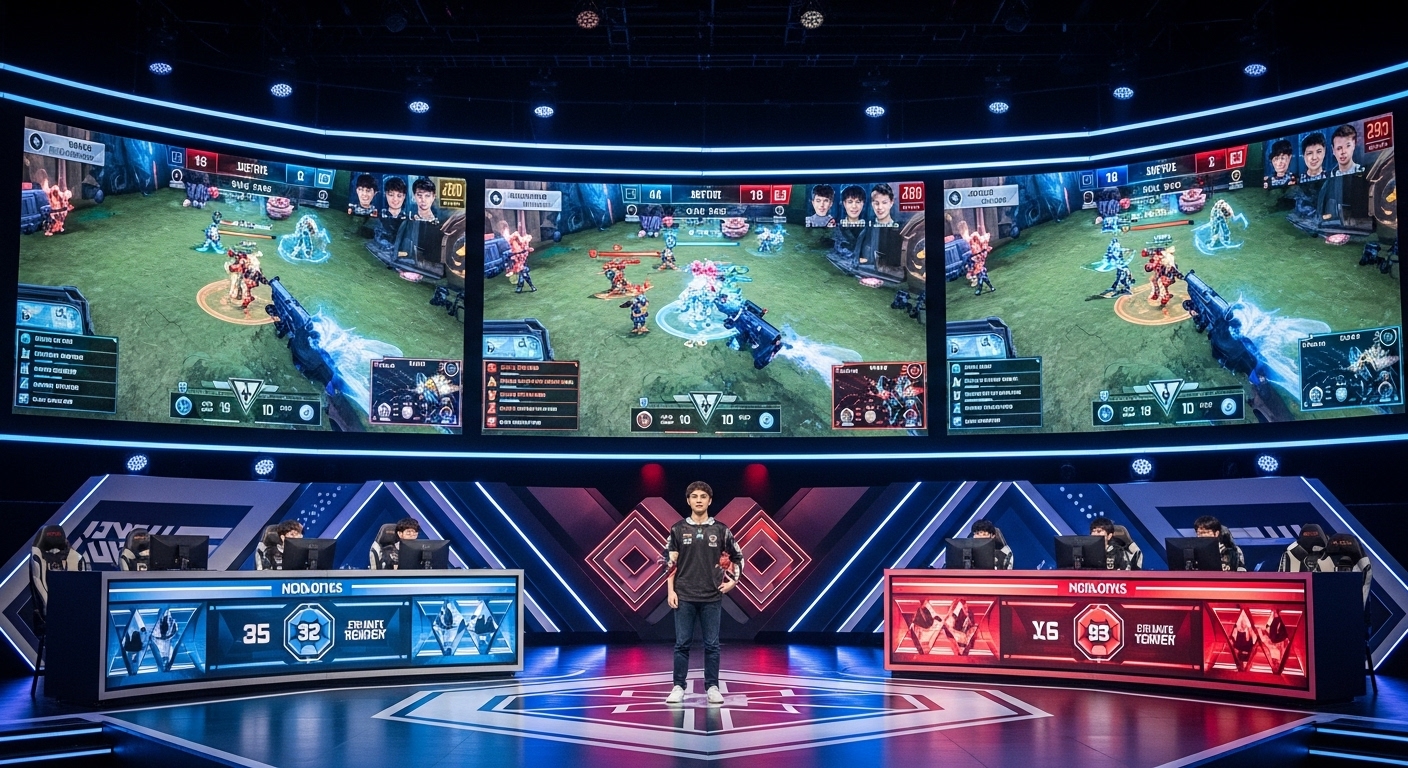
In the last decade, the world of competitive gaming has transformed from niche hobby to mainstream phenomenon. What once started as casual tournaments among friends has evolved into a global industry worth billions of dollars. Esports has gained immense popularity, attracting millions of viewers, high-profile sponsorships, and professional athletes. But what exactly is esports, and how has it grown to the scale we see today?
What is Esports?
Esports, short for “electronic sports,” refers to competitive video gaming where individuals or teams compete against each other in various games, often in front of live audiences. These competitions can take place in arenas or online, and the games vary from first-person shooters (FPS) like Counter-Strike or Call of Duty to strategy games like League of Legends or Dota 2. Unlike traditional gaming, esports is structured with professional teams, coaches, analysts, and a fanbase that follows these athletes much like traditional sports.
The Growth and Popularity of Esports
Esports has seen an explosion in growth over the past few years. In 2019, the global esports market was valued at over $1 billion, and it continues to rise steadily each year. Several factors have contributed to this surge in popularity:
1. Accessibility of Games
Unlike traditional sports, where playing requires a large amount of space or specific equipment, gaming can be done from the comfort of your home with just a console or PC. This accessibility has enabled a broader audience to participate, whether casually or professionally.
2. Rise of Streaming Platforms
Platforms like Twitch, YouTube Gaming, and Facebook Gaming have become integral to the esports ecosystem. These platforms allow fans to watch live competitions, interact with players, and become a part of the community. The ease of access to streams and the ability to watch high-level gameplay has encouraged a massive influx of viewers.
3. Professionalization of Esports
Esports has become more organized, with established leagues, tournaments, and sponsorships. Major companies like Coca-Cola, Intel, and Red Bull have jumped into the scene, partnering with teams and tournaments. Professional players are now treated like traditional athletes, with salaries, endorsements, and even personal trainers and coaches to help refine their skills.
The Players Behind the Game
One of the most captivating aspects of esports is the players themselves. These individuals aren’t just hobbyists but elite athletes, spending countless hours honing their skills, learning new strategies, and perfecting their gameplay. While there’s often debate over whether gaming can be considered a sport, the dedication, focus, and mental fortitude required to be successful in esports is undeniable.
In many ways, the pressure on these athletes is similar to that faced by professional athletes in traditional sports. In addition to practicing and competing, esports players must also maintain their mental and physical health, given the intense focus and hours of gameplay. Some players even work with psychologists to manage stress and optimize their cognitive performance.
Esports as a Career
For many, esports is no longer just a hobby or passion, but a viable career. With sponsorships, endorsements, streaming income, and tournament winnings, esports professionals can make a substantial living. Popular players like Ninja (Tyler Blevins) have turned their success in games like Fortnite into multimillion-dollar businesses, signing lucrative deals with major brands and streaming platforms.
The career opportunities in esports extend beyond just playing. There’s a wide range of roles in the industry, from team management and broadcasting to game development, event production, and marketing. As the industry grows, so too does the demand for skilled professionals in various fields.
Major Esports Tournaments and Events
Esports has seen the rise of massive tournaments and leagues with millions of dollars in prize money. The League of Legends World Championship, The International for Dota 2, and the Overwatch League are just a few examples of major events that attract large-scale sponsorships and broadcast deals. These tournaments bring together the best players from around the globe to compete for not just money, but global recognition and fame.
Events like The International have prize pools that can exceed $40 million, with the bulk of the prize pool funded by the gaming community through crowdfunding. This sense of community support is a testament to the dedication and passion of esports fans, many of whom are deeply invested in the success of their favorite teams or players.
The Future of Esports
As we look toward the future, esports shows no signs of slowing down. With technological advancements such as virtual reality (VR), augmented reality (AR), and artificial intelligence (AI) continuing to evolve, the experience of esports is likely to become even more immersive and dynamic. Additionally, esports is likely to expand even further into mainstream media, with major networks and even traditional sports leagues beginning to take notice.
There is even talk of esports becoming part of the Olympic Games. The idea of esports being included in the Olympics has generated significant debate, with proponents arguing that it is a legitimate sport that requires the same discipline and skill as traditional sports. Regardless of whether or not it makes its way into the Olympics, one thing is certain—esports is a force to be reckoned with in the world of entertainment.
The Impact of Esports on Society
Esports is more than just a game. It’s become a platform for social interaction, education, and career development. The competitive gaming community has created a space for people of all ages and backgrounds to come together, share their passion for gaming, and form lasting relationships.
Moreover, esports is proving to be an outlet for mental agility and problem-solving. Many games require quick thinking, adaptability, and strategic planning. The cognitive benefits that esports players gain—such as improved reaction time, decision-making, and hand-eye coordination—are often cited as evidence of the positive effects gaming can have on the brain.
Conclusion
Esports is no longer a passing trend but a cultural movement that is shaping the future of entertainment and sports. As the industry grows and evolves, we are likely to see new opportunities for players, fans, and professionals alike. Whether you’re a casual gamer or a dedicated fan, one thing is clear: esports has earned its place in the spotlight, and it’s only going to get bigger from here.
The next time you sit down to watch an esports tournament, know that you’re witnessing history in the making—a new frontier in competitive entertainment that’s here to stay.