
Understanding Esports
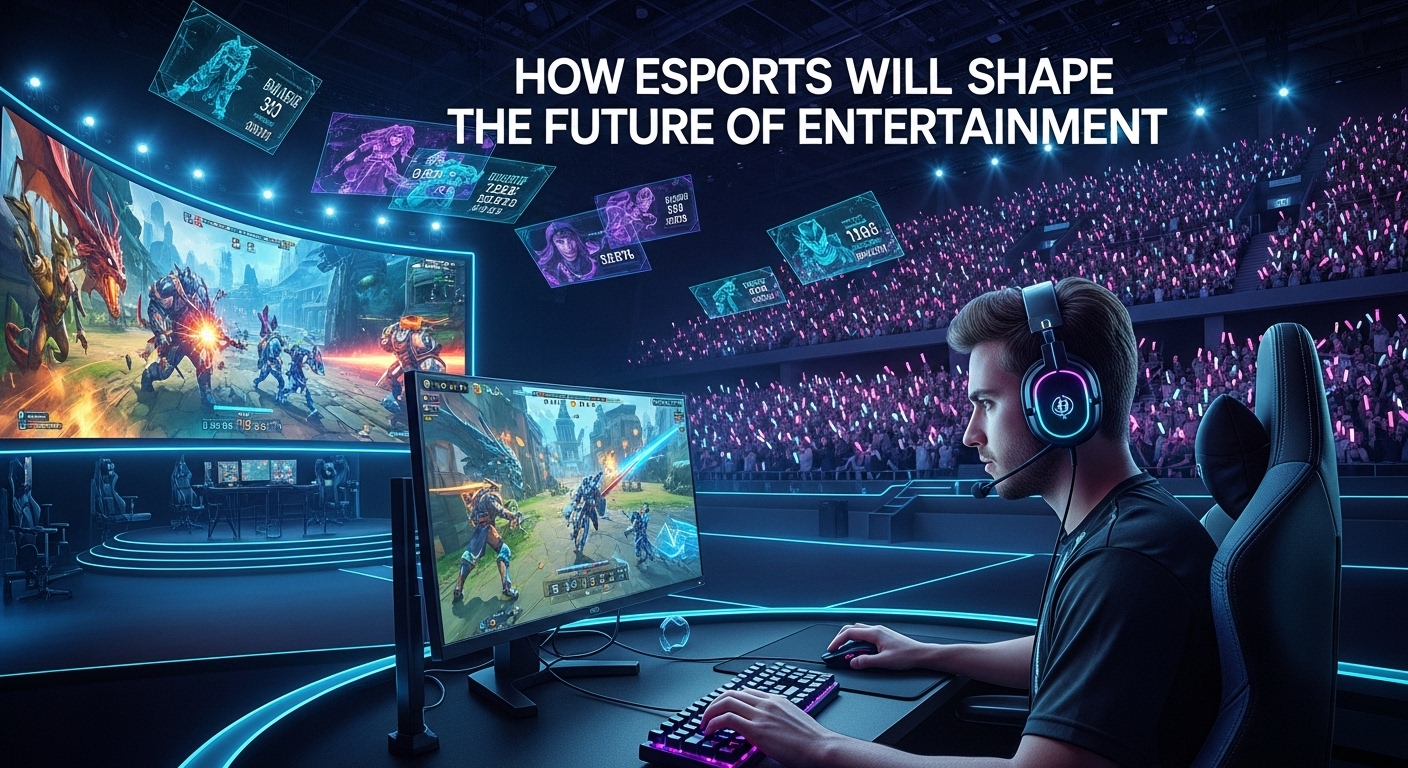
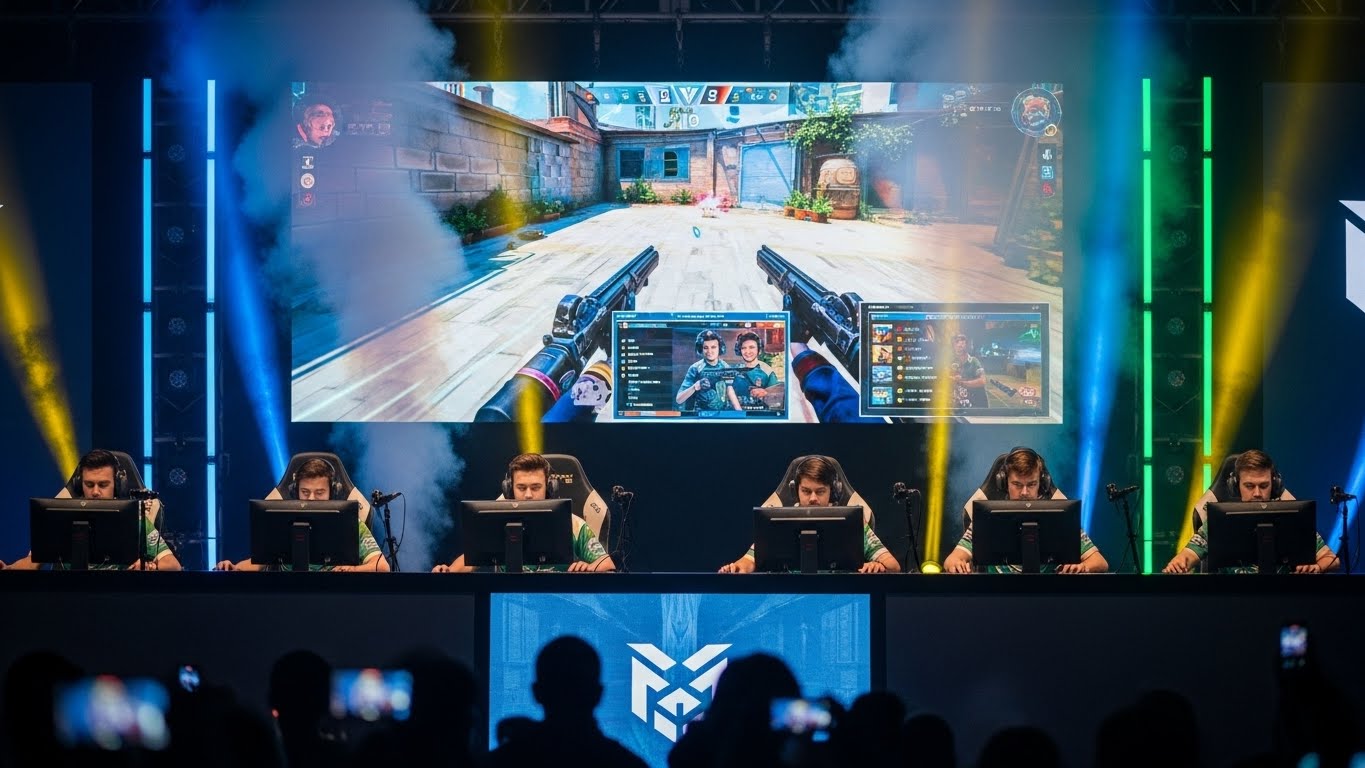
Esports, short for electronic sports, is competitive gaming played professionally across various digital platforms. Players and teams compete in organized tournaments, often with large audiences both in stadiums and online. Popular games such as League of Legends, Dota 2, Counter-Strike, and Fortnite have elevated gaming from a hobby to a serious competitive arena where skill, strategy, and teamwork are key.
The Rise of Esports
Esports has grown exponentially in recent years. What began as small competitions among enthusiasts has transformed into a global industry. Major tournaments attract thousands of spectators and millions of online viewers. Sponsorships, live streaming, and professional leagues have turned esports into a multi-billion-dollar sector, highlighting its legitimacy and popularity as a competitive sport.
Skills and Strategy
Excelling in esports requires more than fast reflexes. Professional players train extensively to develop critical thinking, strategic planning, communication, and mental resilience. Matches demand quick decision-making and adaptability under pressure. The combination of discipline, practice, and teamwork mirrors the dedication seen in traditional sports athletes.
Community and Connection
Esports is about more than just competition; it fosters vibrant communities. Fans and players connect through live streams, social media, and gaming forums. These shared experiences create a sense of belonging, encouraging collaboration, discussion, and fan engagement. The culture around esports thrives because of the passion and interaction of its community members.
Career Opportunities Beyond Playing
The esports industry provides opportunities far beyond being a professional player. Coaching, broadcasting, content creation, event management, and game analysis are all part of the ecosystem. Streaming platforms allow players and influencers to build audiences and monetize their skills. Esports has become a versatile industry with multiple career paths.
The Future of Esports
The future of esports looks incredibly promising. Advances in virtual reality, augmented reality, and artificial intelligence are making games more immersive and interactive. As educational institutions and mainstream media recognize esports, its influence continues to expand. The industry is evolving rapidly, offering new experiences and opportunities for players, fans, and professionals alike.
Conclusion
Esports has transformed the gaming world into a global arena of skill, strategy, and community. With professional competitions, career opportunities, and engaged fan communities, it has proven that gaming is not just entertainment—it is a dynamic cultural phenomenon. As the industry continues to innovate and grow, esports will remain at the forefront of digital competition and entertainment.