Introduction to the World of Esports
Esports, short for electronic sports, has become one of the most influential and rapidly growing industries in the world. What began as small gatherings of gamers competing for fun has evolved into a billion-dollar global phenomenon. Esports represents not just a hobby but a legitimate career path, a form of entertainment, and a cultural movement. With millions of players and even more spectators, esports has transformed how people view competition, teamwork, and digital entertainment.
Esports has redefined the meaning of sportsmanship in the 21st century. Unlike traditional sports that rely on physical endurance, esports demands sharp mental agility, coordination, and strategy. Games like League of Legends, Dota 2, Counter-Strike, Valorant, and Fortnite have become household names, each fostering communities and fanbases comparable to traditional sports teams. The rise of esports is more than a trend; it’s a revolution in how society interacts with technology, communication, and performance.
The Origins of Esports and Early Competitive Gaming
The journey of esports began in the late 20th century when the first video game competitions took place. The 1972 Spacewar tournament at Stanford University is often considered one of the earliest examples of organized competitive gaming. Participants competed for a modest prize, but the concept of gaming as a competition had been born.
In the 1980s, arcade games brought competition to a broader audience. Players would gather in arcades to beat each other’s high scores in titles like Pac-Man, Donkey Kong, and Space Invaders. These games tested reaction speed and memory, creating a competitive environment long before the internet connected players globally. The introduction of home consoles by companies like Nintendo and Sega allowed multiplayer gaming to move into living rooms, where friends and family could challenge each other for hours.
By the 1990s, the rise of PC gaming and the internet changed everything. Games like Doom, Quake, and StarCraft introduced online multiplayer features that connected players across the world. This connectivity paved the way for organized tournaments, with players beginning to compete for recognition and money. The first professional leagues began forming around this time, setting the stage for what would become the modern esports era.
The Explosion of Esports in the 21st Century
The 2000s marked a turning point for esports. Broadband internet became widespread, streaming platforms began to emerge, and global connectivity allowed professional gaming to reach new heights. Titles such as Counter-Strike 1.6, Warcraft III, and Dota established the foundations of team-based competitive gaming.
The launch of platforms dedicated to game broadcasting was a monumental step forward. Suddenly, fans could watch their favorite players and teams in real time. Esports was no longer confined to small tournaments or local LAN events—it became a spectator sport that millions could enjoy from anywhere in the world.
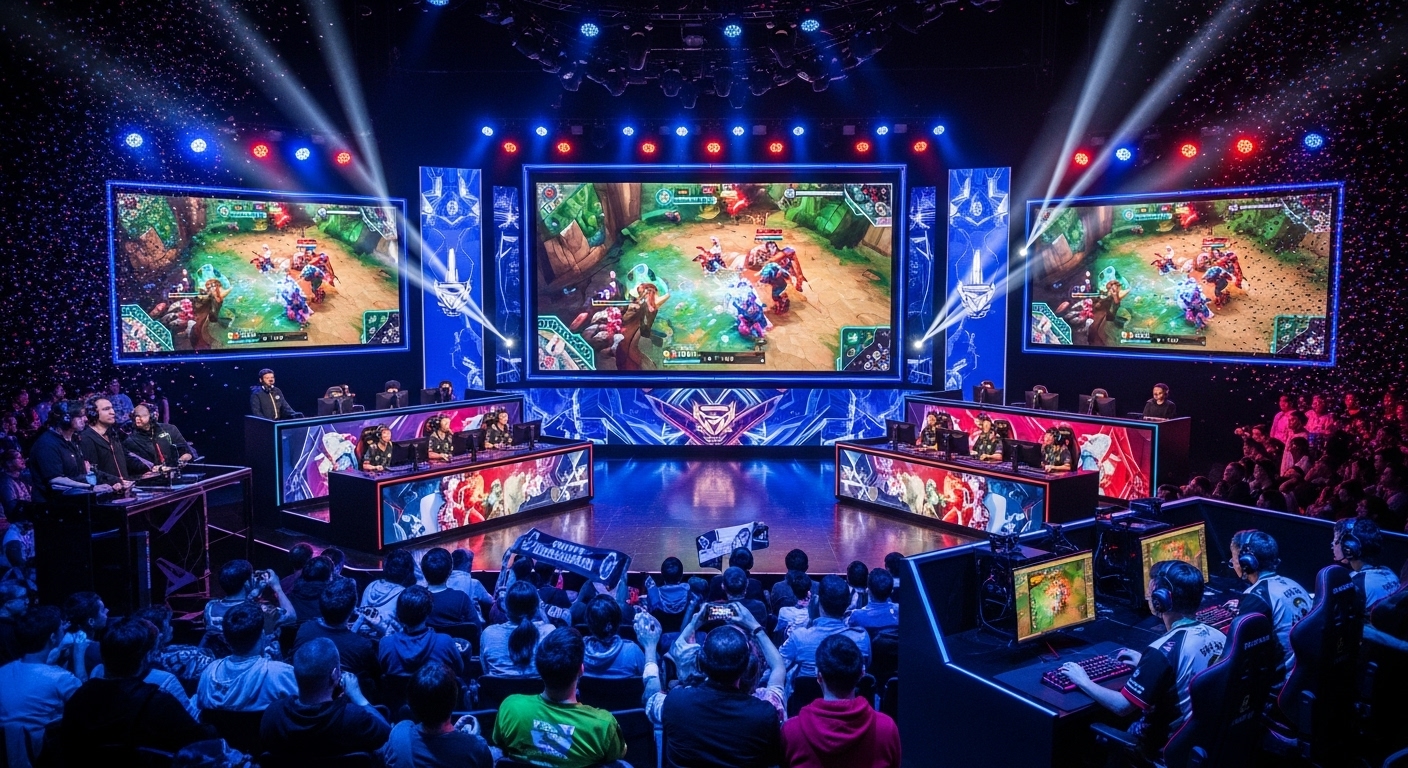
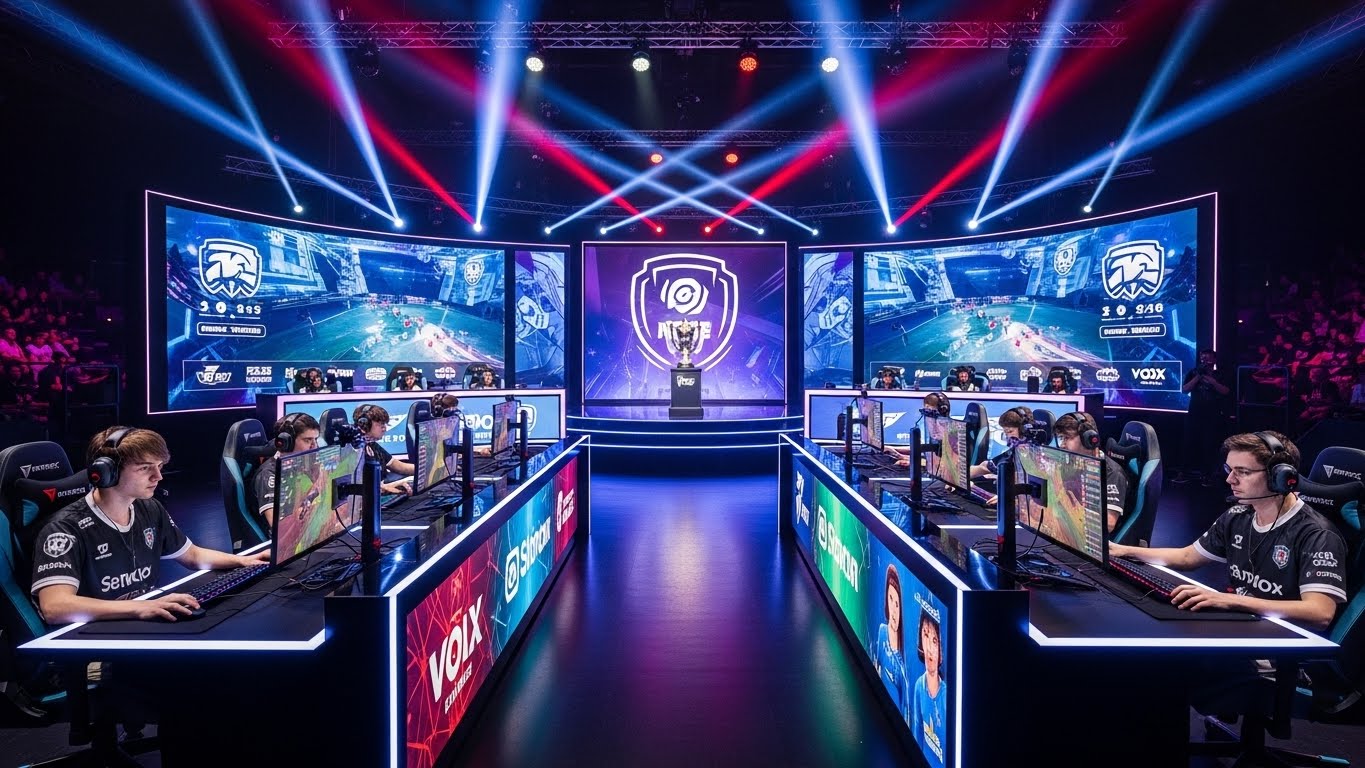
As prize pools grew, so did the professionalism of esports. Teams began hiring coaches, analysts, and managers. Players signed contracts, trained for hours daily, and studied strategies much like traditional athletes. Major tournaments began filling entire stadiums, with fans waving banners and cheering for their favorite teams. Events such as The International, the League of Legends World Championship, and the CS:GO Majors became global spectacles with massive audiences.
The Role of Technology in Esports Growth
Technology has always been the driving force behind esports. The continuous evolution of hardware, software, and internet infrastructure has shaped how players compete and how fans experience the games. High-performance gaming PCs, low-latency networks, and advanced graphics have elevated the quality of competition.
The introduction of cloud gaming and streaming technology has made esports more accessible than ever before. Players no longer need the most expensive hardware to participate; they can stream games through powerful servers that handle the heavy processing. This democratization of gaming has expanded esports audiences worldwide.
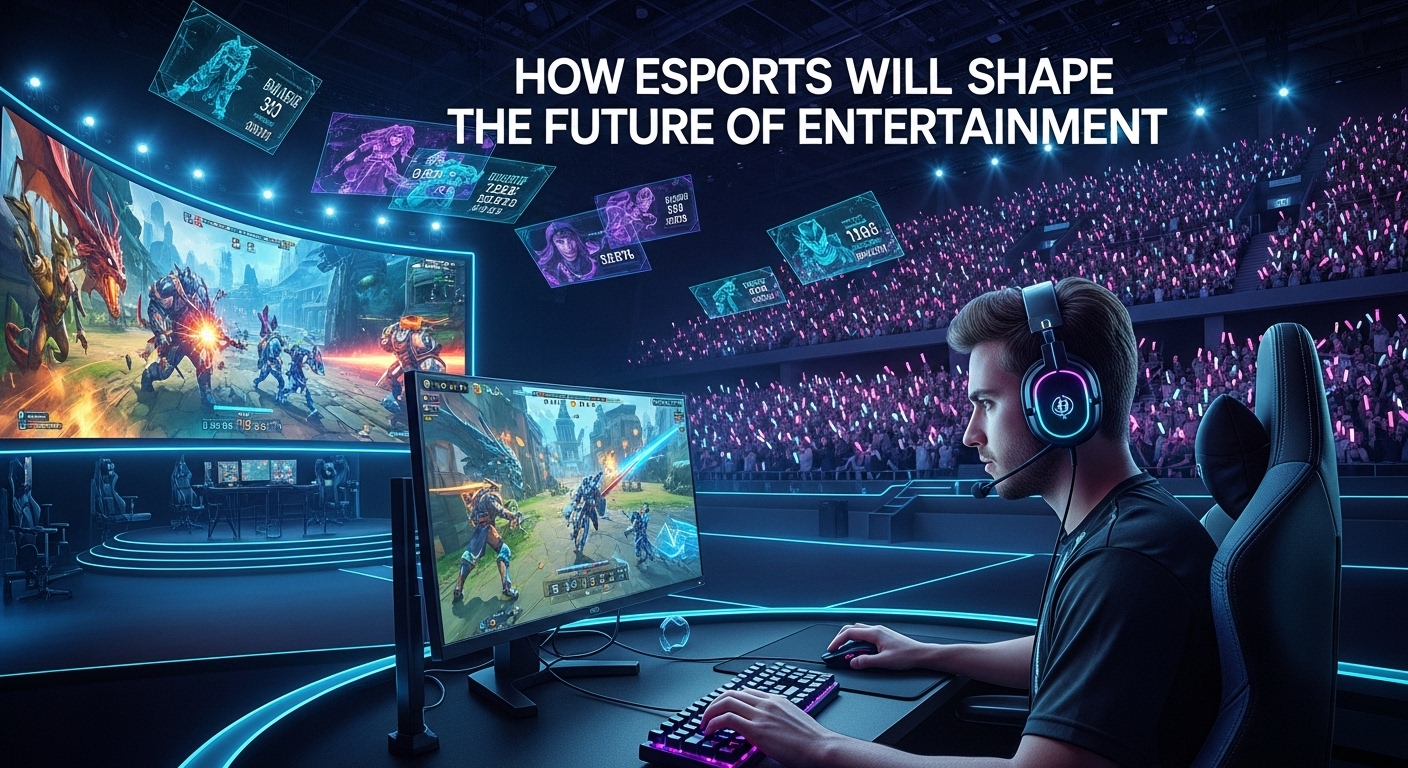
Virtual reality and augmented reality are also beginning to enter the esports space. VR tournaments offer immersive experiences where players physically interact with digital environments. Meanwhile, AR technology is enhancing live broadcasts by displaying real-time player statistics, health bars, and strategic overlays, making viewing more engaging for spectators.
Popular Games That Define Esports Today
Esports covers a wide variety of genres, each offering unique competitive experiences. Some games emphasize team strategy, while others focus on individual skill. The most popular esports titles today span across several categories.
Multiplayer Online Battle Arenas (MOBAs) like League of Legends and Dota 2 dominate the scene. These games require teamwork, fast decision-making, and deep strategic understanding. Players take on specific roles, coordinate tactics, and execute plans with precision. The International, Dota 2’s premier event, is renowned for its enormous prize pools, often exceeding tens of millions of dollars.
First-Person Shooters (FPS) such as Counter-Strike, Valorant, and Call of Duty have built strong competitive communities. These games test reflexes, communication, and tactical execution. FPS tournaments are known for their high tension, split-second decision-making, and incredible clutch moments that keep fans on the edge of their seats.
Battle Royale games like Fortnite and PUBG brought a new dimension to esports with their large-scale, last-player-standing formats. These games combine survival, exploration, and combat in vast environments, rewarding both individual skill and adaptability.
Sports simulation games like FIFA and NBA 2K allow fans of traditional sports to engage in digital versions of their favorite games. These esports events often partner with real-world sports organizations, bridging the gap between physical and digital sportsmanship.
The Globalization of Esports
Esports has become a global phenomenon with players and fans from every corner of the world. South Korea played a pivotal role in its early rise, particularly with the popularity of StarCraft. Professional gamers in Korea achieved celebrity status, and television networks broadcasted live matches. This early success laid the foundation for other regions to follow.
China and Southeast Asia have also emerged as esports powerhouses. These regions have invested heavily in gaming infrastructure, with governments and corporations recognizing the potential economic benefits. Europe and North America have equally strong scenes, with top organizations competing across multiple game titles.
Esports transcends language barriers and cultural differences. It unites players and fans under a shared passion for gaming. Major tournaments now feature international teams, and global leagues ensure that competition is diverse and inclusive. The rise of local gaming communities has further fueled growth, allowing young talents to develop through regional competitions before reaching the international stage.
The Economics of Esports: From Hobby to Industry
What began as a pastime has turned into a billion-dollar industry. Esports now encompasses sponsorships, advertising, media rights, merchandise, and ticket sales. Brands from every sector—tech, fashion, energy drinks, and even automotive companies—have invested in esports due to its massive global reach among young audiences.
Organizations are structured like traditional sports teams, complete with management, marketing departments, and training facilities. Players earn salaries, bonuses, and sponsorships, while streamers and content creators build personal brands around their gameplay. The rise of esports academies and training programs further demonstrates the industry’s long-term potential.
Streaming platforms have also transformed the financial landscape. Individual players can earn significant income through fan subscriptions, donations, and brand partnerships. This blend of entertainment and competition has given rise to a new class of digital athletes who inspire millions of followers.
The Esports Audience and Community Culture
One of the most remarkable aspects of esports is its audience. Fans are not passive viewers but active participants. Online communities discuss strategies, share fan art, and support their favorite players. Social media platforms amplify this engagement, making esports a constantly evolving cultural phenomenon.
Esports fans are also among the most loyal and dedicated in entertainment. They follow teams across seasons, celebrate victories, and share in defeats. Events like fan meet-ups, online Q&A sessions, and exclusive streams strengthen the connection between players and their supporters.
Community-driven tournaments and amateur leagues have also flourished, allowing anyone to compete regardless of skill level. This inclusivity fosters a sense of belonging and keeps the spirit of esports alive beyond professional circuits.
The Role of Education and Career Opportunities in Esports
Esports has expanded beyond entertainment into education and career development. Universities around the world now offer scholarships for esports players, recognizing their skills and commitment. Academic programs focus on game design, event management, broadcasting, and psychology related to performance and teamwork.
Careers in esports are not limited to playing. There are opportunities in coaching, analytics, production, commentary, and marketing. Esports events require technical experts, content creators, and media professionals to deliver high-quality broadcasts. This growing ecosystem supports thousands of jobs globally, proving that esports is more than just competition—it’s an industry with limitless potential.
Challenges Facing the Esports Industry
Despite its success, esports faces challenges that must be addressed for sustainable growth. One major issue is player burnout. Professional gamers often train for long hours, which can lead to stress and fatigue. Organizations are beginning to introduce better health management and mental wellness programs to support their players.
Cheating and match-fixing remain concerns in competitive gaming. Developers and leagues have implemented strict regulations and anti-cheat technologies to maintain integrity. Fair play is essential for esports to be respected alongside traditional sports.
Another challenge is maintaining inclusivity. The industry continues to work on creating safe environments for all players, regardless of gender or background. Initiatives promoting diversity and equal opportunities are crucial for the continued evolution of esports.
The Future of Esports
The future of esports is bright and filled with possibilities. As technology advances, the line between virtual and physical sports will blur even further. Augmented reality arenas, AI-driven training tools, and interactive broadcasting will enhance both player performance and fan experience.
Mobile gaming is another major frontier. With smartphones becoming more powerful, mobile esports titles are reaching millions of players in regions where PC gaming is less accessible. Games like Mobile Legends and PUBG Mobile are already hosting massive international tournaments.
Esports is also poised to enter the mainstream entertainment industry more deeply. Collaborations between gaming companies, music artists, and filmmakers continue to grow, creating multimedia experiences that expand the reach of gaming culture.
Conclusion: The Enduring Power of Esports
Esports represents the perfect blend of technology, creativity, and competition. It’s more than just gaming—it’s a lifestyle, a community, and an industry that continues to evolve at an incredible pace. What started as friendly matches between friends has turned into a global stage where the best compete for glory and millions watch in awe.
The influence of esports goes beyond digital screens. It inspires teamwork, strategic thinking, and global unity. It breaks barriers and brings people together, showing that passion and skill know no boundaries. The future generations of gamers will continue to push the limits, shaping esports into one of the defining elements of modern culture.
Esports is not just the future—it is the present, a living example of how human creativity and technology can come together to build something extraordinary. The era of esports has only just begun, and its story continues to unfold with every match, every victory, and every dream that starts with a controller or a keyboard.