Esports, or competitive video gaming, has grown from a niche hobby into a global phenomenon. Once considered a pastime for casual gamers, it now commands massive audiences, multi-million-dollar tournaments, and professional players who train with the dedication of traditional athletes. The rise of esports reflects broader shifts in technology, entertainment, and culture, creating opportunities for players, developers, sponsors, and fans alike.
This blog delves into the evolution, structure, influence, and future of esports, exploring how it has transformed gaming into a professional, spectator-driven, and culturally significant industry.
The Origins of Esports
The roots of competitive gaming can be traced back to the 1970s and 1980s, when players would compete in arcades and early video game competitions. Titles like Space Invaders, Pac-Man, and Donkey Kong saw players striving for high scores and regional recognition. These early competitions laid the groundwork for the concept of organized gaming events.
The 1990s brought a new era with the rise of PC gaming. Games like Doom, Quake, and StarCraft popularized multiplayer competition, and players began forming communities online. Tournaments were organized, both in-person and over the internet, with early professional teams emerging. In South Korea, StarCraft became a cultural phenomenon, establishing esports as a mainstream activity in certain regions.
The Modern Esports Landscape
Today, esports is a multi-billion-dollar industry encompassing a wide variety of genres and platforms. From first-person shooters and real-time strategy games to fighting games, sports simulations, and battle royale titles, competitive gaming has something for nearly every type of player.
Professional esports is organized through leagues, tournaments, and global circuits. Major events such as The International for Dota 2, the League of Legends World Championship, and the Fortnite World Cup attract millions of viewers online and in stadiums worldwide. Prize pools for these events often reach millions of dollars, highlighting the stakes and professionalism involved.
Teams are structured similarly to traditional sports organizations, with coaches, analysts, managers, and dedicated support staff. Players maintain rigorous training schedules, balancing practice, strategy sessions, and physical fitness to optimize performance.
Key Esports Genres
The diversity of esports is a defining feature, with multiple genres catering to different player skills and audience interests.
1. First-Person Shooters (FPS)
Games like Counter-Strike: Global Offensive, Call of Duty, and Overwatch dominate the FPS category. These games require precise aiming, fast reflexes, and teamwork. Players must master maps, weapon mechanics, and communication to succeed. FPS esports are often fast-paced and highly spectator-friendly, contributing to their popularity.
2. Multiplayer Online Battle Arenas (MOBA)
MOBA games, including League of Legends and Dota 2, emphasize strategy, teamwork, and resource management. Matches involve teams controlling unique characters with special abilities, aiming to destroy the opponent’s base. MOBA esports are known for deep tactical gameplay and require extensive coordination between team members.
3. Battle Royale
Games such as Fortnite and PUBG have popularized the battle royale genre, where players compete to be the last person or team standing. Success in these games demands adaptability, survival skills, and quick decision-making. Battle royale esports often feature large-scale tournaments with dozens or even hundreds of competitors.
4. Fighting Games
Titles like Street Fighter, Tekken, and Super Smash Bros. showcase one-on-one competition, emphasizing precision, timing, and reaction speed. Fighting game communities often organize local and international tournaments, highlighting skillful duels and strategy.
5. Sports Simulations
Games such as FIFA, NBA 2K, and Madden NFL emulate real-world sports. Competitive players replicate strategies from actual sports, appealing to both gamers and traditional sports fans. These esports bridge the gap between gaming and conventional athletic competition.
Esports as a Spectator Sport
One of the defining aspects of esports is its spectator culture. Millions of fans watch matches online through platforms like Twitch, YouTube Gaming, and dedicated esports streaming services. Events are broadcast live, complete with commentary, analysis, and interactive features that enhance viewer engagement.
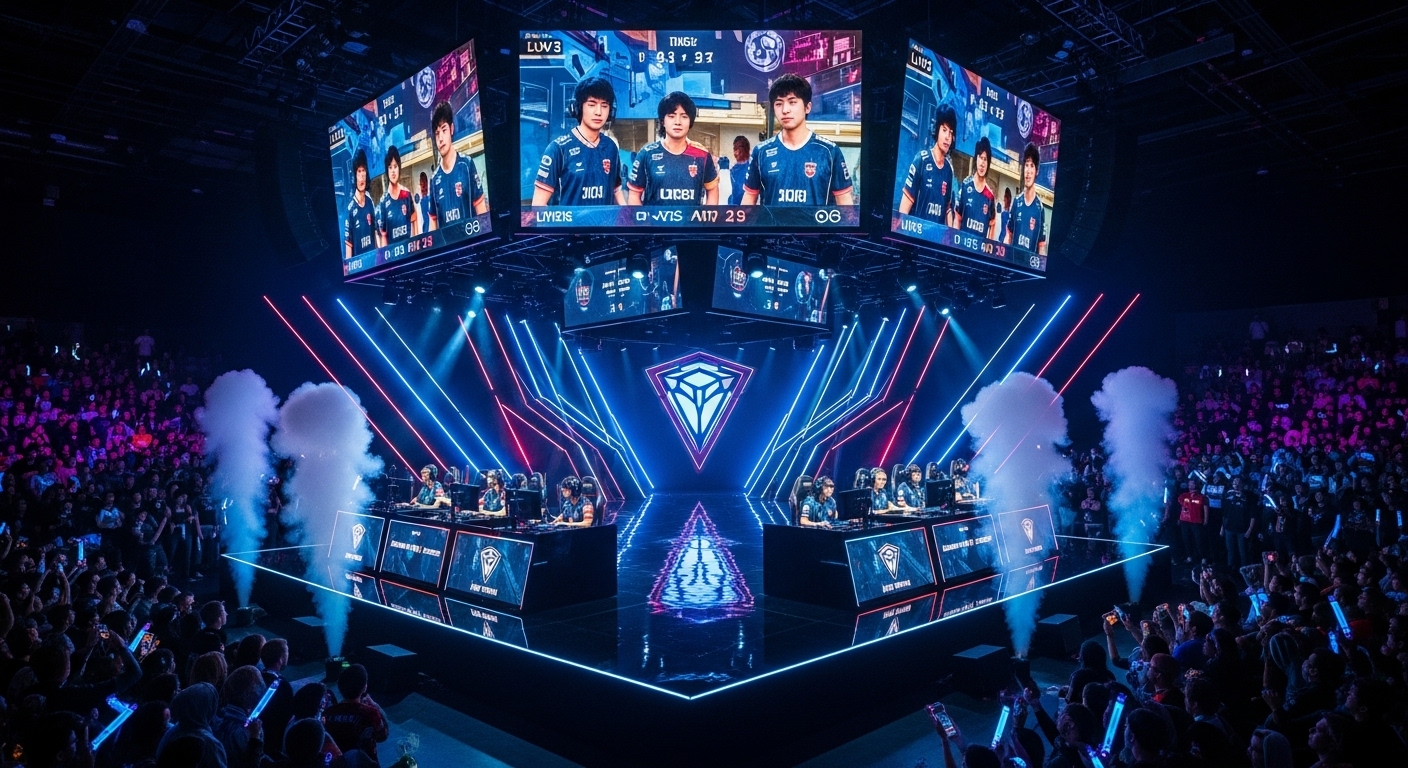
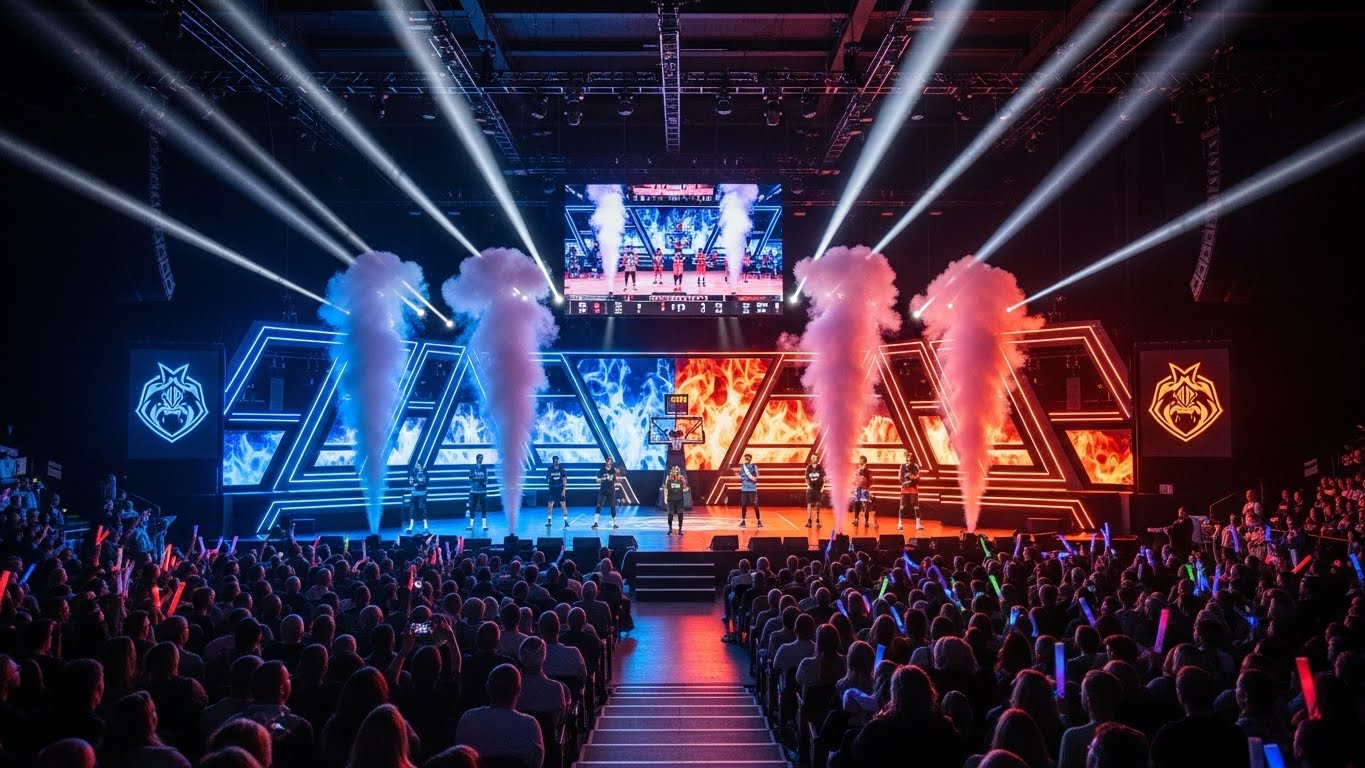
Stadium events for esports have also grown in scale. Venues hosting world championships attract tens of thousands of attendees, creating an atmosphere akin to traditional sports events. The spectacle of esports lies not only in the gameplay but also in the production value, including professional commentary, dramatic lighting, and large screens displaying live action.
The spectator aspect of esports has contributed significantly to its mainstream acceptance. Fans follow teams, engage in discussions online, and celebrate player achievements, fostering a sense of community and shared passion.
Economic Impact of Esports
Esports has become a major economic driver, generating revenue through multiple streams. Sponsorships, advertising, merchandise, ticket sales, and streaming monetization all contribute to the industry’s growth.
Companies across technology, beverage, apparel, and lifestyle sectors sponsor teams and events, recognizing the marketing potential of reaching a highly engaged audience. Teams often partner with brands to promote products, creating mutually beneficial relationships.
Professional players and streamers also benefit financially. Top-tier competitors can earn substantial salaries, prize money, and endorsement deals. Streaming platforms provide additional income, allowing players to monetize content and grow their personal brands.
Training and Player Development
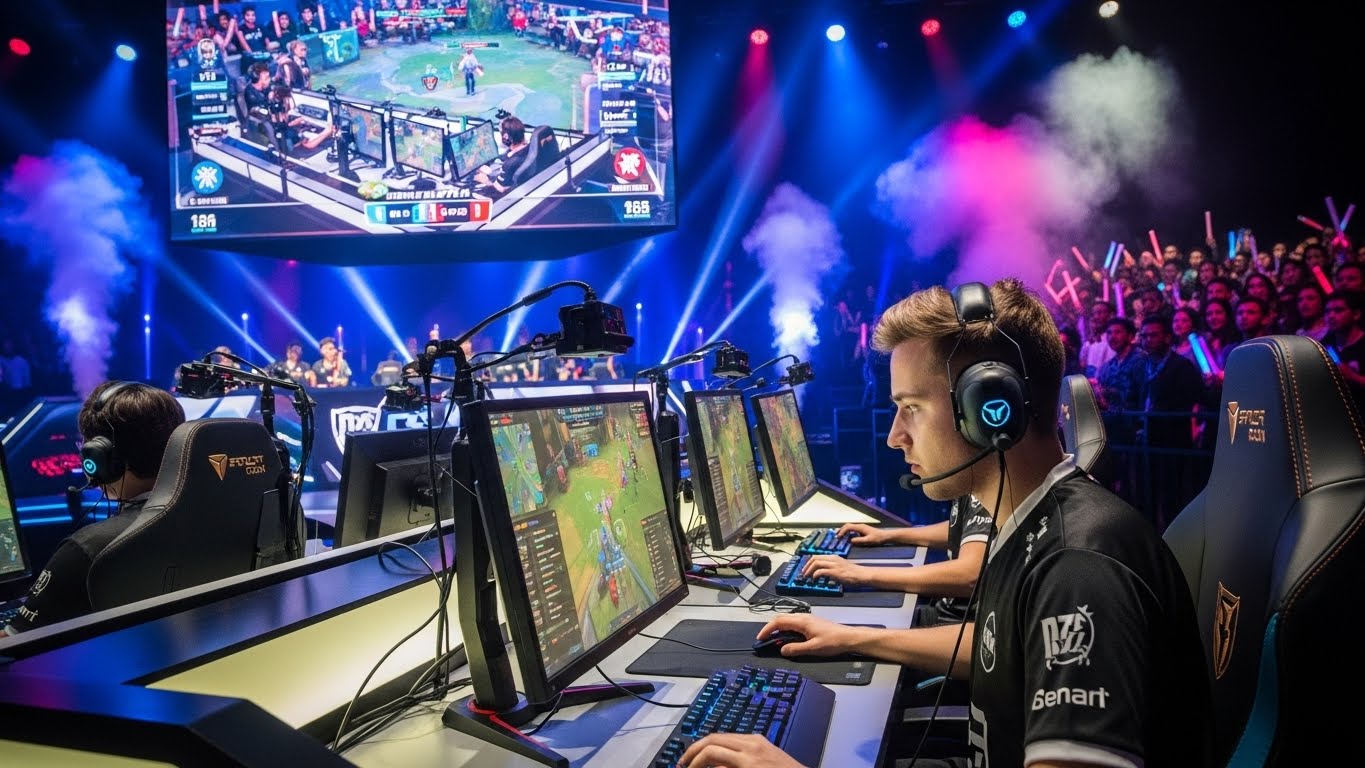
Unlike casual gaming, professional esports requires intense training and discipline. Players typically practice several hours daily, analyzing strategies, reviewing gameplay, and coordinating with teammates. Physical fitness is also emphasized, as mental clarity, reflexes, and endurance are crucial in long tournaments.
Coaches and analysts play an important role in team development. They study opponents, optimize strategies, and provide feedback to improve performance. This structured approach mirrors traditional sports, highlighting the professionalism and dedication involved in esports.
Technology and Innovation in Esports
Esports relies heavily on cutting-edge technology. High-performance gaming PCs, consoles, and peripherals enable precision and responsiveness. Streaming technology allows global audiences to watch live events with minimal latency.
Data analytics and performance tracking are increasingly used to enhance player performance. Advanced software monitors reaction times, accuracy, and decision-making, helping players identify strengths and weaknesses. Virtual reality and augmented reality are also being explored to create more immersive experiences for both players and spectators.
Community and Cultural Influence
Esports has cultivated a vibrant community culture. Fans participate in online forums, social media groups, and fan clubs. Content creation, including commentary, tutorials, and highlights, contributes to the ecosystem.
Esports also influences popular culture. It shapes fashion trends, music, and social interaction. The competitive scene has inspired documentaries, films, and media coverage, further cementing its cultural relevance.
Educational programs and collegiate esports teams are emerging worldwide, providing pathways for aspiring players to pursue professional careers. Scholarships, training programs, and competitions at academic institutions integrate esports into education, emphasizing skills like teamwork, strategic thinking, and problem-solving.
Challenges Facing the Esports Industry
Despite its rapid growth, esports faces several challenges. Player burnout and mental health concerns are common due to intense training schedules and high expectations. Organizations must prioritize wellness, work-life balance, and support systems to ensure longevity.
Regulatory issues also arise, particularly regarding gambling, sponsorships, and contractual obligations. Ensuring fair play, maintaining integrity, and complying with international laws are ongoing concerns.
Another challenge is accessibility. High-quality gaming equipment, fast internet, and streaming capabilities are essential for both players and spectators. Bridging the gap for those in regions with limited resources is important for inclusivity and global growth.
The Future of Esports
The future of esports is bright and full of possibilities. Technological advancements, including 5G connectivity, AI coaching, and virtual reality, will enhance gameplay and spectator experiences. The integration of esports into mainstream entertainment will continue, with more tournaments broadcast on television and collaborations with traditional sports leagues.
Mobile esports is also expanding, making competitive gaming accessible to a wider audience. Titles like Clash Royale and PUBG Mobile demonstrate that high-quality competitive experiences can thrive on handheld devices, opening new markets globally.
Esports will continue to influence culture, education, and business. Professional pathways, sponsorship opportunities, and media coverage will expand, solidifying its place as a legitimate and respected competitive domain.
Conclusion
Esports has evolved from a niche hobby into a professional, global industry with far-reaching cultural, economic, and technological impact. It combines the excitement of traditional sports with the creativity and innovation of video games, creating a unique form of entertainment that engages millions worldwide.
From its early origins in arcade competitions to modern international tournaments, esports demonstrates the power of gaming to unite communities, foster talent, and inspire innovation. The growth of esports reflects broader societal trends in digital entertainment, connectivity, and interactive media, making it one of the most dynamic industries of the 21st century.
As technology advances and the community continues to expand, esports will undoubtedly continue to surprise, inspire, and redefine the way the world experiences competitive gaming.