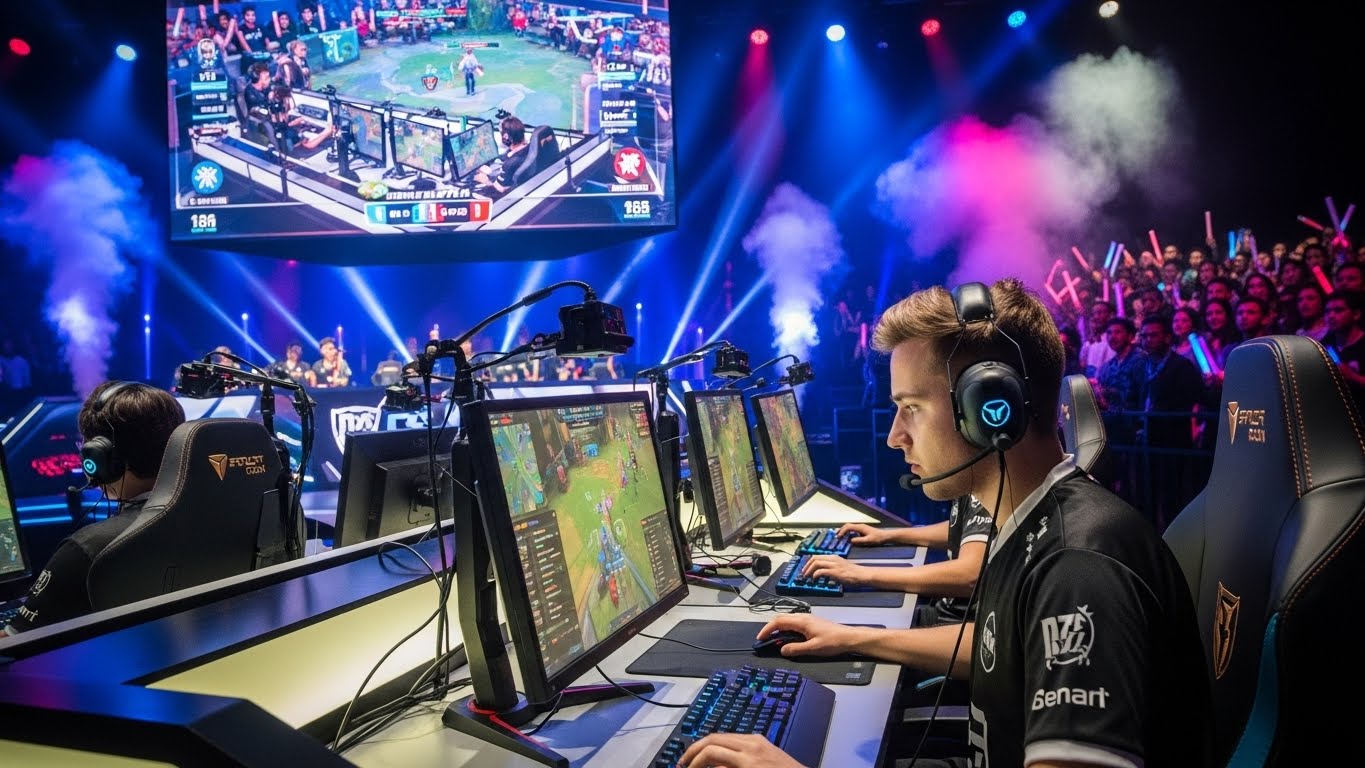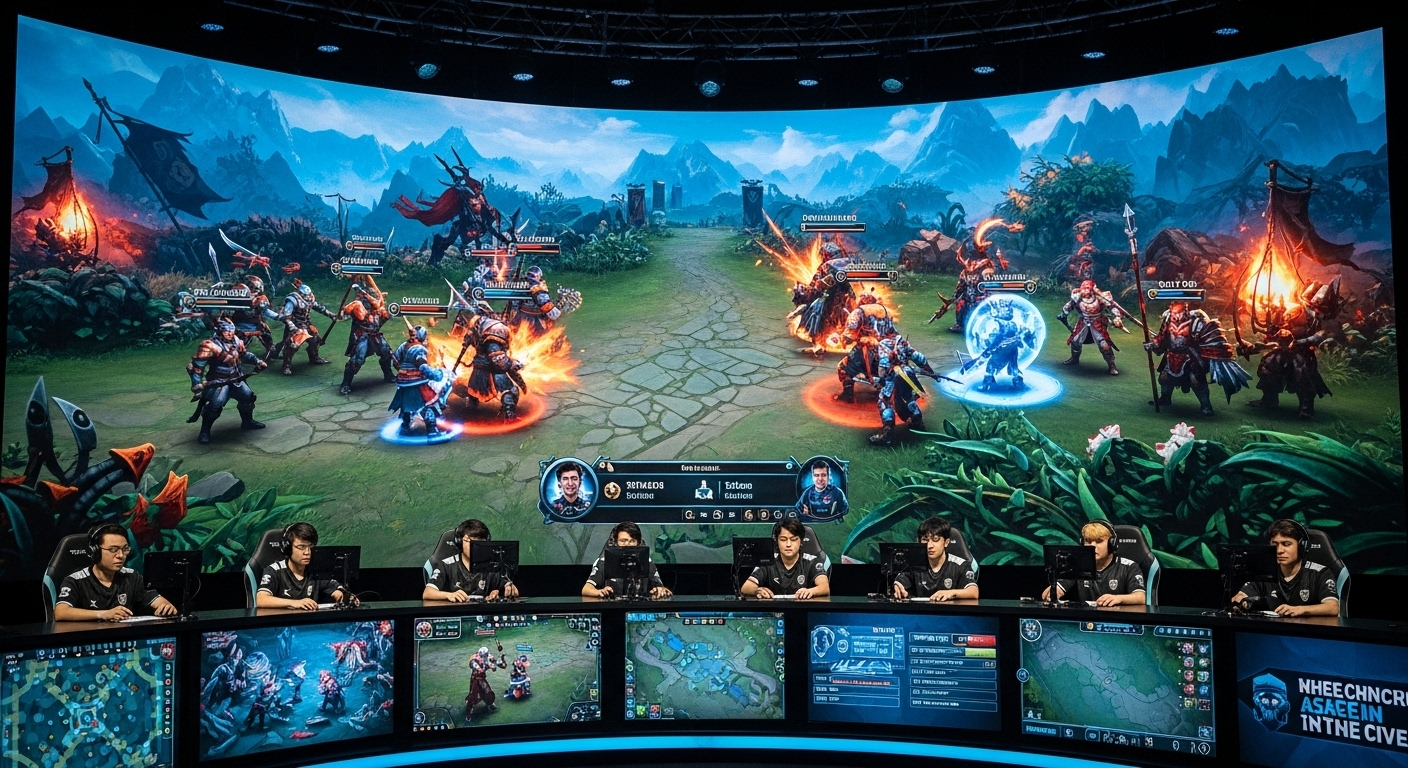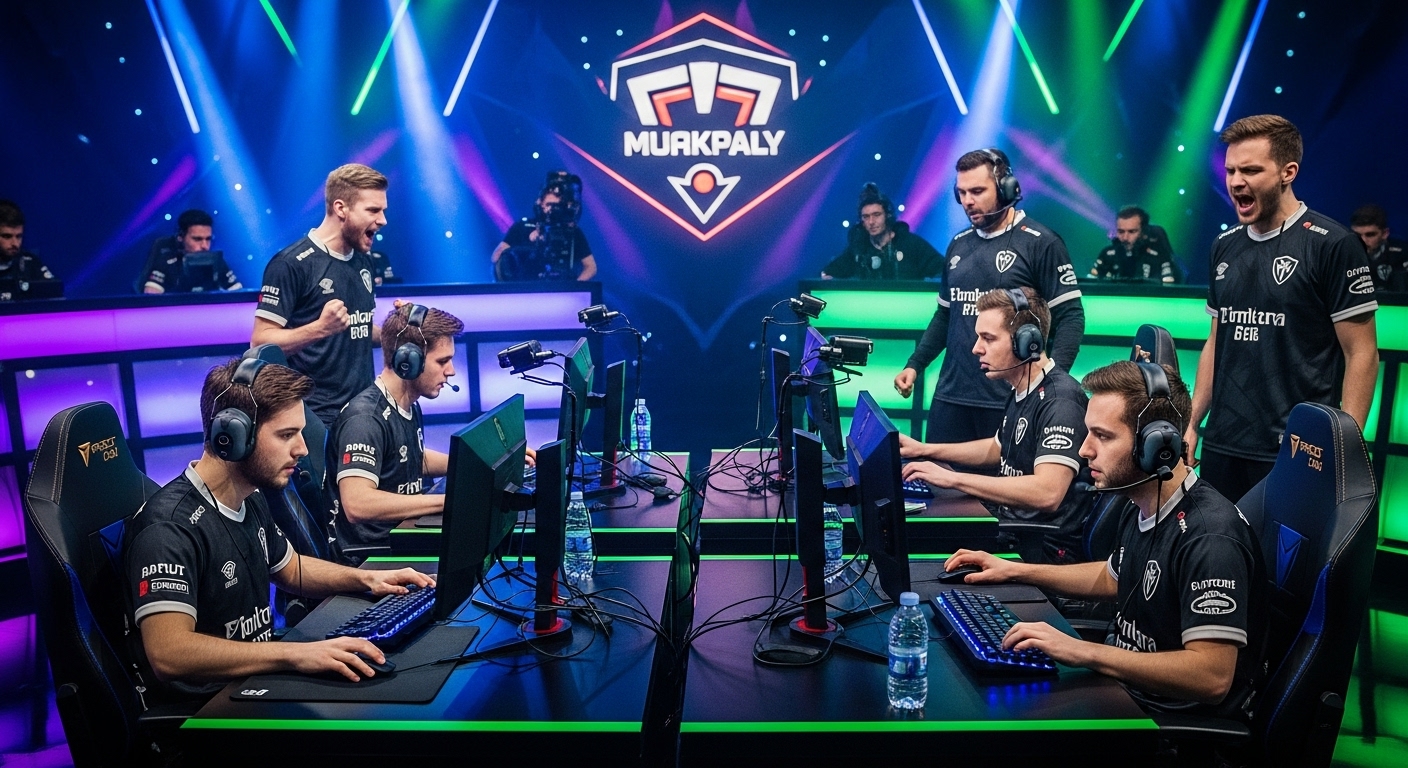
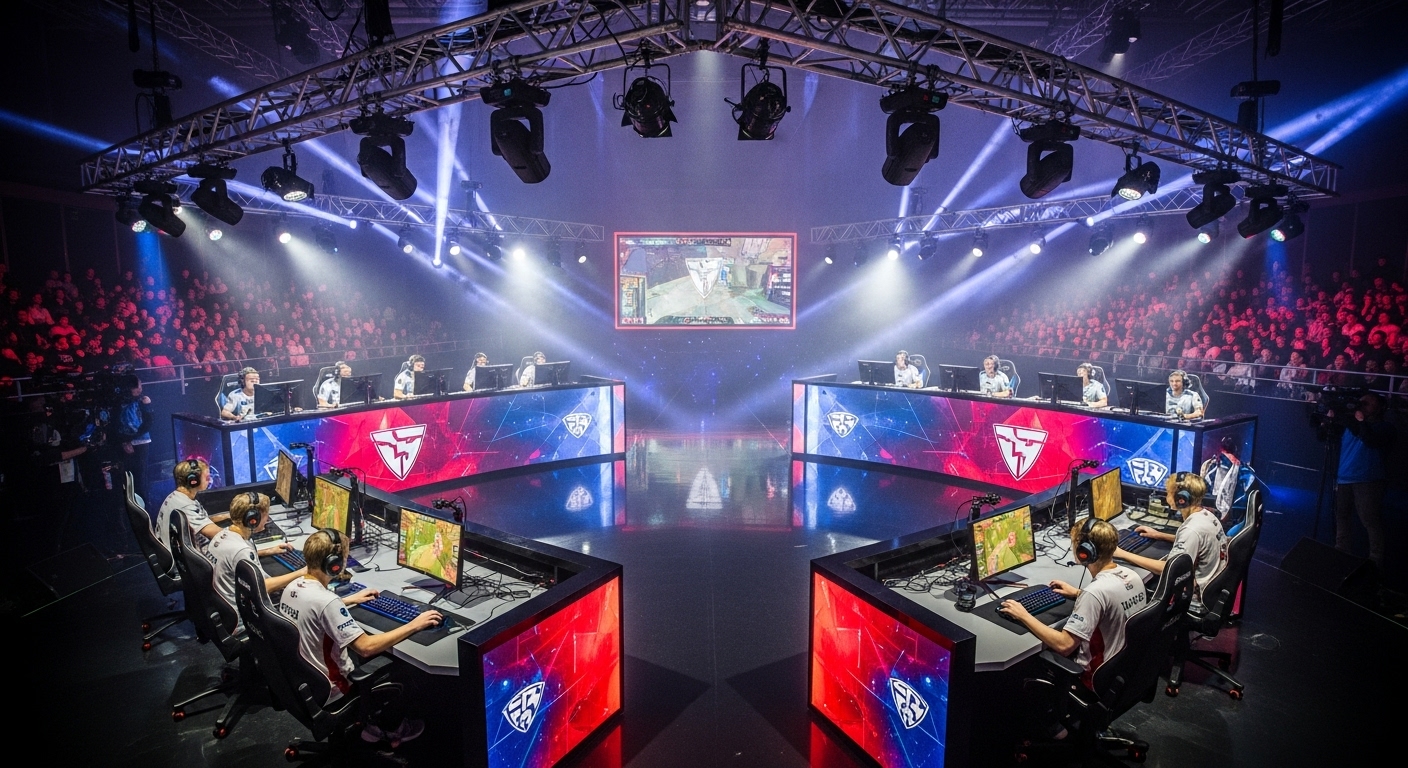
The global esports industry has transformed from a niche community of gamers into a billion-dollar entertainment empire. At the heart of this transformation lies one of the most valuable and rapidly growing assets in modern sports and entertainment—media rights. Just as traditional sports like football, basketball, and cricket generate enormous revenue from broadcasting deals, esports is entering its own golden era of media rights monetization. This new frontier represents not just a stream of income for organizations and event organizers but a fundamental pillar in the structure of competitive gaming’s future economy.
In this blog, we will explore how esports media rights are shaping the industry, the stakeholders involved, the challenges faced, and why experts call it the next gold rush of the digital age.
The Rise of Esports and the Demand for Media Coverage
Esports has evolved from casual LAN events into massive global tournaments that attract millions of viewers both online and offline. Games like League of Legends, Dota 2, Counter-Strike, and Valorant command audiences comparable to major sporting events. The League of Legends World Championship, for instance, garners viewership numbers rivaling those of the Super Bowl or the FIFA World Cup final.
With such staggering audience sizes, broadcasters, streaming platforms, and media companies are eager to capture a slice of the esports pie. The demand for exclusive broadcasting rights to major tournaments has surged, as platforms compete for audience loyalty and engagement. As a result, media rights have quickly become a primary source of revenue for tournament organizers, game publishers, and esports leagues.
Understanding Esports Media Rights
In traditional sports, media rights refer to the permissions sold by leagues or teams to broadcasters, allowing them to air live or recorded content of sporting events. Esports follows a similar model, but with a digital twist. Media rights in esports can encompass live streaming, replays, highlights, and even content distribution on social media and video platforms.
However, the structure is more complex because of the digital nature of esports. Unlike football or basketball, where no single entity owns the sport, in esports the game publisher owns the intellectual property. This means that companies like Riot Games (League of Legends) or Valve (Dota 2, CS2) control every aspect of how their games are broadcasted. Publishers, therefore, play a more dominant role in deciding who gets media rights and how they are monetized.
The Shift from Free Streams to Exclusive Deals
For years, esports relied heavily on free streaming platforms like Twitch and YouTube to attract viewers. The open-access model allowed millions of fans worldwide to watch tournaments without any cost, which helped esports grow its massive audience base. However, as the industry matures, organizers and publishers have started realizing the untapped potential of exclusivity.
Exclusive media deals are now becoming more common. In these agreements, one platform secures exclusive rights to broadcast certain tournaments or leagues. This exclusivity boosts the platform’s viewership and advertising revenue while providing the event organizers with a steady income stream.
For instance, when a streaming service secures exclusive rights to broadcast a high-profile esports tournament, it not only attracts subscribers but also gains prestige within the gaming community. Similarly, event organizers benefit from predictable, long-term revenue that helps them fund future events and player salaries.
The Role of Game Publishers in Media Rights
Game publishers hold a unique position in esports because they own the game being played. This gives them unprecedented control over the esports ecosystem, including how and where competitions are broadcast.
Riot Games, for example, has built a fully integrated esports model, managing both its tournaments and media distribution channels. Riot’s approach ensures consistent production quality and branding while maximizing profits from sponsorships, advertising, and media rights. Similarly, Activision Blizzard has centralized control over its Call of Duty League and Overwatch League, selling exclusive streaming rights to platforms that bid for access to their global audiences.
While this publisher-driven model ensures strong brand consistency, it also raises concerns about competition and market access. Smaller broadcasters may struggle to compete against major corporations that can afford exclusive contracts, leading to consolidation in the esports media space.
Why Media Rights Are the Next Gold Rush
The term “gold rush” perfectly captures the explosive growth potential of esports media rights. There are several reasons why industry experts believe this sector represents the next big opportunity in global entertainment.
1. Explosive Audience Growth:
Esports viewership continues to climb, with millions of fans tuning in to major tournaments across the globe. The global audience is expected to surpass half a billion viewers in the coming years, creating an enormous market for broadcasters and advertisers.
2. Younger Demographic:
Unlike traditional sports, esports attracts younger viewers—most between 16 and 34 years old—who are digital natives. This makes esports an ideal avenue for brands and media companies trying to engage with the next generation of consumers.
3. Cross-Platform Integration:
Esports thrives across multiple platforms, from Twitch and YouTube to Facebook Gaming and regional streaming services. The diversity of platforms allows broadcasters to experiment with monetization models, such as subscriptions, pay-per-view events, or ad-supported streams.
4. Global Accessibility:
Unlike traditional sports limited by geography, esports transcends borders. Fans from any corner of the world can watch tournaments live, interact with players, and participate in online discussions. This global reach increases the value of media rights exponentially.
5. Corporate Investment:
Media giants, technology companies, and even traditional sports broadcasters are entering the esports space. Their investments are driving up competition for rights deals, which in turn increases their market value.
Key Players in the Esports Media Landscape
The esports media ecosystem includes multiple stakeholders working together—or sometimes competing—for viewer attention and financial returns.
1. Game Publishers:
As the owners of game IPs, publishers such as Riot Games, Valve, Blizzard Entertainment, and Epic Games have the final say in how esports content is distributed. They often act as both organizers and licensors of media rights.
2. Tournament Organizers:
Companies like ESL, DreamHack, and Blast Premier organize some of the largest esports tournaments in the world. They negotiate with media partners to sell broadcast rights and ensure global distribution.
3. Streaming Platforms:
Twitch, YouTube Gaming, Kick, and Facebook Gaming are the dominant platforms for live esports streaming. These platforms compete for exclusive rights to major events, knowing that high-profile tournaments attract millions of concurrent viewers.
4. Broadcasters and Media Companies:
Traditional broadcasters such as ESPN, BBC, and Sky have also entered the esports space, offering televised coverage of major events to bring esports to mainstream audiences.
5. Advertising and Sponsorship Partners:
Brands play a vital role by funding tournaments in exchange for visibility on broadcast platforms. The integration of sponsors in live streams, in-game branding, and event broadcasts further increases the value of media rights.
Challenges in Monetizing Esports Media Rights
Despite its tremendous potential, the esports media rights market faces several challenges that must be addressed for sustainable growth.
1. Fragmentation of Platforms:
Unlike traditional sports that rely on a few major broadcasters, esports is fragmented across multiple online platforms. This makes it difficult for organizers to consolidate audiences and maximize revenue.
2. Regional Licensing Issues:
Esports is a global phenomenon, but licensing rights across multiple regions can be complicated. Regulations, language barriers, and varying digital infrastructure add complexity to global broadcasting deals.
3. Measurement and Metrics:
Accurate audience measurement is a major challenge. Different platforms use varying metrics for viewership, making it hard to determine the true reach and value of a broadcast.
4. Piracy and Illegal Streams:
Unlicensed streams remain a persistent issue. These unauthorized broadcasts reduce official viewership numbers and diminish the overall value of legitimate media rights.
5. Balancing Accessibility and Profitability:
One of esports’ greatest strengths is its accessibility. Fans love that they can watch tournaments for free. Introducing paywalls or exclusive deals risks alienating part of the audience. Striking the right balance between free access and monetization is essential.
Innovative Media Rights Models Emerging in Esports
To overcome these challenges, esports stakeholders are experimenting with innovative models for media rights distribution.
Hybrid Broadcasting Models:
Some tournaments use a mix of exclusive and open-access streams. For example, early rounds might be available for free on public platforms, while finals or premium matches are broadcast exclusively on a paid channel.
Localized Streaming:
Regional broadcasters are beginning to acquire rights for localized versions of tournaments, with commentary in native languages and tailored regional content. This strategy boosts engagement and advertising revenue in specific markets.
Subscription and Membership Models:
Certain esports leagues are exploring subscription services where fans can pay a small fee for premium content, such as behind-the-scenes footage, player interviews, and early access to streams.
Co-Streaming Partnerships:
A unique trend in esports broadcasting is co-streaming, where popular influencers or streamers rebroadcast official tournament feeds with their own commentary. This model expands reach and keeps the community engaged while maintaining control over the core broadcast.
In-Game Viewing Experiences:
Game publishers are developing features that allow fans to watch tournaments directly within the game client. This immersive experience provides opportunities for interactive advertising and premium digital purchases, further monetizing media rights.
The Global Expansion of Esports Broadcasting
The growing popularity of esports media rights has attracted attention from regions outside the traditional esports powerhouses. Asia, North America, and Europe remain dominant, but regions like Latin America, the Middle East, and Africa are experiencing rapid growth.
Emerging markets offer massive potential due to expanding internet connectivity and mobile gaming adoption. Broadcasters in these regions are eager to secure rights to international tournaments while promoting local competitions. This localized approach helps esports penetrate new demographics and strengthens its global presence.
The Future of Esports Media Rights
The next decade of esports will be defined by how effectively the industry manages and monetizes media rights. With increasing investment from corporations, broadcasters, and technology companies, the value of these rights is expected to skyrocket.
Artificial intelligence and data analytics are also set to revolutionize esports broadcasting. Personalized viewing experiences, real-time statistics, and interactive content will redefine how fans consume esports. The integration of virtual reality and augmented reality could make esports broadcasts even more immersive and engaging.
Moreover, as competition intensifies among streaming platforms, bidding wars for exclusive rights could push media rights valuations to unprecedented levels. This could mirror the trajectory of traditional sports, where broadcasting deals generate billions annually.
However, sustainability will depend on balancing commercialization with community access. Esports grew because of its inclusivity and openness; losing that spirit in pursuit of profit could harm its long-term growth. The ideal path forward is one where publishers, broadcasters, and fans benefit collectively from this digital gold rush.
Conclusion
Esports media rights represent the next great frontier in the evolution of competitive gaming. As viewership expands, technology advances, and corporate interest surges, the potential for revenue generation through broadcasting will only grow stronger.
Much like the gold rushes of the past, those who act early and strategically in the esports media landscape stand to reap significant rewards. But this time, the gold isn’t buried in the earth—it’s streaming through the internet, broadcast to millions of passionate fans worldwide.