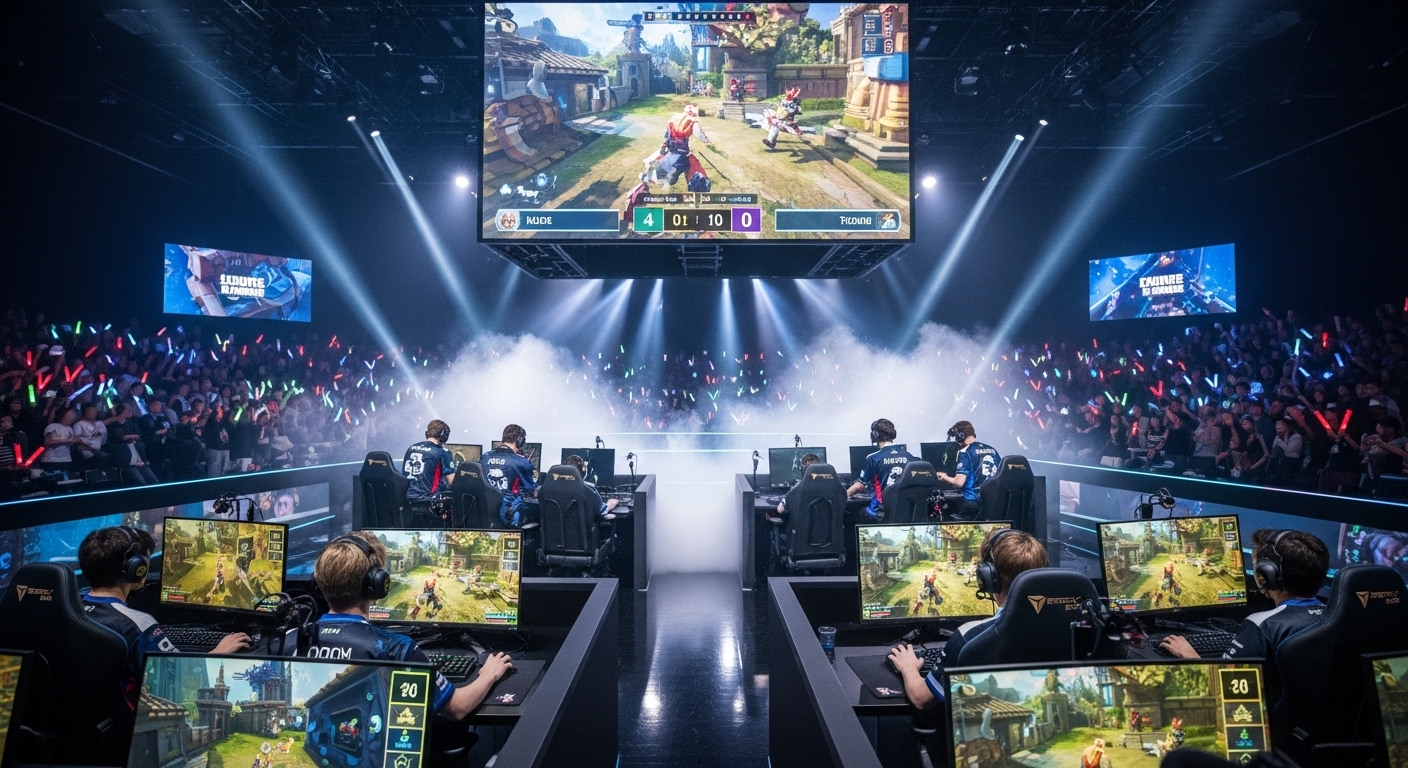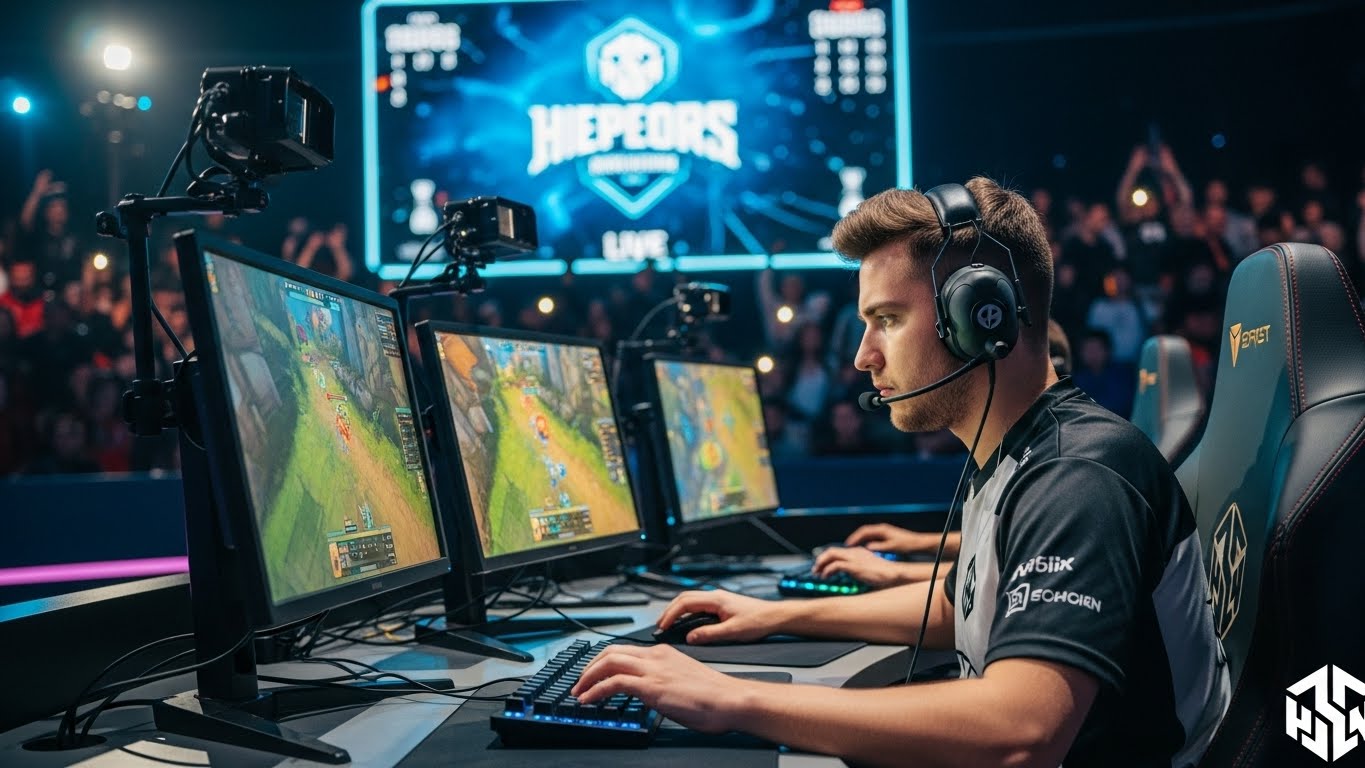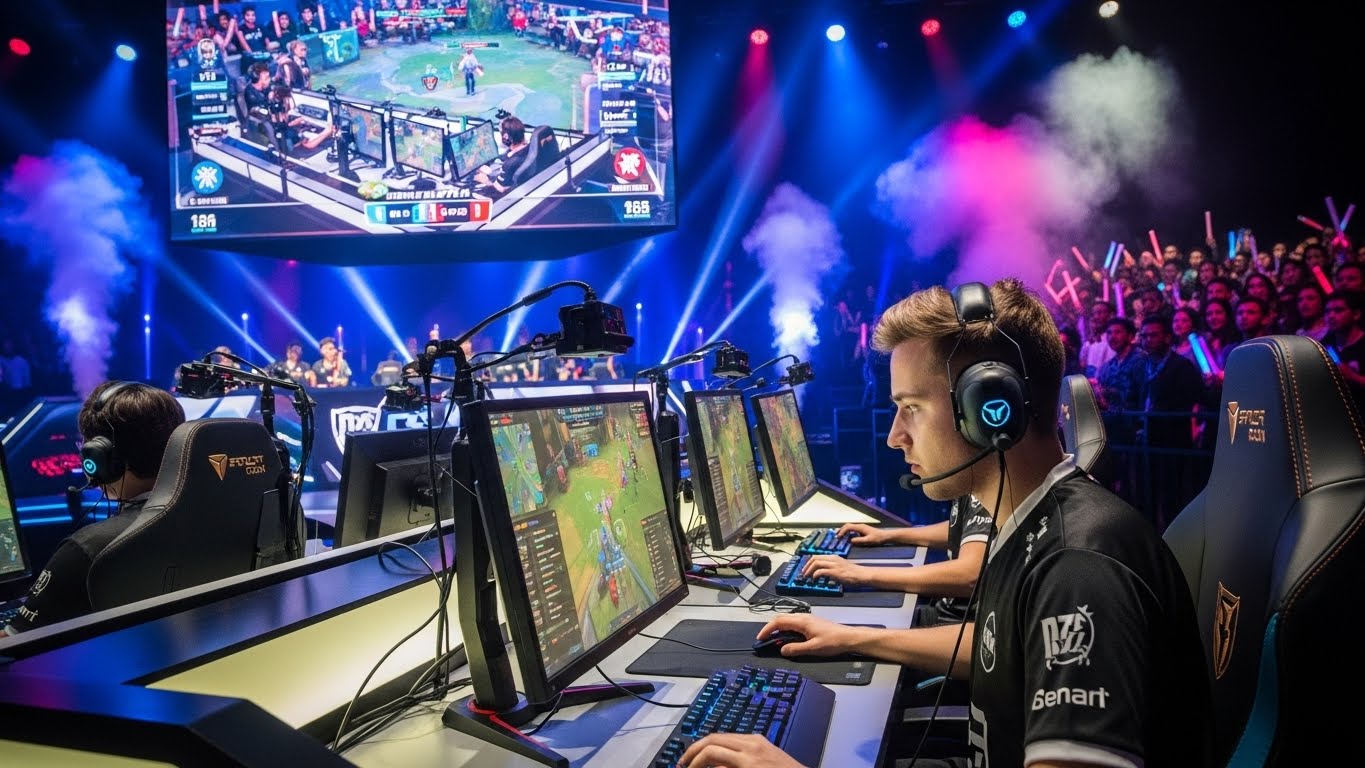

Esports has evolved from a niche pastime into a global phenomenon, captivating millions of players and fans worldwide. Yet, while international tournaments like The International, the League of Legends World Championship, and the Fortnite World Cup often dominate headlines, the real heartbeat of the esports revolution lies closer to home — in local and regional leagues. These community-driven competitions are quietly but powerfully shaping the future of competitive gaming.
Local esports leagues are more than just smaller versions of global events. They are essential foundations that cultivate new talent, strengthen fan communities, and connect gaming culture to local identity. Across cities, universities, and even small towns, these leagues are creating opportunities, inspiring grassroots participation, and fueling the next generation of professional players.
This article explores in depth how local esports leagues are growing, what drives their success, and why they are becoming crucial to the long-term sustainability of the esports ecosystem.
The Rise of Local Esports: From Hobby to Organized Competition
Not long ago, most esports activity was confined to online tournaments or massive international stages. Local communities were often disconnected from this global excitement, with few opportunities for in-person engagement. That’s changing rapidly.
Local esports leagues have emerged as structured, organized platforms where players can compete within their own regions. From community gaming centers and school-based tournaments to citywide championships, these events bring competition to the grassroots level.
This shift is a natural evolution of gaming culture. As esports gained mainstream acceptance, the desire for physical connection — for fans to cheer, players to meet, and communities to form — grew stronger. Local leagues now bridge that gap, blending the accessibility of online gaming with the social engagement of traditional sports.
Community Building Through Local Esports
At the heart of every local esports league is community. Players aren’t just competing; they’re forming friendships, learning teamwork, and fostering a shared identity around their local scene.
Local tournaments create inclusive environments where newcomers can participate without needing professional-level skills or expensive setups. These accessible entry points invite players of all ages, backgrounds, and abilities to experience competition firsthand.
Moreover, these events offer something global tournaments can’t: personal connection. Seeing familiar faces at regular matches or community centers builds loyalty and belonging. Fans become emotionally invested not just in teams, but in the local culture that surrounds them.
This sense of belonging strengthens engagement and encourages sustainable participation — ensuring esports isn’t just a passing trend but a long-lasting movement embedded in communities.
Support from Educational Institutions
One of the most significant drivers of local esports growth is the involvement of schools, colleges, and universities. Educational institutions around the world are recognizing the academic and developmental benefits of organized gaming.
High schools and colleges are forming official esports teams, offering structured practice sessions, coaching, and inter-school leagues. Many universities now host regional competitions that feed into national tournaments.
These programs promote teamwork, communication, strategic thinking, and leadership — the same skills valued in traditional sports. They also create clear pathways for students to transition from casual players into serious competitors.
In some countries, universities even offer esports scholarships, making gaming a legitimate part of academic life. This integration ensures that esports continues to grow at the grassroots level, producing not just skilled players but also future coaches, analysts, and event organizers.
The Role of Local Venues and Gaming Centers
Physical spaces play a crucial role in nurturing local esports communities. Gaming cafés, community centers, and dedicated esports arenas are popping up across cities, giving players a place to gather, practice, and compete.
These venues often host weekly tournaments, watch parties, and training sessions. They act as incubators for local talent, offering infrastructure that many players lack at home — high-end PCs, stable internet connections, and professional setups.
Local venues also add a social dimension to gaming. Instead of being isolated experiences, matches become shared events filled with laughter, cheering, and collaboration. This transformation from solitary play to community gathering is a key reason local esports scenes are thriving.
Corporate and Sponsor Involvement
As the popularity of local esports grows, so does interest from brands and sponsors. Companies — both gaming-related and mainstream — see local leagues as opportunities to connect with younger, tech-savvy audiences in authentic ways.
Local businesses sponsor tournaments, provide prizes, or partner with venues to host events. Larger corporations often fund regional competitions as part of marketing strategies or corporate social responsibility programs.
These partnerships not only provide financial stability for local leagues but also elevate their professionalism. With better funding, organizers can afford improved production, quality streaming, and larger prize pools — all of which attract more participants and spectators.
Accessibility and Inclusion: The Strength of Local Leagues
Local esports leagues thrive because they are accessible. Unlike global tournaments that require elite skill and massive resources, local events welcome everyone — from casual gamers to aspiring pros.
Inclusivity is a defining feature. Many local leagues actively promote diversity by encouraging participation from women, underrepresented communities, and players with disabilities. They often collaborate with local organizations to ensure equal access and fair play.
By prioritizing accessibility, these leagues broaden esports’ appeal and ensure that gaming remains open to everyone, not just those with professional ambitions.
Technology Advancements Fueling Local Growth
Technology has made organizing and participating in local esports easier than ever. Platforms that manage brackets, live scoring, and streaming allow even small communities to host professional-grade tournaments.
Affordable streaming tools, better internet connectivity, and accessible gaming equipment mean players no longer need major sponsorships to compete or broadcast their matches.
Social media platforms also play a key role. Through TikTok, Discord, and YouTube, local players and organizers can share highlights, promote events, and reach wider audiences. The ability to stream matches live brings professional-style exposure to local talent and boosts engagement from fans who can’t attend in person.
Talent Development: Building the Next Generation of Pros
Local esports leagues act as training grounds for the future stars of global competition. They provide a safe environment where players can gain experience, refine skills, and learn to handle the pressure of organized play.
Coaches and analysts often scout emerging talent at these events, offering mentorship or connecting players to professional teams. Many of today’s top esports athletes started their journeys in small, local tournaments where they first honed their competitive instincts.
This grassroots approach mirrors traditional sports, where local clubs feed into regional and national systems. By nurturing players from the bottom up, esports ensures a steady flow of new talent capable of sustaining the industry’s rapid growth.
Media Coverage and Fan Engagement
Local esports are increasingly gaining attention from local media outlets, online publications, and streaming channels. Coverage of city-based tournaments or community leagues helps legitimize the scene and attracts new audiences.
Fans, too, play an active role. They create fan art, host podcasts, and share match highlights online, building excitement around local players and teams. This fan-generated content spreads organically, drawing attention to local esports far beyond their immediate geography.
As fans feel closer to the action — literally and emotionally — engagement deepens. Local esports foster the same kind of community spirit found in traditional sports, where hometown pride fuels passion and loyalty.
Government and Institutional Support
Governments and public institutions are beginning to recognize the economic and social potential of esports. In several regions, local authorities now support esports leagues through grants, sponsorships, and public event venues.
Esports can boost tourism, create jobs, and strengthen local economies. Large city-based tournaments attract visitors, media attention, and investment in technology infrastructure.
For example, some cities have begun hosting annual esports festivals that combine competition with education, workshops, and career expos. These initiatives position esports as both entertainment and economic opportunity, accelerating its local growth.
Esports Clubs and Amateur Teams
The rise of community-driven esports clubs and amateur teams further fuels local scene development. These groups often operate like traditional sports clubs — with rosters, managers, and structured practice schedules.
Clubs provide mentorship for younger players and often collaborate with schools or sponsors to compete in local leagues. The sense of belonging to a team gives players motivation to train harder and represent their community with pride.
This club-based structure also builds fan loyalty. Local supporters cheer for their hometown teams, creating a passionate fan culture that rivals traditional sports fandom.
The Social and Cultural Impact of Local Esports
Local esports leagues are changing the perception of gaming in communities. Once seen as a solitary or even unproductive activity, gaming is now recognized as a platform for connection, creativity, and growth.
Parents and educators who attend local events often leave impressed by the teamwork, strategy, and discipline on display. These leagues demonstrate that gaming can be both competitive and constructive, promoting skills like leadership, communication, and problem-solving.
Culturally, esports has become a unifying force. It brings together people across generations and backgrounds who share a passion for gaming. In diverse communities, it serves as common ground where language and cultural barriers fade, replaced by shared excitement and competition.
Challenges Facing Local Esports Leagues
Despite their growth, local esports leagues face several challenges that must be addressed for continued success.
- Funding limitations: Smaller leagues often rely on volunteer organizers or small sponsorships, making long-term sustainability difficult.
- Infrastructure gaps: Many areas lack proper venues, reliable internet, or technical expertise.
- Exposure: Without mainstream media attention, some leagues struggle to attract new participants or spectators.
- Standardization: Varying rules and tournament formats can make it hard for local leagues to connect with regional or national systems.
However, as awareness grows and more institutions invest in local esports, these challenges are being steadily overcome through innovation, partnerships, and education.
The Future of Local Esports Leagues
The trajectory of local esports is promising. What began as casual gatherings is now evolving into organized ecosystems that mirror professional sports.
In the near future, we can expect:
- Integration with professional circuits: Local leagues serving as official feeders into national or global competitions.
- Greater investment: Sponsors and cities funding long-term esports programs.
- Education partnerships: Expansion of esports in schools and universities.
- Improved infrastructure: More dedicated esports venues and training centers.
- Cross-platform inclusivity: Integration of mobile, console, and PC tournaments to widen participation.
These developments will ensure that esports continues to grow from the ground up — inclusive, dynamic, and deeply connected to communities.
Conclusion
Local esports leagues are the unsung heroes of the gaming world. They are the soil in which the seeds of global champions are planted and the spaces where passion becomes purpose.
Their growth reflects a larger transformation — one where gaming moves beyond screens and into the heart of communities. Through local leagues, esports is becoming more human, more accessible, and more culturally significant than ever before.
As cities, schools, and fans continue to embrace the competitive spirit of gaming, local esports will shape the future of the industry — one match, one team, and one community at a time.