Introduction: A Digital Arena Comes of Age
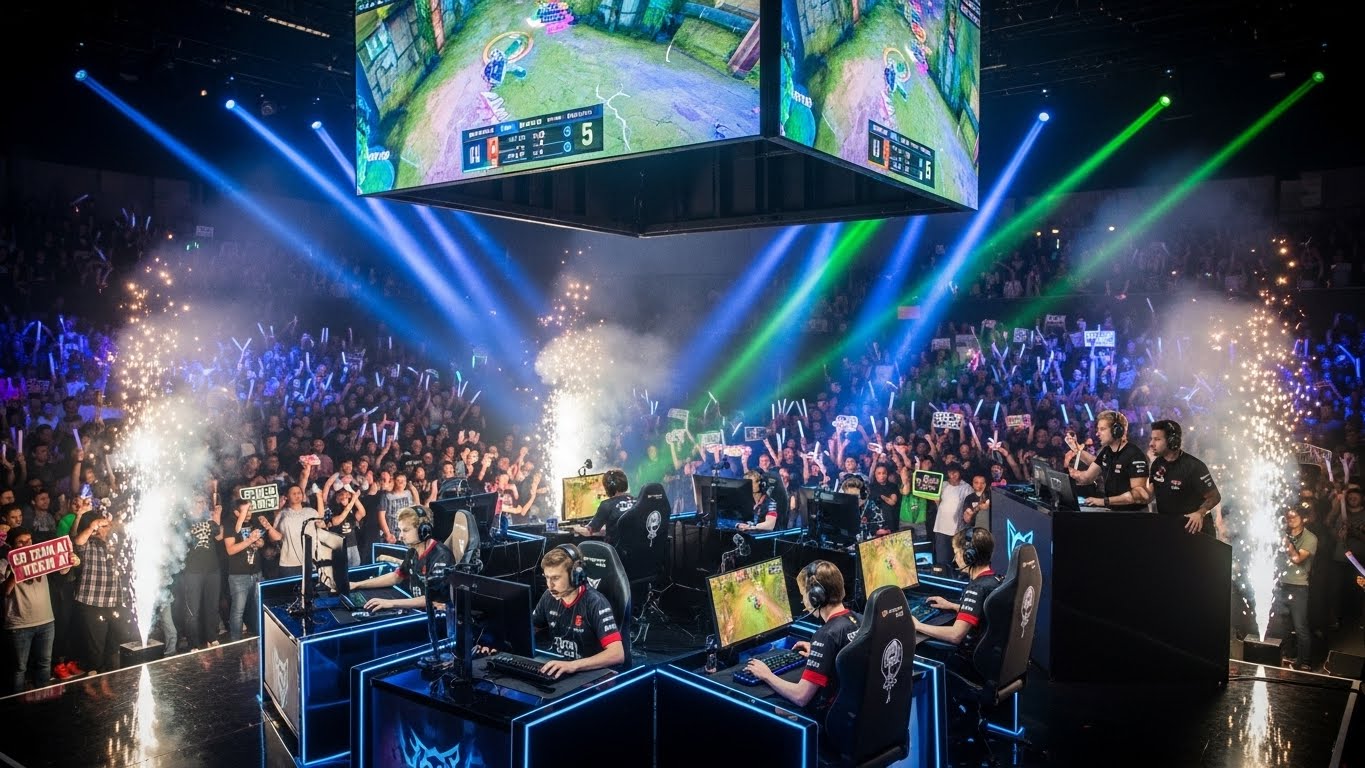
Esports, once a niche pastime confined to bedrooms and internet cafés, has transformed into a global cultural and economic phenomenon. Competitive video gaming now fills stadiums, attracts millions of online viewers, and creates careers that were unimaginable just two decades ago. What began as informal competitions among friends has evolved into a structured industry with professional teams, leagues, sponsorships, and devoted fan bases. Esports is no longer just about games; it is about community, identity, technology, and the future of entertainment.
The Origins of Competitive Gaming
The roots of esports can be traced back to the early days of video games, when high scores and friendly rivalries sparked competition. Arcade tournaments in the 1980s planted the first seeds, but limited technology kept these events small and localized. As personal computers and home consoles became more powerful, multiplayer gaming expanded beyond local spaces. The rise of the internet was the turning point, enabling players from different countries to compete in real time. This connectivity transformed casual competition into organized play, laying the foundation for modern esports.
From Hobby to Profession
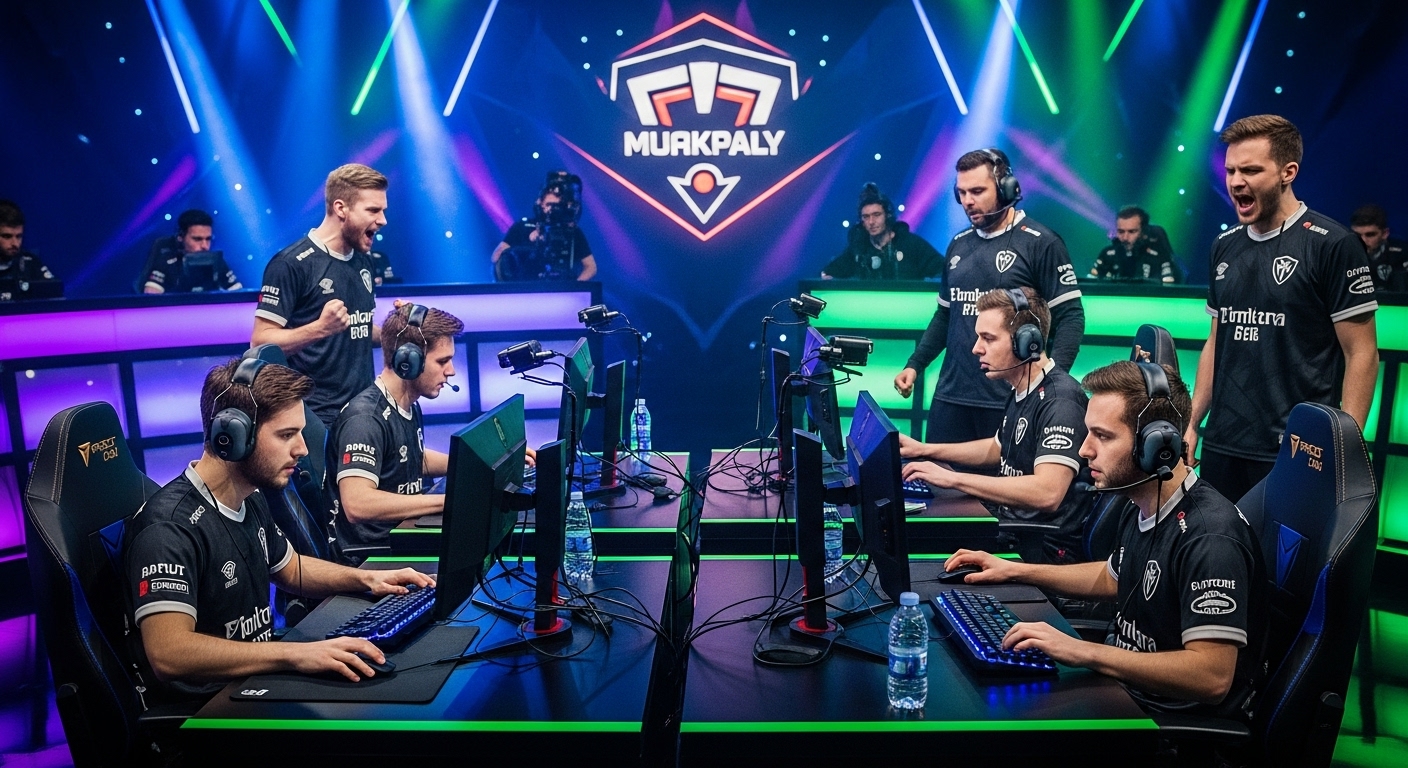
One of the most remarkable aspects of esports is its rapid professionalization. Today, top players train for hours each day, following strict schedules similar to traditional athletes. Teams employ coaches, analysts, psychologists, and fitness trainers to gain competitive advantages. Contracts, salaries, and transfer systems mirror those found in established sports. For many young players, esports offers a legitimate career path, providing income, recognition, and global exposure. This shift has challenged outdated perceptions of gaming as unproductive or purely recreational.
The Games That Define Esports
Not every video game becomes an esport. Successful competitive titles share certain characteristics, such as balanced gameplay, high skill ceilings, and strong spectator appeal. Strategy games emphasize decision-making and teamwork, while action-oriented games demand precision, reflexes, and adaptability. Each genre attracts a different audience, contributing to the diversity of the esports ecosystem. Developers now design games with competitive longevity in mind, understanding that a strong esports scene can extend a game’s lifespan and cultural impact.
The Role of Streaming and Spectatorship
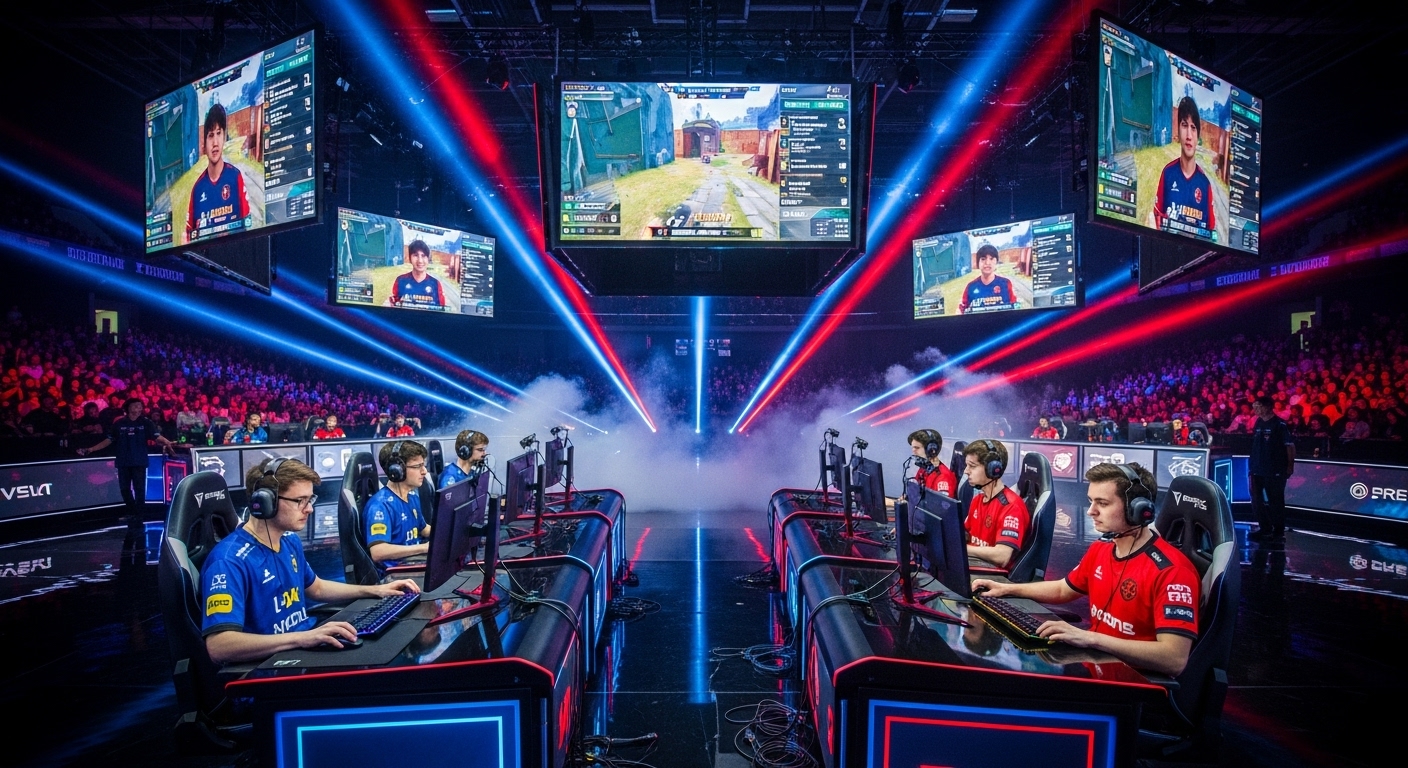
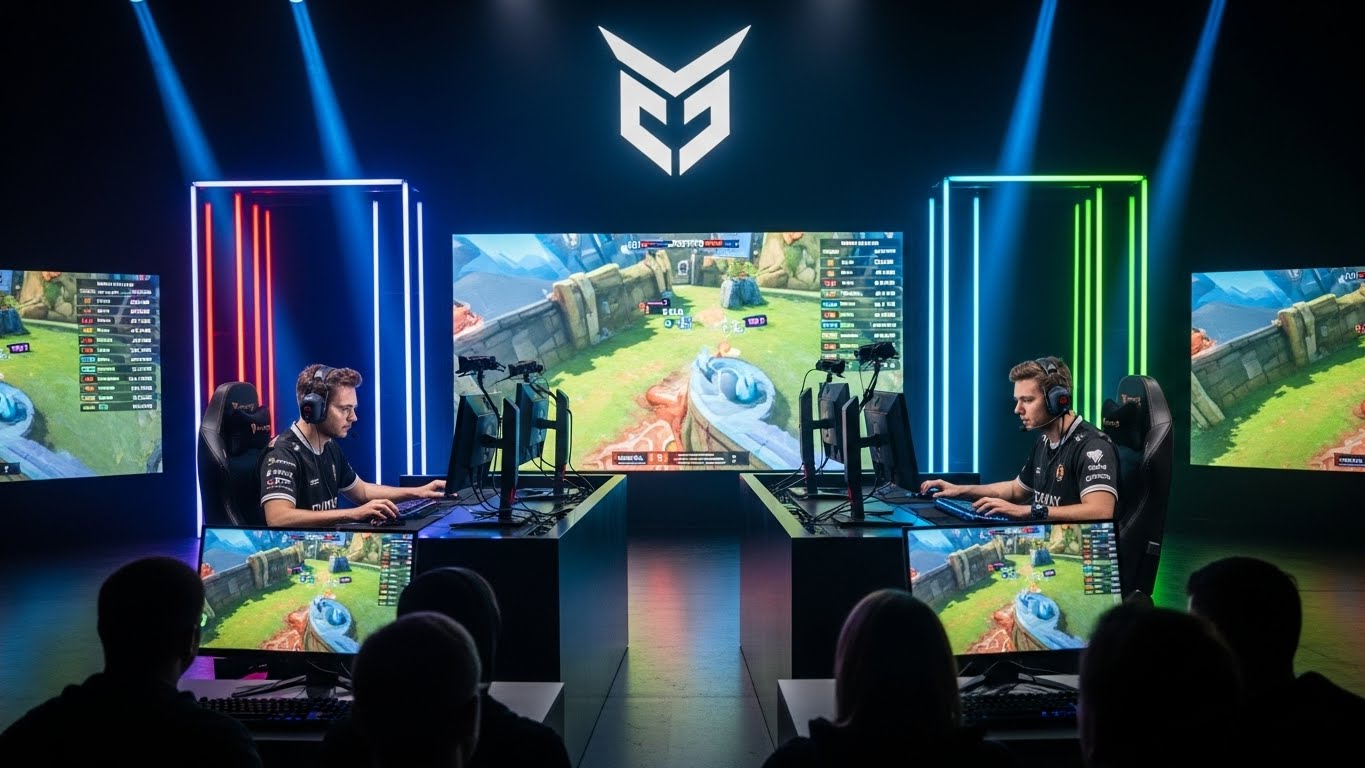
Esports would not exist at its current scale without streaming technology. Live broadcasts allow fans to watch matches from anywhere in the world, creating a shared experience that rivals traditional sports viewing. Commentary, analysis, and storytelling add depth, helping viewers understand complex strategies and emotional moments. Streaming has also empowered individual players and content creators to build personal brands, blurring the line between professional competition and entertainment. This accessibility has been crucial in building loyal and engaged communities.
Economic Impact and Industry Growth
The esports industry has grown into a multi-billion-dollar market driven by sponsorships, advertising, merchandise, and media rights. Major brands invest heavily, recognizing the value of reaching younger, digitally native audiences. Cities and countries compete to host major tournaments, benefiting from tourism and international exposure. Educational institutions offer scholarships and programs focused on esports management and production. This economic ecosystem supports not only players, but also event organizers, broadcasters, designers, and countless other professionals behind the scenes.
Esports and Cultural Legitimacy
Despite its growth, esports has faced ongoing debates about legitimacy. Critics question whether video games can truly be considered sports, often focusing on physicality and tradition. Supporters argue that esports requires discipline, skill, teamwork, and mental endurance, qualities shared with conventional athletics. Over time, public perception has shifted as esports events demonstrate professionalism and competitive integrity. Recognition by mainstream media and inclusion in academic discussions have further solidified esports as a valid cultural and competitive field.
The Mental and Physical Demands on Players
Professional esports is far from easy. High-level competition places intense mental pressure on players, who must perform consistently under scrutiny. Long practice hours can lead to burnout, stress, and physical issues such as eye strain and repetitive injuries. In response, organizations increasingly emphasize player well-being, promoting balanced routines and mental health support. This evolving approach reflects a broader understanding that sustainable success requires caring for players as individuals, not just performers.
Global Diversity and Community Building
Esports is inherently global. Players and fans come from diverse backgrounds, united by shared passion rather than geography. International tournaments showcase cultural exchange, as teams bring unique playstyles shaped by regional influences. Online communities foster friendships and rivalries that transcend borders. This inclusivity has made esports particularly appealing to younger generations who value connection and representation. At its best, esports demonstrates how digital spaces can bring people together in meaningful ways.
Challenges and Controversies
Like any rapidly growing industry, esports faces challenges. Issues such as cheating, match-fixing, and inconsistent regulation threaten competitive integrity. Financial instability can affect smaller teams and leagues, while unequal opportunities raise concerns about accessibility. There are also ongoing discussions about diversity, inclusion, and representation within the scene. Addressing these challenges requires collaboration among developers, organizers, players, and fans to build transparent and fair systems that protect the future of esports.
The Influence of Technology and Innovation
Technological advancement continues to shape esports. Improvements in hardware, software, and network infrastructure enhance performance and viewing quality. Virtual reality and augmented reality hint at new forms of competitive experiences, while data analytics revolutionize training and strategy. Artificial intelligence assists in performance analysis and broadcast production. As technology evolves, esports remains at the forefront of digital innovation, often setting trends that influence other industries.
Education and Youth Engagement
Esports has found a place in education, offering new ways to engage students. Schools and universities establish teams and clubs that teach collaboration, leadership, and strategic thinking. Academic programs explore game design, event management, and digital media through the lens of esports. For many students, competitive gaming becomes a gateway to broader career opportunities in technology and creative industries. This educational integration further legitimizes esports as a meaningful social activity.
The Future of Esports
Looking ahead, esports shows no signs of slowing down. Continued investment, technological innovation, and cultural acceptance will likely drive further growth. Hybrid events that blend physical and digital experiences may redefine how competitions are held. As new generations grow up with gaming as a natural part of life, esports will continue to evolve alongside them. The challenge will be maintaining authenticity and community while scaling to meet global demand.
Conclusion: More Than Just a Game
Esports represents a fundamental shift in how we play, watch, and connect through games. It is a testament to the power of technology to create new forms of competition and community. From humble beginnings to global stages, esports has redefined entertainment and challenged traditional boundaries. As it continues to mature, esports stands not merely as a trend, but as a lasting pillar of modern digital culture.