Introduction
Esports has rapidly evolved from a niche hobby enjoyed by small groups of dedicated gamers into a worldwide entertainment powerhouse. What was once seen as a casual pastime is now a billion-dollar industry with massive tournaments, professional athletes, and millions of fans tuning in from every corner of the globe. In this blog post, we will explore the roots of esports, the factors driving its explosive growth, and the cultural shifts that have transformed competitive gaming into one of the most influential forms of modern entertainment.
The Early Days of Competitive Gaming
Before esports became a household term, competitive gaming existed in much simpler forms. Arcades in the 1980s saw players gathering around classic cabinets to compete for the highest score. Games like Pac-Man, Donkey Kong, and Space Invaders ignited the first sparks of organized competition. By the 1990s, PC gaming brought larger tournaments, such as early first-person shooter competitions and strategy game showdowns.
Although these events were small compared to today’s standards, they planted the seeds for what would eventually become a global competitive industry. They also helped form early gaming communities, creating spaces for players to connect, share strategies, and celebrate their passion for gaming.
The Technological Boom That Changed Everything
The true rise of esports coincided with rapid technological advancements. High-speed internet became widely available, enabling players to compete across long distances with minimal lag. Powerful gaming consoles and PCs allowed developers to create more complex, balanced, and competitive titles. Online multiplayer modes in games became the norm rather than the exception.
In addition, improved streaming technology gave fans an easy way to watch competitions live. Instead of gathering in small local venues, spectators could now tune in from their homes and experience the thrill of esports events just as they would traditional sports. This accessibility opened the door for esports to reach global audiences, creating fan bases that rival those of long-established sports leagues.
Popular Games That Shaped the Esports Landscape
Certain games played a pivotal role in transforming esports into the industry it is today. Titles like League of Legends, Dota 2, Counter-Strike: Global Offensive, and Overwatch revolutionized competitive gaming with their well-designed gameplay mechanics, team-based strategies, and constantly evolving meta.
These games are more than just entertainment. They have become cultural pillars within the gaming community. Their tournaments attract millions of viewers, and their players are treated like celebrities. Each of these titles has contributed something unique to the esports world, whether it be innovative gameplay systems, record-breaking prize pools, or iconic competitions watched by millions.
The Rise of Professional Players and Teams
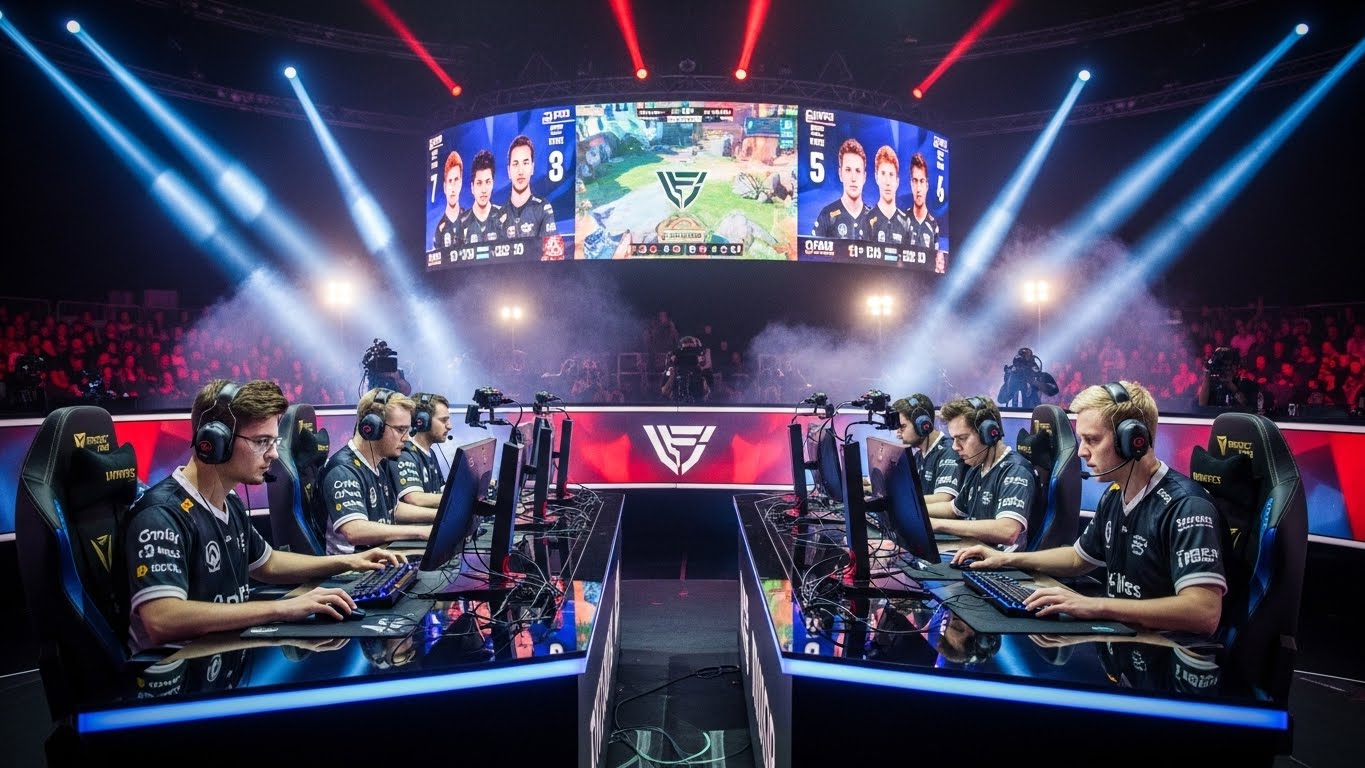
As esports grew, so did the need for professional organization. What began as casual competitions has now become a structured ecosystem of teams, coaches, managers, analysts, and support staff. Professional players train rigorously, often dedicating several hours every day to practice, strategy sessions, and physical fitness.
These athletes compete at the highest level, demonstrating incredible reflexes, decision-making skills, teamwork, and mental resilience. Many esports stars have massive global followings, with fans celebrating their playstyles, achievements, and personalities. Some players have even become brand ambassadors and influencers, expanding their influence far beyond gaming.
Esports Arenas and Spectator Culture
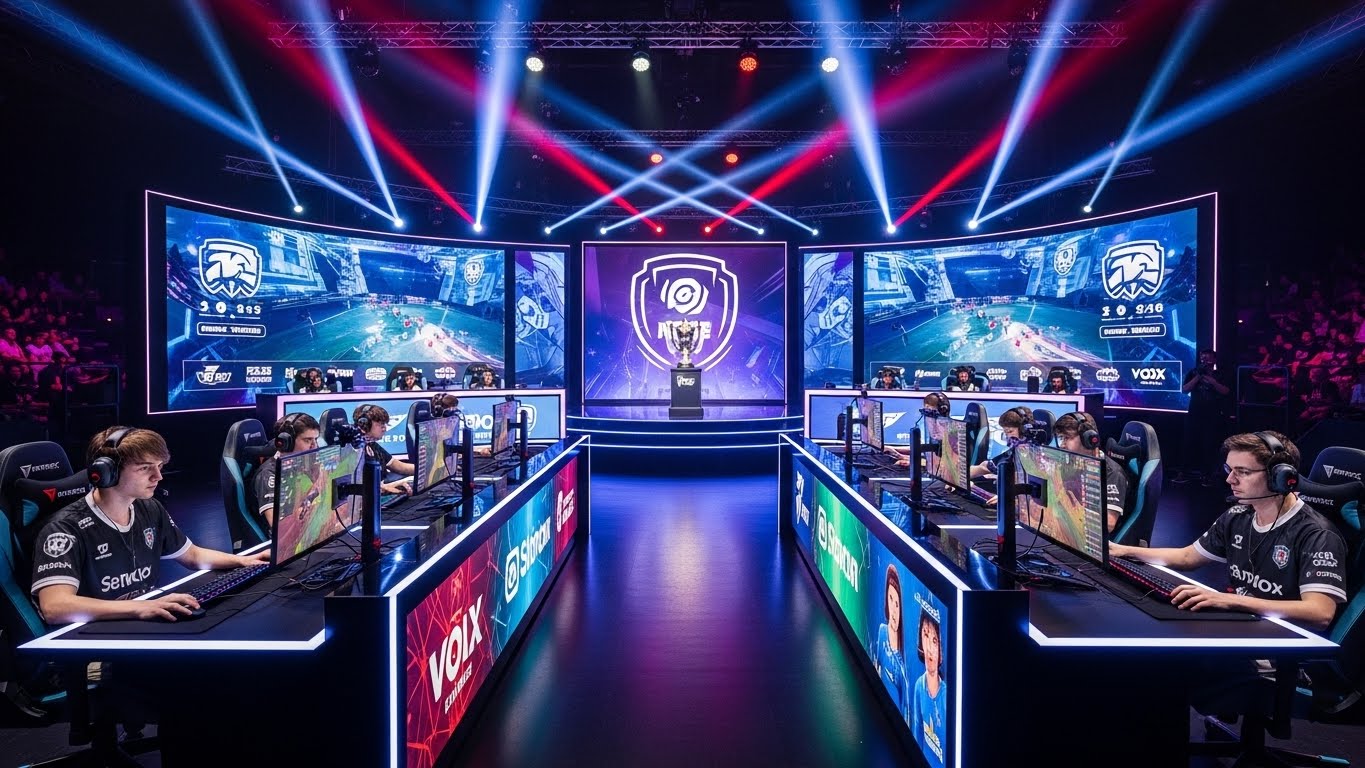
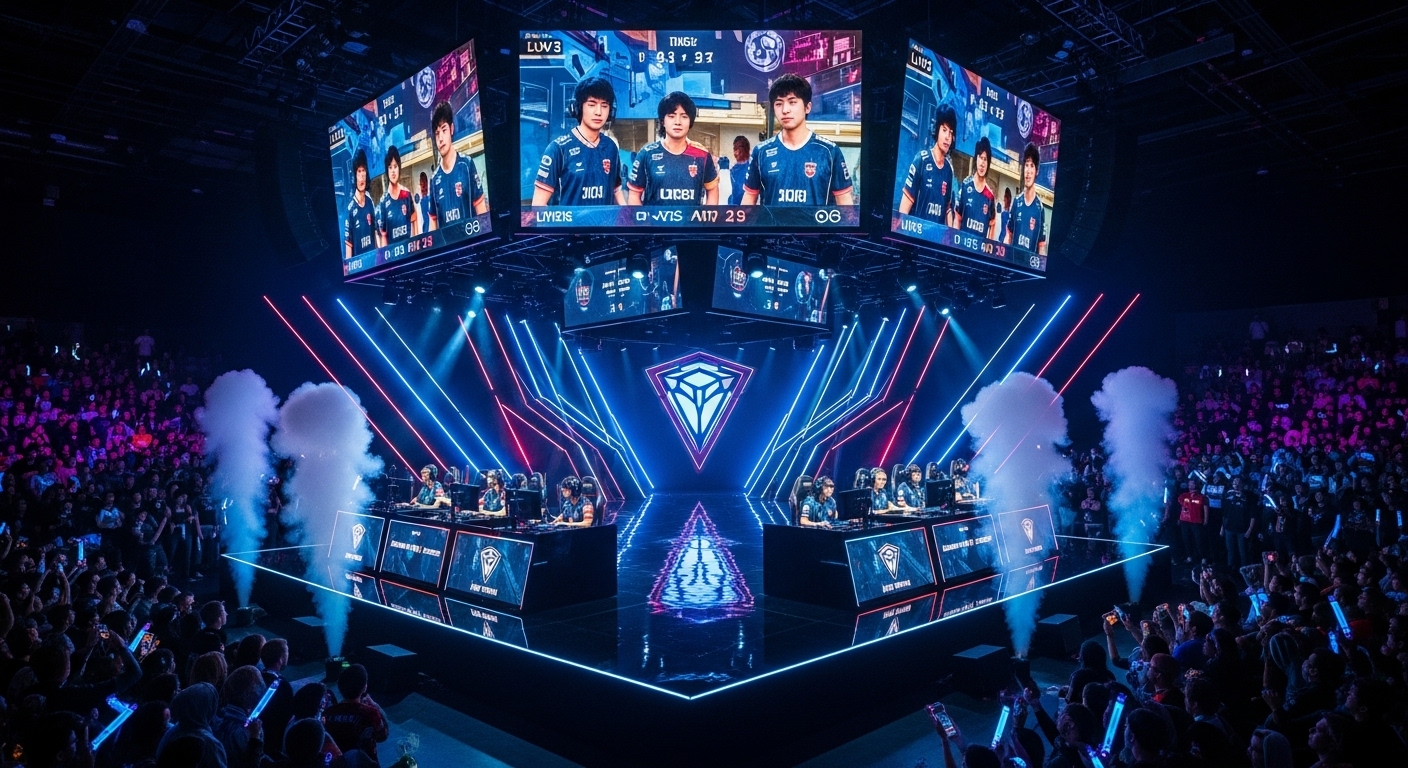
One of the most fascinating elements of esports is its vibrant spectator culture. Modern esports events are hosted in enormous arenas, filled with cheering fans waving signs, wearing team jerseys, and celebrating every victory. The atmosphere inside these venues rivals that of major sporting championships.
Large-scale production teams handle everything from camera angles to match commentary, creating an experience that feels polished and professional. Online viewers can interact through live chats, discussions, and fan communities, which adds an extra layer of excitement to the overall experience.
Esports has become more than just competition. It is entertainment, community, and culture intertwined.
The Role of Streaming in Esports Growth
Streaming platforms played a major role in pushing esports into the mainstream. These platforms allow players, teams, and organizations to directly connect with their audiences. Viewers can watch live matches, follow their favorite gamers, and learn strategies by observing high-level play.
The interactive nature of streaming has also shaped esports culture. Fans can communicate with streamers through chat, participate in community events, and create supportive fandoms. This has built a stronger bond between players and their audience, something traditional sports struggled to achieve before the digital era.
Educational and Career Opportunities in Esports
As esports becomes more widely accepted, educational institutions have recognized its value. Many universities now offer esports scholarships, dedicated gaming arenas, and degree programs related to game design, marketing, and digital media. Students interested in gaming can pursue careers not only as players but also as analysts, event organizers, developers, commentators, and more.
This expansion has opened new doors for young people who want to turn their passion for gaming into a profession. The esports industry continues to diversify, creating new roles and pathways for people with different skills and interests.
Esports’ Impact on Global Culture
The influence of esports extends far beyond gaming itself. It has reshaped entertainment, communication, and even lifestyle trends. Merchandise, fashion, music, and virtual events are all part of the esports ecosystem. More brands than ever are partnering with esports organizations to reach younger and tech-savvy audiences.
Esports has also helped break down cultural barriers. Players from different countries compete together, collaborate, and share their experiences through online communities. This global connectivity fosters understanding and unity through the universal language of gaming.
Challenges Facing the Esports Industry
Despite its growth, esports faces several challenges. Maintaining player health is a major concern, as intense training schedules can take a toll physically and mentally. Teams and organizations are working to promote healthier habits, including exercise, better sleep, and balanced routines.
Another challenge is ensuring fair and ethical competition. Issues like cheating, match-fixing, and toxicity need constant monitoring. Developers and tournament organizers must enforce strict rules and maintain transparency to preserve the integrity of competitive gaming.
Finally, as esports continues to grow, it must balance commercialization with community values. Fans want authenticity and respect for gaming culture, not just profit-driven decisions.
The Future of Esports
The future of esports looks incredibly bright. Innovations in virtual reality, augmented reality, and artificial intelligence could revolutionize how competitive games are played and watched. International tournaments will likely grow even larger, attracting bigger audiences and more investment.
Additionally, traditional sports organizations are increasingly collaborating with esports teams, bridging the gap between digital and physical competition. As technology continues to evolve, esports will remain at the forefront of modern entertainment.
Conclusion
Esports is no longer an underground movement. It is a global force shaping the future of entertainment, technology, and culture. From passionate communities to professional athletes, from strategic gameplay to massive tournaments, esports has truly become a defining phenomenon of our time.
As it continues to evolve, esports will inspire new generations of gamers, creators, and innovators. The journey of competitive gaming is far from over, and the world will be watching as it reaches new heights in the years to come.