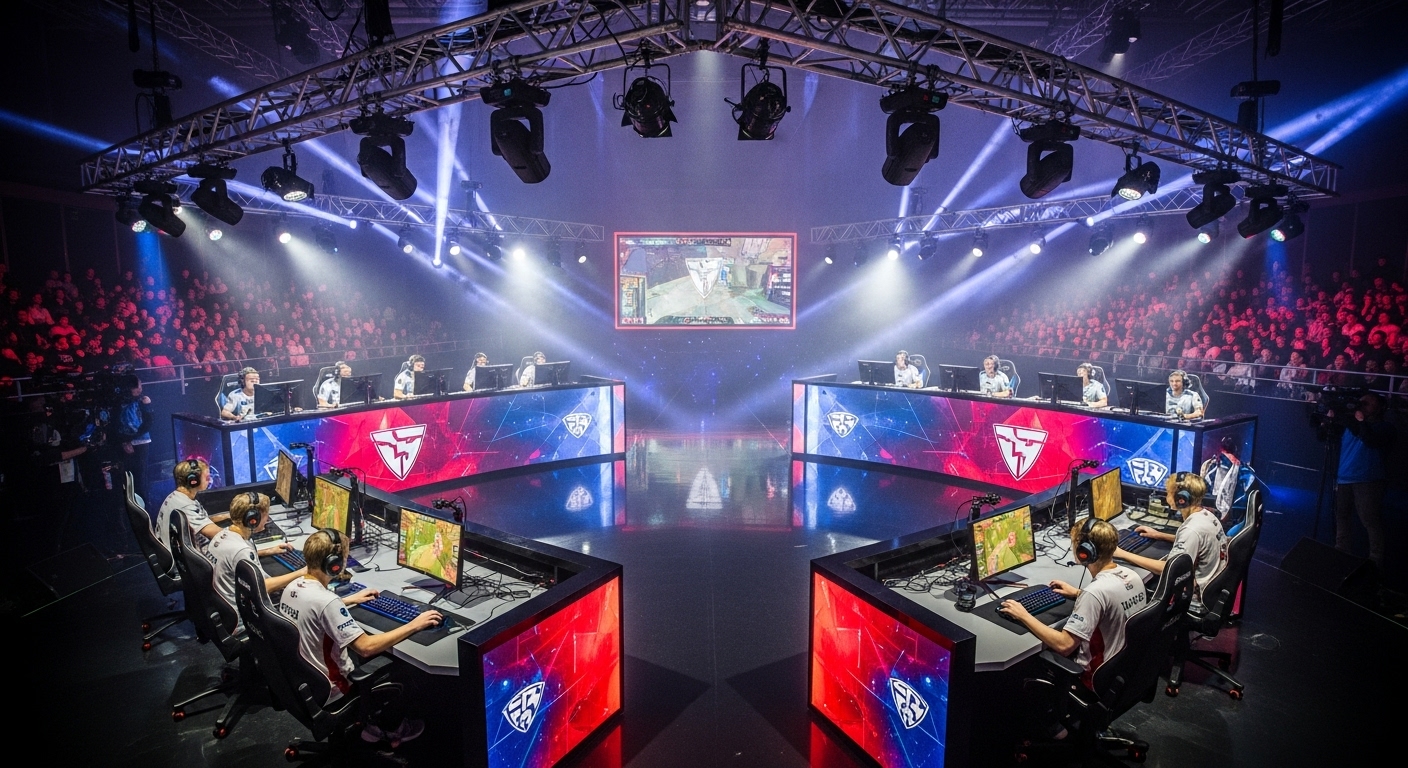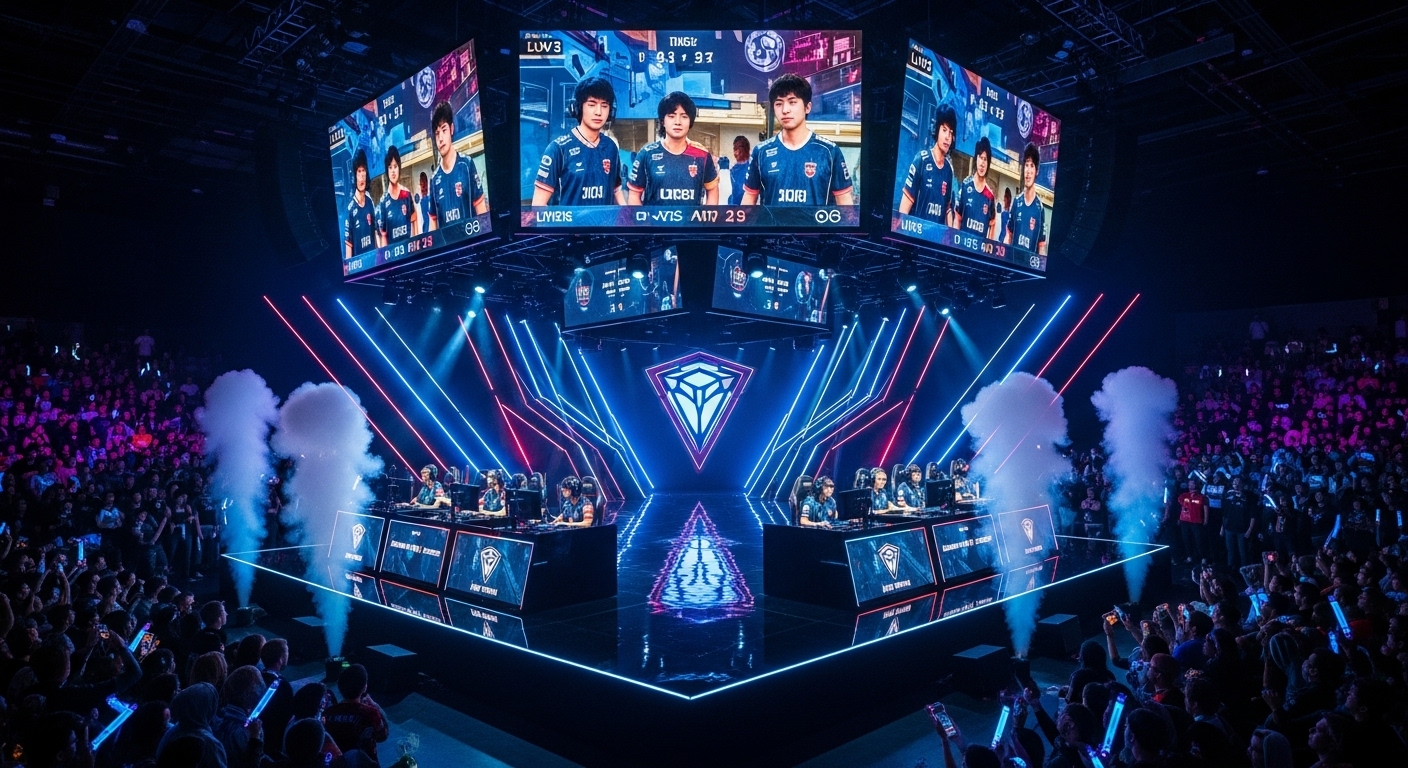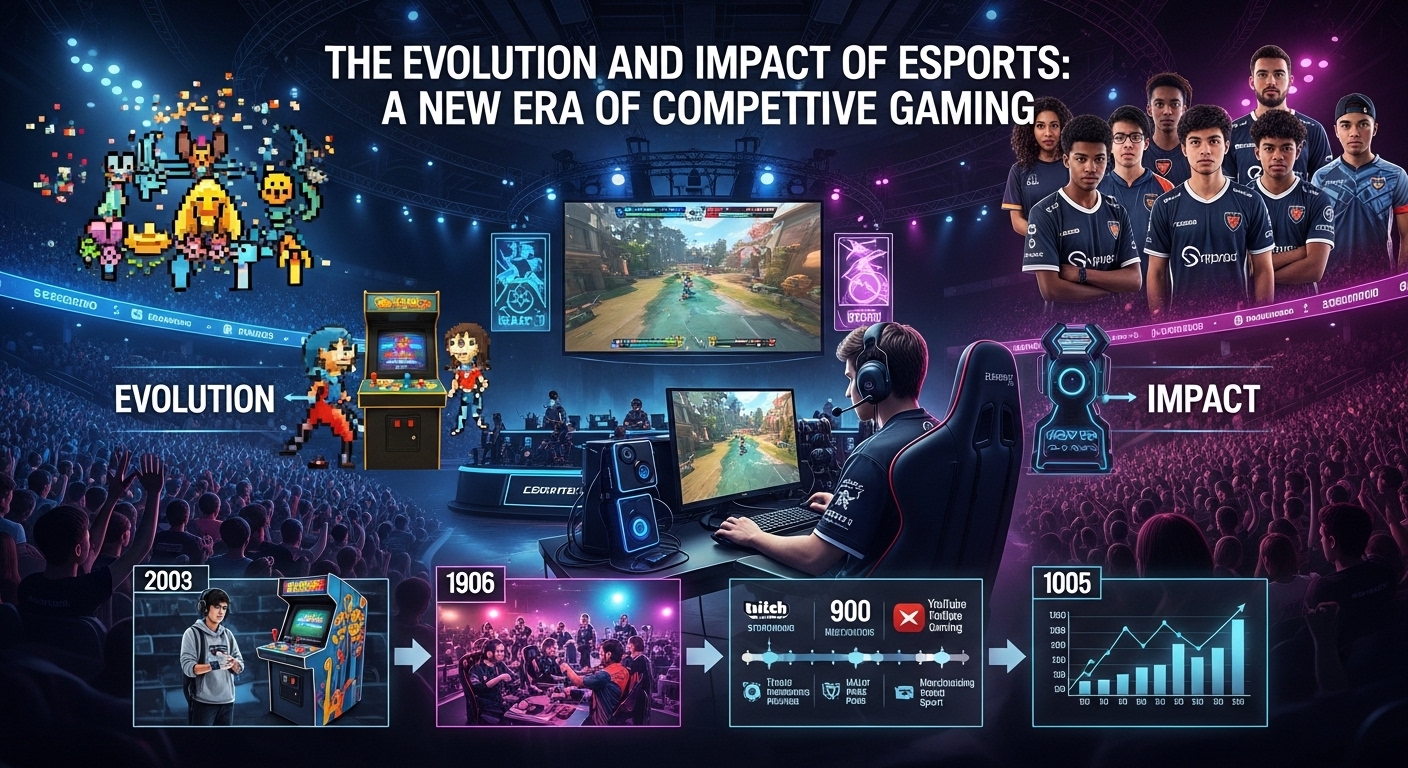
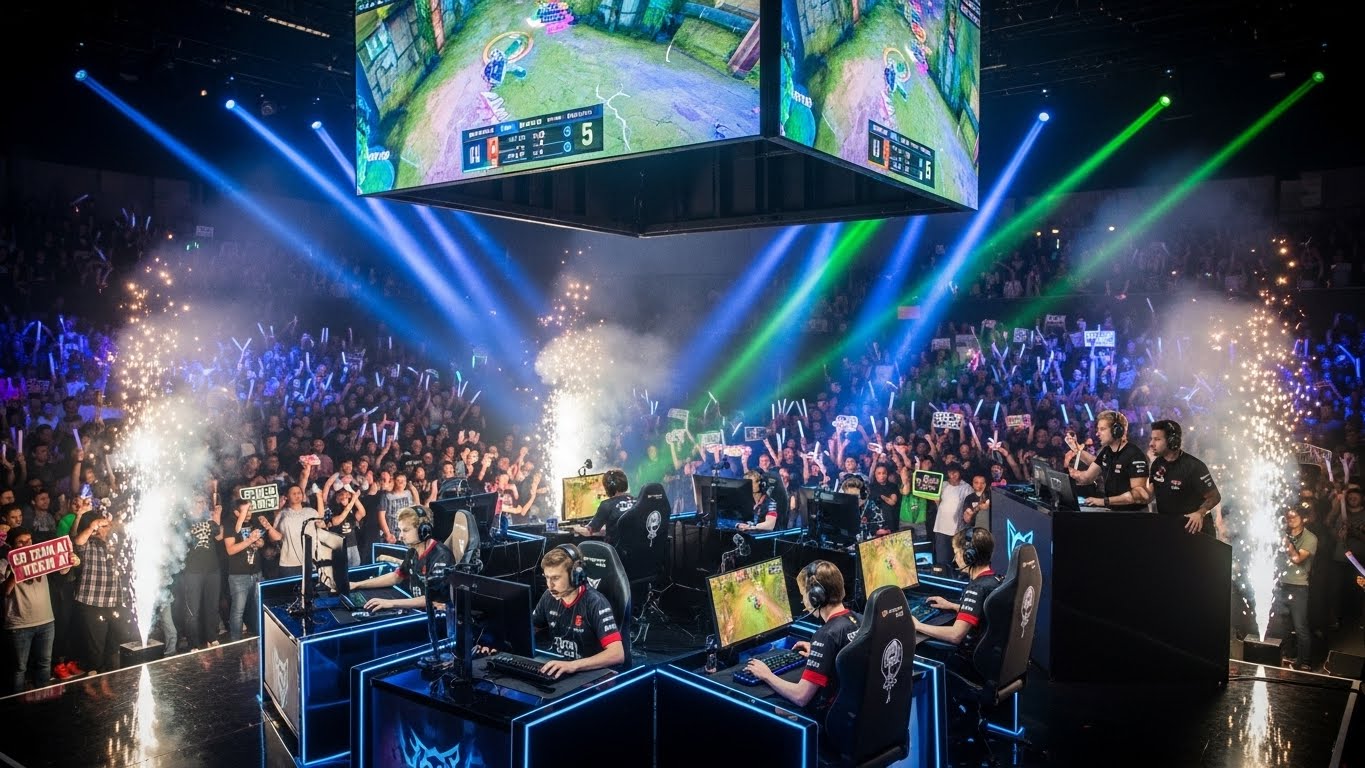
Esports, short for electronic sports, has emerged as a global phenomenon, transforming the landscape of entertainment, competition, and professional gaming. What was once considered a niche hobby for enthusiasts has grown into a multi-billion-dollar industry, captivating millions of viewers worldwide. Esports combines the thrill of traditional sports with the technological advancements of modern gaming, creating a dynamic platform for competition, skill development, and social interaction. Its impact is far-reaching, affecting not only players but also audiences, businesses, and culture at large. This blog explores the evolution of esports, its societal significance, economic impact, and future potential.
The Origins and Evolution of Esports
Esports has a surprisingly long history, dating back to the early days of video gaming. In the 1970s and 1980s, arcade competitions and high-score contests laid the foundation for competitive gaming. Titles such as Space Invaders and Pac-Man were among the first games to inspire organized competition. By the 1990s, multiplayer games like Doom and Quake allowed players to compete against each other more directly, both locally and online. The launch of StarCraft in South Korea in the late 1990s marked a turning point, where esports began to gain widespread recognition, with professional players emerging and televised tournaments becoming common. Over the past two decades, the industry has evolved rapidly with games like League of Legends, Dota 2, Counter-Strike, and Fortnite becoming global sensations, attracting sponsorships, media attention, and massive audiences.
The Competitive Structure of Esports
Esports competitions mirror traditional sports in structure, with organized leagues, teams, tournaments, and championship events. Players are grouped into professional teams, each specializing in specific games or genres. These teams compete in regional and international leagues, culminating in high-stakes tournaments with substantial prize pools. The competitive ecosystem includes a variety of games, from multiplayer online battle arenas to first-person shooters, strategy games, and sports simulations. Each game demands unique skills, including reflexes, strategic thinking, teamwork, and adaptability. Unlike traditional sports, esports also relies heavily on digital platforms, allowing players to compete globally without physical boundaries, expanding the scale and accessibility of competition.
Mental and Cognitive Benefits of Esports
While esports is often criticized for promoting sedentary lifestyles, research shows that professional gaming can develop valuable cognitive skills. Esports players demonstrate enhanced hand-eye coordination, multitasking ability, and problem-solving skills. Strategic games require analytical thinking, rapid decision-making, and adaptability to changing scenarios. Mental resilience is cultivated through practice, competition, and the ability to handle pressure, setbacks, and high-stakes situations. Communication and teamwork are essential in team-based games, fostering collaboration, leadership, and interpersonal skills. Additionally, players often develop strong focus and concentration, skills that can translate to academic, professional, and personal endeavors outside gaming.
Esports and Social Connection
Esports is a social phenomenon that brings people together across borders. Online platforms allow players to interact, collaborate, and compete with individuals from different countries and cultures. Communities form around games, creating a sense of belonging and shared passion. Streaming platforms have further enhanced social engagement, enabling fans to watch professional players, learn strategies, and interact in real time. Esports also empowers inclusivity, allowing individuals with physical disabilities to participate on an equal playing field. By offering virtual spaces for competition and socialization, esports has redefined how people connect, creating opportunities for friendships, mentorships, and professional networks.
Economic Impact of Esports
The economic potential of esports is staggering, with revenues surpassing several billion dollars annually. Sponsorships, advertising, merchandise, broadcasting rights, and ticket sales contribute to a thriving ecosystem. Professional teams and players often secure lucrative contracts, while tournaments offer multi-million-dollar prize pools. Game developers invest heavily in esports infrastructure to promote engagement and long-term growth. Moreover, esports stimulates related industries, including streaming platforms, hardware production, coaching services, and event management. The growth of esports has also attracted mainstream investors, signaling recognition of its long-term profitability and influence. In many countries, esports is considered a viable career path, encouraging talent development and entrepreneurship within the digital entertainment sector.
Esports in Education and Youth Development
Esports has gained recognition in educational settings, with schools and universities establishing programs and scholarships for competitive gaming. These programs provide students with structured training, mentorship, and opportunities to compete at high levels. Participation in esports cultivates discipline, time management, strategic thinking, and teamwork. Some institutions integrate esports with technology and computer science curricula, offering pathways to careers in game design, programming, and digital media. For youth, esports offers an alternative avenue for skill development, personal growth, and social engagement, highlighting that competitive gaming can be both productive and empowering when approached responsibly.
Cultural Significance of Esports
Esports is shaping modern culture, influencing entertainment, fashion, and media consumption. Professional players have become cultural icons, admired for their skill, personality, and dedication. Gaming events are celebrated as cultural gatherings, drawing massive live and online audiences. Cosplay, merchandise, and fan communities further enrich the cultural ecosystem, blending gaming with artistic expression and social identity. Moreover, esports promotes a global gaming culture, breaking down geographical barriers and encouraging collaboration and competition among diverse communities. It is not only a form of entertainment but also a platform for storytelling, creativity, and cultural exchange.
Technological Innovations Driving Esports
The growth of esports is closely linked to technological advancements. High-speed internet, advanced graphics, virtual reality, and streaming platforms have transformed gaming into a spectator sport. Live streaming allows fans to engage with events in real time, while social media amplifies exposure and fan interaction. Emerging technologies such as artificial intelligence, virtual reality, and augmented reality are expected to redefine gameplay and training methods, providing immersive experiences for players and spectators alike. Analytics tools help teams track performance, optimize strategies, and reduce errors, making esports a highly data-driven and technologically sophisticated industry.
Challenges Facing the Esports Industry
Despite its rapid growth, esports faces challenges that need careful consideration. Concerns about mental health, burnout, and the sedentary nature of gaming are significant issues for professional players. The industry also struggles with regulation, fairness, and standardization, including controversies over cheating, sponsorship ethics, and player exploitation. Gender inequality remains a challenge, as women are underrepresented in professional gaming despite rising interest and participation. Additionally, balancing commercialization with the integrity and spirit of competition is an ongoing concern. Addressing these challenges is essential to ensure sustainable growth and maintain the credibility of esports as a legitimate competitive and cultural phenomenon.
The Global Reach of Esports
Esports has transcended regional boundaries, achieving global recognition. Countries such as South Korea, China, the United States, and several European nations have become esports hubs, with professional leagues, infrastructure, and government support. International tournaments attract millions of viewers, rivaling traditional sports in popularity. The rise of mobile gaming has further expanded the audience, particularly in regions where PC or console access is limited. Esports has also gained recognition from major sports organizations, with some countries including esports in national sports programs and even considering its inclusion in multi-sport events. The global nature of esports underscores its potential to unite diverse populations through a shared passion for gaming.
The Future of Esports
The future of esports is bright, driven by innovation, inclusivity, and expanding opportunities. As technology advances, virtual and augmented reality are likely to create new dimensions of immersive gameplay. Esports education programs and professional leagues will continue to grow, providing structured pathways for aspiring players. The industry is expected to attract further investment, mainstream media attention, and integration into popular culture. Moreover, efforts to improve diversity, mental health support, and ethical practices will contribute to a more sustainable and responsible ecosystem. Esports is poised to redefine competition, entertainment, and professional gaming for decades to come, creating a digital arena where talent, strategy, and innovation converge.
Conclusion: Esports as a Cultural and Competitive Revolution
Esports represents a revolutionary shift in how society perceives competition, entertainment, and digital interaction. It combines the excitement of traditional sports with the opportunities of modern technology, offering cognitive, social, and economic benefits. From professional leagues and tournaments to educational programs and global communities, esports has transformed gaming into a legitimate career path, cultural phenomenon, and worldwide spectacle. While challenges exist, including mental health, fairness, and inclusion, the industry’s potential for growth, innovation, and social impact is undeniable. As esports continues to evolve, it is not merely a pastime or hobby but a transformative force shaping the future of competition, culture, and connectivity in the digital era.