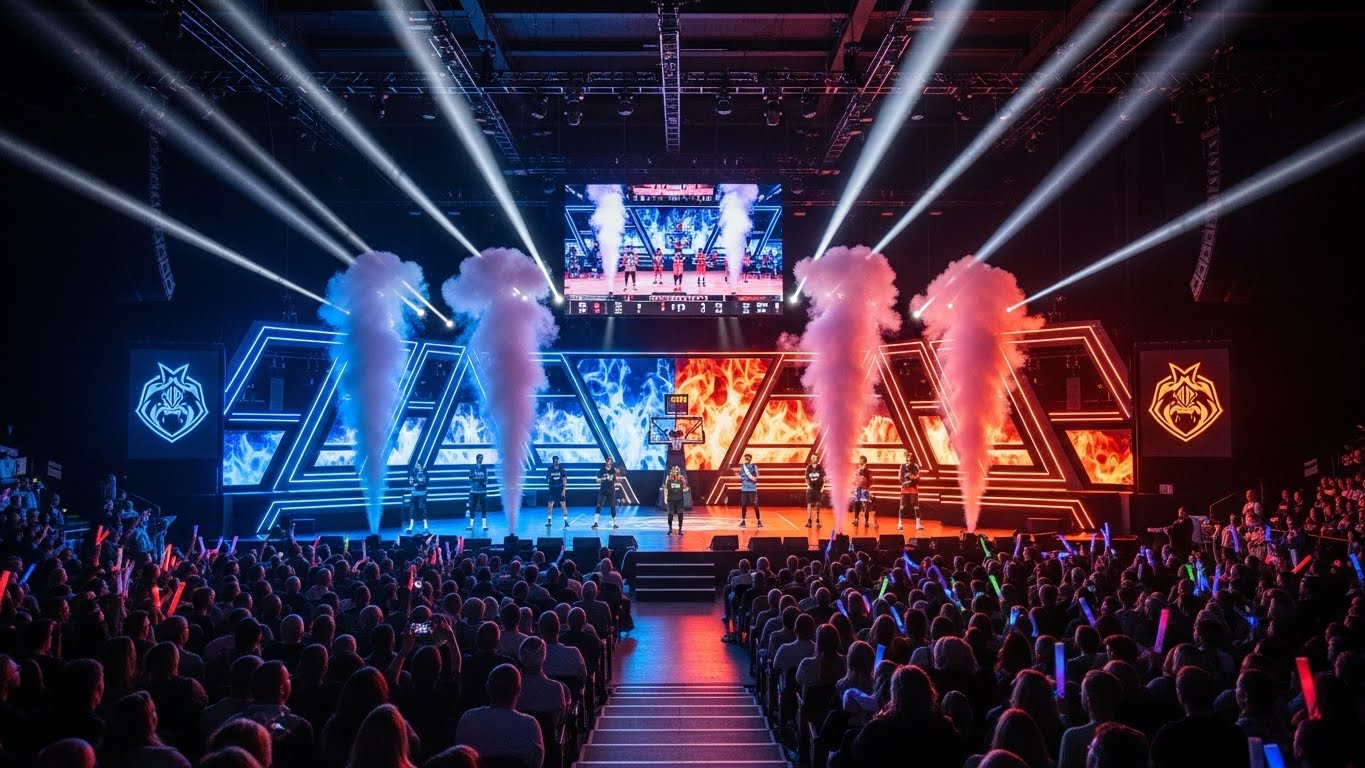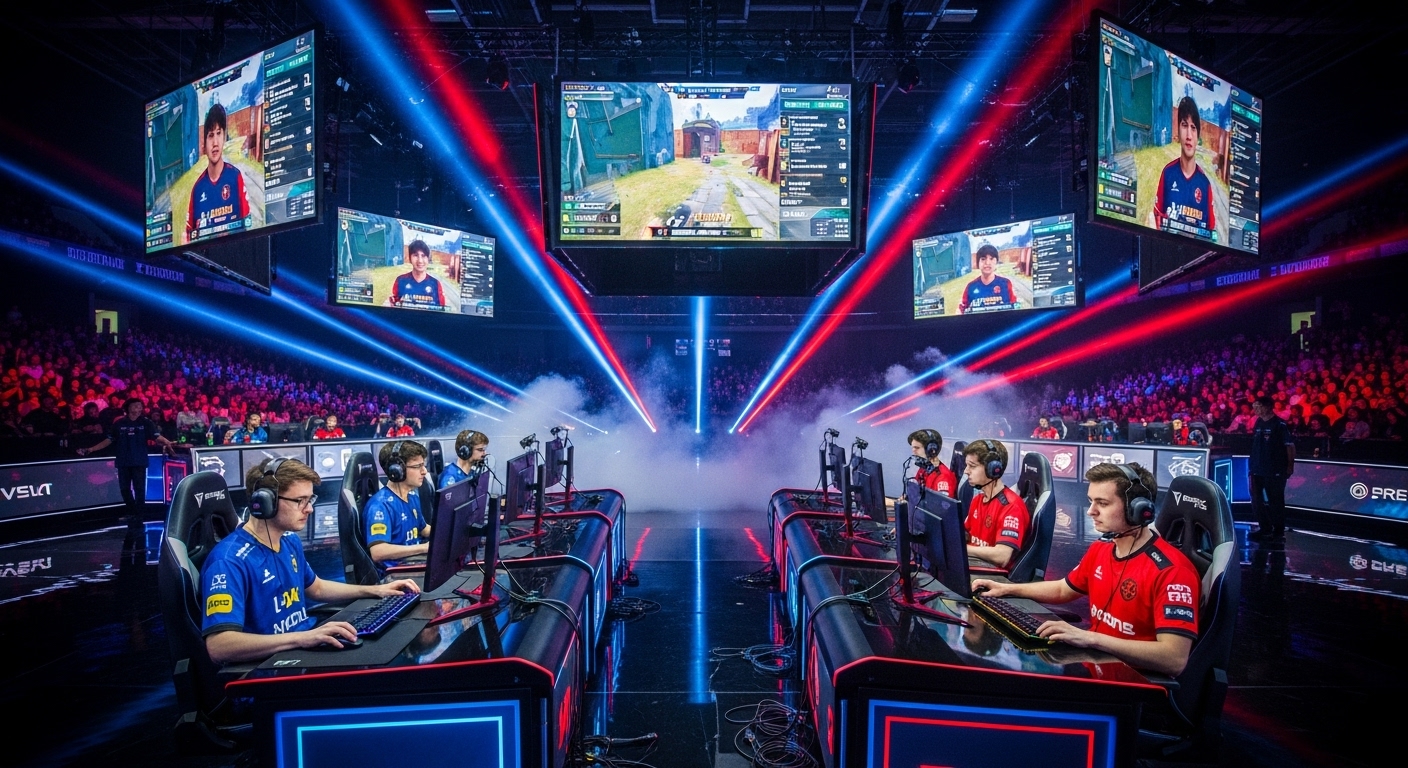
Esports, or competitive gaming, has evolved from a niche hobby into a global phenomenon in just a few decades. What once started as casual video game competitions in living rooms and arcades has transformed into a professional industry attracting millions of viewers, substantial investment, and world-class athletes. The rise of esports is more than a technological trend—it represents a cultural shift, reshaping how we define competition, teamwork, and entertainment. This blog explores the evolution of esports, its impact on society, the benefits it offers players, and its promising future.
The Evolution of Esports
The origins of esports trace back to the late 20th century when arcade tournaments and early computer games sparked the first competitive communities. Games like Space Invaders, Pac-Man, and later Street Fighter laid the groundwork for organized competitions, while local gaming tournaments introduced players to a world of rivalry and recognition. By the 1990s, games such as StarCraft, Quake, and Counter-Strike began to formalize esports with structured leagues and international competitions. The emergence of the internet accelerated this growth, allowing players to compete online and form global communities.
The 21st century saw the explosion of esports into mainstream awareness. Multiplayer online battle arena (MOBA) games like League of Legends and Dota 2, as well as first-person shooters like Call of Duty and Overwatch, attracted massive audiences. Major tournaments now offer multi-million-dollar prize pools, corporate sponsorships, and live broadcasts on television and streaming platforms. What distinguishes esports from traditional sports is its digital nature, allowing spectators to watch matches from anywhere while providing players with a platform to showcase skill, strategy, and creativity on a global stage.
The Structure of Competitive Esports
Competitive esports is highly organized, with professional leagues, tournaments, and player rankings. Teams often have rigorous training schedules similar to traditional athletes, emphasizing skill improvement, strategy development, and teamwork. Coaches and analysts are employed to optimize performance, using data-driven techniques to study opponents and refine game strategies.
Professional esports leagues operate much like conventional sports leagues. Teams compete in regional tournaments to qualify for global championships, creating a dynamic and competitive ecosystem. Unlike traditional sports, esports allows for rapid innovation; game updates and new titles frequently change the landscape, challenging players to adapt continuously. This unique aspect ensures that success in esports requires both mastery of mechanics and an understanding of evolving strategies.
Physical and Mental Skills in Esports
While esports is often associated with sitting in front of a screen, it demands considerable physical and mental skill. Quick reflexes, precise hand-eye coordination, and fine motor control are essential for high-level play. Professional players train extensively to maintain optimal reaction times, often practicing for several hours a day while incorporating physical exercises to prevent repetitive strain injuries.
Mental acuity is equally important. Strategic thinking, problem-solving, and decision-making under pressure define success in competitive gaming. Players must analyze constantly changing game scenarios, anticipate opponents’ moves, and communicate effectively with teammates. The combination of mental and physical discipline mirrors that of traditional sports, reinforcing the idea that esports requires skill, dedication, and resilience.
The Social and Cultural Impact of Esports
Esports has profoundly influenced global culture, particularly among younger generations. It has created communities where players connect, collaborate, and compete regardless of geographic boundaries. Online forums, streaming platforms, and social media allow fans and players to interact, share experiences, and celebrate achievements. For many, esports is not merely entertainment—it is a way of life, fostering identity, belonging, and purpose.
The popularity of esports has also challenged traditional notions of sports and competition. It highlights the value of intellectual and strategic skills alongside physical athleticism. Additionally, esports has opened doors for inclusion and diversity. Unlike some conventional sports, esports often minimizes physical limitations, allowing players of varying body types, genders, and abilities to compete on equal footing. This inclusivity has broadened the appeal of competitive gaming, making it accessible to a wider audience.
Career Opportunities in Esports
Esports is not only a pastime but also a legitimate career path. Professional players can earn substantial incomes through salaries, sponsorships, and tournament winnings. Teams invest heavily in talent, offering structured training programs, health support, and performance coaching. Beyond players, the esports industry offers diverse opportunities including coaching, game analysis, content creation, event management, broadcasting, and marketing.
Streaming platforms have also created a new breed of esports personalities. Content creators can build fan bases, monetize gameplay, and influence the industry’s trends. This convergence of entertainment and professional competition demonstrates that esports is a multifaceted industry, blending gaming, media, and business in innovative ways.
The Role of Technology in Esports
Technology underpins the entire esports ecosystem. High-performance gaming hardware, fast internet connections, and advanced software ensure competitive integrity and immersive experiences for both players and viewers. Data analytics and performance tracking are integral to professional play, allowing teams to refine strategies and optimize player performance.
Streaming technology has revolutionized spectator experiences. Fans can watch live matches, interact with players, and engage with communities in real-time. Virtual reality and augmented reality are beginning to influence esports as well, creating new dimensions of gameplay and audience engagement. The digital nature of esports ensures it remains at the forefront of technological innovation, shaping the future of competitive entertainment.
Health Considerations in Esports
Despite its benefits, esports presents unique health challenges. Extended screen time, repetitive movements, and high-stress competition can lead to physical and mental strain. Eye strain, back and wrist injuries, and sleep disturbances are common among professional players. Mental health challenges such as anxiety, burnout, and pressure-induced stress require careful management.
To address these issues, many teams incorporate fitness routines, mental health support, and ergonomic workstations. Professional organizations increasingly recognize the importance of balancing intensive training with physical activity and rest. These measures not only preserve players’ health but also enhance performance, ensuring sustainability in esports careers.
Esports and Education
Esports is also making inroads into education, with schools and universities offering programs and scholarships. Collegiate esports leagues provide students with opportunities to compete while pursuing academic degrees. Participation in esports teaches valuable life skills, including teamwork, time management, problem-solving, and leadership.
Educational initiatives in esports also include coding, game design, and media production programs. By integrating esports into curricula, institutions prepare students for careers in a rapidly growing industry while fostering digital literacy and strategic thinking. This integration reflects the evolving role of gaming as both an educational tool and a professional avenue.
Esports as a Global Phenomenon
Esports has achieved unparalleled global reach. Countries in North America, Europe, and Asia dominate competitive scenes, yet emerging markets in South America, Africa, and the Middle East are rapidly expanding. International tournaments draw millions of viewers, rivaling traditional sports events in scale and engagement.
Cultural exchange is a significant aspect of global esports. Players from diverse backgrounds interact, compete, and learn from one another, fostering cross-cultural understanding. Esports also encourages collaboration across nations, languages, and communities, promoting a sense of unity and shared purpose in the digital age.
Challenges Facing Esports
Despite its rapid growth, esports faces several challenges. Regulatory issues, standardization of rules, and concerns about cheating or unfair practices remain significant obstacles. Over-commercialization and pressure to perform can negatively impact players’ mental and physical well-being. Furthermore, societal perceptions still sometimes dismiss esports as “real” competition, undermining its legitimacy.
Addressing these challenges requires structured governance, ethical practices, and awareness campaigns. By promoting sportsmanship, transparency, and sustainability, the esports industry can continue to grow while preserving its integrity and long-term appeal.
The Future of Esports
The future of esports looks promising and innovative. Emerging technologies such as artificial intelligence, virtual reality, and cloud gaming will redefine gameplay, training, and viewing experiences. Adaptive and inclusive esports competitions are likely to expand, allowing more participants to engage at various skill levels and abilities.
Esports will also continue to intersect with traditional sports, media, and entertainment industries, creating hybrid experiences that attract diverse audiences. As digital literacy and gaming culture become increasingly mainstream, esports is poised to become a central pillar of global entertainment, education, and community engagement.
Conclusion
Esports is no longer just a pastime; it is a legitimate, evolving ecosystem that blends competition, technology, culture, and business. It offers players physical and mental challenges, career opportunities, and social connections while engaging millions of fans worldwide. Esports embodies the future of competition, demonstrating that skill, strategy, and dedication are as valuable in digital arenas as they are in traditional sports.
The rise of esports highlights a fundamental truth: human ambition and creativity can flourish in any medium. Whether competing professionally, streaming for a community, or simply playing for fun, esports represents a transformative force that continues to redefine entertainment, culture, and global connection. Digital champions of today are setting the stage for generations of players and fans, proving that competition, passion, and teamwork know no boundaries—virtual or real.