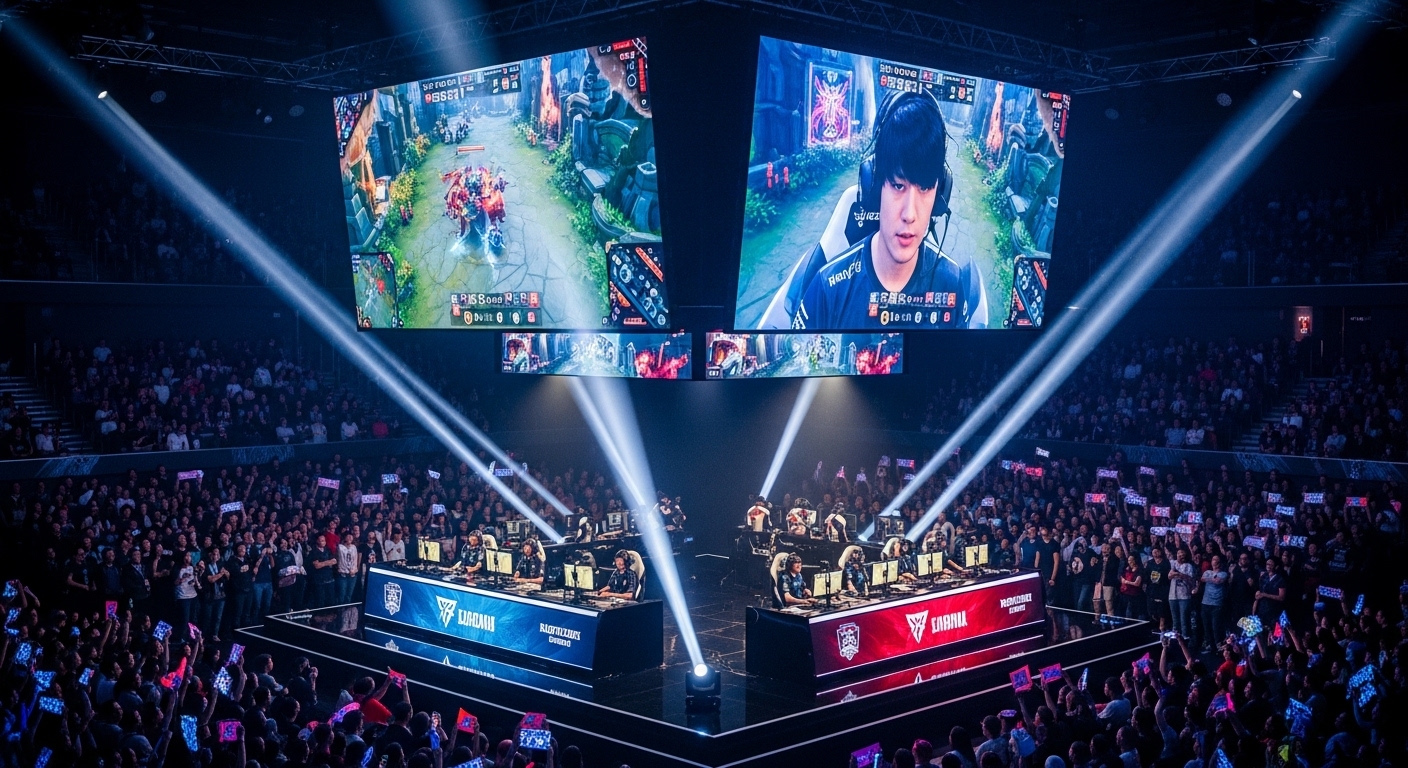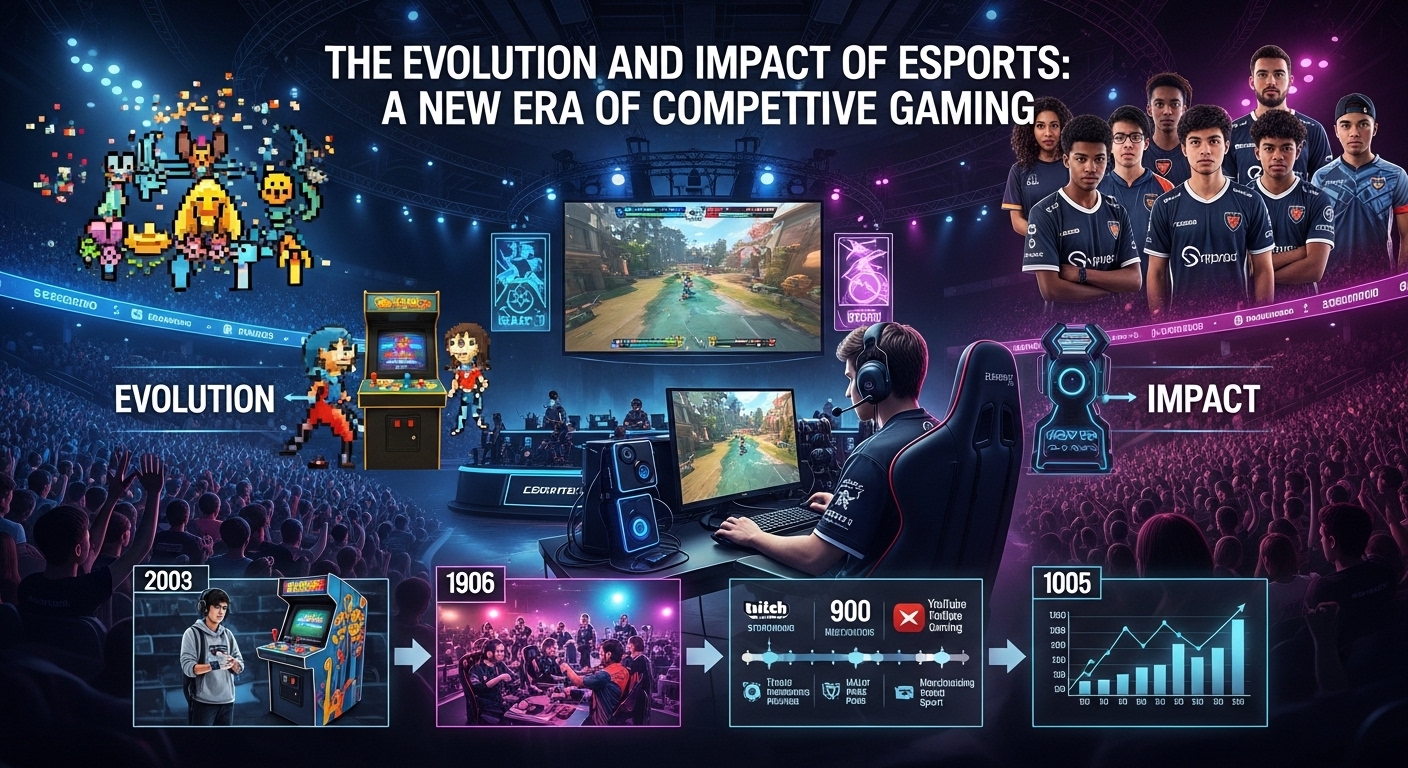
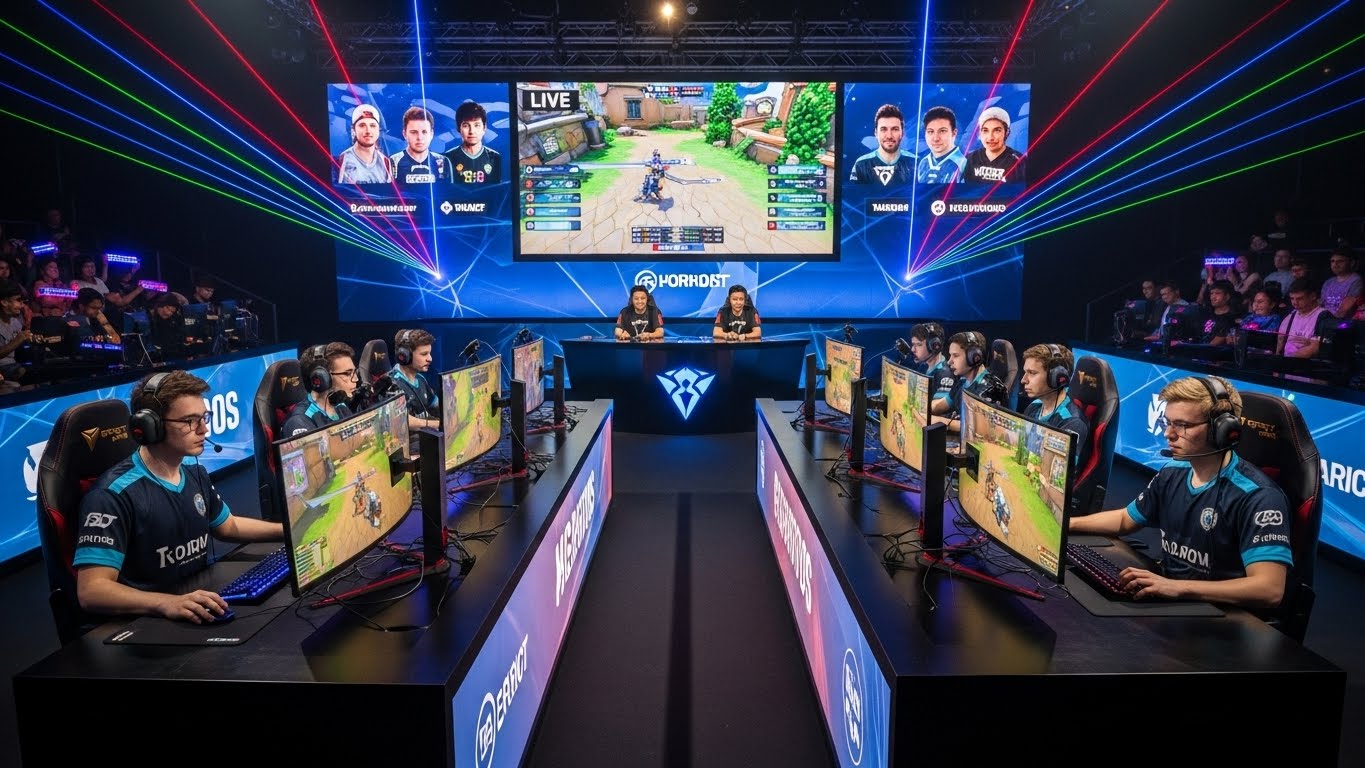
Esports, short for electronic sports, has transformed the way we perceive competitive gaming. What was once considered a niche hobby is now a global phenomenon, attracting millions of fans, professional players, and investors. The rapid growth of esports has blurred the lines between traditional sports and digital competition, creating a new entertainment ecosystem that thrives online and offline.
The Rise of Esports: From Hobby to Global Phenomenon
Esports began as small-scale competitions among friends or local gaming communities. In the late 1990s and early 2000s, tournaments for games like StarCraft, Counter-Strike, and Warcraft gained traction, primarily in Asia and parts of Europe. The advent of high-speed internet, streaming platforms, and social media amplified the reach of these competitions, allowing fans from around the world to watch live matches in real-time.
Today, esports is a billion-dollar industry. Professional leagues, such as the League of Legends Championship Series and the Overwatch League, feature structured seasons, franchised teams, and significant prize pools. The industry has evolved into a global spectacle, comparable to traditional sports in terms of viewership and commercial influence.
Understanding the Esports Ecosystem
The esports ecosystem is complex, involving players, teams, tournament organizers, sponsors, and streaming platforms. Professional players dedicate thousands of hours to mastering their skills, often starting their journey at a very young age. Teams provide training facilities, coaching staff, and strategic guidance, similar to traditional sports organizations.
Tournament organizers host competitions ranging from small regional events to massive international championships. Sponsorships from brands spanning energy drinks, tech companies, and even fashion industries provide financial support, marketing opportunities, and legitimacy to the scene. Streaming platforms like Twitch and YouTube Gaming have become essential, allowing fans to follow their favorite players and engage with live content interactively.
Popular Esports Titles and Their Impact
Several games dominate the esports landscape, each contributing uniquely to the culture and growth of competitive gaming. Multiplayer online battle arenas, or MOBAs, such as League of Legends and Dota 2, are among the most popular due to their strategic depth and team-oriented gameplay. First-person shooters like Counter-Strike: Global Offensive, Valorant, and Call of Duty attract fans who enjoy fast-paced action and precise skill execution.
Battle royale games, including Fortnite and PUBG, have brought a new wave of casual and competitive players, combining survival mechanics with large-scale tournaments. Fighting games, sports simulations, and card-based strategy games also hold significant niches within the esports ecosystem. Each title has its dedicated fan base, creating subcultures that enrich the overall community.
The Role of Streaming in Esports Growth
Streaming has been pivotal in esports’ rapid expansion. Platforms like Twitch and YouTube Gaming allow players to broadcast matches, interact with viewers, and build personal brands. Unlike traditional sports, where fans often watch from stadiums or television, esports fans enjoy direct interaction with players, live commentary, and community discussions in real-time.
Streaming has also lowered entry barriers for aspiring players and content creators. Anyone with a computer, a game, and an internet connection can reach a global audience. This democratization of exposure has encouraged creativity, innovation, and grassroots development within the esports ecosystem.
Esports as a Career Path
The notion of esports as a viable career has gained acceptance over the past decade. Professional players earn salaries, sponsorship deals, and prize money, while others find opportunities as coaches, analysts, broadcasters, or content creators. Gaming organizations often provide structured career paths, ensuring players receive training, physical conditioning, and mental health support.
Despite its appeal, a career in esports comes with challenges. High competition, burnout, and short career spans make it a demanding path. Many players retire in their mid-20s and transition into coaching, streaming, or entrepreneurial roles within the industry. However, with proper guidance and planning, esports can provide a sustainable and rewarding career.
Esports and Education: The New Frontier
Educational institutions worldwide have started recognizing esports as a legitimate avenue for student engagement and skill development. Universities now offer esports scholarships, competitive teams, and courses in game design, management, and marketing. These programs not only nurture talent but also equip students with transferable skills such as teamwork, strategic thinking, and digital literacy.
Incorporating esports into education also fosters community and inclusivity. Students who may not participate in traditional sports can engage in competitive gaming, building confidence, social connections, and leadership skills.
The Economic Impact of Esports
The financial impact of esports extends beyond prize pools. The industry generates revenue through sponsorships, advertising, merchandise sales, ticketed events, and streaming subscriptions. Major tournaments attract thousands of attendees, boosting local economies through tourism, hospitality, and event management.
Esports has also spurred growth in technology sectors, including gaming hardware, software development, and digital marketing. Companies invest heavily in creating high-performance gaming PCs, peripherals, and network infrastructure to support the competitive scene. The economic ripple effect demonstrates that esports is more than entertainment—it is a robust industry with global implications.
The Cultural Influence of Esports
Esports has profoundly influenced modern culture. It has reshaped entertainment, popularized gaming beyond traditional communities, and inspired new forms of storytelling and media. Esports celebrities, often with massive social media followings, have become cultural icons, influencing fashion, music, and lifestyle trends.
The community aspect of esports is equally significant. Online forums, fan groups, and live-stream chats foster a sense of belonging and shared passion. Fans celebrate victories, analyze strategies, and support players in ways that mirror traditional sports fandom but with a uniquely digital flavor.
Challenges Facing the Esports Industry
Despite its impressive growth, esports faces several challenges. Regulatory inconsistencies, lack of standardized rules across regions, and issues related to player welfare pose significant hurdles. Burnout, online harassment, and mental health concerns are prevalent among players and content creators.
Moreover, the industry must address gender disparities and promote inclusivity. While esports has made strides in diversifying its audience, female players and marginalized communities remain underrepresented in professional circuits. Developing a safer, more inclusive environment is crucial for sustainable growth.
The Future of Esports
The future of esports looks promising, driven by technological innovations and increasing mainstream recognition. Virtual reality and augmented reality gaming could introduce immersive competitive experiences, while artificial intelligence may enhance training, coaching, and audience engagement.
Esports is also likely to see deeper integration with traditional sports. Collaborative events, sponsorship crossovers, and hybrid entertainment experiences could redefine how fans engage with competition. As more educational institutions, brands, and governments acknowledge esports, it will continue to evolve from a digital pastime into a structured, globally recognized industry.
Conclusion: Esports as a Cultural Revolution
Esports has transcended its humble beginnings to become a cultural and economic powerhouse. It represents a shift in how society perceives competition, entertainment, and digital interaction. The industry continues to grow, attracting new talent, fostering communities, and inspiring innovation in technology and media.
For players, fans, and investors, esports offers opportunities for engagement, learning, and professional success. More than just a game, esports is a digital revolution that celebrates skill, strategy, and creativity on a global stage. Its impact on culture, economy, and entertainment ensures that competitive gaming will remain a central part of modern life for years to come.