In the last two decades, competitive gaming has transformed from a niche hobby into a global phenomenon. Esports, or electronic sports, represents the pinnacle of this transformation, bringing together professional gamers, passionate fans, and enormous commercial opportunities. Unlike traditional sports, esports thrives entirely in the digital space, allowing players and audiences from all over the world to participate without geographical constraints. This blog explores the rise of esports, its cultural impact, business potential, and future trajectory.
What is Esports?
Esports refers to organized competitive gaming where players or teams compete in popular video games at amateur, semi-professional, or professional levels. Games featured in esports tournaments vary widely, ranging from real-time strategy and first-person shooters to multiplayer online battle arenas and sports simulations. The primary focus is on skill, strategy, teamwork, and performance, making esports a legitimate form of competition.
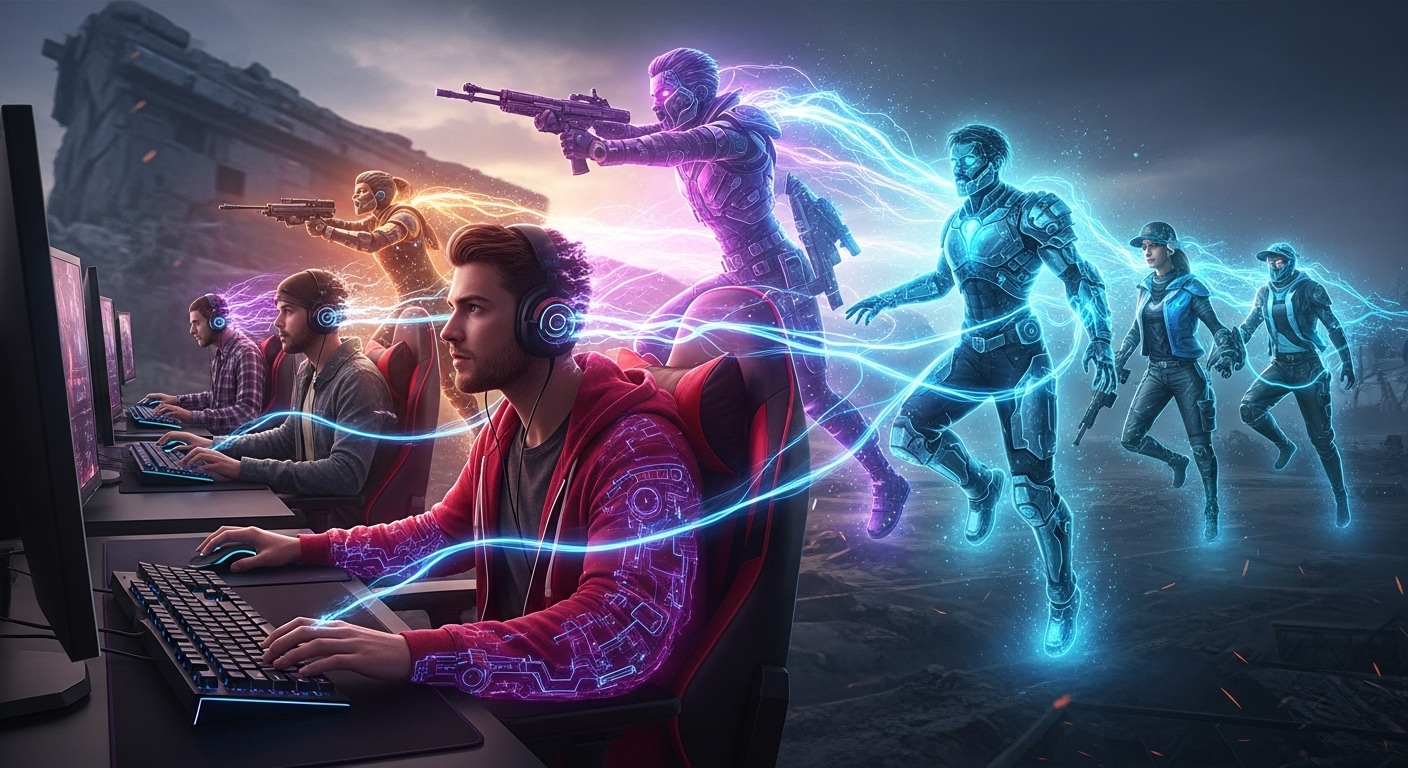
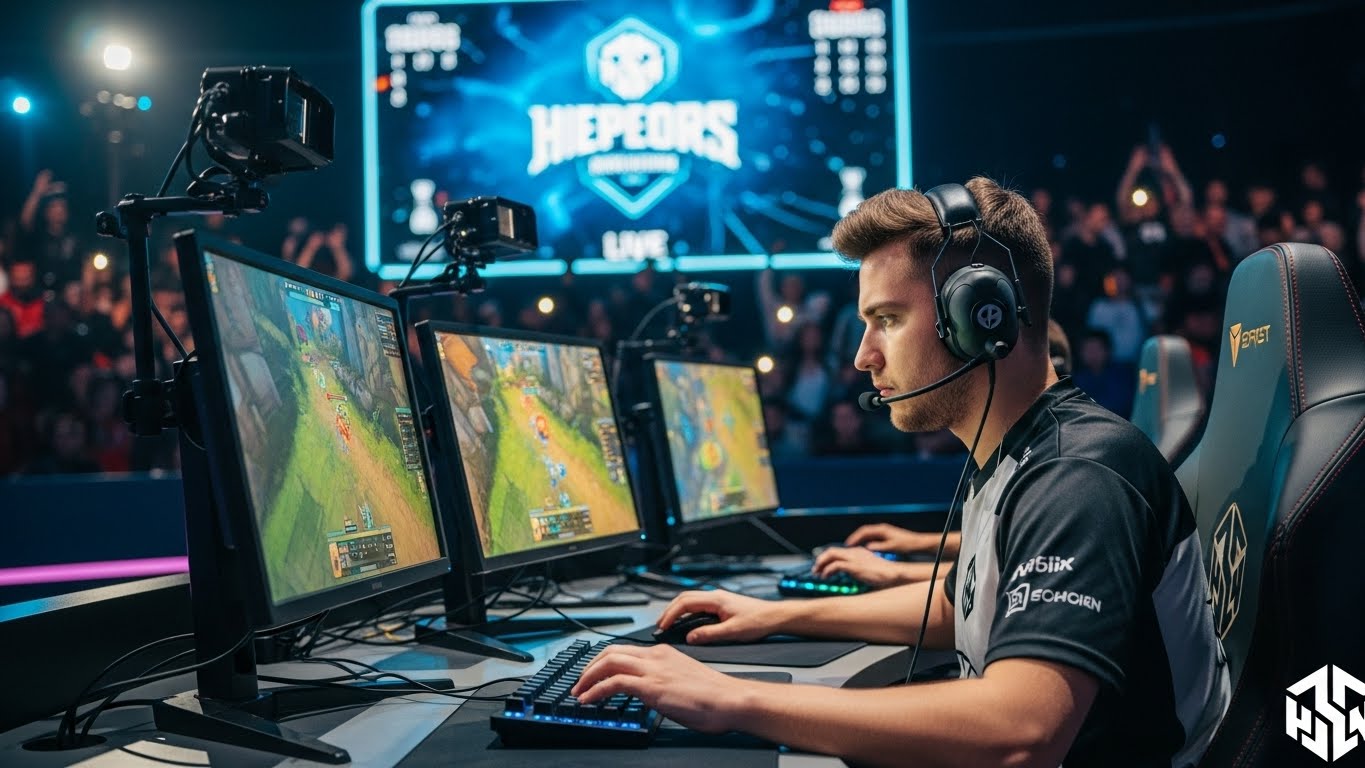
Unlike casual gaming, esports demands rigorous training, tactical analysis, and mental endurance. Professional esports athletes dedicate several hours daily to practice, studying game mechanics, analyzing opponents, and refining strategies. This level of commitment has led to esports being recognized in a similar vein as traditional sports, with coaches, analysts, and even sports psychologists now part of esports teams.
The Evolution of Esports
Esports began in the late 1970s with arcade competitions, but it wasn’t until the rise of the internet in the 1990s that it started gaining traction. Early competitions focused on games like “Quake,” “StarCraft,” and “Counter-Strike,” primarily within small gaming communities. The real turning point came in the early 2000s with the emergence of streaming platforms, which allowed players to broadcast matches to wider audiences.
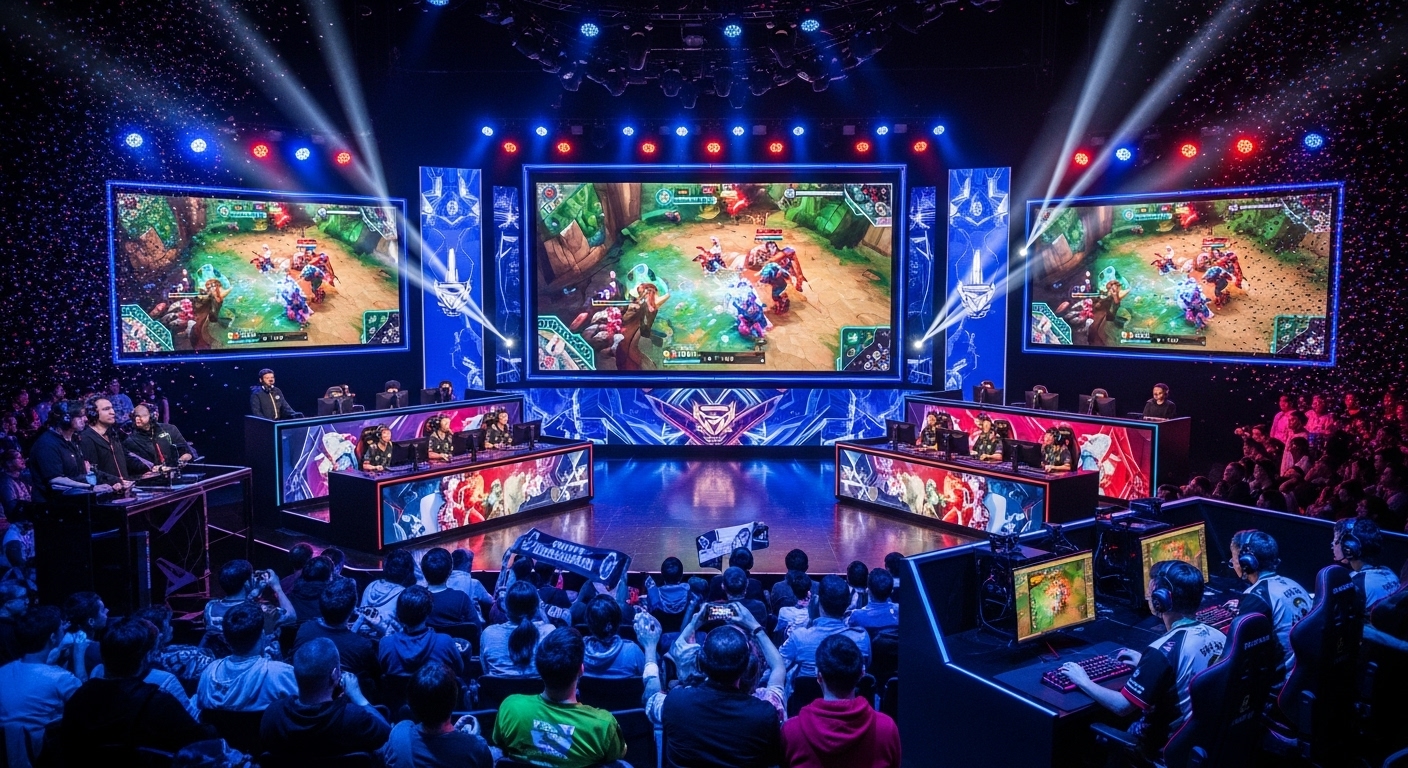
Over time, esports grew in scope and professionalism. Major tournaments now feature live broadcasts in arenas filled with fans, complete with commentary, pre-match analyses, and post-match interviews. These events rival traditional sports competitions in both excitement and viewership. Today, esports leagues operate globally, with teams representing countries, cities, or corporate organizations, creating a structured competitive environment akin to conventional sports leagues.
Popular Esports Genres
Esports encompasses a variety of game genres, each with its own competitive scene. Understanding these genres helps explain the diversity of esports audiences and player skillsets.
Multiplayer Online Battle Arenas (MOBA): Games like “League of Legends” and “Dota 2” dominate the MOBA scene. These games involve two teams of players competing to destroy the opponent’s base while defending their own. Strategic teamwork and quick decision-making are critical.
First-Person Shooters (FPS): Titles like “Counter-Strike: Global Offensive” and “Call of Duty” belong to this category. FPS esports emphasize accuracy, reflexes, map control, and tactical planning. Players must make split-second decisions to outmaneuver opponents.
Battle Royale: Popularized by games like “Fortnite” and “PUBG,” battle royale competitions focus on survival. Hundreds of players enter an arena, and only one emerges victorious. The unpredictability of these matches creates intense, high-stakes gameplay.
Sports Simulations: Video game adaptations of real-world sports, such as “FIFA” and “NBA 2K,” allow players to compete virtually in sports tournaments. These games appeal to fans who enjoy the strategic elements of sports alongside the thrill of digital competition.
Fighting Games: Games like “Street Fighter” and “Tekken” highlight individual skill, reflexes, and precision. Esports tournaments for fighting games often feature intense one-on-one matchups, drawing passionate audiences.
Esports and Streaming Culture
The rise of esports is closely tied to the growth of live streaming platforms. Platforms allow gamers to broadcast matches, share strategies, and interact with fans in real time. This has not only increased the visibility of esports but also created a vibrant community around it. Fans now feel more connected to players, cheering for their favorite teams and participating in discussions on game tactics.
Streaming has also opened up new avenues for revenue. Popular streamers can earn money through subscriptions, donations, sponsorships, and advertising. Professional esports organizations benefit from similar streams of income, making esports a viable career path for players and content creators alike. The integration of streaming culture into esports has revolutionized how audiences consume digital content and has blurred the lines between competition and entertainment.
The Business of Esports
Esports is now a multi-billion-dollar industry, attracting investors, sponsors, and advertisers. Brands see esports as an opportunity to reach a young, tech-savvy audience that traditional media may not capture effectively. Sponsorship deals, merchandising, and media rights deals have created new revenue streams for both teams and tournament organizers.
Professional esports teams operate similarly to traditional sports clubs. They recruit talented players, hire coaches and analysts, and compete in various tournaments to gain prestige and financial rewards. In addition, esports betting and fantasy leagues have emerged, adding another dimension to the business side of competitive gaming.
Corporate involvement in esports is also increasing. Tech companies, gaming hardware brands, and even mainstream consumer brands sponsor tournaments and leagues. This growing investment has legitimized esports as a serious industry, paving the way for more structured career opportunities and professional growth within the field.
The Cultural Impact of Esports
Esports has influenced global culture in profound ways. It has created a new type of celebrity—professional gamers—who are admired for their skill and dedication rather than physical prowess. Gaming tournaments are celebrated as cultural events, attracting diverse audiences who share a passion for interactive entertainment.
Additionally, esports has challenged traditional notions of sports and competition. It has demonstrated that mental agility, reflexes, and strategic thinking are as valuable as physical athleticism. Esports also encourages diversity and inclusivity, with players from various backgrounds and countries competing on equal footing. The community aspect of esports fosters friendships, teamwork, and a sense of belonging, often transcending geographical and social boundaries.
Esports has also impacted education, with some institutions offering scholarships and courses related to gaming and esports management. This integration into mainstream culture highlights the growing recognition of esports as more than just entertainment—it is a legitimate career path and cultural force.
Challenges Facing Esports
Despite its growth, esports faces several challenges. Mental health is a significant concern, as players often deal with stress, burnout, and pressure to perform at high levels consistently. Unlike traditional sports, esports can involve long hours of screen time, which may lead to physical health issues such as eye strain and repetitive strain injuries.
Another challenge is ensuring fair competition. Cheating, hacking, and performance-enhancing software can undermine the integrity of esports. Tournament organizers must implement strict anti-cheating measures and maintain transparency to preserve credibility.
The lack of regulation in certain regions also poses obstacles for esports growth. Unlike traditional sports, esports does not yet have universal governing bodies, leading to inconsistencies in rules, player rights, and contract standards. Addressing these issues will be crucial for sustaining long-term growth and maintaining the trust of players and fans.
The Future of Esports
The future of esports looks promising, with continued growth in viewership, investment, and global participation. Advances in technology, such as virtual reality and augmented reality, may further revolutionize esports by providing more immersive experiences for players and audiences.
Esports may also become more integrated into mainstream entertainment and traditional sports. Collaborations between esports and conventional sports leagues are already occurring, creating hybrid events that appeal to broader audiences. As the industry matures, educational programs, professional training academies, and improved player welfare initiatives are likely to become standard.
Moreover, the potential for esports to reach new markets is immense. Countries that previously had limited exposure to gaming are beginning to develop competitive scenes, expanding the global footprint of esports. With increasing recognition from governments, educational institutions, and corporations, esports is positioned to redefine how society perceives competition and digital entertainment.
Conclusion
Esports has come a long way from its humble beginnings as a niche hobby. Today, it stands as a thriving, multifaceted industry that combines competition, entertainment, technology, and culture. Its growth has not only created professional opportunities for gamers but also transformed the way audiences engage with sports and media.
As technology advances and the global community continues to embrace digital experiences, esports will likely become even more mainstream, offering new possibilities for players, fans, and businesses alike. The rise of esports is not just a story about video games—it is a testament to human creativity, adaptability, and the endless potential of digital competition.