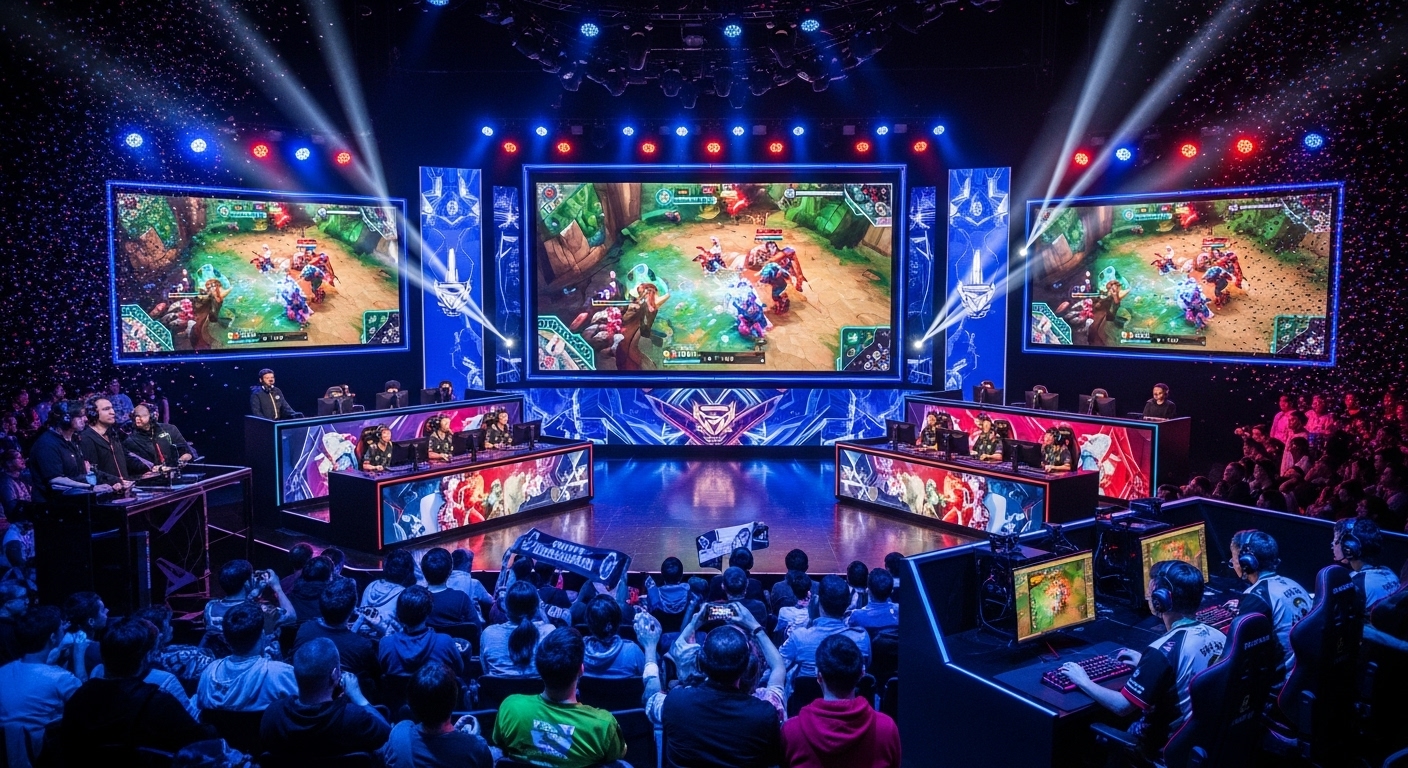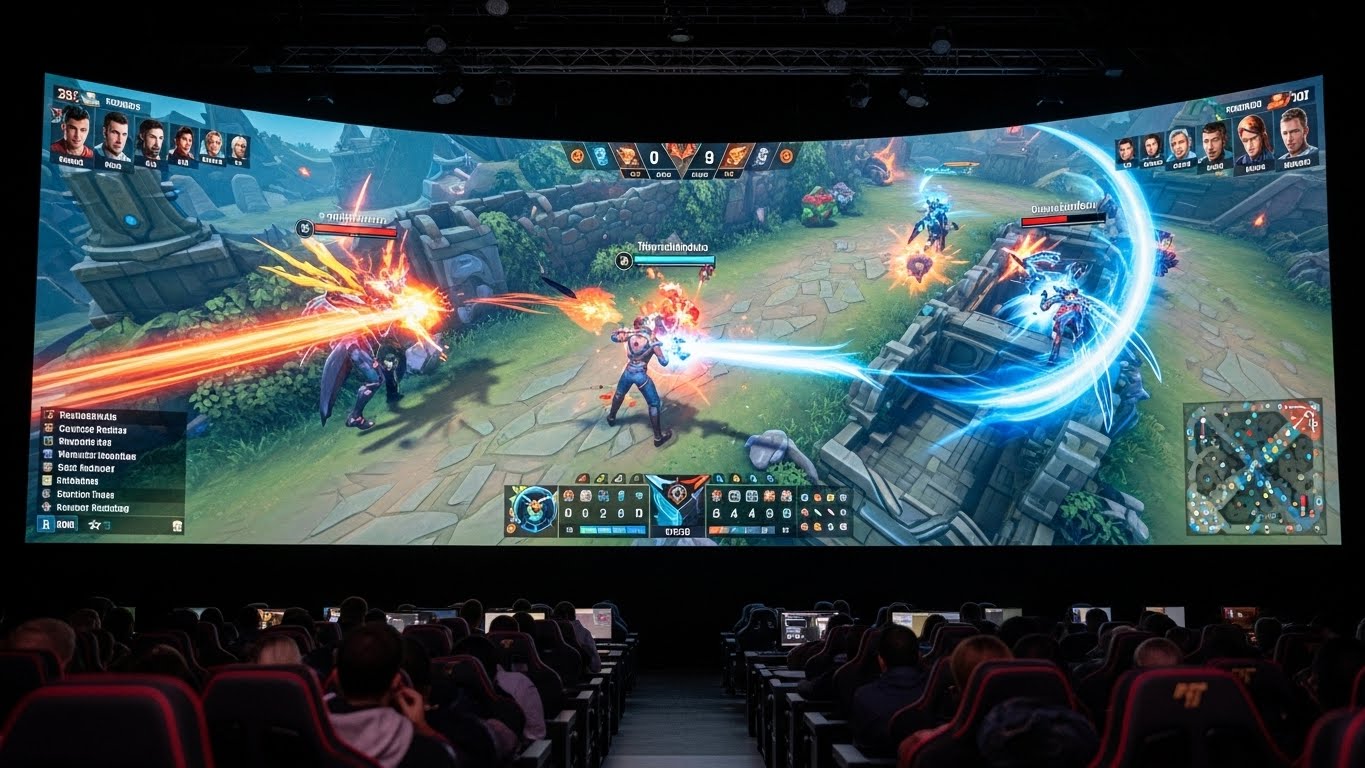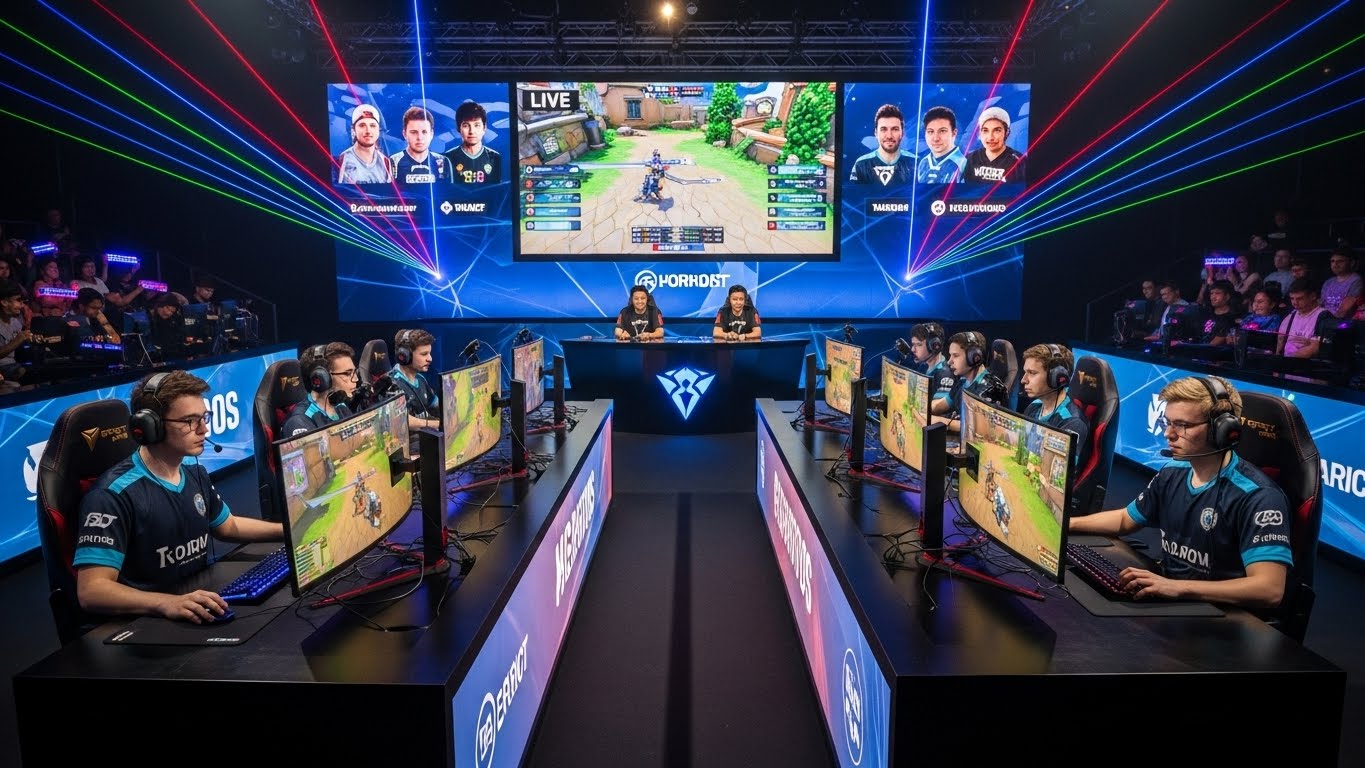
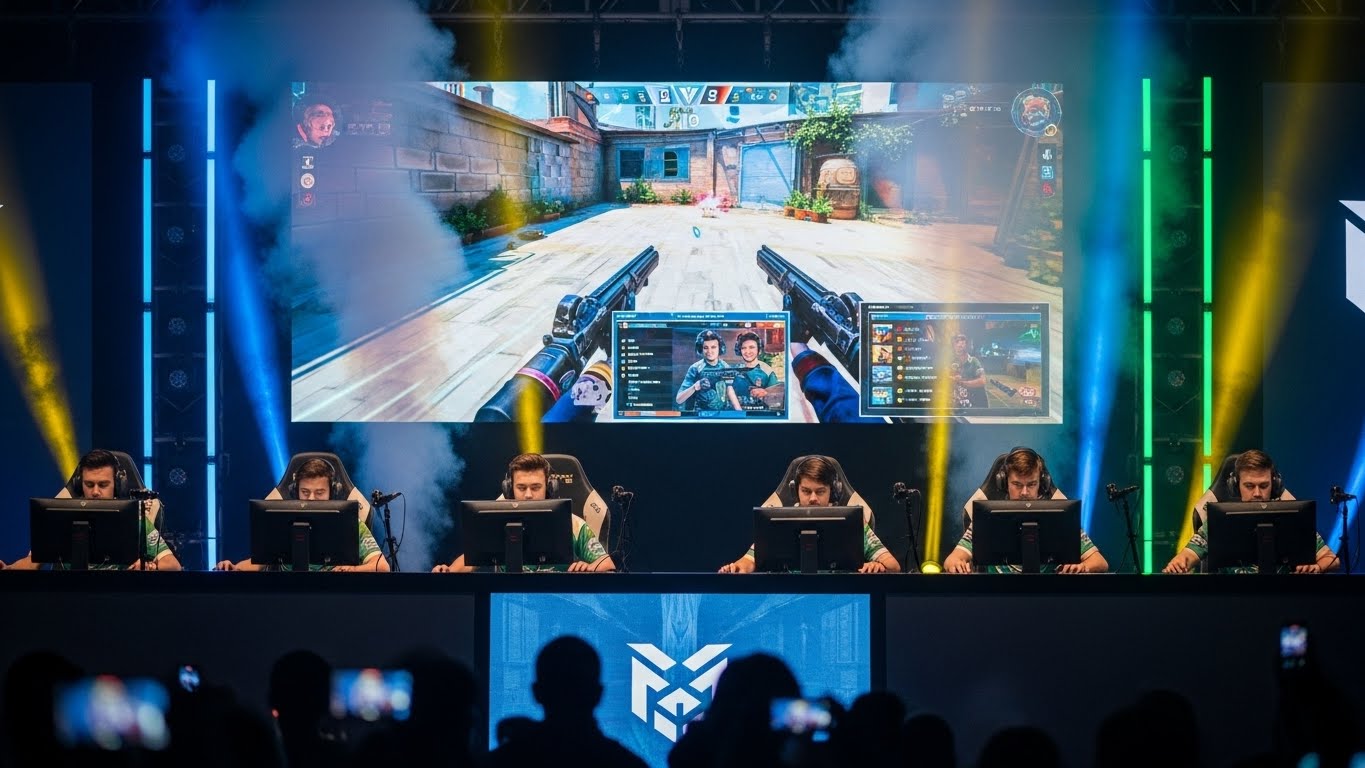
In recent years, esports has evolved from a niche hobby into a global cultural and economic phenomenon. What was once seen as a pastime for a small group of passionate gamers has now blossomed into a multi-billion-dollar industry with millions of fans around the world. Esports, or electronic sports, refers to organized, multiplayer video game competitions, often between professional players, teams, and organizations. From competitive video gaming tournaments to massive live streams on platforms like Twitch and YouTube, esports has grown to become a major player in the entertainment industry.
In this blog post, we will dive into the world of esports, exploring its origins, growth, and the factors that have contributed to its rise. We will also examine the different types of esports, the role of professional players, the impact on traditional sports, the economics of esports, and its future trajectory. Whether you’re an avid gamer or someone who is just starting to pay attention to this exciting field, this post will provide you with a comprehensive look at the dynamic world of esports.
The Origins of Esports: From Arcade Games to Global Tournaments
The origins of esports can be traced back to the early days of video gaming. In the 1970s and 1980s, competitive gaming was mostly limited to local arcade competitions, where players would compete for high scores on games like Pong and Space Invaders. These informal competitions laid the groundwork for a culture of competition in video games, but it wasn’t until the advent of online multiplayer games in the 1990s that esports began to take shape.
The rise of games like Quake and StarCraft in the late 1990s and early 2000s marked the beginning of organized esports tournaments. These games allowed players from around the world to compete against one another in real-time, creating the foundation for the competitive gaming scene we know today. The first major esports tournament, the Red Annihilation tournament for Quake, took place in 1997 and was one of the first events to showcase professional-level competitive gaming. This tournament set the stage for future competitions and helped establish the idea of esports as a serious competitive endeavor.
In the early 2000s, South Korea became a hotspot for esports, largely due to the popularity of StarCraft and the establishment of professional gaming leagues like the Korean e-Sports Association (KeSPA). South Korea’s support for esports infrastructure and government sponsorship of events created a thriving ecosystem for competitive gaming, and the country quickly became a global leader in the esports industry. The StarCraft scene in South Korea was particularly influential, with pro players achieving celebrity status and esports tournaments being broadcast on national television.
As the internet became more widespread, esports began to spread globally. In the mid-2000s, online platforms like Battle.net (Blizzard Entertainment’s online service) and Steam enabled gamers to compete against one another across countries and continents. Games like Warcraft III, Counter-Strike, and Dota became staples in the competitive gaming community, attracting large followings and leading to the development of international tournaments such as the World Cyber Games and ESL (Electronic Sports League).
The Rise of Major Esports Titles and Tournaments
As esports grew, so did the number of popular games that served as the foundation for professional tournaments. Today, there are several major esports titles that dominate the competitive gaming landscape, each offering unique gameplay experiences and attracting dedicated fanbases. These games have become the epicenter of global esports events, drawing millions of viewers and participants.
MOBAs (Multiplayer Online Battle Arenas): League of Legends and Dota 2
Multiplayer Online Battle Arenas (MOBAs) are some of the most popular genres in esports. In MOBAs, two teams of players control unique characters, called “heroes” or “champions,” and work together to destroy the opposing team’s base while defending their own. The strategy, teamwork, and individual skill required make MOBAs thrilling to watch and play.
League of Legends (LoL) is perhaps the most prominent esports title in the world, consistently drawing massive audiences. Developed by Riot Games and released in 2009, League of Legends has grown into one of the most successful esports games ever, with its annual World Championship tournament reaching millions of viewers worldwide. The game’s competitive scene is highly structured, with regional leagues in North America, Europe, China, and other countries feeding into the global championship.
Similarly, Dota 2, developed by Valve, has also established itself as one of the largest esports titles. The Dota 2 International (TI) tournament, held annually, is known for its immense prize pool, often reaching tens of millions of dollars. Dota 2 is beloved for its complex mechanics, deep strategy, and team-based gameplay, making it a favorite among hardcore esports fans.
FPS (First-Person Shooters): Counter-Strike: Global Offensive and Overwatch
First-person shooters (FPS) have also become a dominant force in esports, thanks to games like Counter-Strike: Global Offensive (CS:GO) and Overwatch.
Counter-Strike has been a staple of competitive gaming since the early 2000s. CS:GO, released in 2012, remains one of the most popular esports games in the world. The game pits two teams against each other in a series of rounds where one team attacks and the other defends, with the goal of planting or defusing a bomb. CS:GO is known for its fast-paced action, precise aiming mechanics, and high-stakes gameplay, which make it both thrilling to play and watch.
Overwatch, developed by Blizzard Entertainment and released in 2016, brought a fresh take to the FPS genre by incorporating team-based, hero-driven gameplay. Players control “heroes” with unique abilities, adding layers of strategy and coordination to the traditional FPS formula. Overwatch League (OWL) has helped the game establish a professional esports scene with teams representing cities around the world, much like traditional sports leagues.
Battle Royale Games: Fortnite and PUBG
The battle royale genre has taken the world by storm in recent years, with Fortnite and PlayerUnknown’s Battlegrounds (PUBG) becoming two of the most prominent esports titles. In battle royale games, players compete to be the last one standing in a shrinking play zone, scavenging for weapons, armor, and resources along the way.
Fortnite, developed by Epic Games, has become a cultural phenomenon, with its combination of building mechanics, fast-paced action, and vibrant aesthetic. The game’s free-to-play model and frequent updates have kept players engaged, while its competitive esports scene has grown rapidly. The Fortnite World Cup in 2019, for example, had a prize pool of $30 million, making it one of the largest esports events ever.
PUBG, developed by PUBG Corporation, helped popularize the battle royale genre, and its esports scene continues to thrive with regional competitions and international events. Both Fortnite and PUBG have paved the way for a new generation of esports athletes, attracting younger players and fans to the competitive gaming ecosystem.
The Role of Professional Players and Teams in Esports
Professional players are the heart and soul of the esports industry. Much like traditional athletes, these gamers dedicate countless hours to practice, strategy, and skill development to perform at the highest level. The path to becoming a professional esports player is not easy, requiring a combination of natural talent, technical expertise, and unwavering dedication.
To compete at the highest level, players must hone their mechanics, understand the meta (the current state of the game), and develop strong teamwork and communication skills. Many professional players begin their careers at a young age, often starting in grassroots competitive scenes before moving on to larger tournaments. Some players join established esports organizations or sign with major sponsors, while others rise through the ranks of open tournaments and qualifiers.
Esports teams are similar to traditional sports teams in many ways. They consist of players who specialize in different roles and positions, and they train together to improve their skills and strategies. These teams are often backed by organizations, which provide support in the form of coaching, management, sponsorships, and even mental health and wellness resources. Esports organizations like Team Liquid, Cloud9, and T1 have built loyal fanbases and are among the most recognized names in the industry.
Professional esports players can earn a significant amount of money through tournament prize pools, sponsorships, and streaming platforms. Some of the highest-paid players, especially those competing in games like Dota 2 and League of Legends, can make millions of dollars in a single year. In addition to their earnings from tournaments, many top players also generate income through streaming on platforms like Twitch, where they engage with fans, share their gameplay, and even showcase their personalities.
The Economics of Esports: Sponsorships, Advertising, and Streaming
The rise of esports has not only changed the way people view gaming but also created an entirely new industry. Esports is now a multi-billion-dollar market, with revenue coming from a variety of sources, including sponsorships, advertising, ticket sales, broadcasting rights, and merchandise.
Sponsorships and advertising are among the largest sources of revenue for esports organizations and events. Companies from a wide range of industries, including technology, gaming, energy drinks, and clothing, are eager to partner with esports teams and events to reach the large and engaged audience of gamers. Major brands like Coca-Cola, Red Bull, Intel, and Nike have all invested in esports, recognizing the potential to tap into a lucrative and young demographic.