Esports, or electronic sports, has rapidly evolved from a niche pastime into one of the most exciting and lucrative industries in global entertainment. What began as friendly video game competitions in local arcades has transformed into a full-fledged global phenomenon, drawing millions of fans, creating multi-million-dollar prize pools, and even attracting investments from some of the biggest brands in the world. In this blog post, we will delve into the evolution of esports, the factors that have contributed to its meteoric rise, and the significant impact it has had on gaming culture and the wider entertainment landscape.
What is Esports?
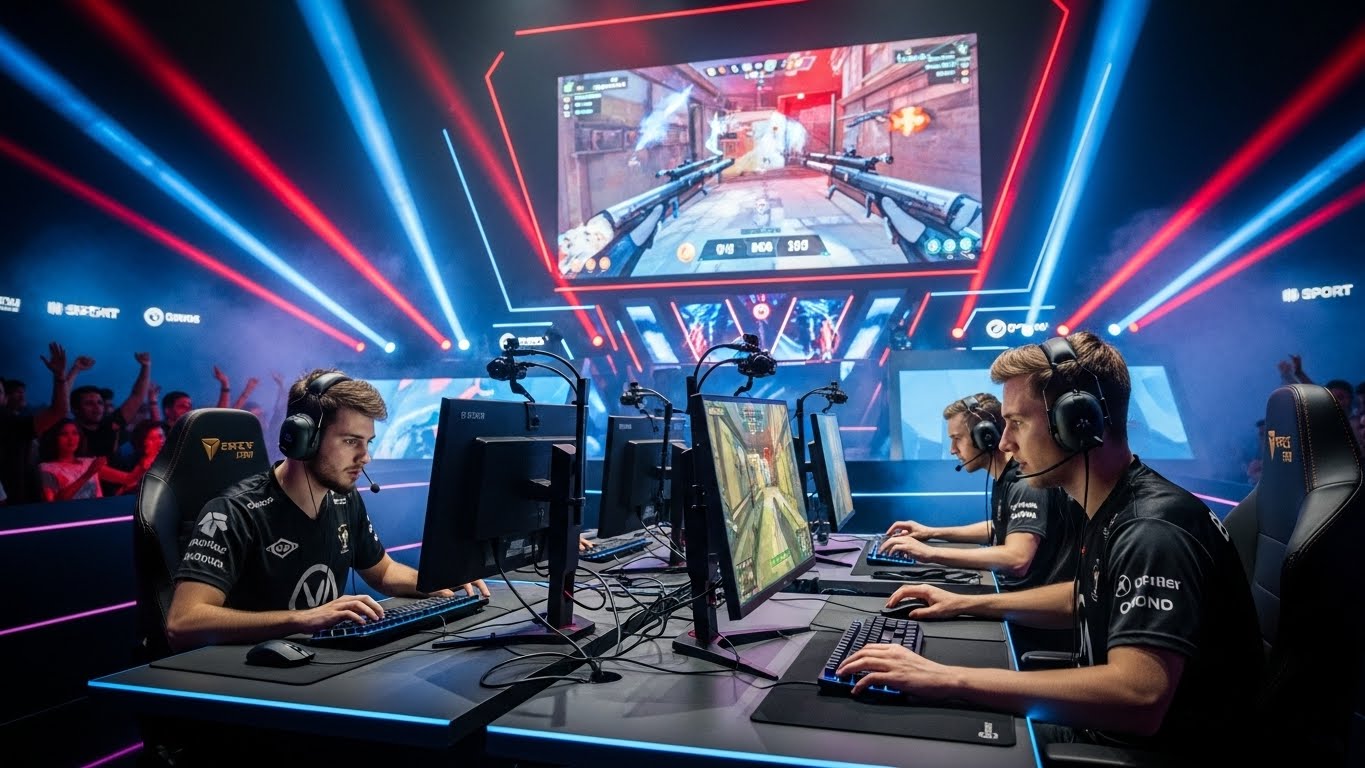
Esports refers to organized, multiplayer video game competitions, particularly between professional players, individually or as teams. While competitive gaming has existed since the early days of video games, esports has grown to encompass a massive industry with professional players, teams, tournaments, sponsors, and a global fanbase. Unlike casual gaming, esports focuses on games played at a high level of skill, often with specific rules, coaching, and strategic planning.
Esports includes a variety of video game genres, including first-person shooters (FPS), real-time strategy (RTS) games, multiplayer online battle arenas (MOBA), sports simulation games, and even mobile games. Some of the most popular titles in esports include League of Legends, Dota 2, Counter-Strike: Global Offensive, Overwatch, and Fortnite. These games have given rise to massive competitions with professional players, high stakes, and significant media attention.
The Evolution of Esports: From Arcade Games to Global Competitions
The roots of esports can be traced back to the early days of video gaming. In the 1970s, competitive gaming began as simple high-score challenges in arcade games like Pong and Space Invaders. However, the idea of organized competitions started to take shape in the 1980s with games like Spacewar and Asteroids. Although these early competitions were small and limited to local events, they laid the groundwork for the competitive gaming scene that would emerge in the following decades.
It wasn’t until the late 1990s and early 2000s that esports began to take a more professional form. Games like StarCraft, Warcraft III, and Quake introduced online multiplayer modes, which allowed players from different locations to compete against one another. In South Korea, StarCraft became a national obsession, and competitive leagues were established. OnGameNet, a South Korean television network, began broadcasting live esports tournaments, drawing large audiences and attracting corporate sponsors.
As the internet became more accessible globally, esports expanded to other regions. The introduction of platforms like Battle.net by Blizzard Entertainment and Steam by Valve Corporation made it easier for players to compete in global tournaments. These games, along with the rise of online streaming platforms like Twitch, allowed players to showcase their skills to a worldwide audience. Esports began to attract more attention from the media, companies, and even investors, signaling the birth of esports as a mainstream entertainment industry.
Factors Driving the Growth of Esports
Several key factors have contributed to the explosive growth of esports in recent years. These include the increasing accessibility of gaming technology, the rise of online streaming, the evolution of social media, and significant investments from traditional sports organizations.
The Accessibility of Gaming Technology
One of the main reasons for esports’ rapid growth is the increasing accessibility of gaming technology. High-quality gaming hardware, including affordable gaming PCs, consoles, and mobile devices, has made it easier for people of all backgrounds to participate in competitive gaming. For many aspiring esports professionals, playing on high-end gaming machines is no longer a barrier, thanks to advances in technology that have made powerful gaming devices more affordable.
Additionally, game developers have made esports more accessible by providing robust tools for organizing and participating in online tournaments. These tools include matchmaking systems, in-game leaderboards, and even in-game spectator modes that allow fans to watch live competitions. As a result, players of all skill levels can join tournaments, hone their skills, and rise through the ranks to compete at the highest levels.
The Growth of Online Streaming Platforms
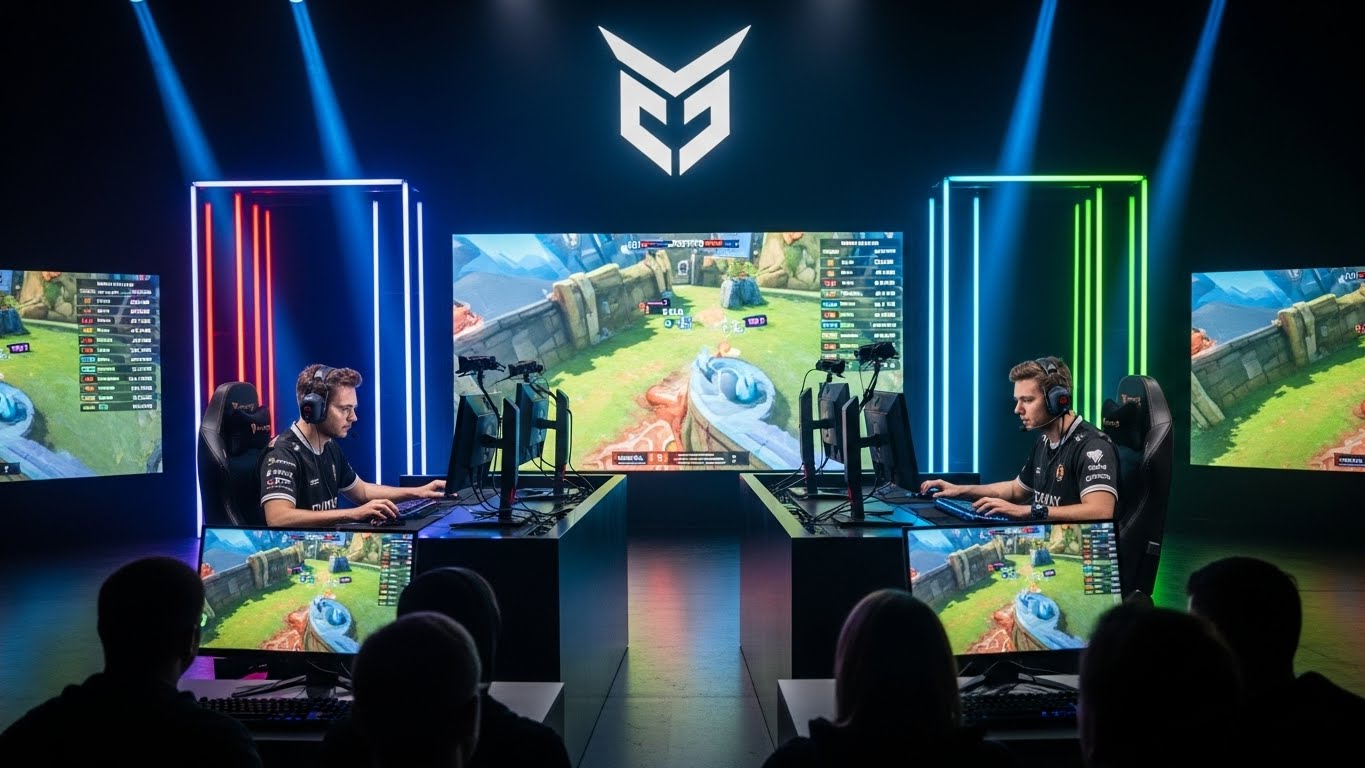
Online streaming platforms, particularly Twitch and YouTube Gaming, have played a pivotal role in the growth of esports. These platforms have given players and teams a way to broadcast their gameplay to millions of viewers around the world. Streaming has allowed esports to become a spectator sport in its own right, with fans tuning in to watch professional players compete in real-time, engage with commentators, and interact with other fans.
The rise of live-streaming has democratized access to esports content, allowing fans to watch matches at any time, from anywhere. As a result, esports events and competitions are no longer limited to in-person attendance. The ability to watch major tournaments online has enabled esports to build a global fanbase and create a vibrant community around popular games.
The Role of Social Media
Social media has been a powerful tool for expanding the reach of esports. Platforms like Twitter, Instagram, and Facebook allow teams, players, and fans to engage directly with one another. This has helped build a sense of community around esports, with fans sharing their favorite moments, discussing strategies, and supporting their favorite players and teams.
Social media has also played a significant role in promoting esports events. Tournament organizers and game developers use these platforms to announce new events, share updates, and create buzz around major competitions. In some cases, esports teams and players have even built their brands and followers through social media, furthering the growth of the industry.
Investments from Traditional Sports
As esports has gained mainstream attention, it has attracted significant investment from traditional sports organizations. Professional sports teams, leagues, and athletes have increasingly invested in esports, either by owning esports teams, sponsoring events, or participating in esports competitions themselves.
For example, many NFL, NBA, and soccer teams have established esports divisions, sponsoring or partnering with esports teams that compete in games like FIFA, League of Legends, and Call of Duty. This collaboration between traditional sports and esports has further solidified esports as a legitimate form of entertainment, bridging the gap between two distinct worlds.
The Professionalization of Esports
As esports has grown, it has become increasingly professionalized. The days of casual tournaments and amateur competitions are long gone. Today, esports is a global industry with professional players, coaches, analysts, and broadcasters. Esports organizations have emerged, providing players with contracts, salaries, training facilities, and career support, much like traditional sports teams.
Esports Leagues and Tournaments
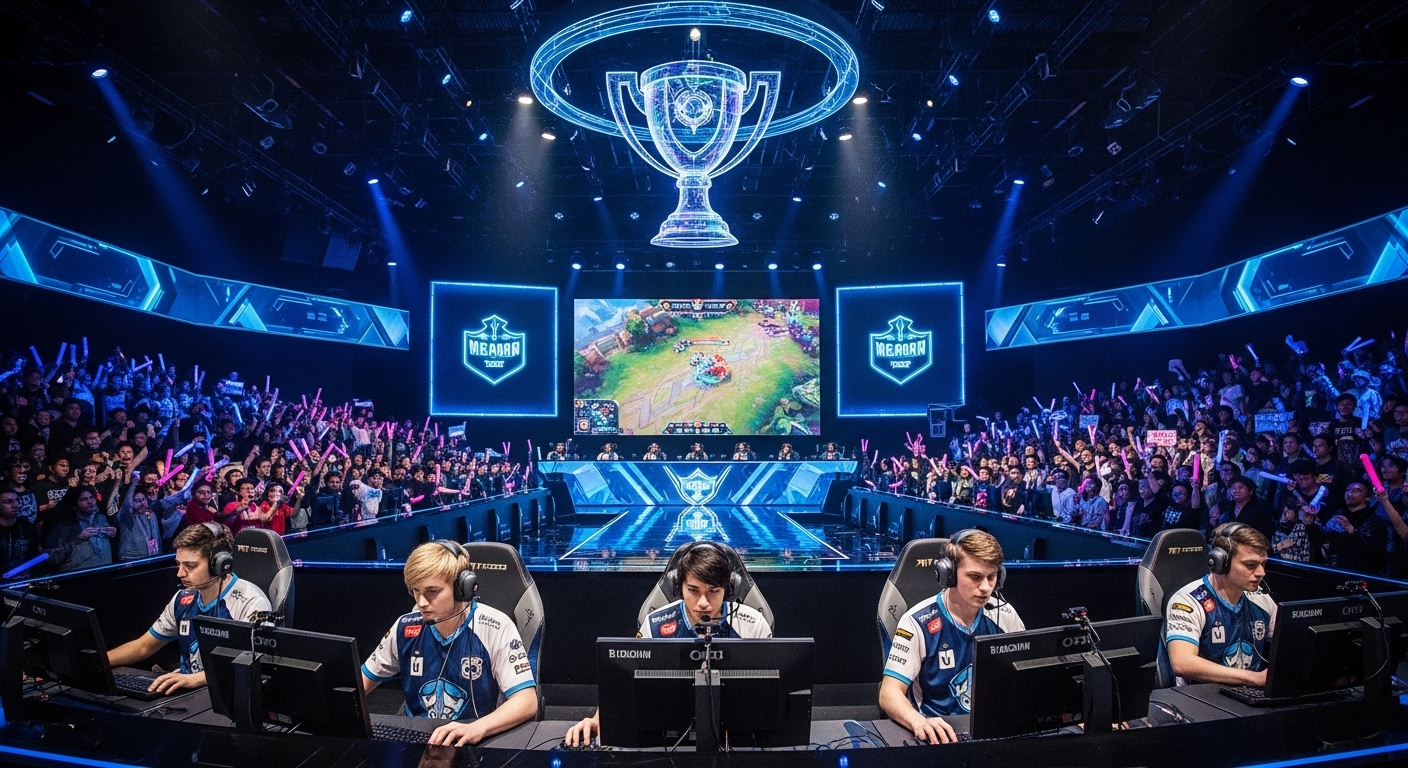
Esports now boasts numerous professional leagues and tournaments, many of which have become staples in the global gaming community. These competitions often feature franchise-based team structures, regular seasons, and playoffs, mirroring traditional sports leagues. For instance, the League of Legends Championship Series (LCS) and the Overwatch League (OWL) feature some of the best esports teams from around the world, and the prize pools for these events can reach into the millions of dollars.
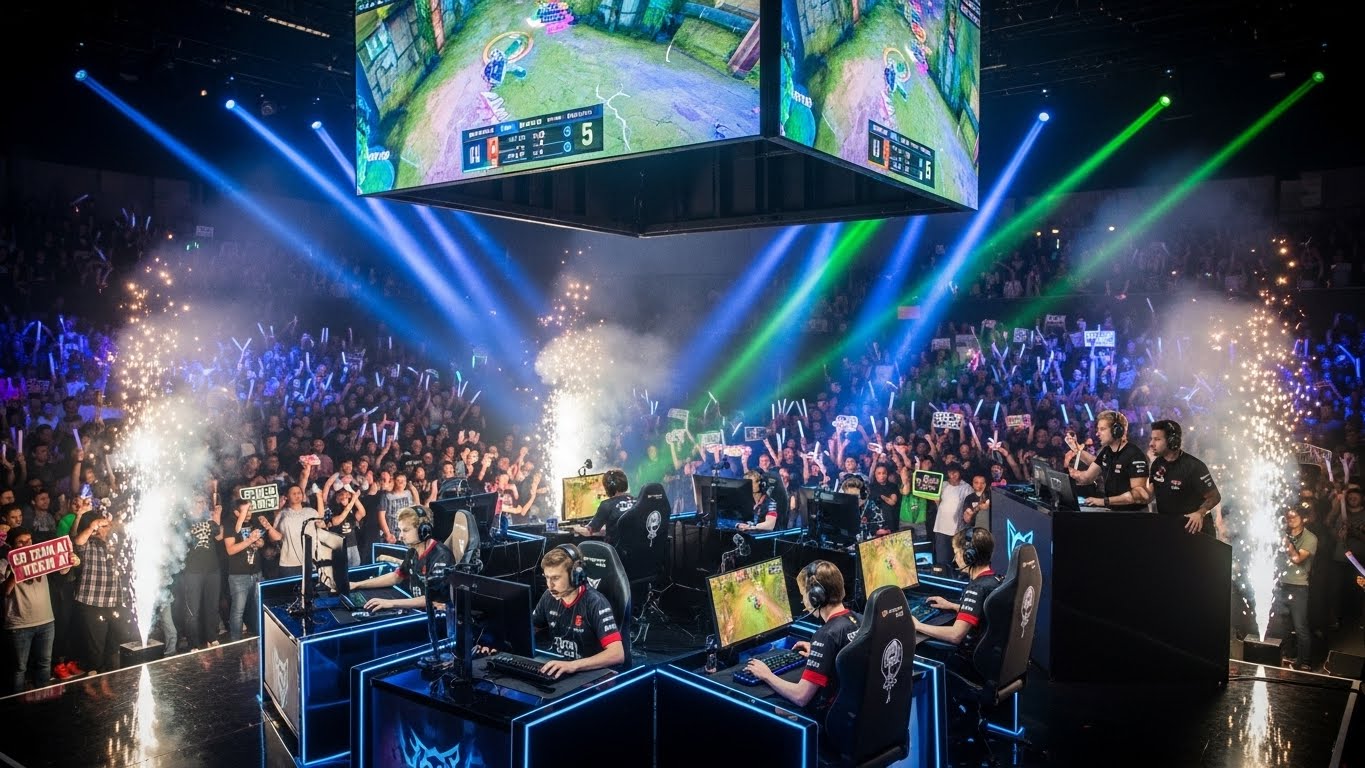
Major tournaments such as The International for Dota 2, the League of Legends World Championship, and CS:GO Majors draw massive crowds and live audiences. These events have turned esports into a spectator sport, with millions of fans watching the matches online or in person.
Sponsorships and Prize Pools
The commercial side of esports has exploded in recent years. Sponsorships, brand partnerships, and advertising have become crucial sources of revenue for esports teams and events. Companies from industries such as tech, automotive, apparel, and energy drinks have been quick to invest in esports, recognizing the massive global audience.
Prize pools for major esports tournaments have skyrocketed. For example, The International for Dota 2 regularly offers a prize pool of over $30 million, with the winning team taking home a large share. Such large sums of money not only incentivize players but also signal the mainstream importance of esports.
Esports and Its Cultural Impact
Esports has had a profound impact on gaming culture and has significantly changed the way people view video games and competitive play. For many, esports has provided an avenue for career growth, fame, and recognition.
Career Opportunities in Esports
Esports has created a diverse range of career opportunities beyond professional playing. Coaches, analysts, broadcasters, content creators, event organizers, and even game developers are all essential components of the esports ecosystem. Esports players, too, now enjoy lucrative salaries, sponsorships, and media exposure. As the industry continues to grow, the job market within esports is expected to expand significantly, providing even more career opportunities for those passionate about gaming.
Building a Global Community
Esports has fostered a global community of gamers who share a common passion for competitive gaming. Unlike traditional sports, where geographic boundaries often limit the reach of competitions, esports is a truly global sport. Players, teams, and fans can interact across borders, breaking down cultural barriers and uniting people with a shared interest in gaming.
The Future of Esports
The future of esports looks incredibly bright. As technology continues to advance, the esports industry will continue to evolve. Virtual reality (VR) and augmented reality (AR) are expected to become more integrated into esports, allowing players and viewers to experience the games in new and exciting ways.
Mobile esports is also expected to see significant growth, particularly in regions like Southeast Asia and India, where mobile gaming is already incredibly popular. With the rise of 5G technology, mobile esports will become faster and more seamless, making it more accessible to a broader audience.
Esports will also continue to expand into traditional sports venues, with large stadiums and arenas hosting live tournaments. The potential for esports to be integrated into major sporting events, including the Olympics, is a real possibility in the coming years.