Introduction: A New Era of Competition
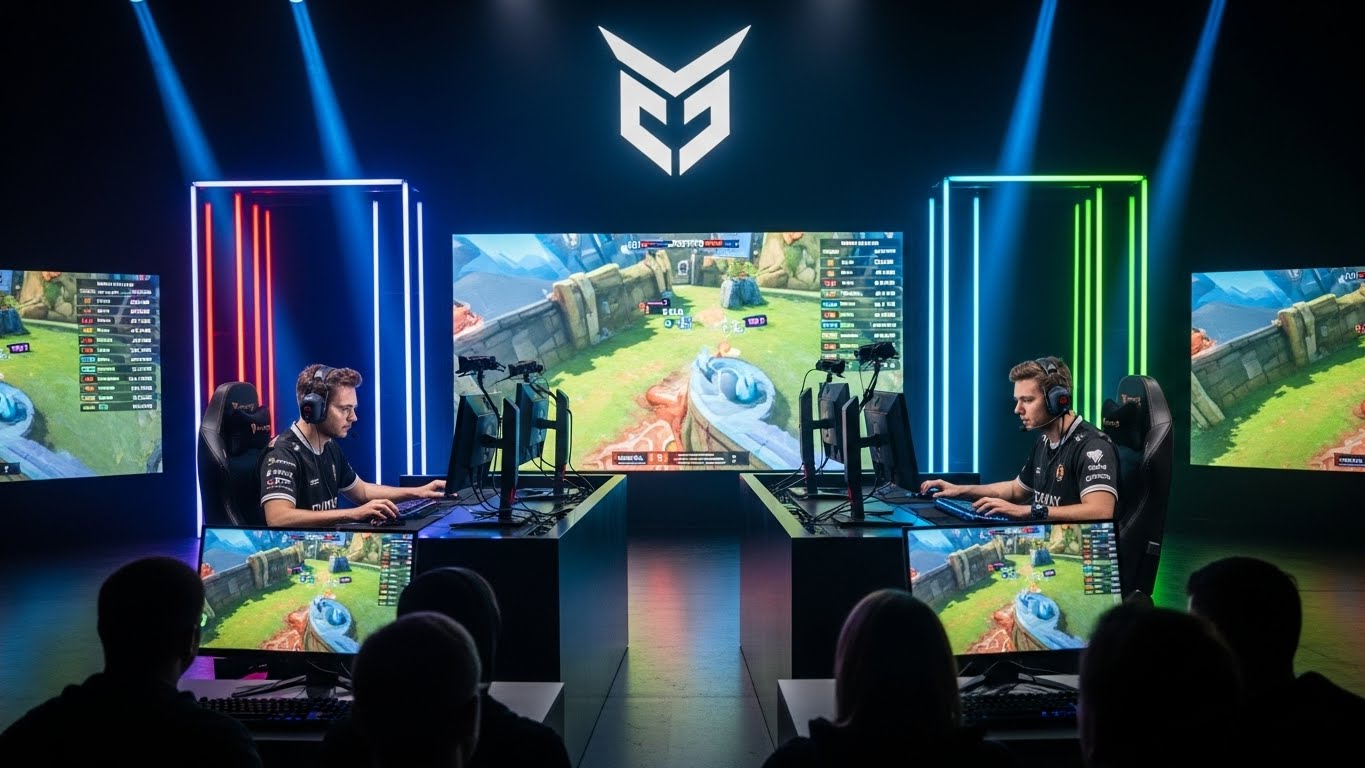
Esports, or competitive gaming, has evolved from a niche activity into a mainstream phenomenon that captures the attention of millions of viewers, sponsors, and players around the world. Once regarded as a pastime for hobbyists, esports has now firmly established itself as a legitimate form of entertainment, comparable to traditional sports in terms of viewership, revenue, and cultural impact. The competitive gaming industry is constantly growing, with more professional leagues, tournaments, and a massive fan base emerging each year.
In this blog post, we will explore the rapid rise of esports, the games and genres that dominate the scene, the business of esports, its societal influence, and what the future holds for this digital revolution.
The Origins of Esports
The history of esports can be traced back to the early days of video gaming, when gamers first began organizing informal competitions. While professional esports leagues as we know them today didn’t exist in the early years, competitive gaming has been around in some form since the 1970s.
The Early Days: Arcade and PC Gaming
In the late 1970s and early 1980s, arcade games like Pong, Space Invaders, and Pac-Man were some of the first games to attract competitive play. Players would compete for high scores, and arcades often hosted tournaments where the best players could claim bragging rights and prizes.
As personal computers became more affordable and widespread, multiplayer games such as Doom (1993) and Quake (1996) allowed players to compete online. These games introduced a new dimension to gaming, allowing players to connect and battle in real-time, no matter their physical location. The first major esports tournament, Red Annihilation, was held in 1997, where players competed in Quake. This marked the beginning of organized, competitive gaming on a global scale.
The Influence of South Korea
By the early 2000s, South Korea became the epicenter of competitive gaming. The country’s government recognized the potential of gaming as both a cultural and economic force. National television networks began broadcasting StarCraft tournaments, and gaming cafes, known as PC bangs, became popular gathering spots for gamers. This laid the foundation for the modern esports industry, where games such as StarCraft: Brood War and League of Legends would later become global phenomena.
The success of South Korea’s esports scene prompted other countries to develop their own competitive gaming infrastructures. This global spread led to the rise of other major esports titles, and tournaments such as The International (Dota 2) and League of Legends World Championships became fixtures in the esports calendar.
The Games That Define Esports
Today, esports spans multiple genres, each with its own community of players, fans, and professional leagues. Some games have become so popular that they define entire sub-genres of competitive gaming. Let’s explore some of the most dominant esports titles and genres that are shaping the industry.
Multiplayer Online Battle Arenas (MOBAs)
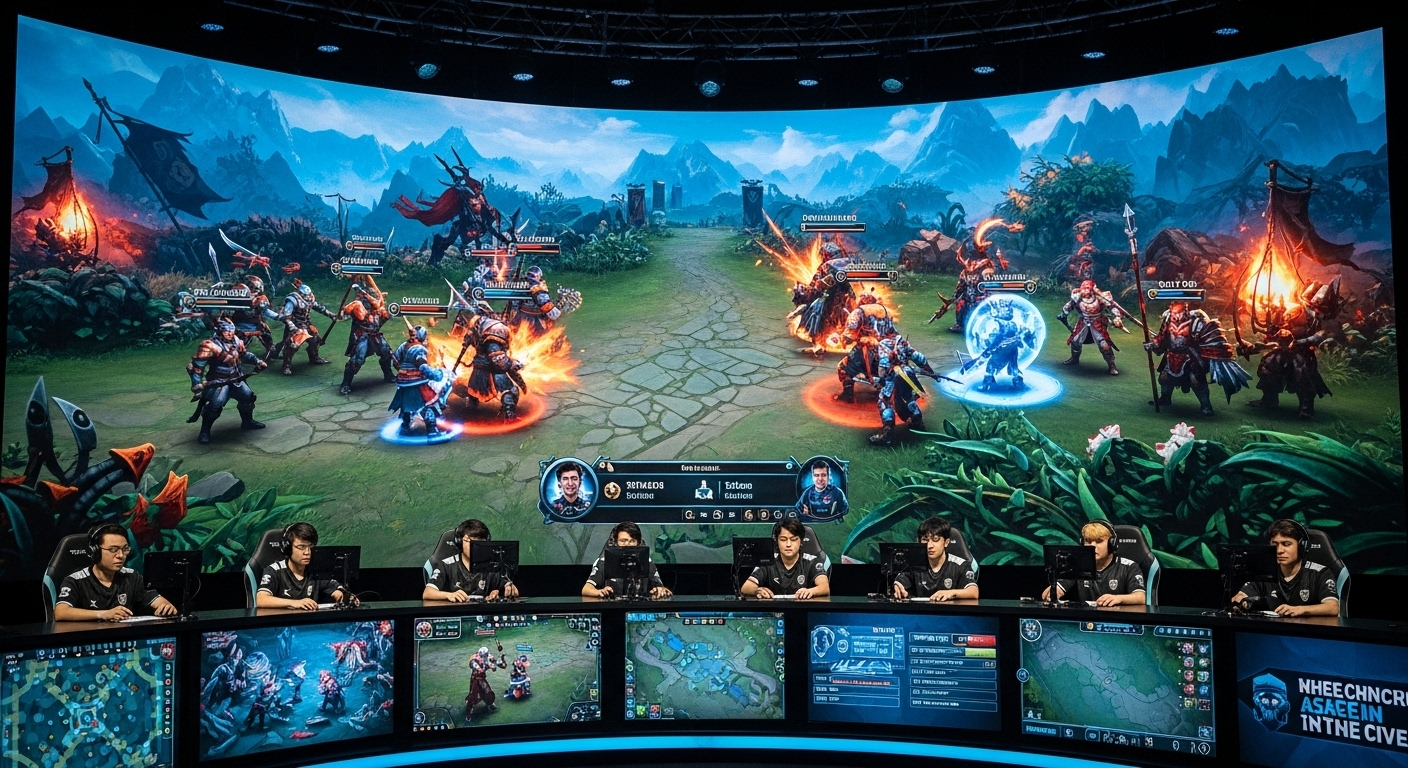
MOBAs are arguably the most influential and competitive genre in esports. Games like League of Legends and Dota 2 lead the charge in terms of viewership, player base, and prize money. In a typical MOBA game, players control characters (or “heroes”) with unique abilities and work together in teams to destroy the enemy’s base while protecting their own. MOBAs require precise strategic thinking, communication, and quick decision-making, making them the perfect foundation for high-stakes tournaments.
The League of Legends World Championship, often referred to as “Worlds,” is one of the biggest annual events in esports, attracting millions of viewers globally. With prize pools sometimes exceeding $10 million, the stakes in these games are as high as those in traditional sports.
First-Person Shooters (FPS)
First-person shooters (FPS) are another major genre in competitive gaming. Games like Counter-Strike: Global Offensive (CS: GO), Overwatch, and Call of Duty have established themselves as pillars of esports competition. FPS games are fast-paced and focus on precision, reflexes, and strategy. The emphasis on teamwork and individual skill makes FPS games incredibly exciting to watch, with tournaments drawing large crowds and lucrative sponsorship deals.
Games like CS: GO and Overwatch have thriving professional leagues, such as ESL (Electronic Sports League) and the Overwatch League, where teams compete for cash prizes and global recognition. These FPS games offer a unique spectacle due to the combination of individual skill, team coordination, and split-second decision-making.
Battle Royale Games
The Battle Royale genre has taken esports by storm in recent years. Games like Fortnite, PUBG, and Apex Legends have become hugely popular due to their unique format. In these games, players or teams are dropped into large maps, where they must scavenge for weapons and equipment while fighting to be the last one standing. The genre’s unpredictability and high stakes make it a perfect fit for competitive gaming.
While Battle Royale games like Fortnite started as casual play, their growing esports scene has given rise to massive tournaments, such as the Fortnite World Cup, with prize pools reaching millions of dollars.
Fighting Games
Fighting games, such as Street Fighter V and Tekken 7, have been a staple of competitive gaming for decades. These games focus on one-on-one combat, where players select a fighter and face off against each other in a series of rounds. Fighting game tournaments have a long history, with series like EVO (Evolution Championship Series) drawing hundreds of top players from around the world.
Fighting games require deep knowledge of character moves, precise timing, and reaction speed, which makes them perfect for live tournaments and broadcasts.
The Business Side of Esports
Esports has quickly become one of the most profitable sectors in the entertainment industry. From sponsorship deals to merchandising, the business of esports is booming.
Sponsorships and Partnerships
Big brands, from tech companies to global consumer goods giants, have flocked to esports for sponsorships and advertising opportunities. Companies like Intel, Coca-Cola, and Red Bull have invested heavily in esports, sponsoring teams, players, and tournaments. Sponsorships have been a crucial driver of revenue in esports, and they have helped propel the industry to new heights.
Media and Broadcasting
Broadcasting is another key revenue stream in esports. Platforms like Twitch and YouTube have provided a platform for gamers to stream their gameplay live, offering a way for fans to watch and interact with their favorite players. Esports events are broadcasted live on multiple platforms, with some even reaching traditional television networks. Major esports tournaments, such as The International and CS: GO major events, are often streamed to millions of viewers across the globe.
Merchandising and Merchandise Sales
Just like traditional sports, esports teams and players sell branded merchandise, including clothing, accessories, and gaming equipment. Fans often purchase jerseys, hats, and other team gear to show support for their favorite players or organizations.
Prize Pools and Salaries
One of the most significant aspects of professional esports is the prize money. Esports tournaments now offer massive prize pools, sometimes exceeding $10 million in total. Winning these tournaments can significantly boost a player’s career, leading to sponsorships, streaming deals, and fame within the esports community. In addition to tournament winnings, top players also earn salaries from their teams, often supplemented by additional income from sponsorships, content creation, and streaming.
The Impact of Esports on Society
Esports is not just a form of entertainment—it’s also shaping culture and society in profound ways.
Esports and Education
Many universities around the world now offer scholarships for esports athletes, recognizing the skill, discipline, and teamwork required to excel in competitive gaming. Some institutions have even established dedicated esports programs and arenas, providing students with the opportunity to pursue careers in esports management, game design, and professional play.
Social Connection and Community
Esports has created an incredible sense of community, both online and offline. Players and fans from around the world can connect through streaming platforms, social media, and live events. Tournaments and leagues bring fans together to celebrate their favorite games and players, creating a global network of supporters.
Mental Health and Esports
While competitive gaming can be intense, it can also have mental and emotional benefits. Many players develop problem-solving skills, improve their reflexes, and build confidence through their participation in esports. However, like any competitive activity, it is essential to maintain a balance between gaming and other aspects of life. Promoting mental health awareness within the esports community is crucial, as high-pressure environments can sometimes lead to stress and burnout.
The Future of Esports
Esports is continuing to grow and expand, with no signs of slowing down. The future holds exciting possibilities, from technological innovations to broader mainstream adoption.
Virtual Reality and Augmented Reality
The rise of virtual reality (VR) and augmented reality (AR) technologies could revolutionize esports. VR, in particular, holds the potential to offer immersive gaming experiences that could redefine competitive gaming by placing players inside digital worlds. As technology improves, esports will likely evolve into even more immersive and interactive experiences for both players and spectators.
Integration with Traditional Sports
Esports is increasingly merging with traditional sports. Many traditional sports teams have started their own esports divisions, creating a hybrid between the two industries.