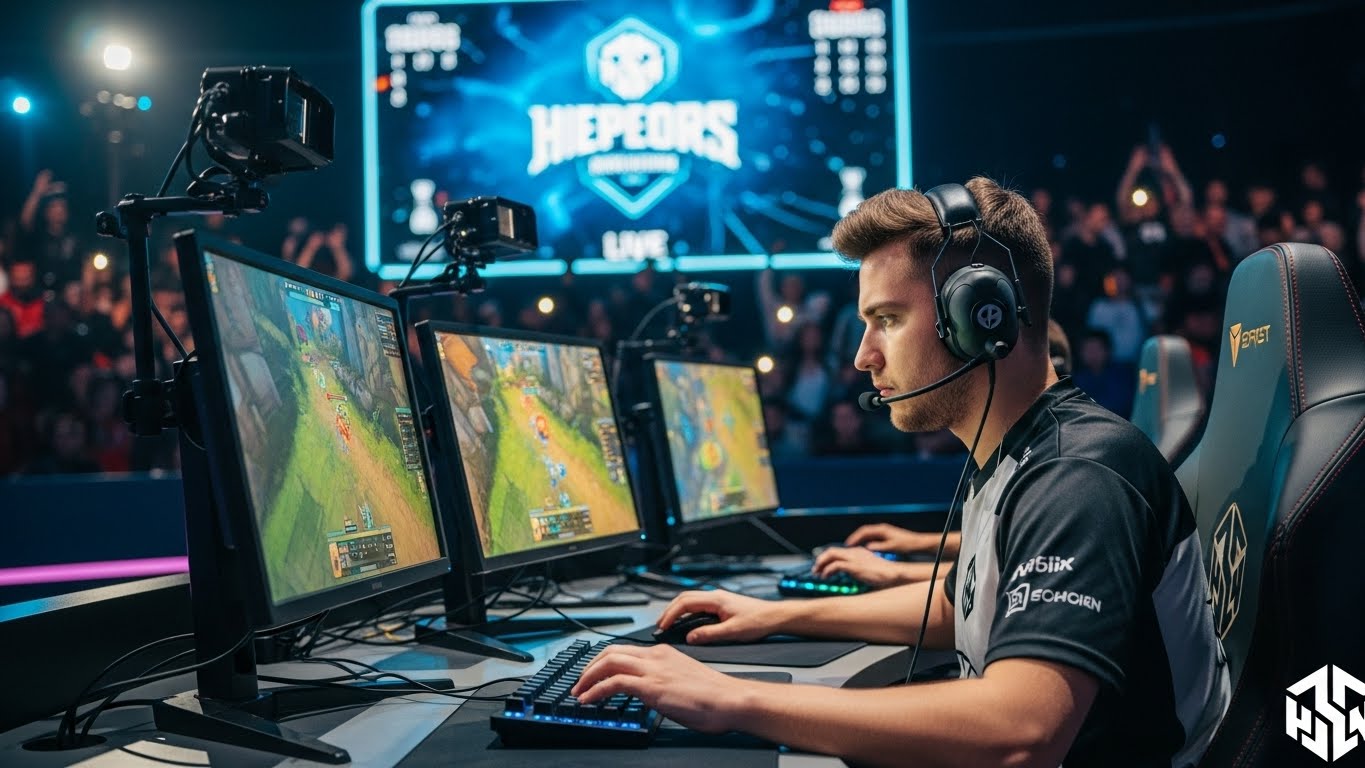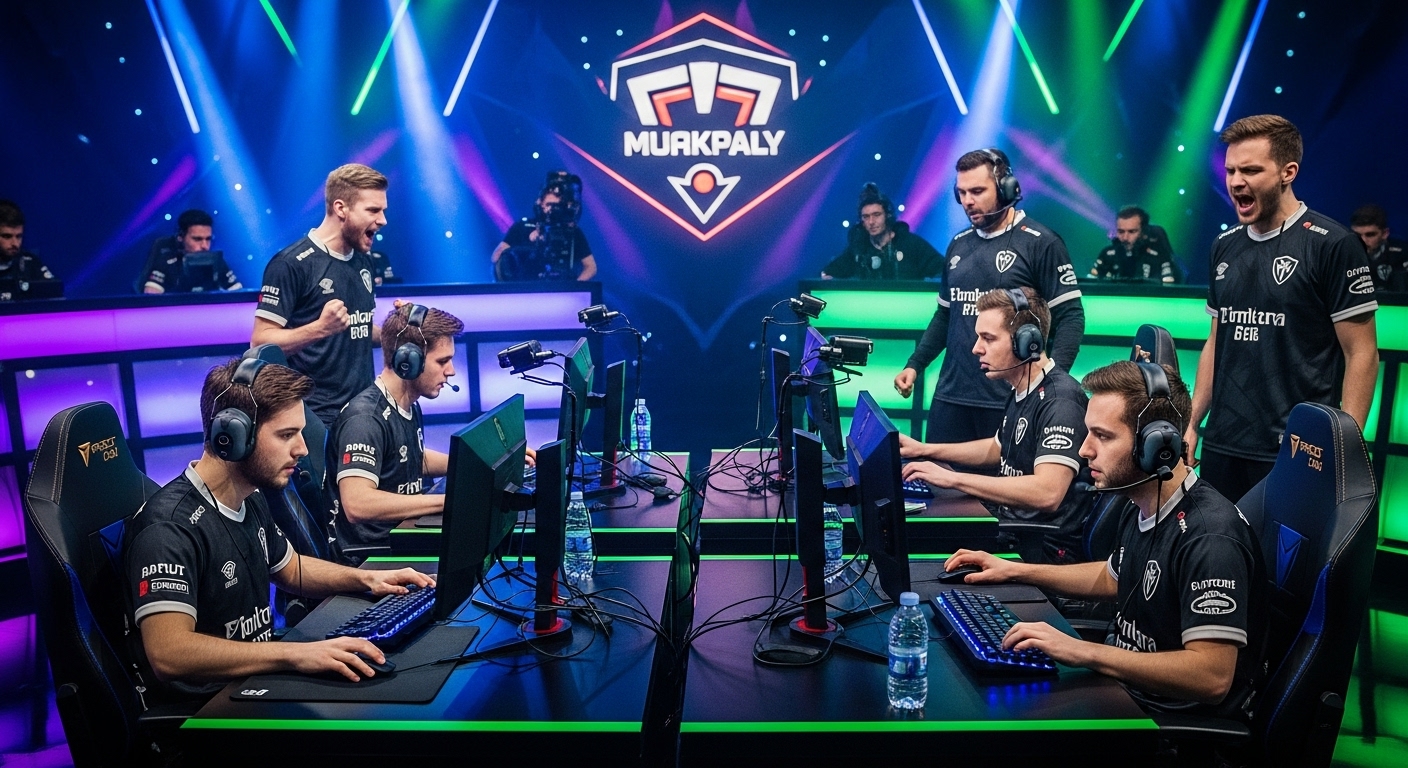
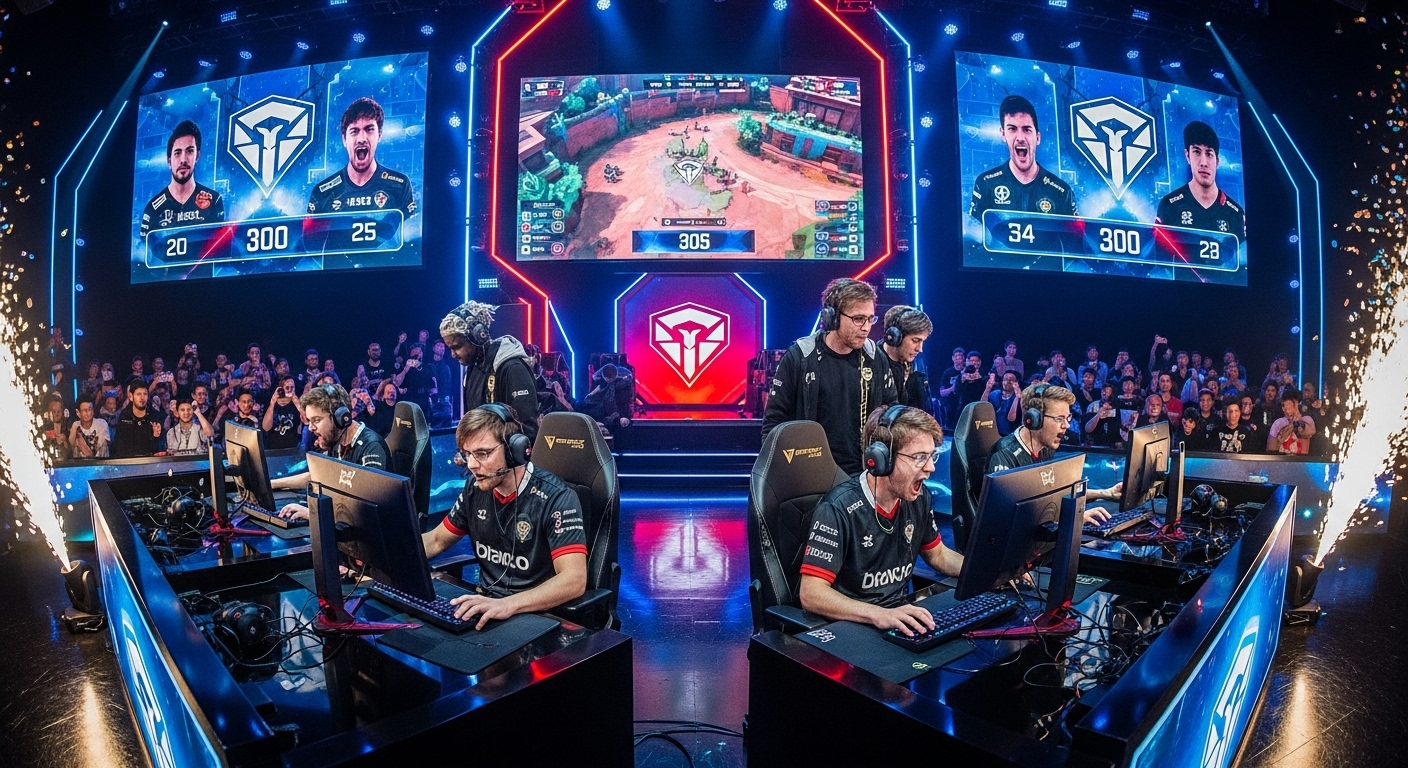
In recent years, esports has transitioned from a niche hobby to a global powerhouse, drawing millions of viewers, players, and sponsors into its fold. What was once seen as an obscure pastime for a select group of gamers has now become a mainstream phenomenon, captivating audiences across the globe. Whether it’s the strategic depth of League of Legends, the fast-paced action of Counter-Strike, or the electrifying team dynamics of Overwatch, esports has established itself as one of the most influential and rapidly growing sectors in the entertainment world.
In this blog post, we’ll explore the rise of esports, its cultural impact, and why competitive gaming is capturing the hearts and minds of people from all walks of life. From its humble beginnings to its current status as a billion-dollar industry, esports is reshaping the way we think about competition, sportsmanship, and digital entertainment.
The Origins of Esports: From Arcade Games to Global Phenomenon
Esports, or electronic sports, can trace its origins back to the early days of video gaming. While competitive gaming has been around for as long as video games themselves, it was in the late 1990s and early 2000s that esports began to form into the competitive landscape we recognize today.
The first major esports tournaments began to emerge in the late 1990s, particularly in Asia. Games like StarCraft and Warcraft III attracted competitive players who would gather in LAN (Local Area Network) parties to compete in tournaments. These tournaments, while relatively small at the time, set the stage for what would eventually become the foundation of the modern esports ecosystem.
The early 2000s saw the rise of more organized events, with the advent of competitive games like Counter-Strike, Quake III Arena, and Unreal Tournament. These games featured player-vs-player (PvP) gameplay, which naturally lent itself to competitive play. The World Cyber Games, founded in 2000, became one of the first global esports tournaments, drawing international competitors and large audiences. At this point, the esports scene was still largely centered around niche communities, with players participating primarily through PC gaming.
However, it wasn’t until the late 2000s and early 2010s that esports began to explode in popularity. Platforms like Twitch, which launched in 2011, provided a dedicated space for gamers to stream their matches and attract global audiences. The accessibility of these platforms allowed fans to tune into live competitions from anywhere in the world, vastly expanding the reach of esports.
The Evolution of Esports: Growth, Popularity, and Professionalization
As the popularity of esports continued to rise, the industry began to professionalize. Teams, coaches, and analysts were introduced to create more structured organizations, while sponsors and advertisers began to take notice of the immense potential within the competitive gaming world. Major game developers such as Blizzard, Riot Games, and Valve started to invest heavily in competitive gaming scenes for their titles, creating a structured and sustainable framework for tournaments.
One of the defining moments in the growth of esports came in 2013, with the creation of the League of Legends World Championship. The tournament, which drew in over 32 million viewers for its final match, showed that esports could not only compete with traditional sports in terms of viewership but could even surpass them in some cases. The event’s success paved the way for other competitive games, such as Dota 2, Overwatch, Fortnite, and Counter-Strike: Global Offensive, to develop their own tournament circuits with similar fanfare.
In parallel, esports organizations began to form more formal structures, much like professional sports leagues. Teams such as Cloud9, Fnatic, and T1 now compete in multi-title tournaments, often with players under long-term contracts and salaries. The rise of esports as a professional career has provided players with the opportunity to make a living from their skills, attracting talent from around the world.
The Esports Ecosystem: Players, Teams, and Tournaments
At the heart of the esports industry are the players, whose skill and dedication drive the competitive scene. Professional esports players are typically highly specialized, mastering one particular game or genre. These players undergo rigorous training schedules, practicing for hours a day to hone their skills, much like athletes in traditional sports. The training regimens often include playing against other top-tier players, analyzing strategies, and working with coaches to improve both individual performance and team coordination.
Esports teams, which can range from a handful of players to large organizations with multiple squads across various games, have become central to the competitive gaming landscape. These teams often recruit top talent from around the world, and many have dedicated support staff, including coaches, analysts, and psychologists, to help their players perform at their best.
Tournaments are the lifeblood of the esports scene, drawing in players, teams, and fans alike. Major events such as The International for Dota 2, the League of Legends World Championship, and EVO (for fighting games) have become landmark occurrences in the gaming calendar. These tournaments often feature multi-million-dollar prize pools and attract thousands of fans to live events, while millions more watch via streaming platforms.
Esports tournaments are often broadcast on streaming platforms like Twitch and YouTube, where viewers can watch matches live, interact with other fans, and follow their favorite teams and players. This digital engagement is a key part of what makes esports so unique, as it allows for real-time connection and community-building.
Esports and the Rise of Streaming: Connecting Fans and Gamers
One of the most significant drivers of esports’ growth has been the rise of streaming platforms like Twitch, YouTube Gaming, and Facebook Gaming. These platforms allow both professional players and casual gamers to broadcast their gameplay to a global audience. Streaming has helped to bridge the gap between players and fans, creating a more interactive and engaging experience than traditional sports viewing.
Through streaming, fans can follow their favorite players and teams, chat with them in real-time, and watch behind-the-scenes content. The ability to interact directly with players during matches has given esports a unique community-driven dynamic, with fans becoming an integral part of the experience.
In addition to gameplay, many esports streamers also produce content focused on strategy, tutorials, and commentary, which helps to educate and entertain viewers. This content has made esports more accessible to newcomers, encouraging people to explore competitive gaming and even try their hand at playing.
Streaming platforms have also provided a space for the growth of esports influencers, who have become celebrities in their own right. Many professional esports players have gained massive followings, not just for their skills but also for their engaging personalities. This has helped to humanize the competitive scene, making it more relatable and appealing to a wider audience.
The Cultural Impact of Esports: From Gaming to Mainstream Entertainment
The rise of esports has had a significant cultural impact, reshaping how we think about gaming, competition, and entertainment. What was once considered a hobby for a niche group has now become a multi-faceted industry that touches on everything from professional sports to fashion, sponsorships, and entertainment media.
One of the most significant aspects of esports’ cultural influence is its ability to break down traditional barriers. Unlike other sports, esports is not bound by geography or physicality. Anyone with an internet connection can participate, watch, or follow esports, regardless of age, gender, or background. This inclusivity has made esports a global phenomenon, with players from countries around the world competing on equal footing.
Esports has also helped to legitimize gaming as a competitive skill. No longer is gaming seen as merely a recreational activity; it is recognized as a serious and challenging pursuit that requires dedication, talent, and strategy. This shift in perception has been crucial in securing esports’ place in mainstream entertainment and has paved the way for gaming to be considered a legitimate profession.
In many ways, esports mirrors traditional sports in its structure and dynamics. It has its stars, its teams, its tournaments, and its fans. As such, it has attracted interest from traditional sports organizations, who see the potential for crossover. Many major sports leagues, including the NBA and NFL, have invested in esports teams or created their own esports leagues, further validating the importance of the industry.
The Future of Esports: Challenges and Opportunities
Looking forward, the future of esports is bright but also comes with its own set of challenges. One of the most significant challenges is sustainability. While esports has grown exponentially in terms of viewership and revenue, ensuring long-term financial stability for players, teams, and organizations will require ongoing innovation and investment. The introduction of esports into traditional sports networks and the continued expansion of streaming platforms may help mitigate this challenge by broadening the fanbase.
Another area of concern is the mental and physical health of esports players. Competitive gaming demands long hours of practice and intense focus, which can take a toll on players’ health. Esports organizations are starting to recognize the importance of mental and physical wellness, with some teams hiring nutritionists, psychologists, and fitness coaches to help players stay in top form.
Additionally, as esports continues to grow, questions around regulation, player rights, and governance will become increasingly important. Ensuring fair play, protecting players from exploitation, and managing sponsorships and endorsements will require careful attention to maintain the integrity of the industry.
Despite these challenges, the opportunities for esports are vast. With the rise of virtual reality, augmented reality, and cloud gaming, the esports experience will continue to evolve. Esports will also likely expand further into the global mainstream, with greater representation in traditional media, schools, and even Olympic-style events.