Introduction
Sports are among humanity’s oldest and most powerful traditions. They capture the essence of life itself—a mix of struggle, triumph, teamwork, and perseverance. Whether it is a local football match or the grand spectacle of the Olympics, sports ignite passion and inspire unity across all cultures. They are not just about competition but about learning, growing, and connecting.
Throughout history, sports have influenced civilizations, promoted health, and created heroes. From children playing in dusty fields to professionals performing in packed stadiums, sports remind us of the universal human desire to push boundaries and celebrate excellence. This blog explores the deep impact of sports on individuals and society—how they build character, inspire change, and shape our world.
The Historical Roots of Sports
The origins of sports trace back to the earliest human societies. Ancient civilizations used physical contests as a means of entertainment, religious celebration, and military preparation. In Greece, the Olympic Games were born as a tribute to the gods and became a symbol of peace and unity. The Romans built vast arenas where athletes competed in races and combat.
In ancient China, archery and martial arts were both spiritual and practical disciplines. Native tribes across continents played sports that fostered cooperation and storytelling. These ancient games laid the foundation for the organized sports we enjoy today. The evolution of sports mirrors human progress—each era refining the way people compete, train, and celebrate achievement.
Sports as a Path to Physical Excellence
Sports are one of the most natural ways to maintain physical health. They strengthen the heart, build muscle, improve coordination, and enhance flexibility. Regular participation in sports helps maintain a healthy weight, reduces the risk of chronic illnesses, and boosts overall energy levels.
For children, sports play a crucial role in physical development. Running, jumping, swimming, or cycling all help in developing strength, balance, and agility. For adults, staying active through sports combats stress and promotes longevity. Even for the elderly, light sports activities such as walking, yoga, or golf improve mobility and mental clarity.
The beauty of sports lies in their diversity—there is something for everyone. Whether it’s team games like football or individual pursuits like tennis, every sport encourages movement and vitality, essential elements of a healthy life.
Building Mental Strength Through Competition
Sports are as much a mental challenge as a physical one. Every athlete, regardless of level, faces moments of doubt, defeat, and pressure. Overcoming these obstacles requires focus, discipline, and resilience—qualities that extend beyond the field.
When players compete, they learn how to manage stress, think strategically, and adapt quickly. Training sharpens concentration and builds determination. Winning brings joy, but losing teaches humility and persistence. These mental lessons are invaluable in life, teaching individuals to remain strong and optimistic even in the face of challenges.
Psychologists have long recognized the role of sports in promoting mental well-being. Exercise releases endorphins that reduce anxiety and depression. The routine of practice and performance builds confidence and self-esteem. Sports, in essence, are a school for the mind as much as they are for the body.
The Power of Teamwork and Leadership
Few environments teach teamwork as effectively as sports. In team-based games, individuals must communicate, trust, and depend on one another. Success comes not from individual talent alone but from coordination and shared goals.
Team sports such as football, basketball, and hockey cultivate a sense of unity. Players learn to value collective effort over personal glory. They understand the importance of leadership, discipline, and mutual respect. These skills are transferable to all aspects of life—education, business, and relationships.
Even in individual sports like tennis or athletics, collaboration plays a role. Athletes rely on coaches, trainers, and support staff. Leadership, therefore, is not just about giving orders but about inspiring others, motivating them to achieve their best. Sports reveal that real strength lies in unity and cooperation.
Sports as a Unifying Global Force
Sports are one of the few things that can unite the entire world. Major sporting events like the Olympics, the FIFA World Cup, and international cricket tournaments bring together people from different nations, cultures, and languages. For a few moments, humanity sets aside its divisions to celebrate the shared joy of competition.
Sports diplomacy has often helped bridge political divides. Historic games between rival countries have opened doors to peace and dialogue. Beyond governments, sports also unite communities. Local matches strengthen neighborhood ties, while global tournaments foster international friendship.
In a world often divided by conflict and difference, sports stand as a universal language of hope, reminding us that humanity thrives through cooperation and respect.
The Role of Sports in Education
Education is incomplete without physical activity. Schools and universities across the world include sports as a key part of their curriculum. Participating in sports builds discipline, leadership, and teamwork—all essential for success in life.
Students who play sports often exhibit better concentration and time management skills. Balancing academics with athletics teaches them responsibility and goal-setting. Physical education also helps reduce stress and improves overall academic performance.
Furthermore, sports offer life-changing opportunities. Scholarships and professional pathways give talented young athletes the chance to pursue careers while inspiring others in their communities. Education through sports empowers the youth to dream big and work hard.
Women in Sports: Redefining Strength and Equality
The rise of women in sports represents a monumental shift in history. Once limited by societal expectations, women athletes now stand as symbols of courage, power, and determination. From sprinting on Olympic tracks to captaining national teams, women have proven their excellence across every field.
Female athletes have inspired millions by breaking records and stereotypes alike. However, challenges persist—gender inequality, pay disparities, and lack of visibility continue to exist in many areas. But each victory by a woman athlete takes the world one step closer to equality.
Sports have given women not just recognition but a platform to voice strength and independence. The continued growth of women’s sports promises a future where every athlete is judged by talent, not gender.
The Economic and Social Impact of Sports
Sports are a significant driver of the global economy. They generate billions in revenue each year through events, endorsements, broadcasting, and merchandise. From large stadiums to local training academies, the sports industry provides jobs and stimulates growth.
Cities hosting major events experience boosts in tourism and infrastructure development. Sporting success can elevate a nation’s pride and economy simultaneously. On a local level, sports programs create social benefits—reducing crime, improving community engagement, and promoting healthy lifestyles.
Beyond finances, sports also promote social inclusion. Programs that involve children, differently-abled individuals, or underprivileged groups use sports as a tool for empowerment and transformation. Sports prove that progress is not just about money, but about building stronger societies.
The Technological Transformation of Sports
Technology has changed how athletes train, perform, and recover. Data analytics help coaches track performance with precision. Wearable devices measure heart rate, speed, and endurance, providing insights to improve training. High-speed cameras and sensors enhance decision-making during games.
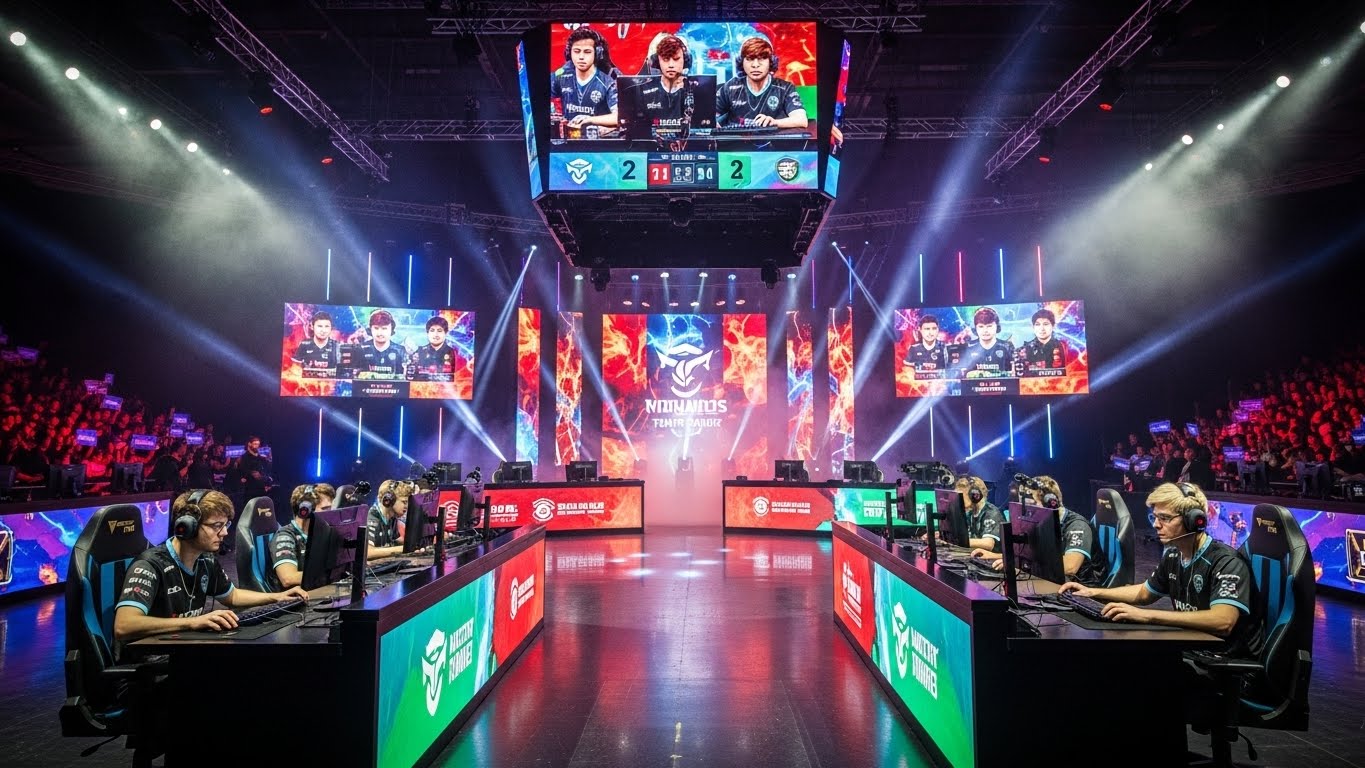
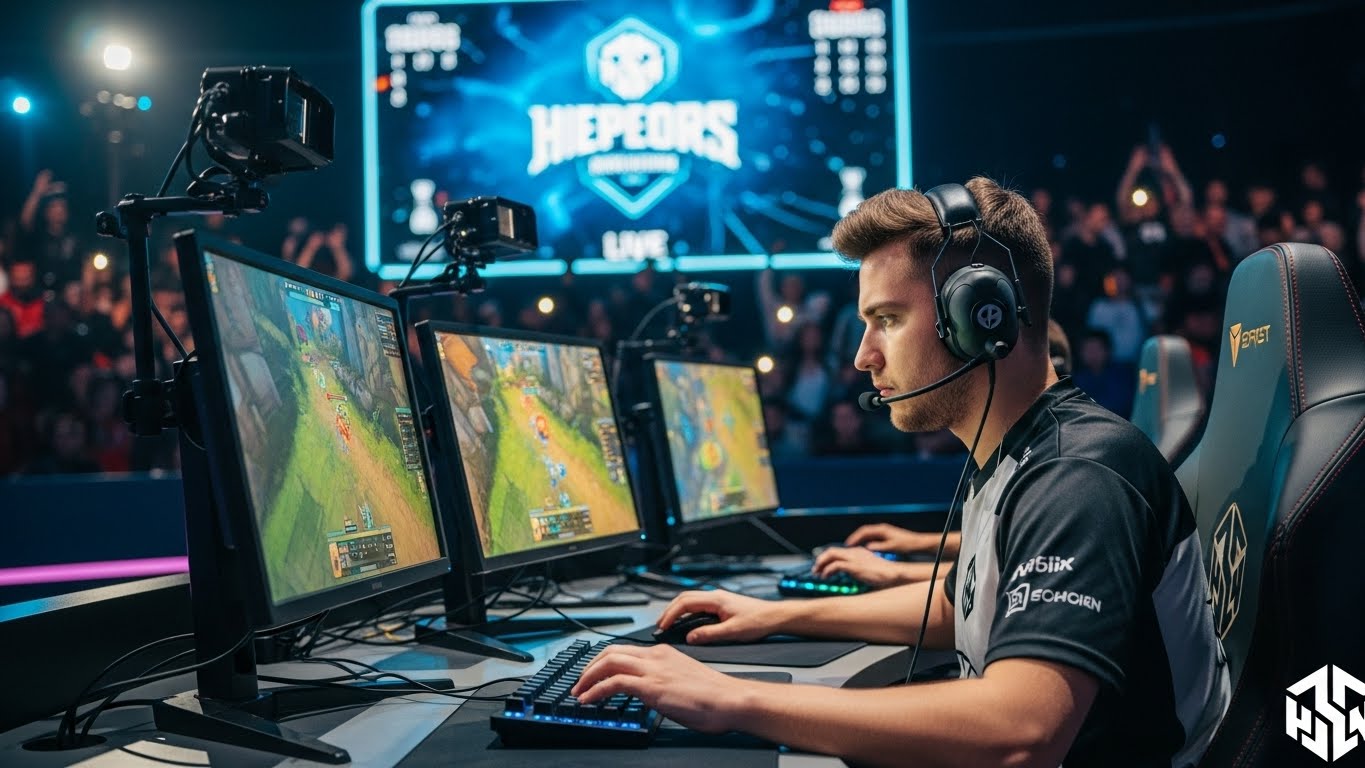
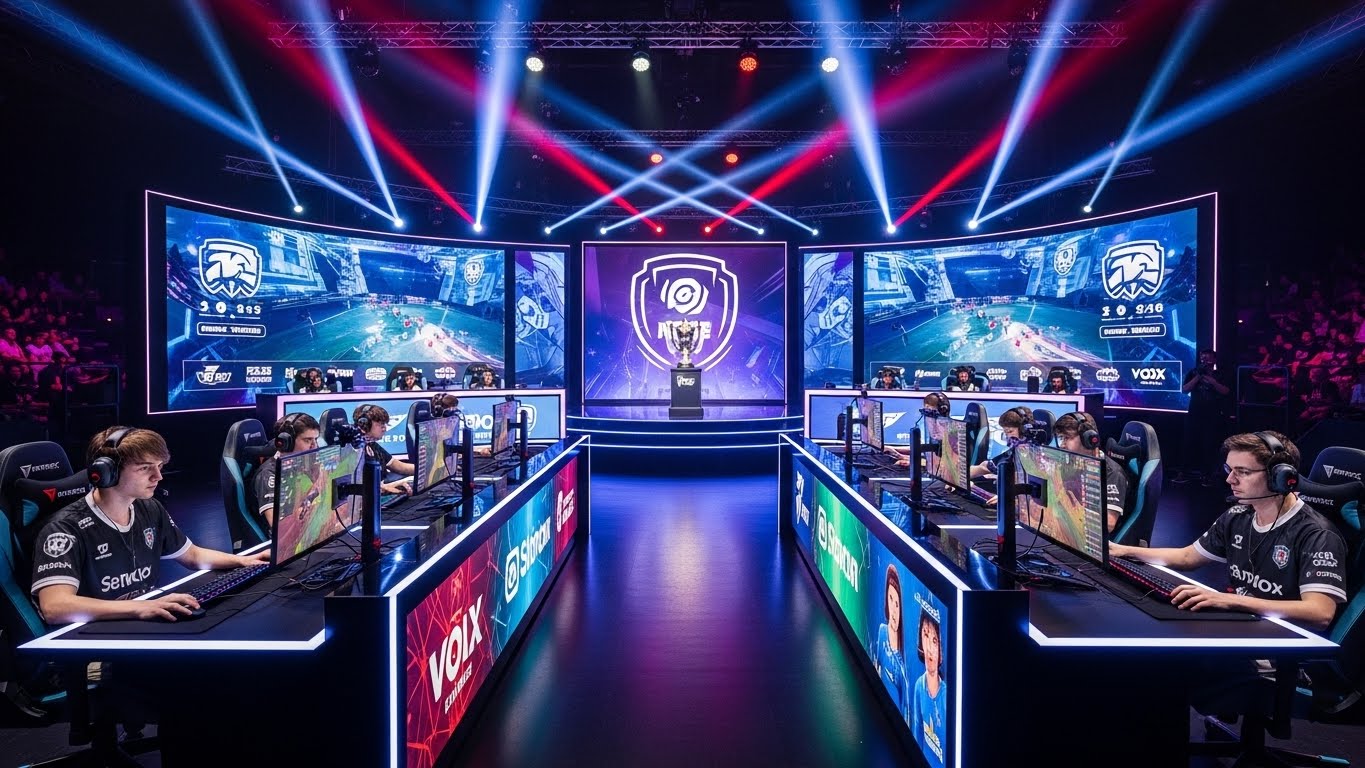
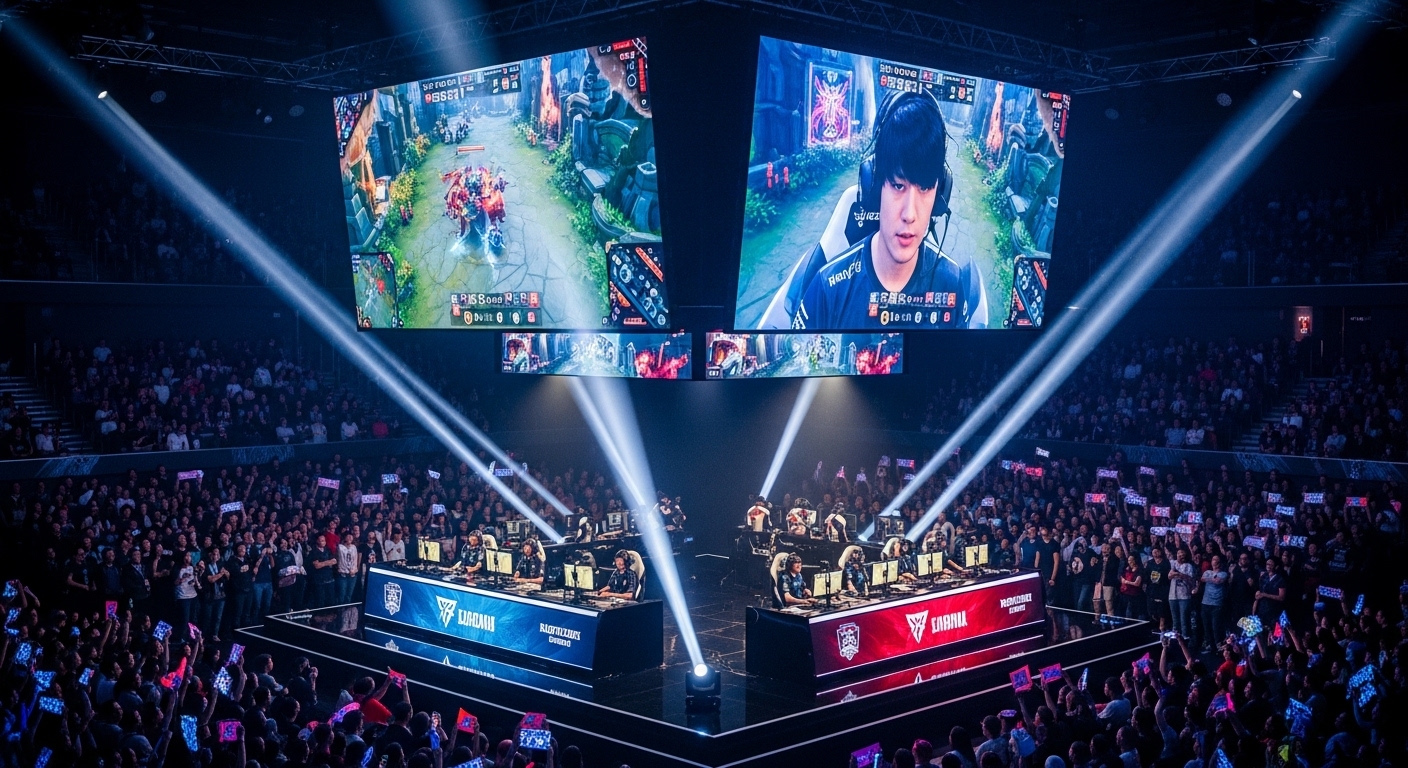
Fans too benefit from technology. Instant replays, online streaming, and virtual experiences bring them closer to the action. The rise of esports—competitive video gaming—has even created a new generation of athletes who compete in virtual arenas.
Technology also makes sports more inclusive. Adaptive equipment and AI-driven prosthetics allow differently-abled athletes to achieve new heights. This fusion of innovation and athleticism ensures that sports continue evolving with the modern world.
Sports and Mental Health Awareness
Mental health is a crucial aspect of sports that is now gaining global attention. Athletes are often seen as heroes, but they face immense pressure to perform. Anxiety, depression, and burnout are common challenges that many experience behind the scenes.
Prominent athletes speaking openly about their mental health struggles have changed public perception. Their honesty has encouraged awareness and empathy, showing that strength includes vulnerability. Sports organizations now prioritize psychological support, counseling, and mindfulness training.
This growing awareness proves that mental well-being is as vital as physical fitness. A healthy mind leads to better performance and a happier life.
The Role of Sports in Promoting Peace and Equality
Throughout history, sports have stood as symbols of peace and equality. Athletes of different races, religions, and backgrounds compete on equal terms, guided by fairness and respect. Sports have broken racial barriers and inspired movements for justice and unity.
Events like the Olympics promote global cooperation. Athletes carrying their national flags during ceremonies represent not rivalry, but shared pride and friendship. Even in times of tension, sports remind the world of what humanity can achieve through respect and compassion.
The Future of Sports
The future of sports is dynamic, inclusive, and global. As technology advances and societies evolve, new forms of sports will emerge. Virtual reality and artificial intelligence will reshape training and fan engagement. Esports will continue growing, attracting younger audiences.
Sustainability will also define the next era. Eco-friendly stadiums, renewable energy events, and recycling initiatives are becoming essential to preserve the environment. More inclusivity for women, differently-abled athletes, and underrepresented groups will further strengthen sports as a global movement.
Yet, amid all this innovation, the heart of sports will remain unchanged—the pursuit of excellence, the joy of play, and the celebration of the human spirit.
Conclusion
Sports are not just games; they are lessons in life. They teach perseverance, humility, and courage. They connect people, heal communities, and inspire generations. From the smallest village playground to the grandest world stage, the spirit of sports reminds us that success is not just about victory—it’s about growth, respect, and unity.
In every athlete’s journey, there is a story of dedication. In every fan’s cheer, there is a spark of hope. Sports bring out the best in humanity, reminding us that we are stronger together. As long as people continue to play, dream, and believe, the power of sports will keep shaping the world and uplifting the human spirit.