
Introduction: The Evolution of Esports
In the last few decades, the world of competitive gaming has undergone a monumental transformation. What began as a niche hobby for a select few has blossomed into a global industry, attracting millions of fans, professional players, and a growing list of corporate sponsors. Esports, or electronic sports, refers to competitive video gaming, where individuals or teams compete for glory, fame, and, often, large cash prizes. This rapidly growing sector now commands a level of attention and influence comparable to traditional sports.
The explosion of esports into the mainstream has been facilitated by advances in technology, the rise of online streaming platforms like Twitch and YouTube, and the cultural shift towards digital entertainment. In this post, we will explore the evolution of esports, from its humble beginnings to the thriving global industry we see today.
The Birth of Competitive Gaming
The roots of competitive gaming can be traced back to the early 1970s, when the first video games were created. In 1972, Stanford University held what is often regarded as the first-ever video game tournament for the game Spacewar. The event, known as the “Intergalactic Spacewar Olympics,” was a precursor to the concept of competitive gaming. However, it wasn’t until the 1990s that esports truly began to take shape.
The emergence of arcade gaming in the 1980s and 1990s provided a platform for players to face off against one another. Popular titles such as Street Fighter II, Mortal Kombat, and Pac-Man saw players competing for high scores and bragging rights. Yet, these early forms of competition were localized, often confined to arcades or home consoles.
The true birth of esports as we know it today came with the advent of the internet. The ability for players to compete against each other online opened up new possibilities for the future of competitive gaming. In the mid-1990s, games like Quake and StarCraft created the foundation for online multiplayer competitions. These games fostered the first esports communities, with players forming teams and competing in local tournaments.
The 2000s: The Foundation of Modern Esports
The 2000s were a defining period for esports, with the rise of online platforms and major tournaments. In 2000, Quake III Arena hosted one of the first major esports events, the Cyberathlete Professional League (CPL), which was one of the first attempts to professionalize competitive gaming. This period marked the beginning of the convergence between gaming, technology, and business. As online gaming grew in popularity, large-scale tournaments began to take shape.
By the mid-2000s, South Korea became the epicenter of competitive gaming. The country’s cultural embrace of esports was unparalleled, with major networks like OnGameNet and MBC Game broadcasting StarCraft competitions. The rise of the StarCraft series, particularly StarCraft: Brood War, solidified South Korea’s dominance in esports and laid the foundation for esports’ professionalization on a global scale.
The first World Cyber Games (WCG) was held in 2000, drawing participants from all over the world to compete in a range of titles. This event, held annually, continued to grow in stature, attracting sponsorships, media attention, and audiences that rivaled traditional sports events. The 2000s were a pivotal time when the esports ecosystem began to develop in earnest, with the formation of teams, tournaments, and an ever-growing fan base.
The Growth and Professionalization of Esports
As the 2010s rolled around, esports experienced a massive surge in both popularity and profitability. The rise of streaming platforms like Twitch (launched in 2011) and YouTube Gaming allowed players and fans to interact in real-time, watching tournaments and events as they unfolded. This democratization of content fueled the growth of esports, turning gaming into a mainstream form of entertainment.
Esports began to attract more corporate sponsors, advertisers, and investors. Major technology companies, such as Intel, Nvidia, and Razer, recognized the potential of esports and began sponsoring tournaments and events. Traditional sports organizations, like the NBA and NFL, also began to take notice. For instance, the NBA invested in esports by launching the NBA 2K League, a professional esports league based on the popular NBA 2K video game series.
The rise of esports tournaments also led to the formation of prominent leagues, such as League of Legends (LoL) and Dota 2, both of which have been instrumental in shaping the competitive gaming scene. The League of Legends World Championship, for instance, boasts millions of viewers each year, rivaling traditional sporting events like the Super Bowl in terms of viewership. Esports tournaments started offering multi-million dollar prize pools, attracting top-tier talent and further legitimizing esports as a professional career.
Esports and Its Global Reach
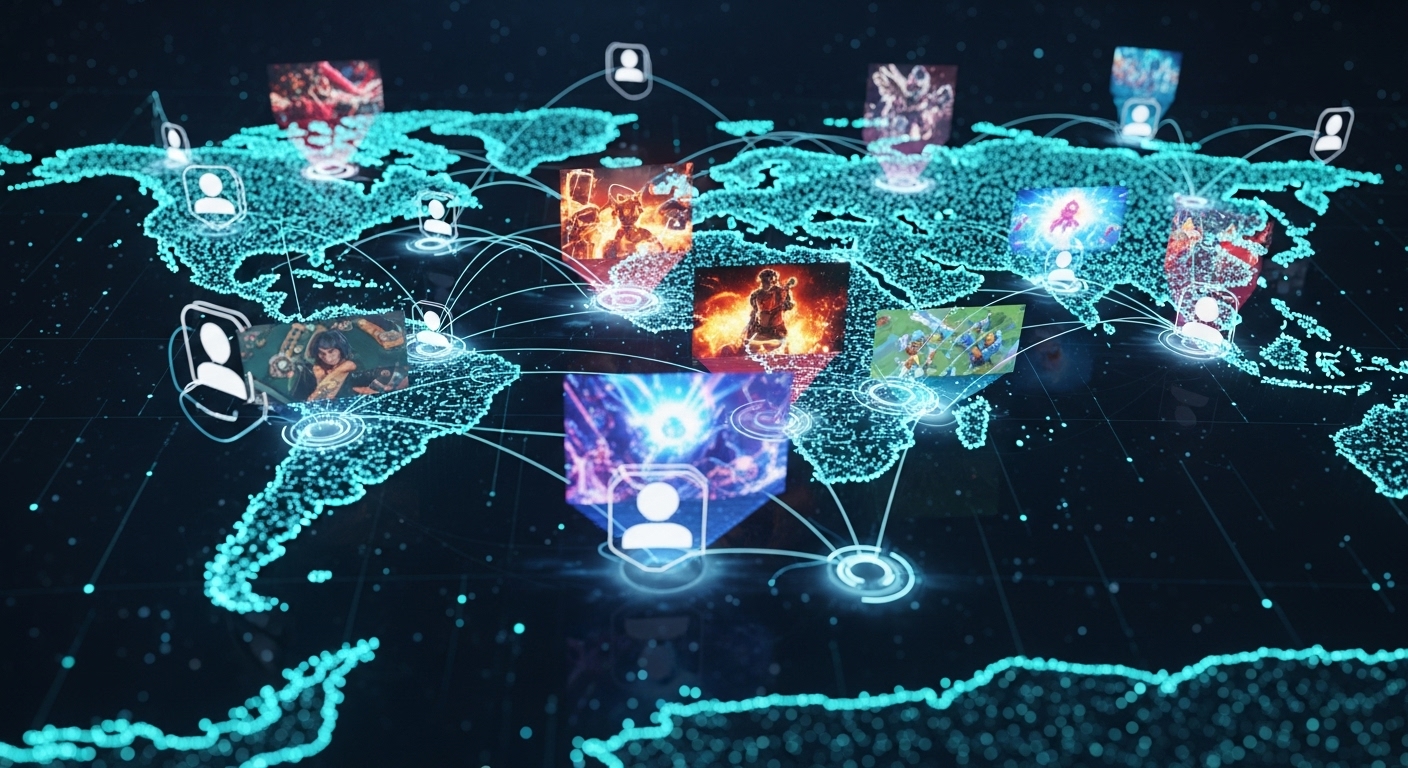
What makes esports unique is its ability to unite players from all corners of the globe, irrespective of geography, language, or culture. The global nature of competitive gaming has led to the formation of cross-cultural teams and international tournaments that showcase the best players from every region.
In the Asia-Pacific region, countries like South Korea, China, and Japan have become esports powerhouses. The Korean League of Legends scene is particularly strong, with Korean teams regularly dominating international tournaments. China’s Dota 2 scene also commands significant attention, with teams like Invictus Gaming and Team Aster consistently competing at the highest level.
Europe and North America have also contributed to esports’ global growth. The United States, in particular, has become a major player in the esports industry, with games like Call of Duty, Fortnite, and Valorant taking center stage in the region. Meanwhile, European teams and players have earned a reputation for their skill and consistency in games like Counter-Strike: Global Offensive and Rainbow Six Siege.
Esports’ growing international reach has been further reinforced by global esports organizations, such as the Esports Entertainment Group and Overwatch League, which feature teams from cities all over the world. This global structure has made esports a true international spectacle, with fans from various countries and cultures coming together to celebrate the sport.
The Esports Ecosystem: Players, Teams, and Tournaments
One of the key factors behind the growth of esports is its dynamic ecosystem, which includes players, teams, tournament organizers, and broadcasters. These components work in tandem to create a thriving competitive scene.
- Players: Professional esports players are at the heart of the industry. These individuals spend countless hours honing their skills, practicing with their teams, and competing in tournaments. The best players in the world have earned a level of celebrity comparable to that of athletes in traditional sports. They have massive followings on social media platforms and streaming sites, where they connect with fans and grow their personal brands. Many players are able to make a full-time career out of esports, thanks to sponsorships, prize money, and streaming income.
- Teams: Just like in traditional sports, esports teams consist of a group of players who train, compete, and represent a particular brand. The top esports organizations, such as Cloud9, Team Liquid, and Fnatic, have become household names in the gaming world. These teams sign sponsorships with major companies, have merchandise sales, and participate in high-profile tournaments around the world. Team dynamics are crucial in games that require coordination and strategy, such as League of Legends and Overwatch. Teams often work with coaches, analysts, and managers to ensure their success in major competitions.
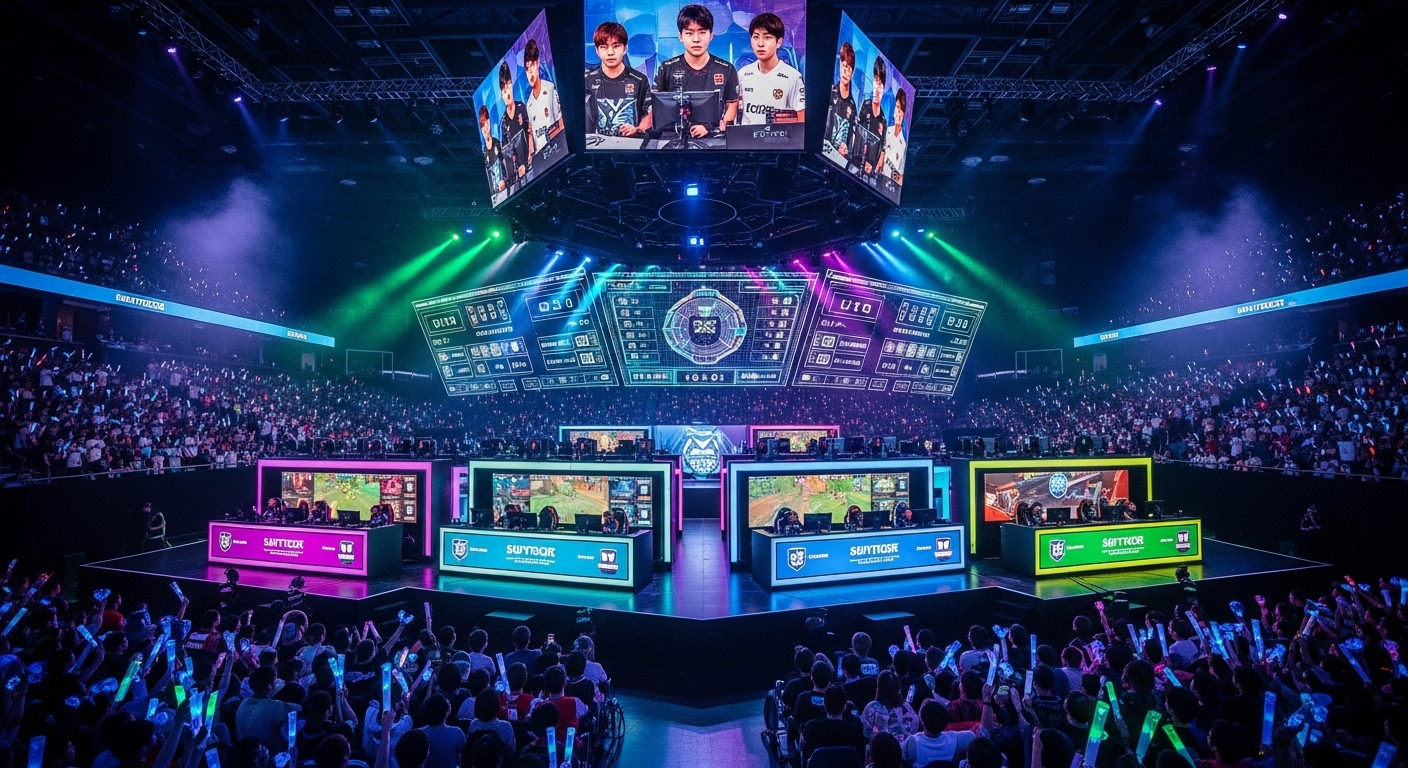
- Tournaments: Esports tournaments are where the magic happens. These events can range from small-scale online competitions to massive live events in stadiums, featuring millions of dollars in prize money. Notable tournaments such as The International (Dota 2), League of Legends World Championship, and CS:GO Major Championships draw huge crowds, both in-person and online. Tournament organizers like ESL, DreamHack, and Riot Games play a significant role in curating and producing these events, which have become showcases for the best players and teams in the world.
The Impact of Streaming and Media in Esports
The rise of streaming platforms like Twitch, YouTube Gaming, and Facebook Gaming has played a transformative role in the growth of esports. These platforms have allowed players to broadcast their gameplay to a global audience in real-time, creating new opportunities for fans to interact with their favorite players and teams.
Streaming has also given rise to a new breed of content creators, who make a living by streaming their gameplay, producing YouTube videos, and creating educational content. These content creators often become influencers in the esports world, with large followings that rival those of traditional celebrities.
Esports broadcasts are also widely accessible, with platforms like Twitch offering 24/7 coverage of tournaments and events. Many tournaments are now streamed live on multiple platforms, providing fans with the opportunity to watch their favorite games, interact with fellow viewers, and even cheer on their favorite teams. These broadcasts often feature expert commentary, analysis, and behind-the-scenes coverage, making esports viewing a fully immersive experience.
The Future of Esports: Challenges and Opportunities
While esports has grown exponentially, there are still challenges to overcome. Issues such as player burnout, mental health concerns, and the need for sustainable career paths are areas that need attention. As esports continues to evolve, it will be essential to ensure that players are provided with the support and resources they need to succeed both in and out of the game.
On the other hand, the opportunities for esports are vast. As technology continues to advance, we may see the rise of virtual reality (VR) and augmented reality (AR) esports, offering even more immersive and interactive experiences for both players and fans. Additionally, the potential for esports to become part of the Olympic Games or other major sporting events presents exciting new frontiers for the industry.
Conclusion: Esports as the Future of Entertainment
Esports has become much more than just a hobby for a select few; it has evolved into a global industry with billions of dollars at stake. From its humble beginnings in arcades to its current status as a multi-billion-dollar industry, esports has captured the imagination of millions around the world. As technology continues to evolve, the future of esports looks brighter than ever, with new opportunities on the horizon for players, teams, fans, and sponsors alike.
In many ways, esports has ushered in a new era of entertainment—one that is defined by its global reach, technological innovation, and community-driven culture. The esports phenomenon is here to stay, and its growth shows no signs of slowing down anytime soon. As the world continues to embrace digital entertainment, esports will undoubtedly play an increasingly significant role in shaping the future of entertainment.