The Rise of Esports in the Modern World
Over the past two decades, esports has transformed from a small subculture into one of the fastest-growing industries on the planet. What began as a few passionate gamers gathering in local arcades or LAN parties has evolved into a global phenomenon with millions of viewers, professional athletes, and massive prize pools. Esports represents the perfect blend of technology, entertainment, and competition, reshaping how people perceive gaming and sports altogether. Today, esports is not merely about playing video games; it has become a professional field that involves strategy, teamwork, and immense skill.
Understanding What Esports Really Means
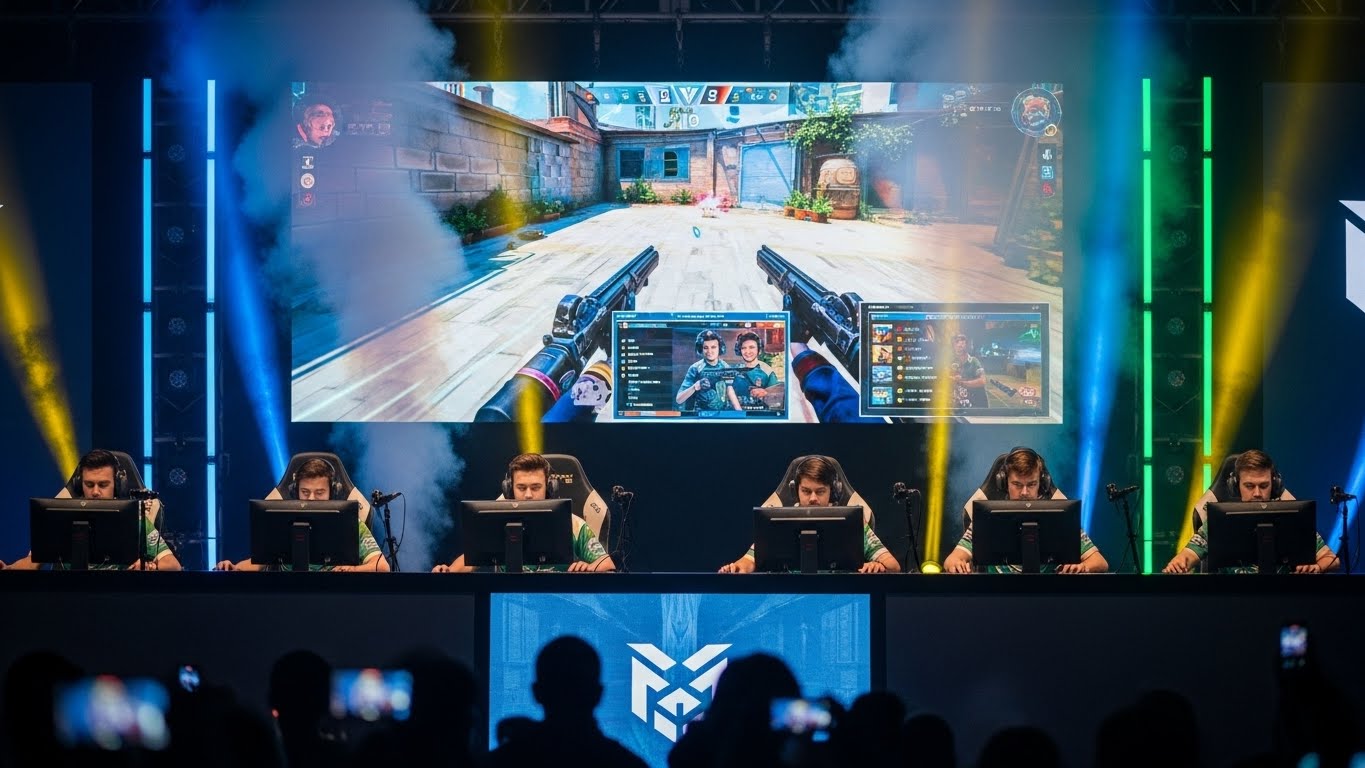
Esports, short for electronic sports, refers to organized competitive gaming where individuals or teams compete against each other in various video game titles. These competitions can range from real-time strategy games to first-person shooters, battle royales, sports simulations, and multiplayer online battle arenas. Unlike casual gaming, esports demands discipline, training, and a high level of precision. Professional players dedicate hours daily to improving their reflexes, communication, and tactical awareness. The structure of esports tournaments resembles that of traditional sports, complete with leagues, playoffs, and championship events.
The Evolution from Arcade Halls to Global Stadiums
The early days of competitive gaming date back to the 1970s and 1980s, when players competed for high scores on arcade machines. The scene gained more attention in the 1990s with the rise of multiplayer PC games like Doom and StarCraft. However, the true revolution began in the 2000s, when broadband internet made online gaming accessible to the masses. Suddenly, gamers could challenge opponents worldwide from their own homes. Streaming platforms and live broadcasting turned local competitions into global events, allowing millions to watch their favorite teams and players compete in real time.
The Business Behind the Screen
Esports has become a multi-billion-dollar industry powered by sponsorships, advertising, merchandise, and ticket sales. Major corporations and investors have recognized the potential of this digital frontier, pouring money into teams, leagues, and streaming platforms. Professional esports organizations function similarly to traditional sports franchises, employing managers, coaches, analysts, and content creators. Brands from technology to fashion and even automobile sectors have partnered with esports to reach younger, tech-savvy audiences. As a result, esports has blurred the line between gaming and mainstream entertainment, offering new opportunities for both creators and consumers.
Esports Athletes: The New Age Professionals
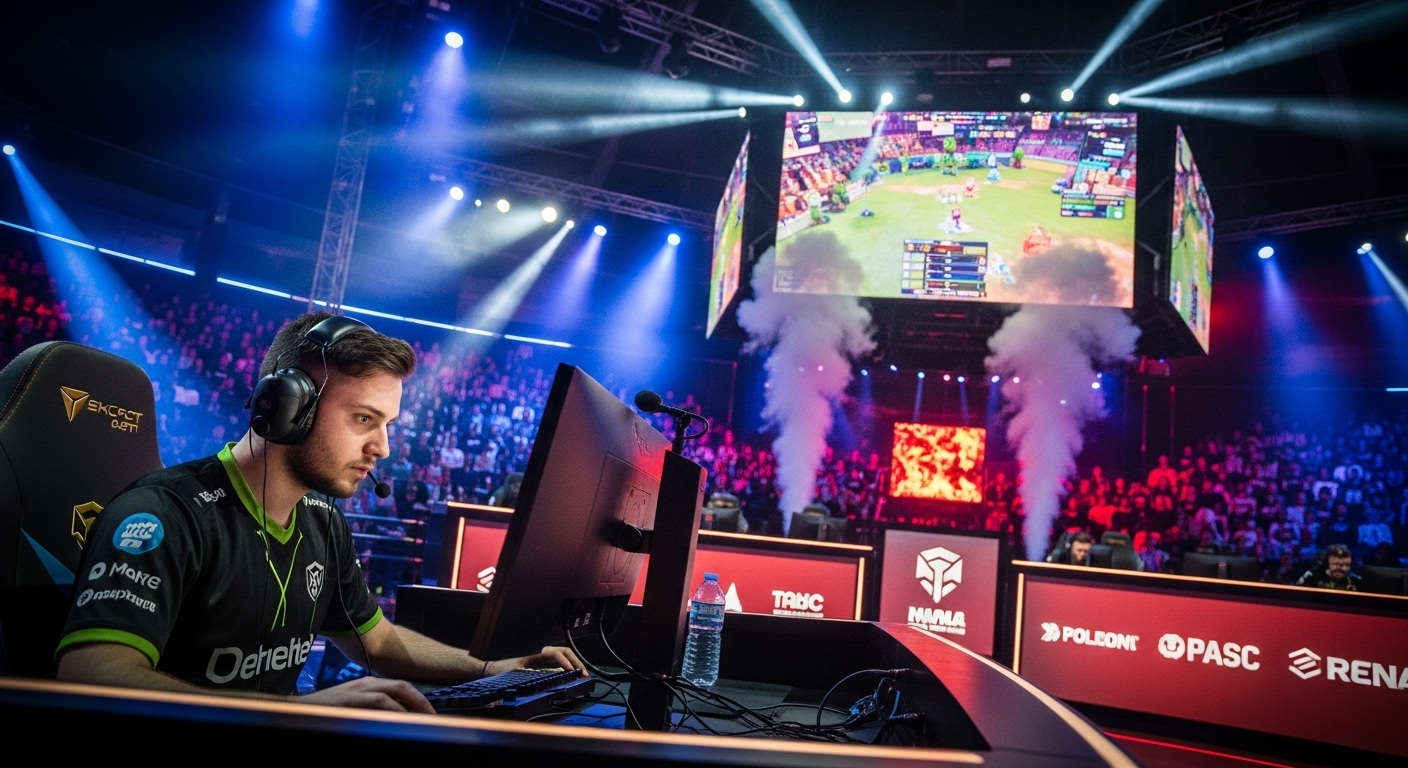
Contrary to old stereotypes about gamers being lazy or unproductive, professional esports players are among the most disciplined and hardworking athletes today. Their training routines can rival those of traditional sports professionals. Hours of daily practice are essential to mastering game mechanics and perfecting strategies. Players also focus on physical and mental health through exercise, diet, and mindfulness techniques. Reaction time, hand-eye coordination, and communication are all vital to success. Many players start young, often entering the scene in their teenage years and competing internationally by their early twenties.
The Role of Technology in Shaping Esports
Technology is the beating heart of esports. From powerful gaming PCs and high-speed internet connections to virtual reality and artificial intelligence, advancements in tech continue to redefine how esports is played and experienced. Game developers constantly update titles to ensure balanced competition, while streaming technology allows for smooth and engaging broadcasts. Virtual arenas and augmented reality overlays enhance live viewing experiences, making spectators feel part of the action. Furthermore, the integration of analytics and data-driven insights has given coaches and teams tools to study opponents and optimize performance just like in traditional sports.
Popular Esports Titles That Dominate the Scene
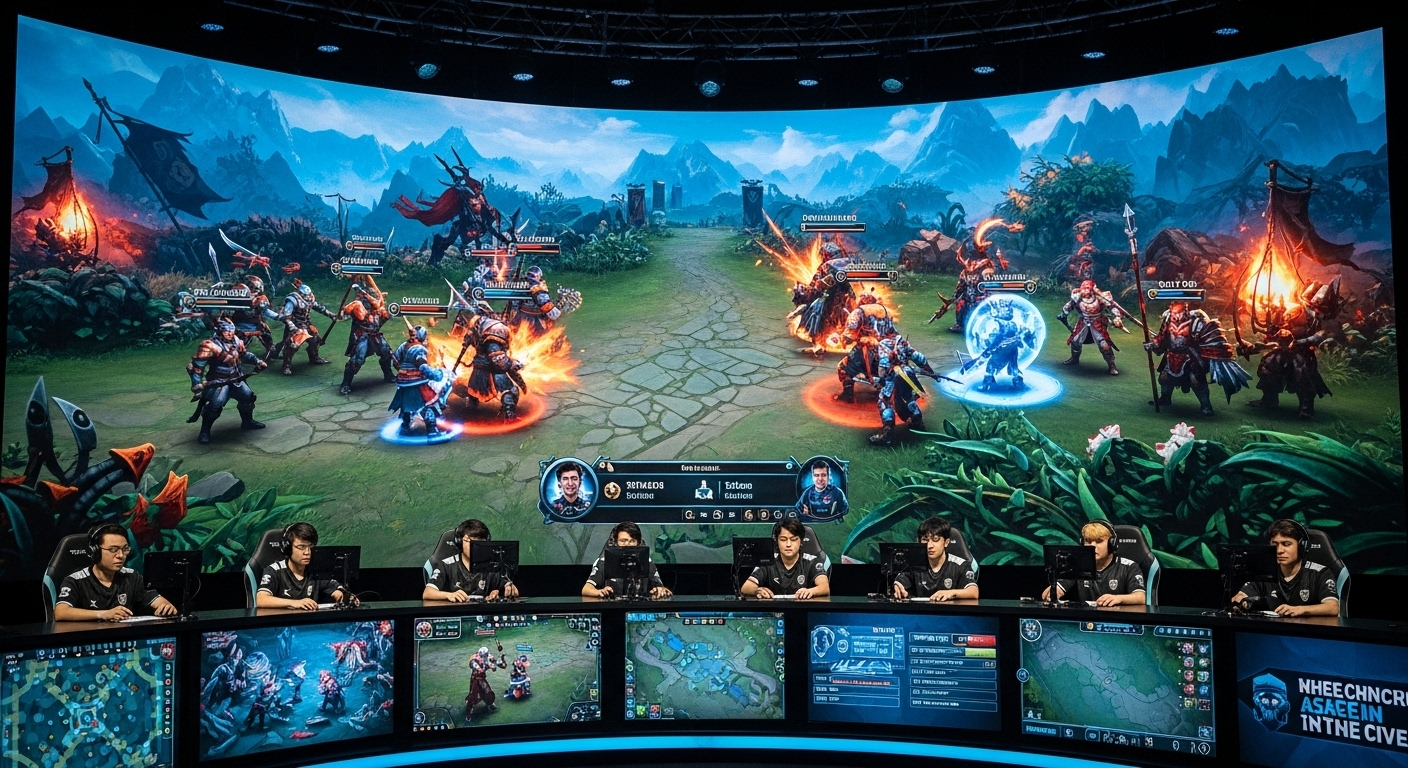
Several game titles have become synonymous with the esports revolution. Multiplayer online battle arenas like League of Legends and Dota 2 have captivated millions with their strategic depth and team-based gameplay. First-person shooters such as Counter-Strike and Valorant emphasize precision and coordination. Battle royale games like Fortnite and PUBG introduced a new level of excitement with unpredictable survival-based matches. Sports simulations like FIFA and NBA 2K bring traditional sports fans into the esports ecosystem. Each title has its own fan base, culture, and community, contributing to the diversity of the global esports landscape.
The Esports Fan Experience
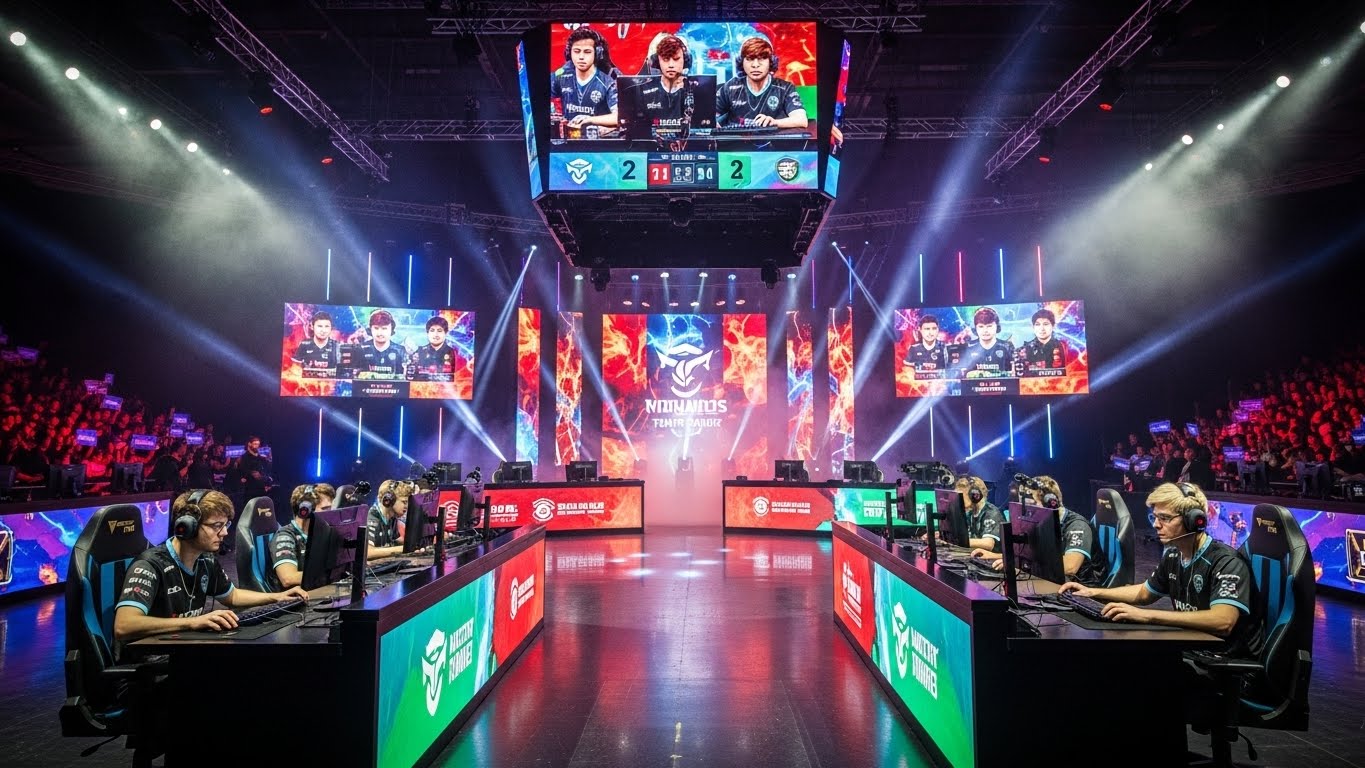
Esports fans are not merely spectators; they are participants in a vibrant digital culture. Fans engage through social media, live chat during streams, and community forums. They follow their favorite teams and players, create fan art, and even participate in amateur tournaments inspired by professional competitions. The sense of belonging and shared enthusiasm has made esports events more than just games—they are cultural celebrations. Massive tournaments fill entire arenas with cheering fans, while millions more tune in online. The emotional energy, competitive thrill, and shared passion make esports a unique form of entertainment unlike any other.
The Educational and Career Opportunities in Esports
As esports continues to grow, new educational and career opportunities have emerged. Universities and colleges now offer scholarships and degree programs in esports management, game design, and digital marketing. Students can learn about event organization, broadcasting, and team management, preparing them for diverse roles within the industry. Beyond professional gaming, careers in coaching, commentary, journalism, and production are thriving. The esports ecosystem also supports creative fields such as graphic design, content creation, and video editing. This expansion has transformed esports into a legitimate career path rather than just a hobby.
Challenges and Controversies in the Esports World
Despite its remarkable growth, the esports industry faces its share of challenges. Player burnout, unequal pay, and lack of regulations are ongoing concerns. The industry’s rapid expansion has sometimes outpaced its infrastructure, leading to inconsistent tournament standards and contractual disputes. Moreover, maintaining fair play and preventing cheating remain crucial issues in online environments. Toxic behavior and harassment within gaming communities have also sparked debates about ethics and inclusivity. Addressing these challenges requires collaboration between organizations, developers, and the community to ensure a sustainable and respectful competitive environment.
The Social Impact of Esports
Esports has done more than entertain; it has reshaped social connections and cultural perceptions. It has provided platforms for people of diverse backgrounds to collaborate, compete, and express themselves creatively. For many young individuals, gaming has become a source of identity and belonging. Esports has also proven its potential for charity and positive influence, with tournaments raising funds for global causes. Moreover, during global crises, online competitions have offered a sense of continuity and unity when physical events were limited. Through inclusivity and innovation, esports is helping redefine what it means to be part of a global community.
The Role of Streaming and Content Creation
Streaming platforms have been instrumental in the rise of esports. They have given players, commentators, and fans the ability to share experiences instantly with global audiences. Streamers build communities around their personalities, teaching strategies, sharing highlights, and entertaining viewers. This interactivity has blurred the line between professional esports and casual gaming culture. The accessibility of streaming has also created new pathways for aspiring players to showcase their talent and attract sponsorships. For brands, this ecosystem provides a direct connection with highly engaged audiences, further driving the growth of the industry.
Esports and the Future of Traditional Sports
Interestingly, traditional sports organizations have begun to embrace esports rather than compete against it. Many football clubs, basketball teams, and racing leagues now have their own esports divisions. This collaboration bridges generations, combining physical athleticism with digital strategy. Esports tournaments are also increasingly featured in mainstream sporting events, symbolizing a new era of hybrid entertainment. The boundary between digital and physical sports continues to blur, and future athletes may find themselves competing both on fields and in virtual arenas.
The Future of Esports: What Lies Ahead
The future of esports looks brighter than ever. As technology continues to evolve, immersive experiences through virtual and augmented reality could revolutionize competitive gaming. The introduction of 5G networks and advanced streaming technologies will make global participation even more seamless. Educational systems will likely integrate esports into curricula, recognizing its value in teamwork, problem-solving, and digital literacy. Governments may implement better regulations to protect players and ensure fair competition. Ultimately, esports will continue to influence global entertainment, education, and even business innovation.
Conclusion: The Power of Play in a Digital World
Esports has proven that gaming is not merely a pastime but a powerful form of expression and competition. It unites people across borders, languages, and cultures, creating a shared stage for creativity and skill. The rise of esports reflects the human desire to compete, connect, and innovate in a digital age. As the boundaries between virtual and real worlds continue to blur, esports stands as a testament to how technology and passion can shape the future of entertainment. The digital arena is here to stay, and its influence will only continue to expand in the years ahead.