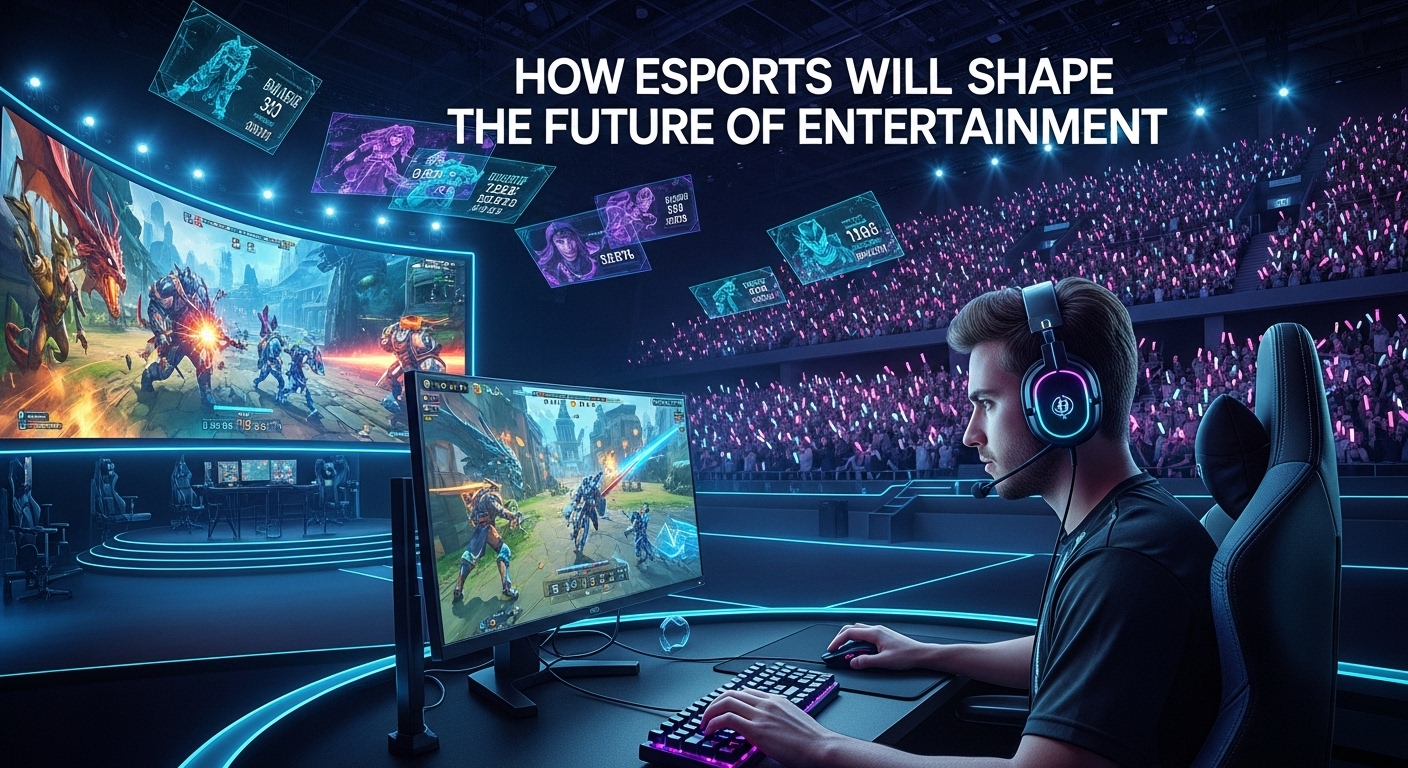
Esports, or competitive video gaming, has evolved from a niche pastime into a worldwide phenomenon. Over the last two decades, the esports industry has grown exponentially, attracting millions of players and fans across the globe. This growth has transformed esports from casual gaming competitions into a professional, highly organized sport with sponsorships, broadcasting rights, and major tournaments rivaling traditional sports. The rise of esports reflects broader changes in technology, media consumption, and the cultural perception of gaming.
The Origins of Competitive Gaming
Competitive gaming can trace its roots back to the early 1970s. One of the first recorded video game competitions was the 1972 Spacewar tournament at Stanford University. Though small in scale, it planted the seed for competitive gaming. In the 1980s, arcade competitions became popular, and games like Pac-Man, Donkey Kong, and Street Fighter II gained cult followings. These events were often local or regional, with winners receiving modest prizes, but they created a foundation for organized competition.
The 1990s marked a pivotal era for esports with the rise of PC gaming and online multiplayer games. Titles like Doom, Quake, and StarCraft introduced competitive gameplay on a scale that could reach far beyond local arcades. South Korea, in particular, played a crucial role in developing professional gaming culture during this period. Internet cafes, or “PC bangs,” became the epicenter for competitive gaming, and professional StarCraft leagues emerged, complete with sponsorships, coaching, and televised broadcasts.
The Golden Age of Esports in the 2000s
The early 2000s witnessed the consolidation of esports into organized tournaments and professional leagues. Games like Counter-Strike, Warcraft III, and DotA became the foundation of modern competitive gaming. International tournaments began to draw attention from sponsors, media outlets, and large audiences. Events like the World Cyber Games and the Electronic Sports World Cup highlighted the potential of esports as a global spectator activity.
One of the defining characteristics of this era was the role of online streaming platforms and gaming communities. Websites and forums allowed players to share strategies, organize competitions, and build fan communities. This period also saw the rise of esports personalities—players who became celebrities in their own right, attracting followers and sponsorship deals.
The Explosion of Esports in the 2010s
The 2010s marked the decade where esports exploded into mainstream consciousness. Streaming platforms such as Twitch and YouTube Gaming revolutionized how fans consumed esports content. Fans could watch live tournaments, follow their favorite teams, and engage directly with players in real time. This accessibility contributed to the exponential growth of esports audiences.
Titles like League of Legends, Dota 2, Overwatch, and Fortnite became flagship games for professional competition. Large-scale tournaments offered multi-million-dollar prize pools, attracting elite players and creating full-time esports careers. For instance, the Dota 2 International tournament became a cultural milestone, not only for its record-breaking prize pools but also for the global attention it drew. These tournaments demonstrated that esports could rival, and in some cases surpass, traditional sports in terms of viewership and fan engagement.
The Role of Technology in Esports Growth
Technological advancements have been a driving force behind the growth of esports. High-speed internet, improved gaming hardware, and sophisticated broadcasting software have made online competitions accessible to millions of players worldwide. Mobile gaming has also contributed significantly to the industry’s growth, especially in regions like Southeast Asia, where games like Mobile Legends and PUBG Mobile have become highly competitive.
The integration of augmented reality, virtual reality, and AI-driven analytics is also reshaping esports. Teams now employ performance tracking and statistical analysis to gain competitive advantages, mirroring strategies used in traditional sports. This level of professionalism has further legitimized esports as a serious competitive activity.
Esports as a Career
Esports has transformed gaming from a hobby into a viable career path. Professional players earn salaries from teams, sponsorships, streaming, and tournament winnings. Coaches, analysts, shoutcasters, and content creators have also become integral parts of the ecosystem. Universities and high schools have begun offering esports scholarships, recognizing competitive gaming as a legitimate skill that combines strategic thinking, teamwork, and technical proficiency.
However, esports careers come with challenges. The intense competition, long hours of practice, and pressure to perform can lead to burnout. Many players face uncertainty regarding the longevity of their careers. Despite these challenges, the increasing infrastructure and support within the esports industry suggest that professional gaming will continue to grow as a career option.
Cultural Impact of Esports
Esports has significantly influenced global culture, particularly among younger generations. It has shifted perceptions of gaming, challenging the stereotype that video games are merely a recreational pastime. Esports has inspired fan communities, cosplay, merchandise, and even themed events similar to traditional sports. Major tournaments are now broadcast on television and streamed to millions worldwide, creating shared cultural moments.
Esports has also fostered inclusivity, offering a platform for individuals from diverse backgrounds to compete and connect. While traditional sports may be limited by physical constraints, esports allows a wider range of participants to excel based on skill, strategy, and teamwork.
Economic Impact and Industry Growth
The economic impact of esports cannot be overstated. The industry generates revenue from sponsorships, advertising, merchandise, ticket sales, and media rights. Major brands outside the gaming world, including technology companies, beverage brands, and apparel companies, have invested heavily in esports sponsorships, recognizing the marketing potential among younger demographics.
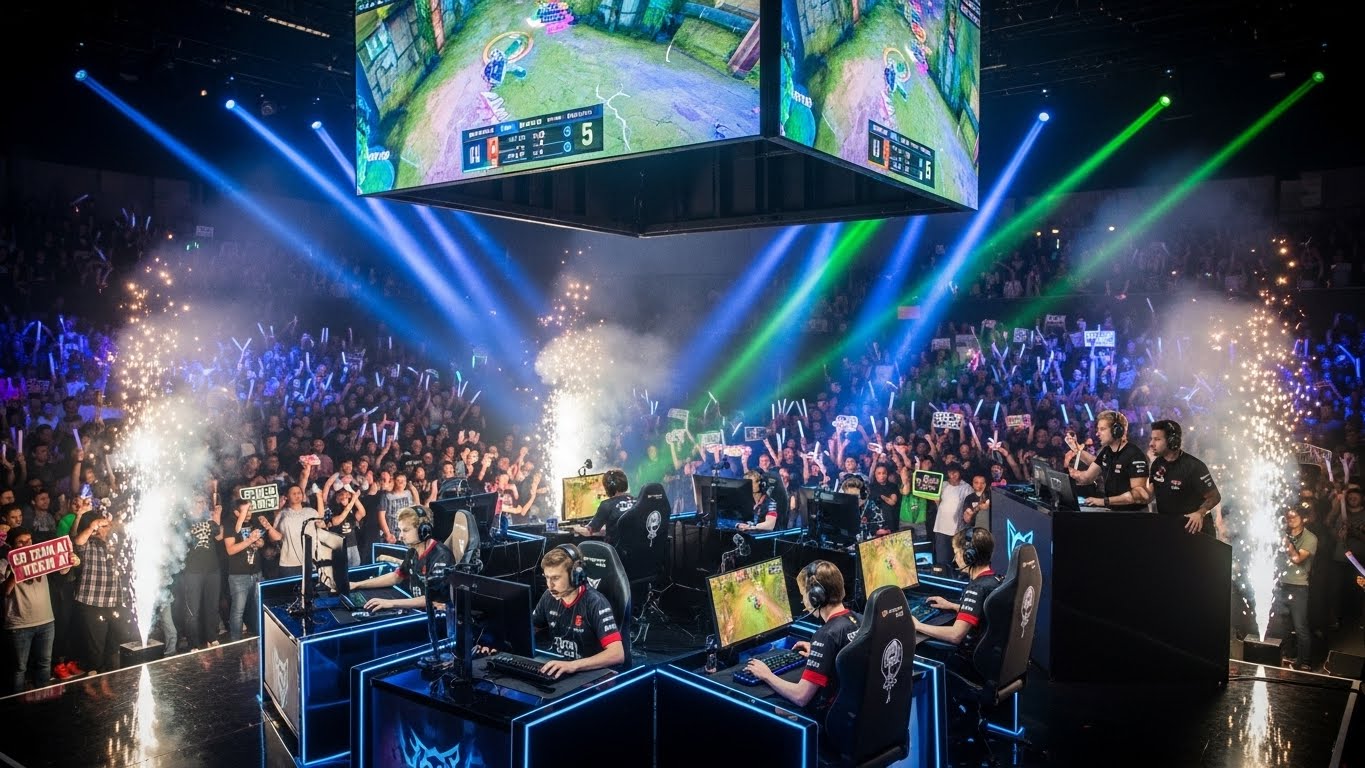
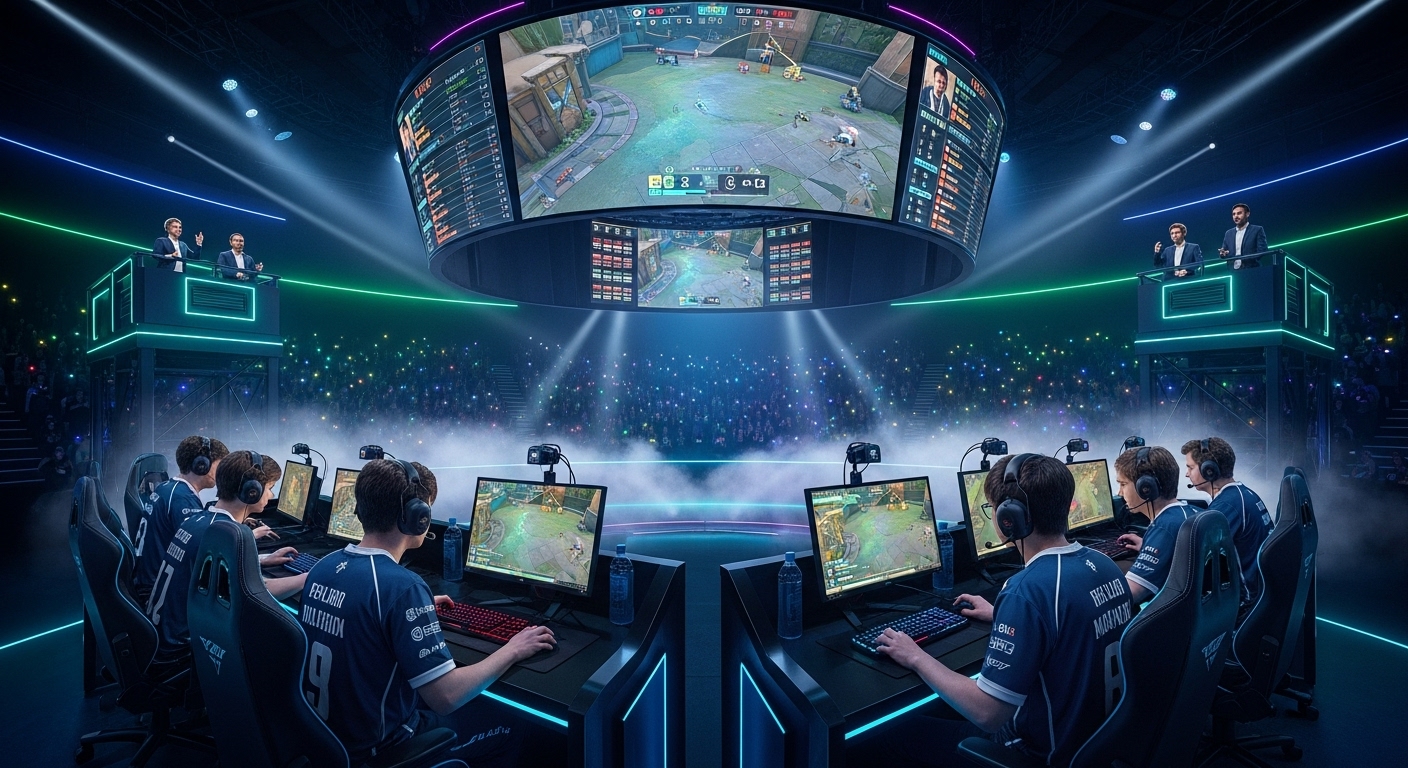
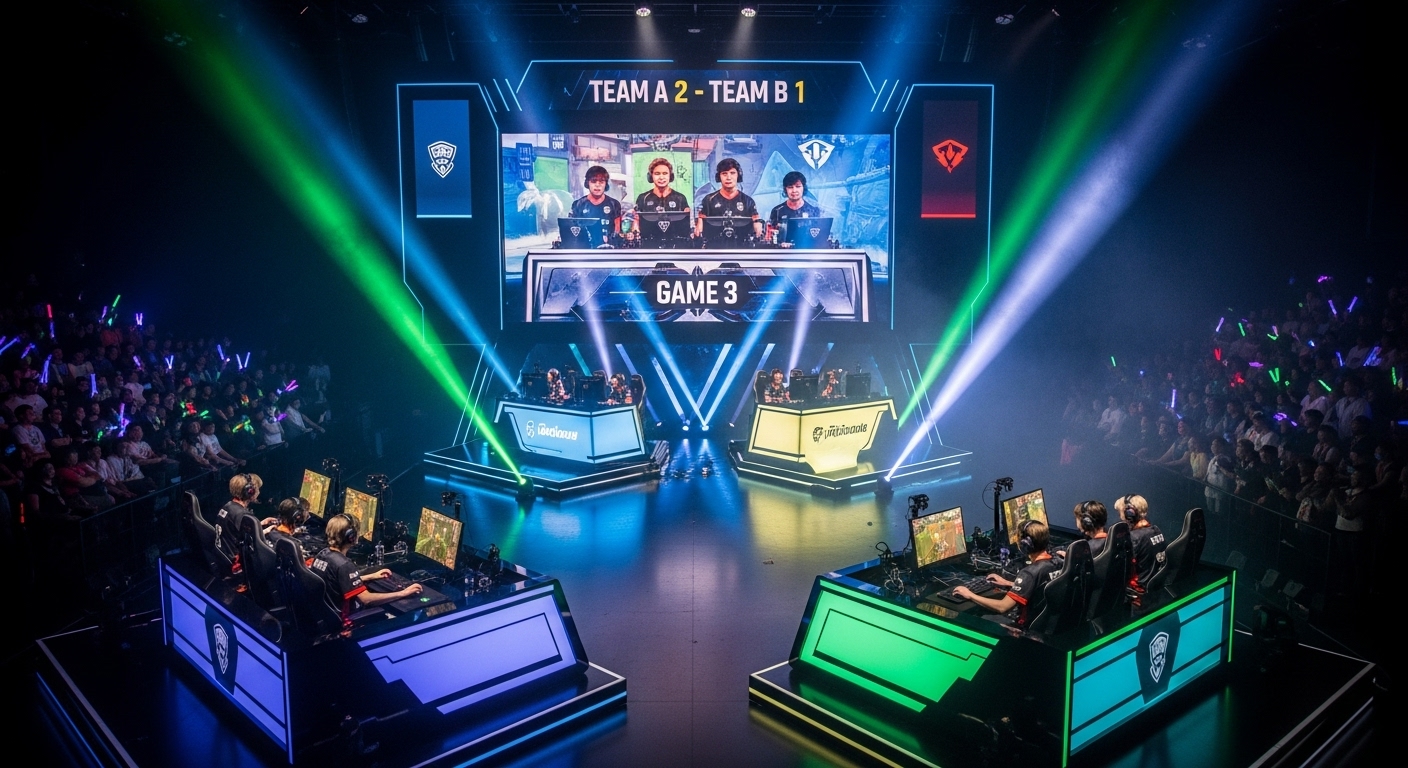
Esports tournaments now fill arenas with tens of thousands of spectators, with online viewership in the millions. This commercial success has fueled the growth of esports organizations, professional teams, and ancillary industries such as streaming technology, gaming peripherals, and event management.
Challenges Facing Esports
Despite its rapid growth, esports faces several challenges. One major issue is the lack of standardized regulation and governance across the industry. Unlike traditional sports, esports lacks a universally recognized governing body, which can lead to disputes over player contracts, cheating, and tournament rules.
Health and wellness are also concerns. Professional players often endure long practice hours, leading to physical strain, repetitive stress injuries, and mental health challenges. Balancing training, competition, and personal well-being remains an ongoing challenge for players and organizations.
Additionally, esports must address inclusivity and diversity. While progress has been made, female players and underrepresented groups often face barriers to participation and recognition. Creating a more equitable and welcoming environment will be crucial for the sustainable growth of the industry.
The Future of Esports
The future of esports looks promising. Advances in technology, growing global audiences, and increasing mainstream acceptance indicate that esports will continue to thrive. Virtual reality and cloud gaming may further revolutionize how games are played and viewed, creating more immersive experiences for players and fans alike.
Esports may also see greater integration with traditional sports, including collaborations with leagues, broadcasters, and sponsors. Universities and schools will likely continue to expand esports programs, fostering new talent and supporting the next generation of professional gamers.
As esports evolves, it will increasingly influence culture, technology, and entertainment. Its journey from small arcade competitions to global stadium events demonstrates the power of digital innovation, community building, and human creativity. Esports has not only redefined what it means to be a competitive athlete but also expanded the very definition of sport itself.
Conclusion
Esports has come a long way since the first Spacewar tournament in 1972. What started as a niche hobby has transformed into a global industry with millions of players, fans, and professionals. Its rise is a testament to technological innovation, cultural evolution, and the human drive for competition. As esports continues to grow, it will redefine sports, entertainment, and career opportunities for generations to come.
The evolution of esports illustrates the broader trend of digital transformation in society. Gaming is no longer just a pastime—it is a professional pursuit, a cultural phenomenon, and an economic powerhouse. With continued innovation, inclusivity, and professionalization, esports is poised to maintain its position as one of the most exciting and influential industries of the 21st century.