Introduction
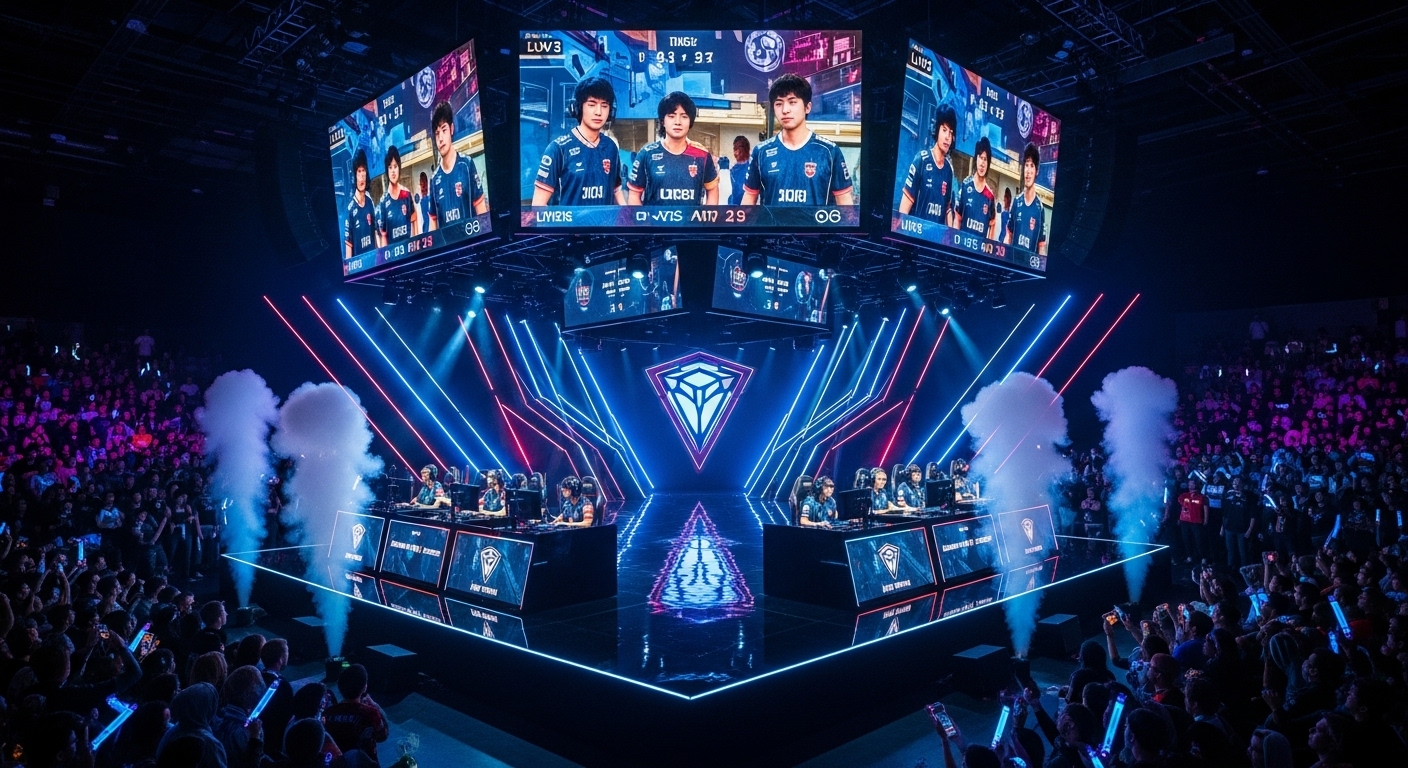
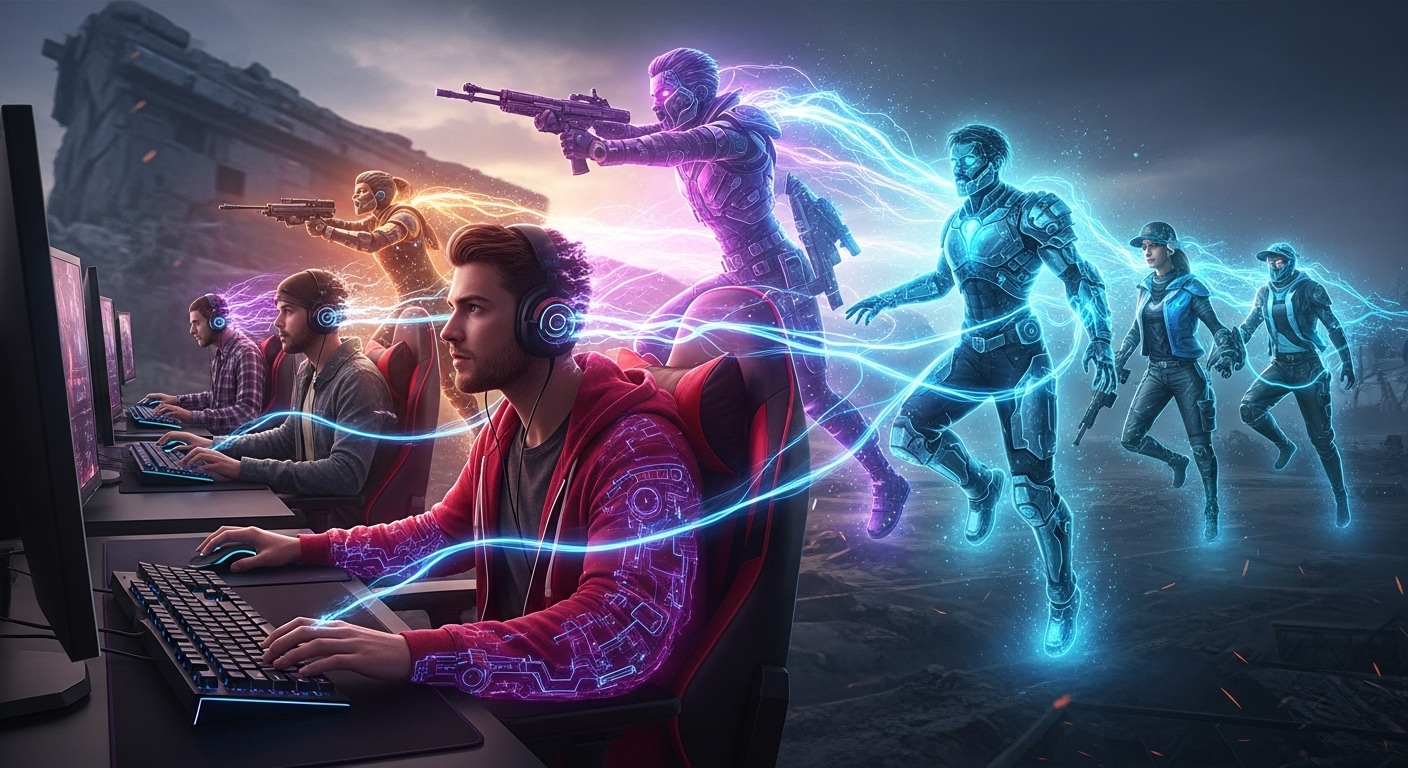
Not long ago, competitive gaming was something people did quietly in internet cafés, arcades, or on their living room couches. Fast forward to today, and Esports has become a billion-dollar global industry filling entire stadiums, drawing millions of online viewers, and producing professional athletes who sign contracts, travel internationally, and train as hard as any traditional sports team. The journey from niche hobby to mainstream entertainment phenomenon is one of the most fascinating cultural shifts of the 21st century.
This blog dives deep into how Esports came to be, why it continues to grow, and what its future might look like. We’ll explore the players, the business, the technology, and the cultural movement that transformed gaming into a legitimate global sport.
The Early Days of Competitive Gaming
Before the term “Esports” even existed, competition in video games was already happening. The earliest known gaming competition took place in 1972 at Stanford University, where students played Spacewar! for a prize of a year’s subscription to Rolling Stone magazine. It was humble, but it planted the first seed for what would become a massive industry.
By the 1980s, arcades had become the social hubs of gaming culture. Games like Pac-Man, Donkey Kong, and Space Invaders were not only entertainment but also battlegrounds for bragging rights. The first large-scale gaming tournament, the Space Invaders Championship in 1980, drew over ten thousand participants across the United States. That event hinted that video games could attract crowds and serious competition.
Home consoles like the Nintendo Entertainment System and the Sega Genesis allowed players to challenge friends and family from their living rooms. However, these competitions were still small-scale and informal. The infrastructure, technology, and culture needed to support professional gaming were not yet in place.
The Internet Revolution and the Birth of Esports
Everything changed in the late 1990s and early 2000s with the rise of the internet. Suddenly, players could compete against anyone, anywhere. Online multiplayer gaming introduced a new sense of community and rivalry. Games like Quake, StarCraft, and Counter-Strike became global sensations among competitive players.
South Korea played a particularly crucial role during this era. With government support for broadband internet and a national fascination with gaming, South Korea became the first true Esports powerhouse. Televised matches of StarCraft attracted millions of viewers, and players became celebrities. The country’s organized tournaments, professional teams, and structured leagues provided the foundation for what modern Esports would become.
Meanwhile, in the West, tournaments such as the Cyberathlete Professional League (CPL) and the Electronic Sports World Cup (ESWC) began to take shape. These events attracted sponsorships and started to professionalize the scene. Competitive gaming was no longer just a pastime—it was evolving into a profession.
The Rise of Streaming and Global Exposure
While early Esports communities thrived, they were still relatively underground until one major technological shift changed everything: live streaming.
The launch of platforms like Twitch (originally Justin.tv) revolutionized how people watched games. For the first time, fans could watch matches live, follow their favorite players, and engage with the community in real time. This changed the dynamic completely. Esports was no longer hidden behind local tournaments or limited TV coverage—it was accessible to anyone with an internet connection.
Streaming also democratized content creation. Players could showcase their skills, build personal brands, and grow fan bases independently. Esports stars like Faker from League of Legends and s1mple from Counter-Strike: Global Offensive became household names among fans. They weren’t just skilled players; they were entertainers, influencers, and global ambassadors for gaming.
Streaming platforms also allowed tournament organizers to reach worldwide audiences without traditional broadcasting barriers. Events like The International for Dota 2 and the League of Legends World Championship began to draw millions of live viewers online—sometimes exceeding the audience numbers of major traditional sports events.
The Professionalization of Esports
As viewership exploded, so did the business side. Esports transitioned from a grassroots movement to a structured, commercialized ecosystem. Organizations began signing players to formal contracts, offering salaries, benefits, and even housing in dedicated “gaming houses” where teams trained together.
Tournaments grew in scale, offering multi-million dollar prize pools. The International 2021, for example, had a prize pool exceeding 40 million dollars—a number unheard of in most traditional sports outside the biggest leagues.
Major game developers began to take direct control over their competitive scenes. Riot Games established the League of Legends Championship Series (LCS), Blizzard developed the Overwatch League, and Valve continued to expand Dota 2 and CS:GO competitions. This shift ensured consistency, organization, and legitimacy across events.
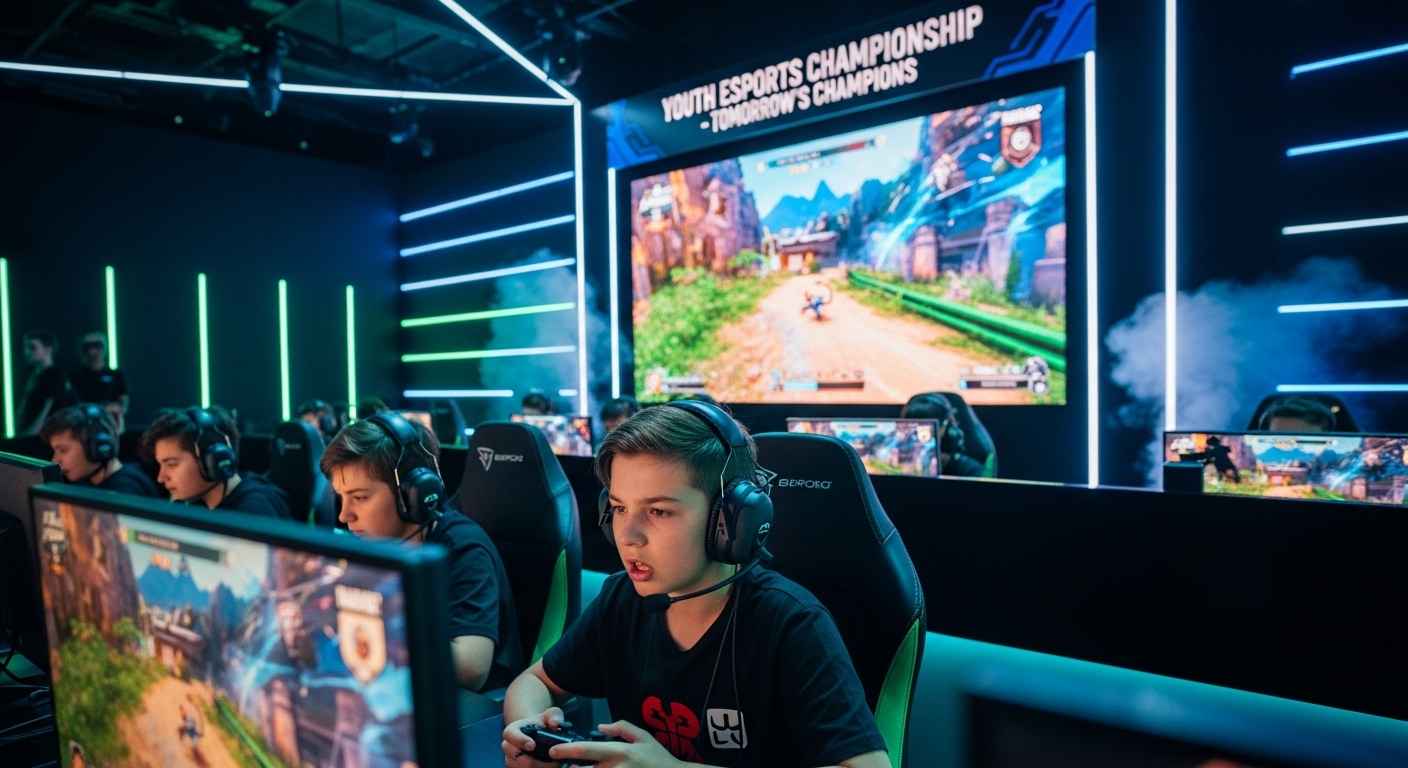
Corporate sponsors soon followed. Tech giants, beverage brands, and even car manufacturers began investing in teams and events. Universities started offering Esports scholarships, and high schools formed official teams. What was once dismissed as a hobby had become an established career path.
The Players: Modern-Day Athletes
One of the most interesting debates surrounding Esports is whether professional gamers should be considered athletes. At first glance, it might seem like a stretch to compare them to traditional sports players. After all, they’re sitting at computers, not running laps or lifting weights. But when you look closer, the similarities are undeniable.
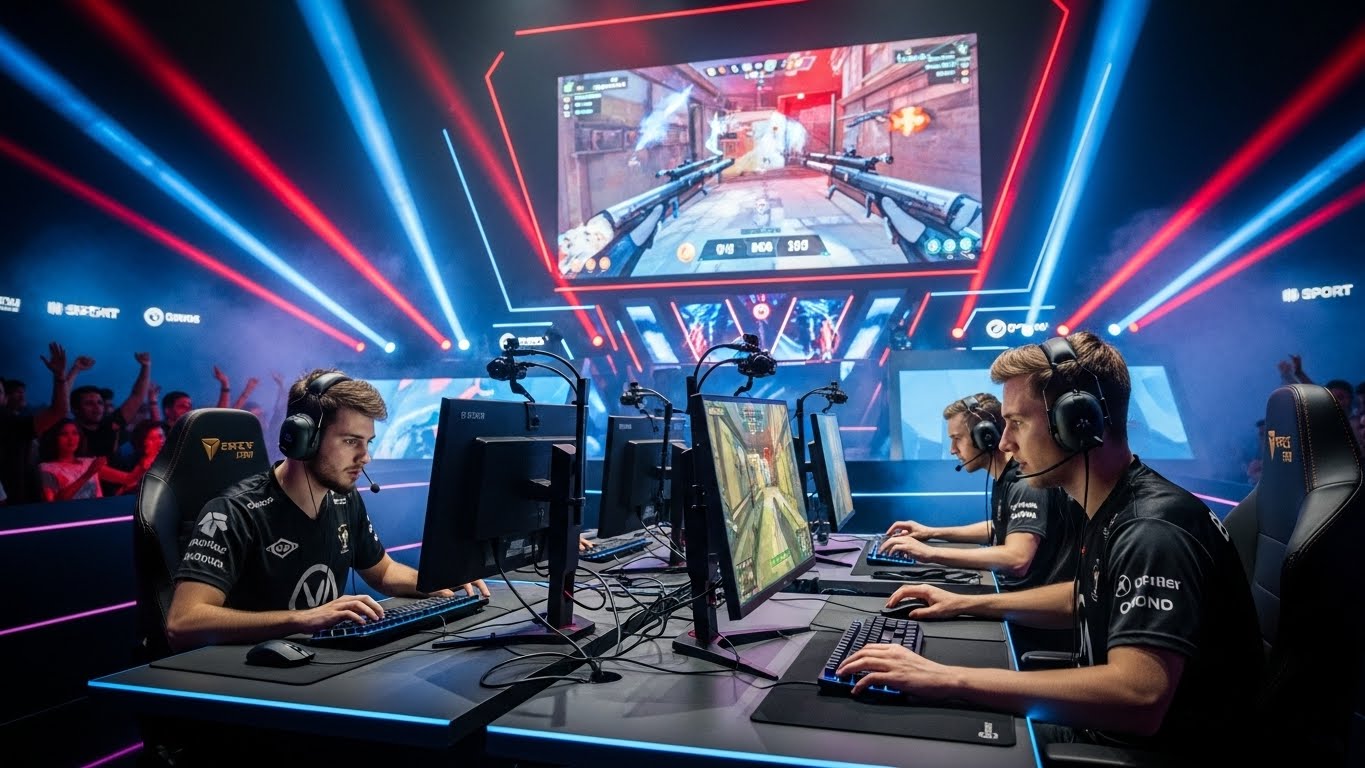
Professional players train for hours daily, refining strategies, improving reflexes, and developing mental endurance. They work with coaches, nutritionists, and analysts. The pressure, performance anxiety, and competition intensity rival that of any athlete in mainstream sports.
Reflexes, precision, decision-making speed, and teamwork are key performance elements. The difference is that instead of using physical strength, Esports athletes rely on cognitive and mechanical skill at an elite level. Reaction times among top players can be measured in milliseconds—often faster than the average human response in traditional sports.
The Culture and Community
What truly separates Esports from other entertainment industries is its community. Fans are deeply involved, often participating in the same games their favorite pros play. This creates a level of connection that traditional sports struggle to replicate.
Fans watch streams, engage on social media, and even create their own tournaments. The sense of belonging in Esports culture is strong—shared by players, viewers, and developers alike. Events like BlizzCon or EVO (the Evolution Championship Series) are not just competitions; they’re celebrations of gaming culture as a whole.
Cosplay, art, fan fiction, and modding communities also thrive alongside Esports. This ecosystem allows creativity and expression beyond the competitive scene, contributing to gaming’s broader cultural significance.
Esports and Education
An unexpected development in recent years has been the integration of Esports into education. Colleges and universities around the world now offer Esports degrees, covering everything from event management to game design, psychology, and marketing. Esports programs allow students to combine passion with professional development.
Some schools even field competitive teams that represent their institutions in collegiate leagues. Scholarships have made it possible for talented players to earn degrees while competing, just like student-athletes in traditional sports. This formal recognition of Esports as a discipline has helped legitimize it further in the eyes of society.
The Economics of Esports
The financial landscape of Esports is complex but fascinating. Revenue streams include sponsorships, advertising, ticket sales, merchandising, broadcasting rights, and digital item sales. The biggest source by far is sponsorships, as brands look to connect with the young, tech-savvy audience that Esports commands.
Prize money is significant, but for most teams, it’s not the primary income. Instead, long-term sustainability comes from brand deals, media rights, and content creation. Teams like FaZe Clan and T1 operate as full-blown entertainment companies, diversifying into lifestyle brands, apparel, and media production.
However, the industry still faces challenges. Profitability can be elusive, as high operational costs, player salaries, and event logistics require substantial investment. Many organizations rely on venture capital and sponsorships rather than consistent profits. Despite this, Esports continues to grow year over year, and analysts predict steady expansion for the foreseeable future.
The Globalization of Esports
Esports has truly become a global phenomenon. Asia remains the dominant force, with South Korea, China, and Japan leading the charge. Europe has strong representation in games like CS:GO and Dota 2, while North America shines in Overwatch and Valorant. Meanwhile, emerging regions like South America, Africa, and Southeast Asia are rapidly growing as access to high-speed internet and gaming infrastructure improves.
This globalization has created a cultural exchange like no other. Players travel internationally for tournaments, fans interact across borders, and events feature commentary in multiple languages. Gaming has become a universal language that transcends geography.
Challenges Facing the Esports Industry
While the future looks bright, Esports faces significant challenges. Player burnout is one of the most pressing issues. With intense schedules, constant travel, and short career spans, many pros retire in their early twenties. Mental health awareness is growing, but more support is needed across the industry.
Another issue is financial stability. Despite massive viewership, many organizations struggle to turn consistent profits. Tournament prize pools can be impressive, but they don’t always reflect the financial health of teams or players.
Cheating, match-fixing, and doping scandals have also occasionally surfaced, threatening credibility. Maintaining competitive integrity is essential for the long-term health of the scene. Governance and regulation are still developing, as Esports lacks a single unified authority like FIFA or the NBA.
Technology and the Future of Esports
Esports has always been tightly connected to technology, and that relationship will only deepen. Advances in virtual reality, artificial intelligence, and 5G are already shaping the next phase.
Virtual reality could bring new genres of competitive games and immersive spectator experiences. AI is being used for analytics, training, and even game balancing. Faster connectivity through 5G networks allows smoother online play and global participation without latency issues.
Another frontier is the metaverse—the blending of gaming, social interaction, and digital economies. Esports could play a leading role in these virtual worlds, where fans and players coexist in shared digital spaces.
Esports and Traditional Sports: Rivals or Partners?
Traditional sports leagues once viewed Esports as competition, but now many are embracing collaboration. The NBA, for example, runs its own NBA 2K League. Formula 1 and FIFA have official Esports tournaments that attract millions of viewers. Major sports organizations see Esports as a way to reach younger audiences and stay relevant in the digital age.
Meanwhile, Esports borrows heavily from traditional sports in structure, presentation, and professionalism. The crossover benefits both worlds—bridging generations and cultures through shared excitement and competition.
The Social Impact of Esports
Beyond entertainment, Esports has influenced culture, technology, and even social change. It has helped redefine what it means to be an athlete, expanded career possibilities in gaming, and fostered inclusivity through global participation.
Esports has also provided opportunities for people who may not fit into traditional sports or entertainment avenues. It empowers creativity, teamwork, and discipline in digital spaces. And while issues of diversity and representation remain ongoing discussions, progress continues as more organizations emphasize inclusion.
The Future of Esports
Predicting the future of Esports is both exciting and challenging. The industry’s pace of evolution is rapid, and innovation never stops. We’re likely to see continued growth in mobile Esports, particularly in developing regions. Games like PUBG Mobile and Mobile Legends have already proven that mobile platforms can host world-class competitions.
Integration with mainstream media will deepen, and we may see more Esports coverage on traditional television alongside digital platforms. As virtual reality and augmented reality mature, entirely new forms of competitive gaming will emerge.
The key will be balance—maintaining authenticity and community connection while embracing commercialization responsibly. If done right, Esports could become one of the defining cultural pillars of the 21st century, standing alongside music, film, and sports as a universal form of expression and competition.
Conclusion
Esports is no longer the future—it’s the present. What began as casual matches between friends has grown into a global movement uniting millions. It embodies the spirit of modern entertainment: digital, interactive, and community-driven. From small LAN parties to international stadiums, from independent streamers to corporate-backed franchises, Esports represents the convergence of technology, creativity, and human competition.
It’s not just about playing games; it’s about passion, connection, and evolution. And while the industry will continue to face challenges, one thing is clear—Esports has secured its place in the world’s cultural landscape, and it’s here to stay.